AI Generated Quiz
Secondary 4 Social Studies Source Based Skills Quiz
Free Sec 4 Social Studies Source Based Skills quiz, HY3 AI version, with questions, answers, and O Level-style practice for Singapore students.
These static practice materials are generated from the site's syllabus and paper-generation workflow, with source and model context shown so students and parents can evaluate the material before use.
Questions
Free quiz and exam paper access
Enter your details to view this paper
Your access is remembered on this device.
Answers
Secondary 4 Social Studies Quiz - Source Based Skills (Answer Key)
Total Marks: 40
Level: Secondary 4
Topic: Source Based Skills
Section A Answers (1 mark each)
Q1. News article / newspaper article.
Teaching note: Source A is from The Straits Times and reports an event; identify by format.
Q2. A citizen activist.
Teaching note: Source B says "Speech by a citizen activist" – author is the activist, not government.
Q3. 2022.
Teaching note: Source C is a "Government report, 2022".
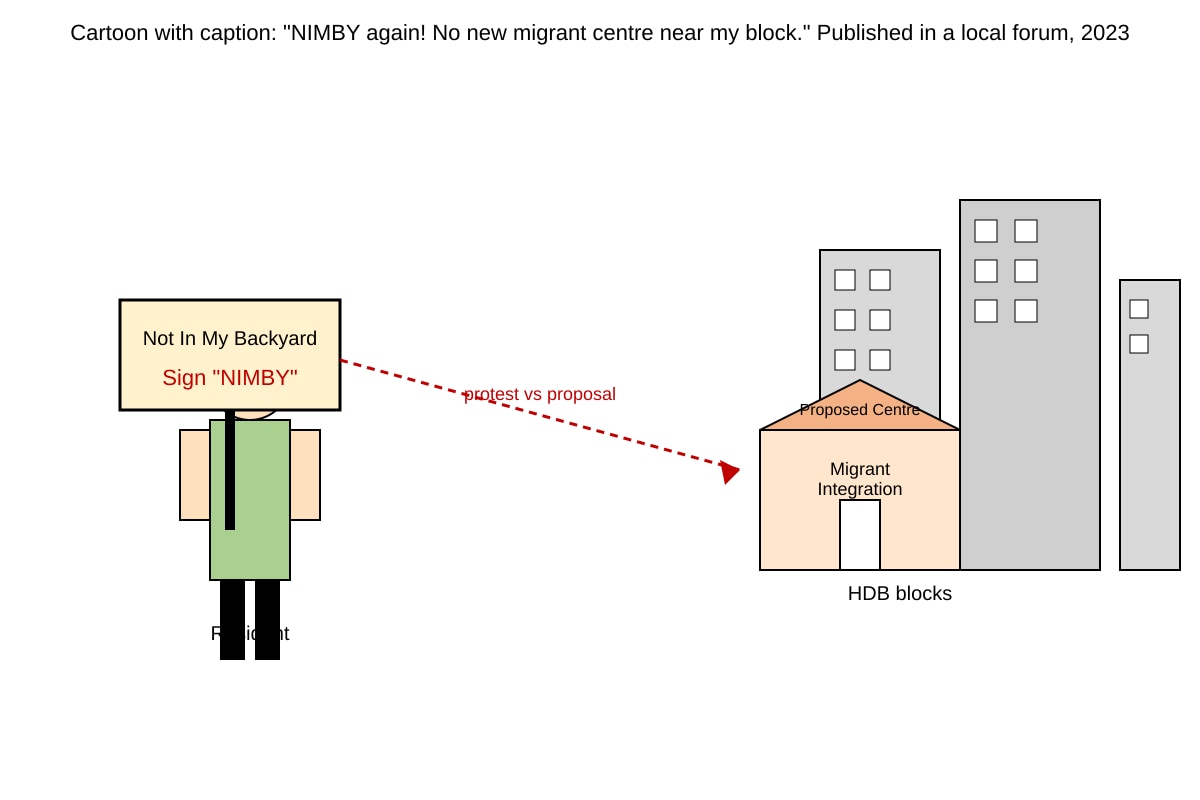
Q4. NIMBY (Not In My Backyard) / resistance to nearby migrant centre.
Teaching note: Cartoon caption "NIMBY again!" shows resident opposes the centre near his block.
Q5. It decreased (from 3.2% to 2.5%).
Teaching note: Table shows 3.2 → 2.8 → 2.5, a falling trend.
Q6. Source C.
Teaching note: Only C is explicitly "Government report".
Q7. Ministry of Social and Family Development.
Teaching note: Source A states the fund is managed by this ministry.
Q8. Volunteering / helping neighbours.
Teaching note: Source B says "Volunteering builds stronger communities."
Q9. 8 in 10 (or 80%).
Teaching note: Source C: "8 in 10 residents feel safe".
Q10. Secondary data (1m) because it is compiled by SingStat from surveys, not direct observation.
Teaching note: Primary = first-hand; SingStat table is aggregated → secondary.
Section B Answers (2 marks each)
Q11. [2m] They partially agree. Source F says globalisation brings jobs (benefit) but also vulnerability (cost); Source G shows trade grew 5% (benefit). Both note economic benefit, but F adds a risk G ignores.
Marking: 1m for identifying agreement on jobs/benefit; 1m for noting F's extra caution.
Q12. [2m] Source G is more useful. It gives data (5% trade growth) proving economic benefit, while F is opinion without figures.
Marking: 1m for choosing G; 1m for reason with evidence.
Q13. [2m] Not surprised. Source G shows overall gain but does not say all benefit; Source H is one citizen's job loss from competition, which is a known cost F mentioned.
Marking: 1m for "not surprised"; 1m for linking to F's vulnerability point.
Q14. [2m] Both aim to influence views: F is media editorial shaping public opinion on policy; B is citizen speech urging personal action. F is institutional, B is individual.
Marking: 1m each for purpose of both.
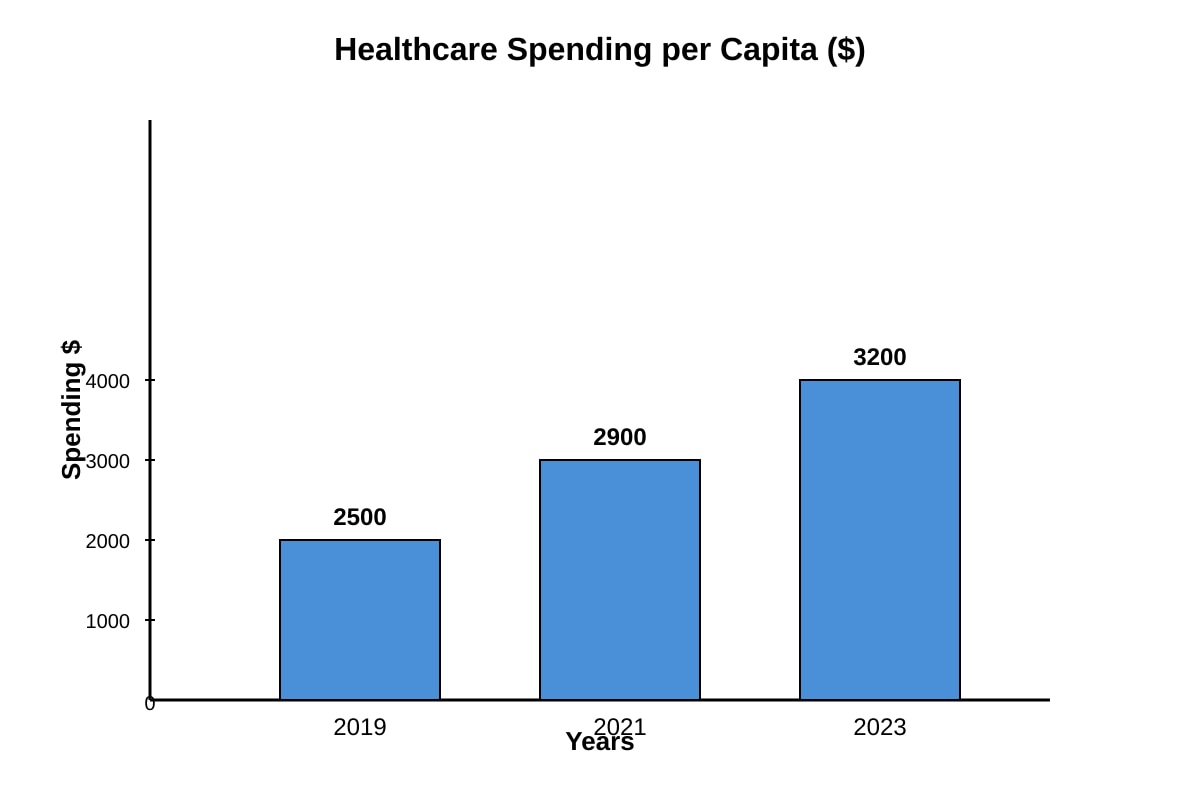
Q15. [2m] Healthcare spending per capita rose from 3200 (2023), showing increased government investment.
Marking: 1m for trend (increase); 1m for using values.
Section C Answers (2 marks each)
Q16. [2m] Government built hubs (efficiency) but elderly struggle with smart tech (K) – trade-off between modernisation and inclusion.
Marking: 1m for gov action; 1m for unintended cost.
Q17. [2m] Partially agree. Gov built hubs (J) essential, but citizens' volunteer guiding (J) addresses gap K shows; both needed.
Marking: 1m for gov role; 1m for citizen role.
Q18. [2m] Source K more reliable: it reports direct user experience of elderly, while J is general success claim.
Marking: 1m for K; 1m for reason.
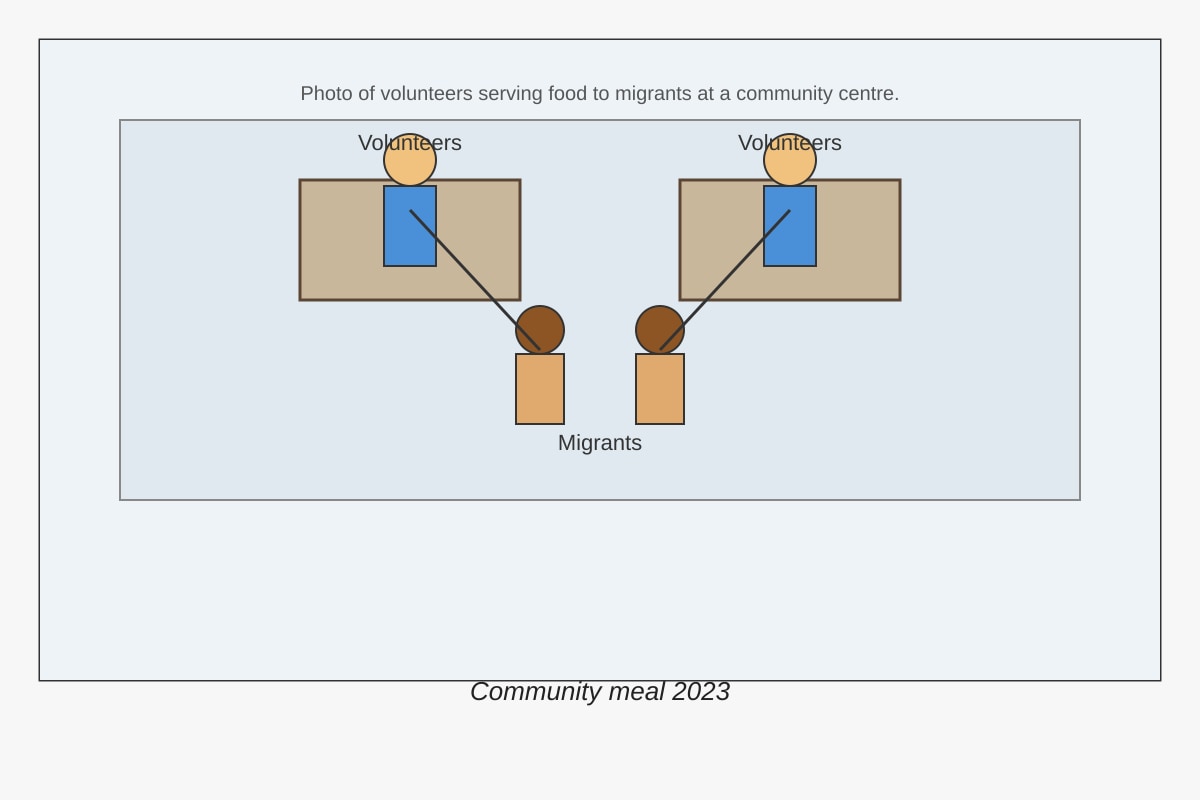
Q19. [2m] L shows real citizen volunteering (like B's call), proving individuals act beyond government.
Marking: 1m for link to B; 1m for explanation.
Q20. [2m] D shows tension (residents resist migrant centre); L shows citizens volunteering with migrants. Gov provides centres, citizens must accept/help – cooperation needed for harmony.
Marking: 1m for D tension; 1m for L cooperation.