From Real Exams Exam Paper
Secondary 4 History Preliminary Examination Paper 1
Free Sec 4 History Prelim Paper 1, HY3 Exam version, with questions, answers, and O Level-style practice for Singapore students.
These static practice materials are generated from the site's syllabus and paper-generation workflow, with source and model context shown so students and parents can evaluate the material before use.
Questions
Free quiz and exam paper access
Enter your details to view this paper
Your access is remembered on this device.
Answers
TuitionGoWhere Practice Paper - History Secondary 4 (PRELIM) Answer Key
Version 1 of 5 | Total Marks: 80
Section A: Structured Explanation
1. [4 marks] Explain why the Germans hated the Treaty of Versailles.
Teaching note: Students must identify grievances and explain emotional/political impact.
Mark breakdown: 1 mark per valid explained reason (max 4).
Answers:
- War Guilt Clause (Article 231): Germans forced to accept blame for WWI → felt humiliated.
- Reparations: Heavy financial burden (£6.6 billion) → economic suffering and resentment.
- Territorial losses: Alsace-Lorraine, Polish Corridor → loss of land and national pride.
- Military restrictions: Army limited to 100,000, no air force → felt defenceless.
Common mistake: Listing clauses without explaining why they caused hatred.
2. [4 marks] Explain why the British extended control over Malaya.
Mark breakdown: 1 mark per explained motive.
Answers:
- Economic: Tin and rubber profits for industrial Britain → need to secure investments.
- Political stability: Local conflicts threatened trade → Resident system imposed.
- Strategic: Protect sea route to China/India → naval bases like Singapore.
- Plural society: Migrant labour needed for plantations → control to manage order.
Teaching note: Link motive to method of control.
3. [4 marks] Explain why the Nazi Party rose to power by 1933.
Answers:
- Weimar weaknesses: Proportional representation caused unstable governments.
- Great Depression: 6 million unemployed → voters turned to extremes.
- Hitler's appeal: Promised revival, used propaganda and rallies.
- Enabling Act (1933): Legal path to dictatorship after Reichstag fire.
Marking: 1 mark each with explanation.
4. [4 marks] Explain why Japan became militaristic.
Answers:
- Economic crisis: 1929 crash hurt silk exports → unrest.
- Military influence: Officers saw expansion as solution (Manchuria 1931).
- Weak democracy: Civilian govts discredited → army took control.
- Ultra-nationalism: Emperor worship used to justify aggression.
Teaching note: Show link between domestic and foreign policy.
5. [4 marks] Explain why League of Nations failed in 1930s.
Answers:
- No USA: Absence reduced power.
- No army: Could not enforce decisions.
- Self-interest: Britain/France appeased aggressors.
- Aggression: Manchuria (1931), Abyssinia (1935) unchecked.
Marking descriptors: Identify + explain = 1 mark each.
Section B: Source-Based
6. [2 marks] Source A suggests German reaction = resentment/protest.
1 mark: states resentment; 1 mark: references "under protest"/"honour sacrificed".
7. [2 marks] Source B shows youth taught to remember "shame" and reclaim land.
1 mark: indoctrination; 1 mark: quote "never forget".
8. [4 marks] Similarity: Both show Treaty as unjust/humiliating.
Differences: A is British observation, B is German indoctrination.
Marking: 2 for similarity, 2 for difference with evidence.
9. [6 marks] Use sources + knowledge:
- Source A: protest and honour → hatred.
- Source B: textbook shame → future revanchism.
- Knowledge: reparations caused hyperinflation; Hitler exploited.
Mark descriptors: 2 source, 2 knowledge, 2 synthesis.
10. [6 marks] Expected? Yes: British paper supported victory terms.
But surprise? No, typical of wartime tone.
Marking: 3 for expected reasoning, 3 for context of 1919 media.
Section C: Essay Planning
11. [4 marks] For: Depression unemployment helped Nazis; fear drove votes. Against: Treaty resentment predated 1929; Weimar flaws. 1 mark per point.
12. [4 marks] Appeasement = giving in to avoid war. Used to gain time, avoid repeat of WWI. 2+2.
13. [4 marks] Harm: purges, famine; Good: industrialisation. 2+2.
14. [4 marks] Justified: saved US lives in invasion; forced Japan surrender. 2+2.
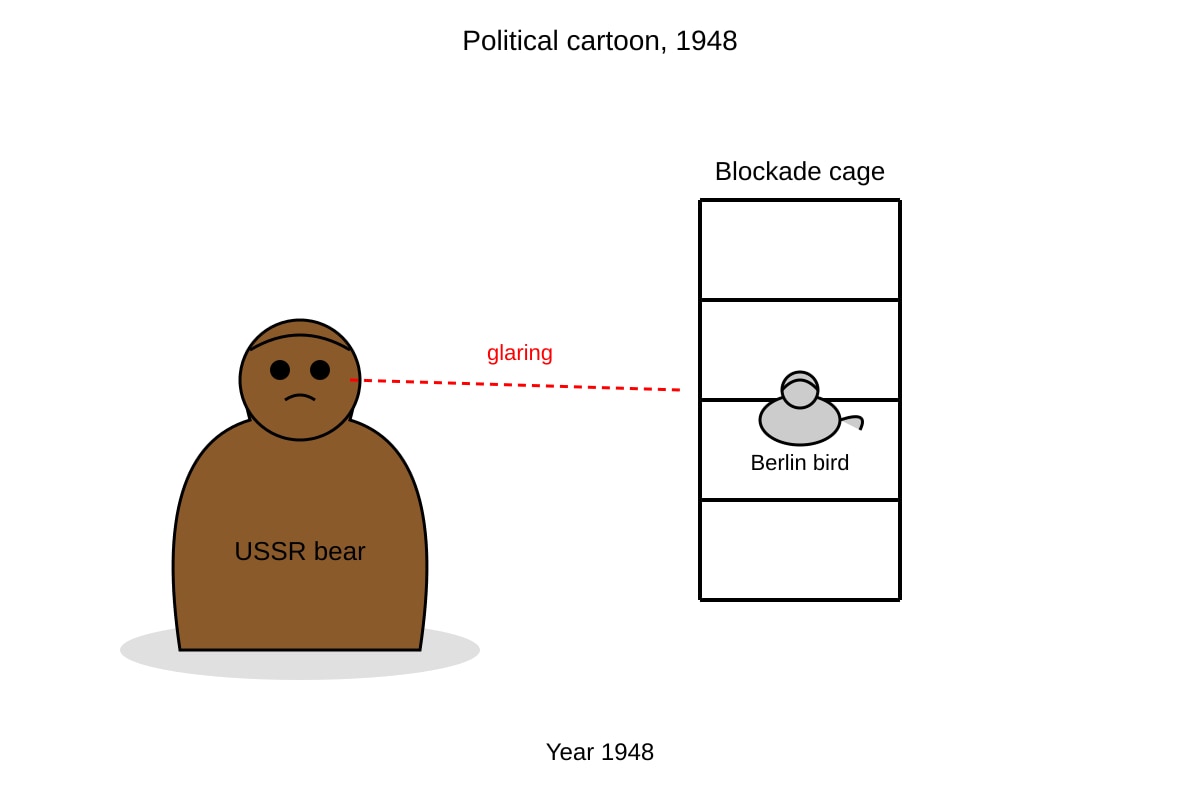
15. [4 marks] Cartoon shows USSR besieging Berlin (Blockade 1948). Historian uses as propaganda evidence of Cold War fear. 2 for identification, 2 for use.
Section D: Extended
16. [5 marks] Korea divided 38th parallel; North invaded South 1950; Stalin/Kim approval; US UN response. 1 each.
17. [5 marks] Agree: USSR blocked Berlin, took East Europe. Disagree: US Truman Doctrine. Balanced = 5.
18. [5 marks] Effects: suffering, nationalism rise, economy ruin, anti-colonialism. 1 each.
19. [5 marks] Malayan Emergency, communist insurgency, ethnic tensions, British retreat. 1 each.
20. [5 marks] Versailles humiliation → Hitler revenge; reparations collapse; WWII path. 1 each.
End of Answer Key </stage3_exam_md>
<stage3_exam_answers_md>
TuitionGoWhere Practice Paper - History Secondary 4 (PRELIM) Answer Key
Version 1 of 5 | Total Marks: 80
Section A: Structured Explanation
1. [4 marks] Explain why the Germans hated the Treaty of Versailles.
Teaching note: Students must identify grievances and explain emotional/political impact.
Mark breakdown: 1 mark per valid explained reason (max 4).
Answers:
- War Guilt Clause (Article 231): Germans forced to accept blame for WWI → felt humiliated.
- Reparations: Heavy financial burden (£6.6 billion) → economic suffering and resentment.
- Territorial losses: Alsace-Lorraine, Polish Corridor → loss of land and national pride.
- Military restrictions: Army limited to 100,000, no air force → felt defenceless.
Common mistake: Listing clauses without explaining why they caused hatred.
2. [4 marks] Explain why the British extended control over Malaya.
Mark breakdown: 1 mark per explained motive.
Answers:
- Economic: Tin and rubber profits for industrial Britain → need to secure investments.
- Political stability: Local conflicts threatened trade → Resident system imposed.
- Strategic: Protect sea route to China/India → naval bases like Singapore.
- Plural society: Migrant labour needed for plantations → control to manage order.
Teaching note: Link motive to method of control.
3. [4 marks] Explain why the Nazi Party rose to power by 1933.
Answers:
- Weimar weaknesses: Proportional representation caused unstable governments.
- Great Depression: 6 million unemployed → voters turned to extremes.
- Hitler's appeal: Promised revival, used propaganda and rallies.
- Enabling Act (1933): Legal path to dictatorship after Reichstag fire.
Marking: 1 mark each with explanation.
4. [4 marks] Explain why Japan became militaristic.
Answers:
- Economic crisis: 1929 crash hurt silk exports → unrest.
- Military influence: Officers saw expansion as solution (Manchuria 1931).
- Weak democracy: Civilian govts discredited → army took control.
- Ultra-nationalism: Emperor worship used to justify aggression.
Teaching note: Show link between domestic and foreign policy.
5. [4 marks] Explain why League of Nations failed in 1930s.
Answers:
- No USA: Absence reduced power.
- No army: Could not enforce decisions.
- Self-interest: Britain/France appeased aggressors.
- Aggression: Manchuria (1931), Abyssinia (1935) unchecked.
Marking descriptors: Identify + explain = 1 mark each.
Section B: Source-Based
6. [2 marks] Source A suggests German reaction = resentment/protest.
1 mark: states resentment; 1 mark: references "under protest"/"honour sacrificed".
7. [2 marks] Source B shows youth taught to remember "shame" and reclaim land.
1 mark: indoctrination; 1 mark: quote "never forget".
8. [4 marks] Similarity: Both show Treaty as unjust/humiliating.
Differences: A is British observation, B is German indoctrination.
Marking: 2 for similarity, 2 for difference with evidence.
9. [6 marks] Use sources + knowledge:
- Source A: protest and honour → hatred.
- Source B: textbook shame → future revanchism.
- Knowledge: reparations caused hyperinflation; Hitler exploited.
Mark descriptors: 2 source, 2 knowledge, 2 synthesis.
10. [6 marks] Expected? Yes: British paper supported victory terms.
But surprise? No, typical of wartime tone.
Marking: 3 for expected reasoning, 3 for context of 1919 media.
Section C: Essay Planning
11. [4 marks] For: Depression unemployment helped Nazis; fear drove votes. Against: Treaty resentment predated 1929; Weimar flaws. 1 mark per point.
12. [4 marks] Appeasement = giving in to avoid war. Used to gain time, avoid repeat of WWI. 2+2.
13. [4 marks] Harm: purges, famine; Good: industrialisation. 2+2.
14. [4 marks] Justified: saved US lives in invasion; forced Japan surrender. 2+2.
15. [4 marks] Cartoon shows USSR besieging Berlin (Blockade 1948). Historian uses as propaganda evidence of Cold War fear. 2 for identification, 2 for use.
Section D: Extended
16. [5 marks] Korea divided 38th parallel; North invaded South 1950; Stalin/Kim approval; US UN response. 1 each.
17. [5 marks] Agree: USSR blocked Berlin, took East Europe. Disagree: US Truman Doctrine. Balanced = 5.
18. [5 marks] Effects: suffering, nationalism rise, economy ruin, anti-colonialism. 1 each.
19. [5 marks] Malayan Emergency, communist insurgency, ethnic tensions, British retreat. 1 each.
20. [5 marks] Versailles humiliation → Hitler revenge; reparations collapse; WWII path. 1 each.
End of Answer Key