AI Generated Exam Paper
Secondary 4 English Practice Paper 4
Free Sec 4 English Practice Paper 4, HY3 AI version, with questions, answers, and O Level-style practice for Singapore students.
These static practice materials are generated from the site's syllabus and paper-generation workflow, with source and model context shown so students and parents can evaluate the material before use.
Questions
TuitionGoWhere Practice Paper - English Secondary 4
TuitionGoWhere Practice Paper (AI) — Version 4 of 5
Subject: English
Level: Secondary 4
Paper: Practice Paper (Comprehension Focus)
Duration: 1 hr 50 min
Total Marks: 50
Name: ________________________
Class: ________
Date: ____________
Instructions:
- This practice paper is generated from syllabus-first templates and LLM-inferred patterns. It is NOT an official past-year paper.
- Read all passages carefully before answering.
- Write your answers in the spaces provided.
- Section marks and question marks add up to 50.
Section A: Comprehension (Two Texts with Visual) — 5 marks
Text 1 (Informational with visual)
The following is an extract from a school bulletin about a new recycling programme.
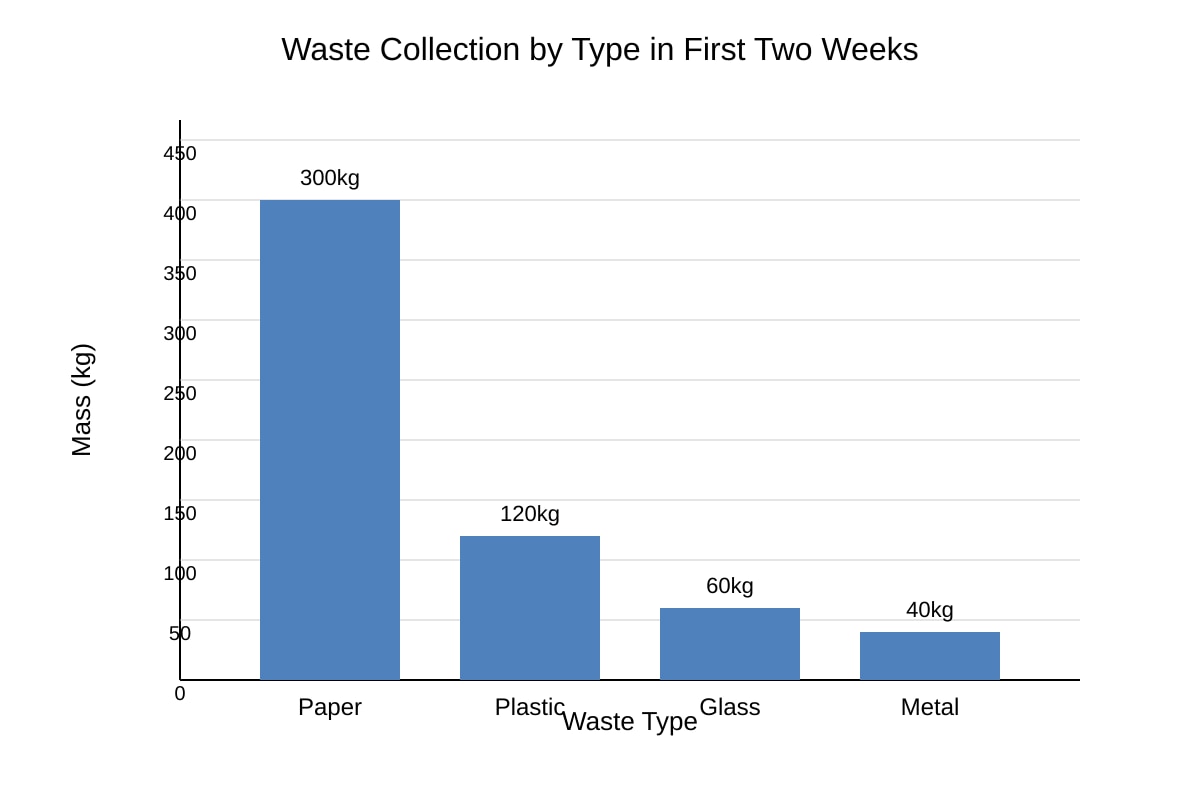
"Our school launched the Green Campus Initiative in January. The response was immediate. Within two weeks, recycling bins in every block collected over 300 kg of paper. Student volunteers reported high participation. However, plastic waste remained a problem. A survey showed only 40% of students separated plastic correctly."
Image pending generation: chart for Q1.
Q1. According to the chart and extract, which type of waste had the lowest collection mass? [1 mark]
Text 2 (Short argument with visual)
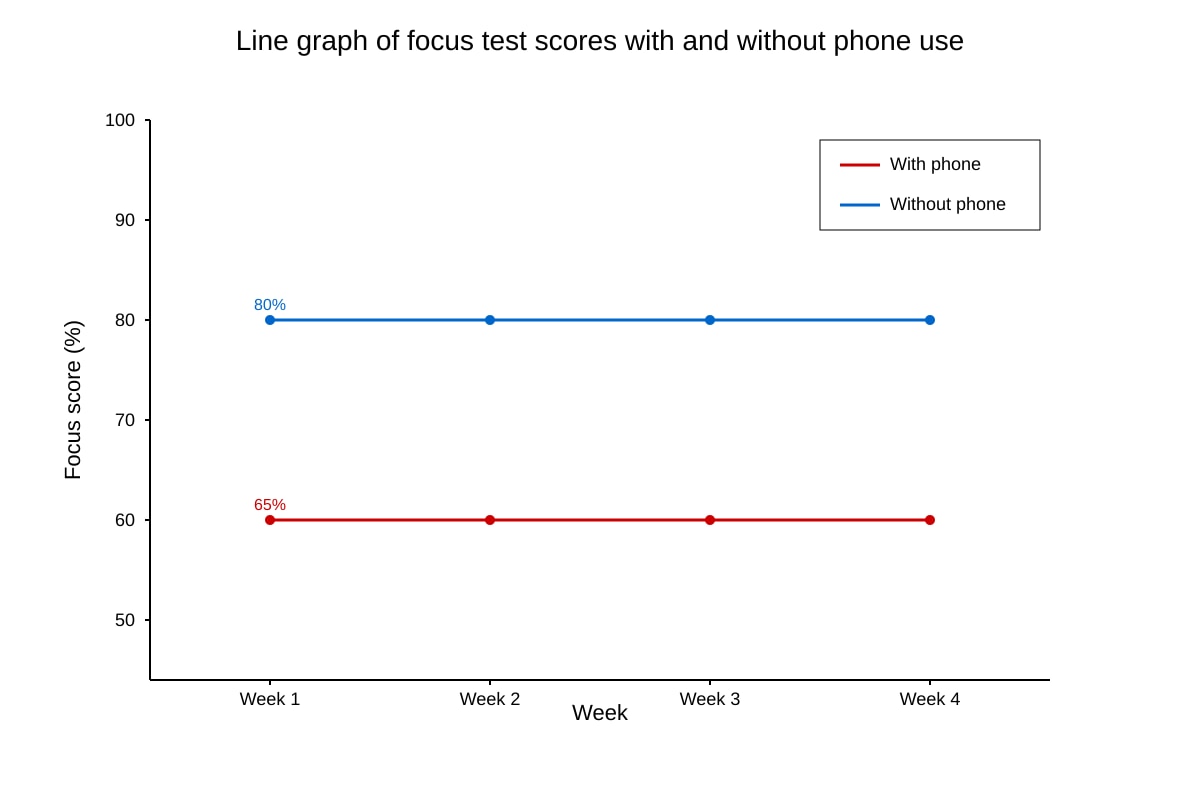
"Smartphones should be banned in classrooms. They distract students. A 2023 study found that students using phones scored 15% lower in focus tests."
Image pending generation: graph for Q2.
Q2. What contrast does the writer create between the two lines in the graph? [1 mark]
Q3. Find a word in the Text 2 extract which suggests the writer's strong disapproval. [1 mark]
Q4. Who is the target audience of the school bulletin in Text 1? [1 mark]
Q5. What is the main purpose of Text 2? [1 mark]
Section B: Narrative Comprehension — 20 marks
Text 3 (Narrative extract)
(1) The rain hammered the roof as Amir sat by the window. (2) He had waited three hours. (3) His father had promised to return before dusk. (4) "He always forgets," Amir muttered, tracing the glass with a finger. (5) Outside, the streetlights flickered like tired eyes. (6) A car engine roared in the distance, then faded. (7) Amir's hope shrank with the sound. (8) He trudged to the kitchen, poured a cold cup of tea, and stared at the wall. (9) "I did now," he whispered to no one. (10) The clock ticked past midnight.
Q6. What is the tone of Amir's comment in line 4? [1 mark]
Q7. In line 8, what does the word "trudged" suggest about Amir's state? [1 mark]
Q8. 'The streetlights flickered like tired eyes.' (line 5) How is this comparison effective? [2 marks]
Q9. The writer creates a contrast by following Amir's long observation in lines 6–7 with a short sentence, "I did now." (line 9). What is the effect? [2 marks]
Q10. What does Amir's whisper in line 9 suggest about the sort of person he was? [1 mark]
Q11. Give two pieces of evidence from the extract that show Amir felt disappointed. [2 marks]
Q12. What does Amir's action of "tracing the glass with a finger" (line 4) suggest about his feelings? [1 mark]
Q13. How does the writer use the image of the clock in line 10 to show passing time? [2 marks]
Q14. Explain how the opening sentence ("The rain hammered the roof") creates mood. [2 marks]
Q15. What can we infer about Amir's relationship with his father from lines 3–4? [2 marks]
Q16. Identify a word in paragraph 1 that suggests silence or stillness. [1 mark]
Q17. Why does the writer describe the car engine sound as "roared then faded"? [1 mark]
Q18. How does the writer show Amir's isolation in this extract? [2 marks]
Section C: Non-Narrative Comprehension & Summary — 25 marks
Text 4 (Non-narrative extract)
(1) Social media has changed how teenagers communicate. (2) A 2022 survey showed 85% of teens use platforms daily. (3) Critics argue this reduces face-to-face skills. (4) However, supporters say it builds global friendships. (5) Schools should teach digital literacy. (6) Students need to judge online sources. (7) Parents also play a role by setting screen limits. (8) Balanced use is the key to healthy development.
Q19. From paragraph 1, identify two distinct reasons why schools should address social media use. [2 marks]
Q20. 'Balanced use is the key to healthy development.' (line 8) What does "key" suggest about the writer's view? [1 mark]
Q21. What evidence is there in lines 2–4 that opinions on social media are divided? [2 marks]
Q22. Find words in paragraph 1 which suggest a contrast in views. [1 mark]
Q23. How does the writer use the word "however" in line 4 to structure the argument? [2 marks]
Q24. With reference to lines 5–7, how would a supporter of digital literacy explain the roles mentioned? [3 marks]
Q25. Summarise the main ideas of Text 4 in no more than 80 words. [12 marks]
End of Paper
Answers
TuitionGoWhere Practice Paper - English Secondary 4 (Answers)
Version 4 of 5 — Answer Key with Teaching Notes
Section A (5 marks)
Q1. [1 mark] Metal (40 kg).
Teaching note: Read chart values: Paper 300, Plastic 120, Glass 60, Metal 40. Lowest is Metal. Common mistake: choosing Glass due to misreading bar.
Q2. [1 mark] The line for "without phone" is consistently higher (80%) than "with phone" (65%), showing phone use lowers focus.
Teaching note: Contrast = difference between two lines. Mark for identifying gap.
Q3. [1 mark] "banned" (or "distract").
Teaching note: "Banned" shows strong disapproval. Accept "distract" as negative but "banned" is stronger.
Q4. [1 mark] School community / students and staff.
Teaching note: Bulletin is from school about student participation.
Q5. [1 mark] To argue that smartphones should be banned in classrooms.
Teaching note: Main purpose = writer's stance stated in sentence 1.
Section B (20 marks)
Q6. [1 mark] Resentful / frustrated.
Teaching note: "He always forgets" shows annoyance. Not "sad".
Q7. [1 mark] He was tired, weary, moving with effort.
Teaching note: "Trudged" = slow tired walk.
Q8. [2 marks] Compares streetlights to "tired eyes" (1) suggesting they are weak/dim and creating a weary mood (1).
Teaching note: Metaphor links non-human to human fatigue.
Q9. [2 mark] The short sentence is abrupt (1) emphasising his loneliness/defeat after long wait (1).
Teaching note: Contrast length → emphasis.
Q10. [1 mark] He was solitary / resigned.
Teaching note: Whisper to no one shows isolation.
Q11. [2 marks] (i) "hope shrank" (line 7) (1) (ii) "stared at wall" (line 8) (1).
Teaching note: Two clear textual evidences.
Q12. [1 mark] He was restless / anxious.
Teaching note: Tracing glass = idle nervous action.
Q13. [2 marks] Clock ticking past midnight shows time passing slowly (1) and lengthens his wait (1).
Teaching note: Time image = prolonged tension.
Q14. [2 marks] "Hammered" is violent verb (1) creating tense/bleak mood (1).
Teaching note: Word choice → atmosphere.
Q15. [2 marks] Father breaks promises (1); Amir expects disappointment (1).
Teaching note: Inference from "promised" vs "always forgets".
Q16. [1 mark] "whispered" / "silence" (if inferred) – text: "whispered" (line 9).
Teaching note: Quiet word.
Q17. [1 mark] Shows brief hope then disappearance.
Teaching note: Sound coming and going = false hope.
Q18. [2 marks] Alone by window (1); whispering to no one (1).
Teaching note: Isolation via actions.
Section C (25 marks)
Q19. [2 marks] (i) Need to judge online sources (line 6) (1) (ii) Teach digital literacy (line 5) (1).
Teaching note: Two distinct reasons from para 1 (lines 5–6).
Q20. [1 mark] It is essential / most important.
Teaching note: "Key" = crucial.
Q21. [2 marks] Line 3 critics reduce skills (1); line 4 supporters build friendships (1).
Teaching note: Divided = two opposite views.
Q22. [1 mark] "However" (or "Critics" vs "supporters").
Teaching note: Contrast signal.
Q23. [2 marks] "However" introduces opposing view (1) structuring balanced argument (1).
Teaching note: Discourse marker function.
Q24. [3 marks] Schools teach literacy (1); students judge sources (1); parents set limits (1).
Teaching note: Roles from lines 5–7 explained.
Q25. [12 marks] Summary marking:
- Content (up to 8): social media use high; critics vs supporters; schools teach; parents role; balance.
- Own words (up to 4): sustained use of own words. Model: Teenagers widely use social media. While some fear lost social skills, others value worldwide ties. Education on digital skills and parental limits help. Moderate use aids growth. (42 words)
Total 50 marks
Free quiz and exam paper access
Enter your details to view this paper
Your access is remembered on this device.