AI Generated Exam Paper
Secondary 4 English Practice Paper 1
Free Sec 4 English Practice Paper 1, HY3 AI version, with questions, answers, and O Level-style practice for Singapore students.
These static practice materials are generated from the site's syllabus and paper-generation workflow, with source and model context shown so students and parents can evaluate the material before use.
Questions
Free quiz and exam paper access
Enter your details to view this paper
Your access is remembered on this device.
Answers
TuitionGoWhere Practice Paper - English Secondary 4 (Answer Key)
Version: 1 of 5
Subject: English
Level: Secondary 4
Total Marks: 50
Section A: Visual and Literal Comprehension (5 marks)
Q1. [1 mark]
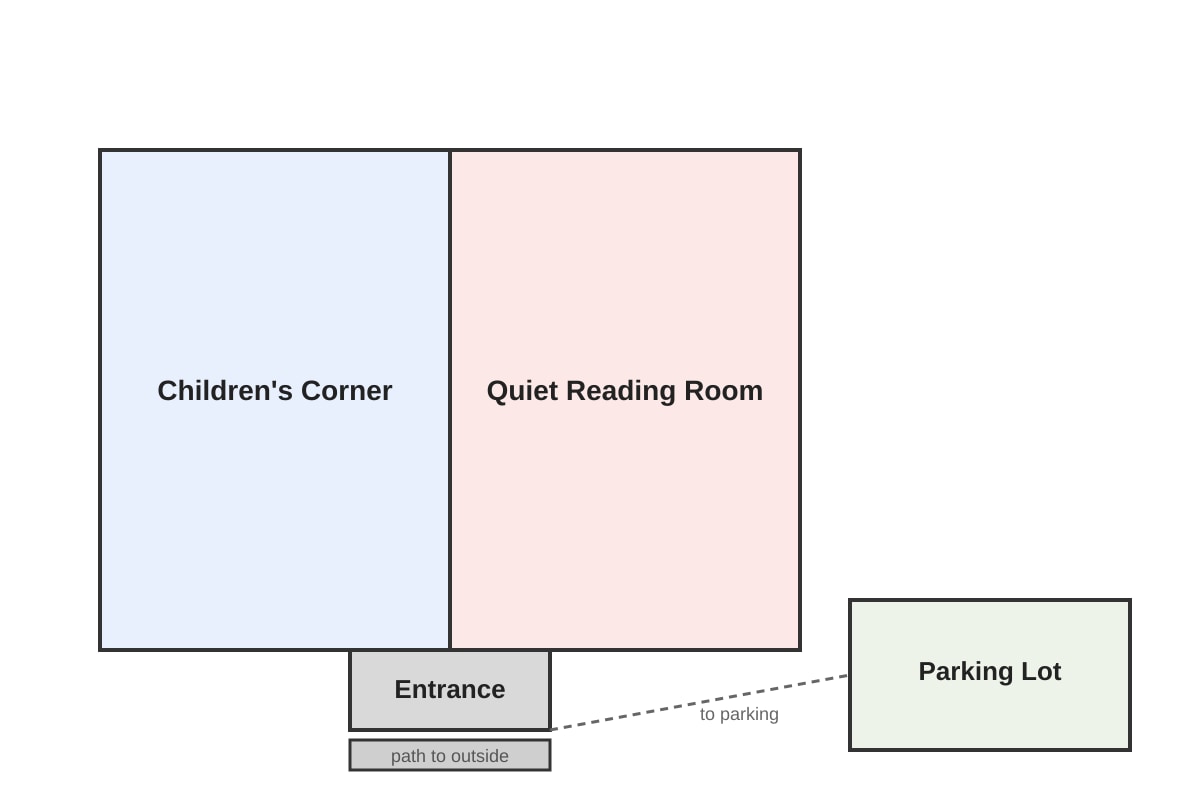
Answer: The Children's Corner (or Entrance area as per plan).
Teaching note: From the floor plan, the children's corner is shown adjacent to the entrance. Student should read the labelled diagram. Common mistake: naming parking lot (it is outside, not nearest inside).
Q2. [1 mark]
Answer: "some neighbours complain about the noise and limited parking"
Teaching note: Evidence must be quoted or paraphrased from Passage 1. Mark for identifying complaint.
Q3. [1 mark]
Answer: A small garden.
Teaching note: Direct retrieval from "plans to add a small garden next year".
Q4. [1 mark]
Answer: Elderly residents.
Teaching note: "elderly residents use the quiet reading room".
Q5. [1 mark]
Answer: Reassuring / inclusive / positive.
Teaching note: Town council uses phrase to show welcome. Accept any tone word showing positivity. Trap: do not say "angry".
Section B: Narrative Comprehension and Language Use (20 marks)
Q6. [1 mark]
Answer: It was heavy / bulky.
Teaching note: "thudding" implies weight and impact.
Q7. [2 marks]
Answer: It suggests she feels sad or reflective; she does not speak because she is lost in thought about her brother.
Marking: 1 mark for feeling (sad/misses brother), 1 mark for explanation linked to silence.
Teaching note: Inference from action, not stated directly.
Q8. [2 marks]
Answer: (i) sky was grey, (ii) wind bit at her cheeks.
Marking: 1 mark each.
Teaching note: Both show unpleasant weather.
Q9. [1 mark]
Answer: Casual / warm / mildly urgent.
Teaching note: Text from mother is everyday.
Q10. [1 mark]
Answer: "bit" (or "wind bit").
Teaching note: Shows harshness.
Q11. [3 marks]
Answer: Contrast between mother's "Hurry" text (urgent) and Siti's slowing at park (calm). Effect: shows Siti's distraction/grief, creates gentle tension.
Marking: 1 mark contrast identified, 2 marks effect explained.
Teaching note: Juxtaposition of urgency vs pause.
Q12. [2 marks]
Answer: Empty swings suggest absence of brother; wind shows loneliness, reinforcing her quiet sadness.
Marking: 1 mark image link, 1 mark emotion.
Q13. [1 mark]
Answer: She is resilient / loving / remembers happily.
Teaching note: Smile shows positive memory.
Q14. [2 marks]
Answer: (i) remembers brother who left, (ii) watches empty swing.
Marking: 1 mark each.
Q15. [2 marks]
Answer: Short sentence gives abrupt end, emphasises her silence and withdrawal.
Marking: 1 mark technique, 1 mark effect.
Q16. [2 marks]
Answer: "bit" personifies wind as painful, showing cold harsh setting.
Marking: 1 mark explanation, 1 mark setting link.
Q17. [2 marks]
Answer: Close bond; she misses him but remembers fondly.
Marking: 1 mark inference, 1 mark evidence.
Section C: Non-Narrative Comprehension (25 marks)
Q18. [2 marks]
Answer: (i) students leave unable to manage savings, (ii) understanding loans prevents debt. (accept budgeting, habits)
Marking: 1 mark each.
Q19. [1 mark]
Answer: To argue/persuade schools to teach financial literacy.
Q20. [2 marks]
Answer: Clear order, easy to follow, shows completeness.
Marking: 1 mark structure, 1 mark reader effect.
Q21. [1 mark]
Answer: Long-term safety / stability.
Q22. [1 mark]
Answer: "many students leave school unable to manage savings".
Q23. [2 marks]
Answer: Listing gives organised evidence, appears logical.
Marking: 1+1.
Q24. [2 marks]
Answer: Shows practical benefit, supports view that literacy helps avoid problems.
Marking: 1 mark link, 1 mark explanation.
Q25. [2 marks]
Answer: Formal / persuasive; reason: uses listing and factual points.
Marking: 1 tone, 1 reason.
Q26. [1 mark]
Answer: No characters / gives reasons / list format.
Q27. [8 marks]
Answer (summary example, 80 words):
The writer gives four reasons for financial literacy in schools. First, students often leave school unable to manage savings. Second, knowing about loans helps prevent debt. Third, budgeting aids daily life. Finally, early habits create long-term security. Together, these show that financial literacy equips students with essential life skills and protects their future. (78 words)
Marking descriptors: 7-8: own words, all 4 points, organised. 5-6: mostly own words, 3 points.
Teaching note: Must use own words, not copy.
Q28. [2 marks]
Answer: Writer would say budgeting helps in daily life and is a needed skill.
Marking: 1 mark reference, 1 mark explanation.
Total: 50 marks. Section A 5 + B 20 + C 25 = 50. ✓