From Real Exams Exam Paper
Secondary 4 Combined Science Physics Preliminary Examination Paper 1
Free Sec 4 Comb Sci Phy Prelim Paper 1, HY3 Exam version, with questions, answers, and O Level-style practice for Singapore students.
These static practice materials are generated from the site's syllabus and paper-generation workflow, with source and model context shown so students and parents can evaluate the material before use.
Questions
Free quiz and exam paper access
Enter your details to view this paper
Your access is remembered on this device.
Answers
TuitionGoWhere Exam Practice (AI) — PRELIM Practice Paper Answer Key
Combined Science Physics Secondary 4 — Summary (Version 1 of 5)
Section A (20 marks)
1. average speed = total distance / total time = 100 m / 5 s = 20 m/s. [2]
Teaching note: Average speed uses total distance over total time, not average of speeds.
2. m/s² (metres per second squared). [2]
Teaching note: Acceleration is change in velocity per second, hence m/s per s = m/s².
3. Frictional force = 12 N. [1] Because constant speed → zero acceleration → net force = 0, so friction equals applied force. [1]
Teaching note: Newton’s First Law: balanced forces at constant speed.
4. Particles are closely packed in a regular pattern / fixed positions, vibrating. [2]
Teaching note: Solids have strong forces holding particles in fixed arrangement.
5. Energy = P × t = 500 W × 10 s = 5000 J (or 5 kJ). [2]
Teaching note: 1 W = 1 J/s, so energy in joules = power × time.
6. In series, current is same through all components; in parallel, voltage is same across branches. [2]
Teaching note: Accept any valid difference, e.g., series one break stops all, parallel branches independent.
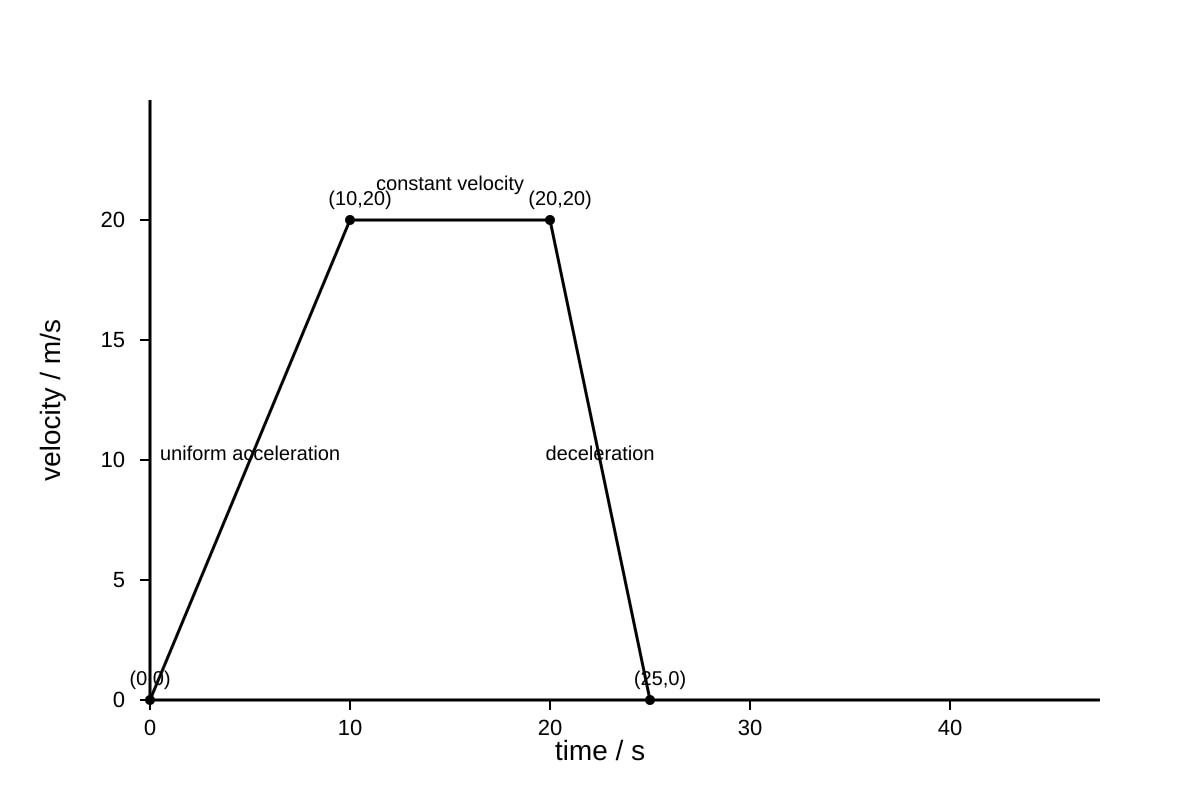
7. Acceleration = 0 m/s² (horizontal line = constant velocity). [2]
Teaching note: Gradient of v–t graph is zero.
8. Conduction. [2]
Teaching note: Conduction is heat transfer via vibrations/free electrons, no bulk movement.
9. Angle of reflection = 30° (equals angle of incidence). [2]
Teaching note: Law of reflection: ∠i = ∠r measured to normal.
10. Weight = m × g = 4 kg × 10 m/s² = 40 N. [2]
Teaching note: Weight is force due to gravity, units newtons.
Section B (30 marks)
11. (a) a = Δv/Δt = (20 – 0)/(10 – 0) = 2 m/s². [2]
(b) Distance = area under graph = triangle (½×10×20=100) + rectangle (10×20=200) + triangle (½×5×20=50) = 350 m. [3]
Teaching note: Total area = 100+200+50 = 350 m.
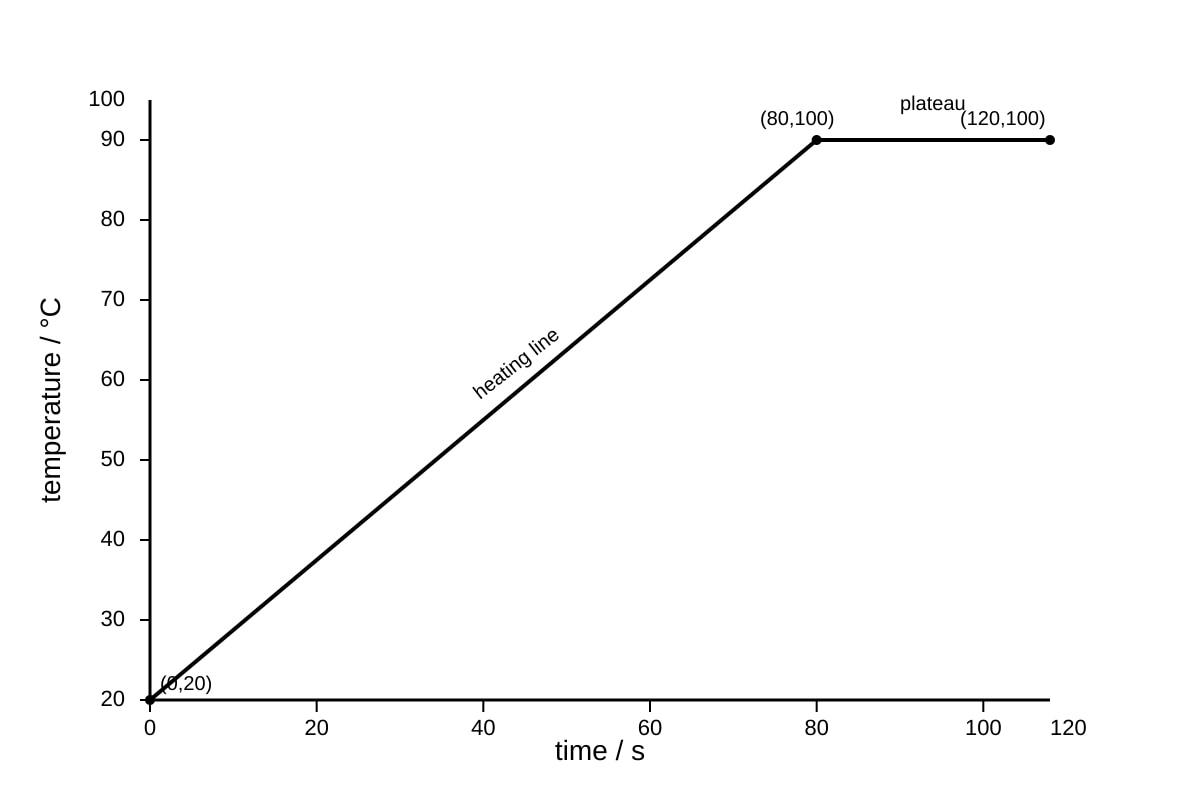
12. (a) Plateau because water is boiling; energy used for state change, temperature constant. [2]
(b) E = P × t = 1000 W × 120 s = 120 000 J (120 kJ). [3]
13. (a) 5 N. [1]
(b) Constant speed → net force zero → friction = pulling force. [2]
(c) W = F × d = 5 N × 4 m = 20 J. [2]
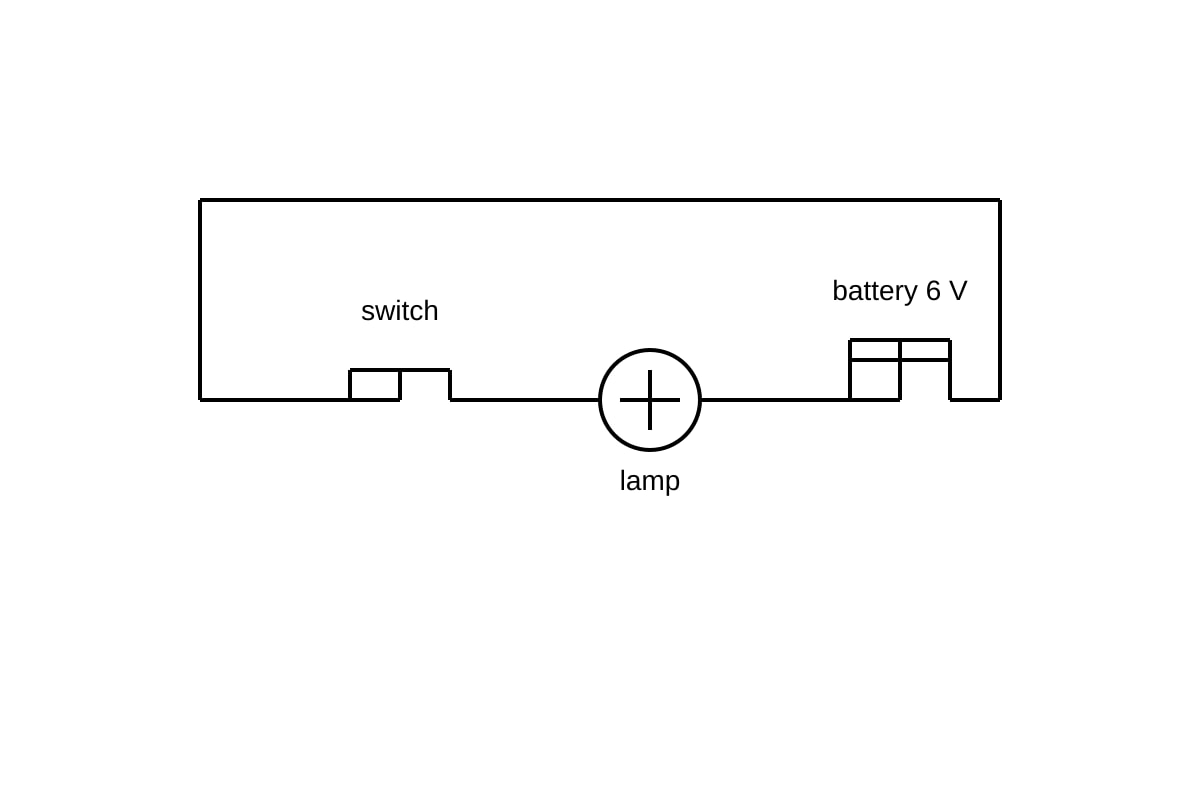
14. (a) Yes (circuit closed). [1]
(b) Total current increases; current splits equally in two branches. [2]
(c) e.g., fuse / earth wire / circuit breaker. [2]
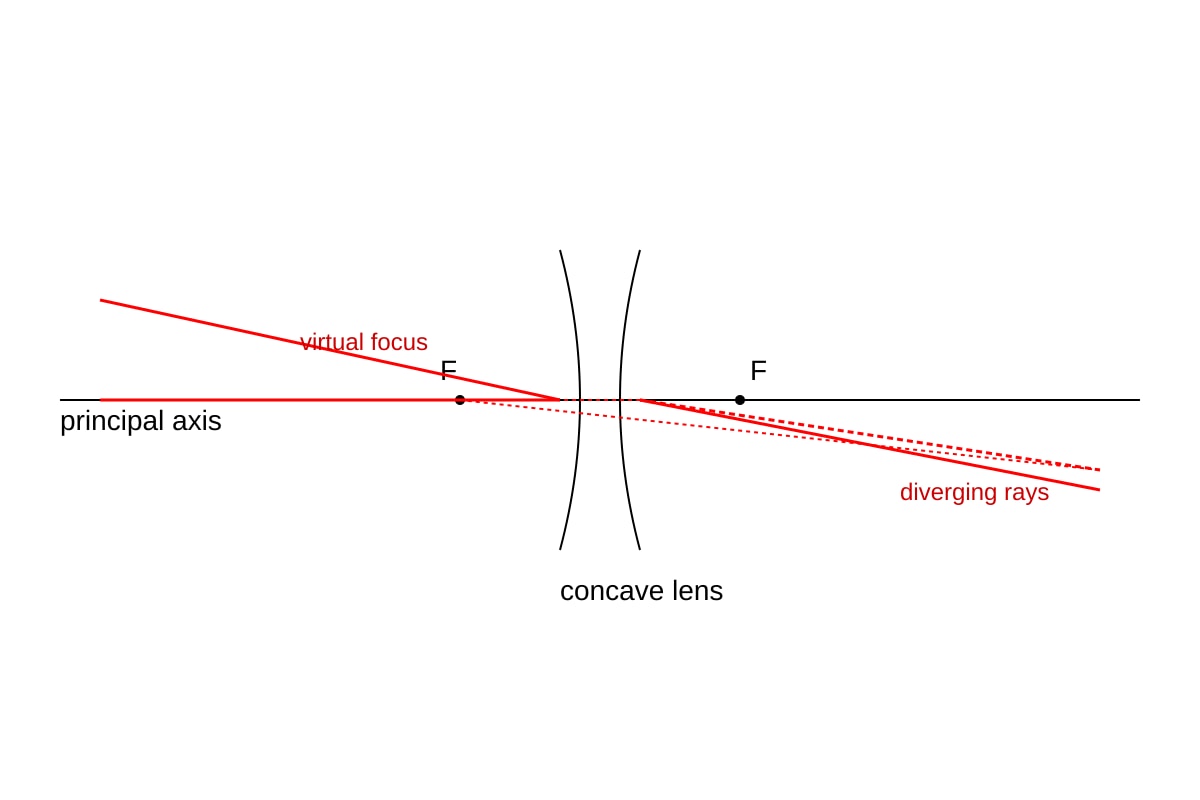
15. (a) Image is virtual, upright, diminished. [2]
(b) e.g., in spectacles for short-sight. [1]
(c) Rays diverge after lens, appear to come from focal point on same side; cannot be projected. [2]
16. (a) GPE = mgh = 2×10×3 = 60 J. [2]
(b) P = E/t = 60 J / 6 s = 10 W. [3]
Section C (10 marks)
17. Particles gain kinetic energy, move faster; at boiling, break free, become gas, move randomly. [2.5]
18. Chemical energy in battery → electrical energy → light + heat in bulb. [2.5]
19. AC in primary coil creates changing magnetic field, induces EMF in secondary coil via core. [2.5]
20. Distance is scalar total path length; displacement is vector shortest line from start to end. [2.5]
Total Marks: 60