From Real Exams Exam Paper
Secondary 4 Combined Science Biology Preliminary Examination Paper 4
Free Sec 4 Comb Sci Bio Prelim Paper 4, HY3 Exam version, with questions, answers, and O Level-style practice for Singapore students.
These static practice materials are generated from the site's syllabus and paper-generation workflow, with source and model context shown so students and parents can evaluate the material before use.
Questions

Free quiz and exam paper access
Enter your details to view this paper
Your access is remembered on this device.
Answers
TuitionGoWhere Exam Practice (AI) — PRELIM Practice Paper
Combined Science Biology Secondary 4 — Version 4 — Answer Key
Total Marks: 60
Section A Answers (16 marks)
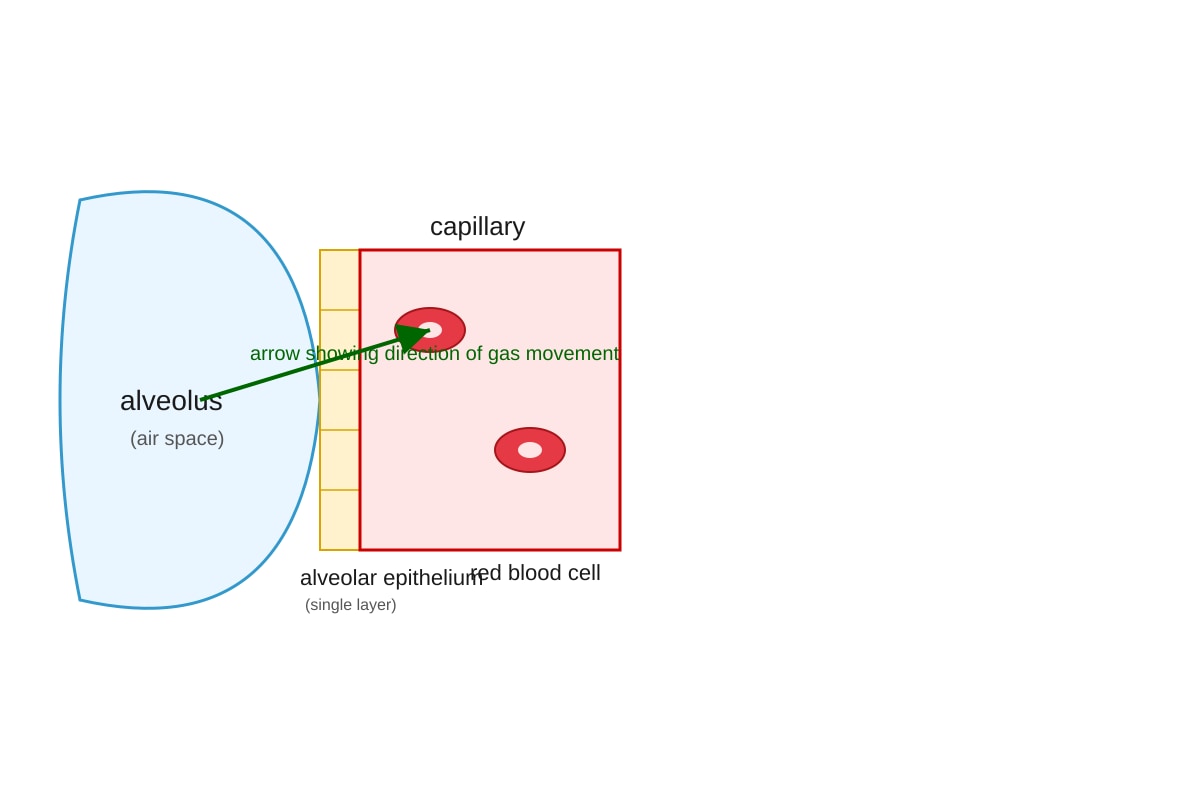
Q1 [1]
Answer: Diffusion
Teaching note: Oxygen moves from high concentration in air to lower concentration in blood/tissue fluid down a concentration gradient. This is passive and does not need energy. Common mistake: writing "osmosis" (water only) or "active transport".
Q2 [1]
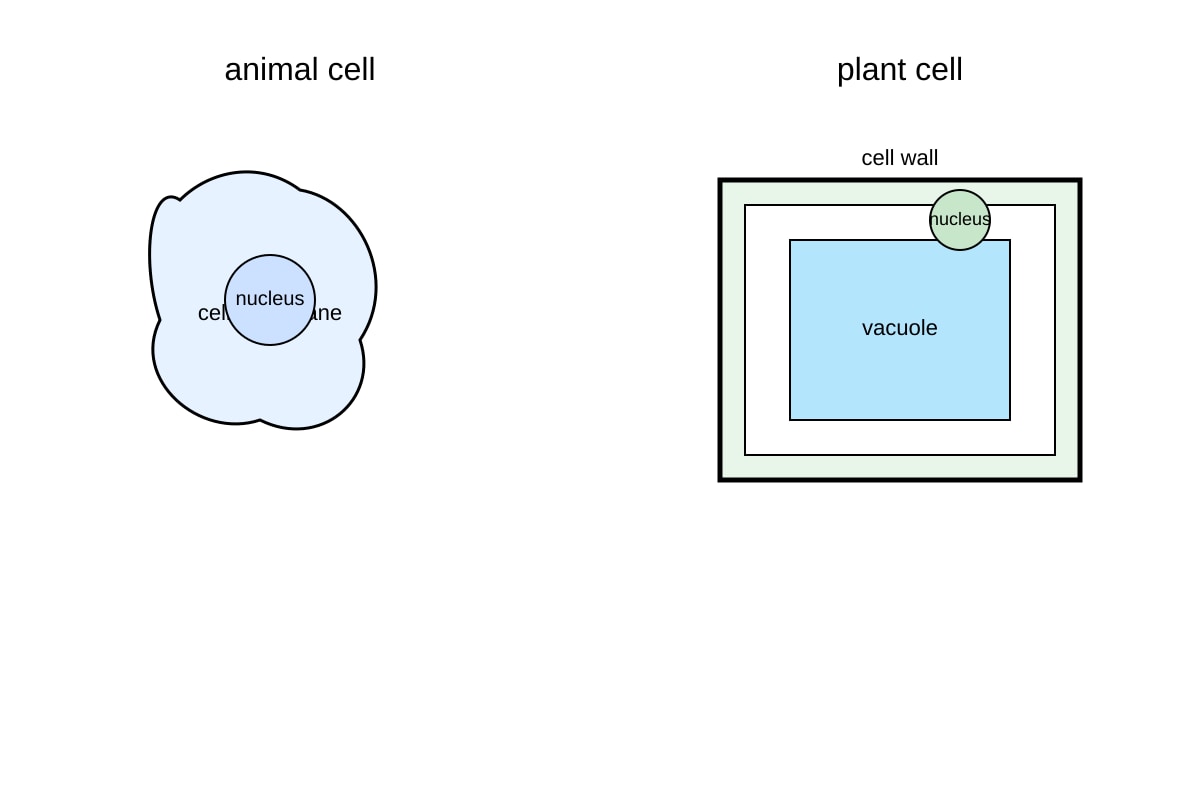
Answer: Chloroplast
Teaching note: The green oval organelle in plant cells is the chloroplast, site of photosynthesis. Common mistake: confusing with vacuole (large, not green) or nucleus (spherical, not green).
Q3 [1]
Answer: Cell wall is made of cellulose and is rigid/non-living; cell membrane is a living phospholipid bilayer that controls entry/exit. (Any one valid difference)
Teaching note: Plant cell wall gives shape and support; animal cell membrane is selectively permeable.
Q4 [1]
Answer: More space for haemoglobin / can carry more oxygen.
Teaching note: Lack of nucleus increases internal volume for haemoglobin, improving gas transport efficiency.
Q5 [1]
Answer: Protein
Teaching note: Proteins are polymers of amino acids linked by peptide bonds.
Q6 [1]
Answer: Osmosis
Teaching note: Osmosis is diffusion of water through partially permeable membrane; water moves from high ψ (water potential) to low ψ.
Q7 [2]
Answer: Muscle cells contract and need large amounts of ATP; mitochondria release energy via respiration to make ATP, so more mitochondria are needed. [2]
Marking: 1 mark for linking muscle function to energy need, 1 mark for mitochondria = ATP production.
Q8 [1]
Answer: Ribosome
Teaching note: Ribosomes translate mRNA to build proteins; found free or on RER.
Section B Answers (24 marks)
Q9 [3]
(a) [1] Diffusion
(b) [2] CO₂ moves from high concentration in cell to low in blood (gradient); diffusion is passive, no ATP needed.
Marking: 1 for gradient reason, 1 for passive/no energy.
Q10 [3]
Answer: Oxygen diffuses from alveolus air space across alveolar epithelium (1) into capillary (1) then into red blood cell (1) down concentration gradient.
Marking: 1 per named structure/crossing.
Q11 [3]
(a) [1] Sperm cell and egg cell
(b) [2] Liver cell is diploid (2n); gametes are haploid (n) with half DNA.
Marking: 1 for diploid reason, 1 for comparison to gamete.
Q12 [4]
(a) [1] 0.4 mol/dm³ (no net change)
(b) [3] At 0.0 mol/dm³, solution has higher water potential than potato cells; water enters by osmosis, increasing mass.
Marking: 1 water potential compare, 1 osmosis, 1 mass increase link.
Q13 [3]
(a) [1] Carbohydrate
(b) [2] Starch is branched/compact storage molecule; cellulose is straight chain for cell wall.
Marking: 1 each correct difference.
Q14 [2]
Answer: Cell wall and large vacuole (or chloroplasts if shown). [1 each]
Marking: 2 marks for two correct structures.
Q15 [2]
Answer: Flight muscle contracts continuously, high respiration rate, needs more ATP, so more mitochondria. [2]
Marking: 1 function, 1 organelle link.
Section C Answers (20 marks)
Q16 [6]
Answer:
- Inhaled O₂ into alveolus (1)
- Diffuses across alveolar epithelium (1)
- Into capillary blood, binds haemoglobin (1)
- Pulmonary vein → left atrium → left ventricle → aorta → coronary artery (1)
- Diffuses into heart tissue fluid (1)
- Across cell membrane into mitochondrion (1)
Teaching note: Name structures, show pathway, passive diffusion at exchange sites.
Q17 [6]
Answer:
- Diffusion: passive, no energy, e.g. O₂ into cell (2)
- Osmosis: passive water only, no energy, e.g. root hair water uptake (2)
- Active transport: needs ATP, e.g. glucose uptake in kidney (2)
Marking: 2 per process (definition, energy, example).
Q18 [4]
(a) [2] Animal cell (no wall/cloroplast); reason given.
(b) [2] Ribosomes make proteins; mitochondria provide ATP for synthesis.
Marking: clear link.
Q19 [4]
Answer: Leaf palisade has chloroplasts for photosynthesis (1); root hair no chloroplasts (underground) but mitochondria for active uptake (1); RBC none as no nucleus/ATP need (1); pancreas high mitochondria for protein secretion (1).
Marking: 1 per cell explanation.
Q20 [2]
Answer: Damaged membrane loses selective permeability; glucose may leak back or not be reabsorbed by active transport. [2]
Marking: 1 selective permeable, 1 effect on glucose.