AI Generated Quiz
Secondary 3 Tamil General Tamil Quiz
Free Sec 3 Tamil General Tamil quiz, AI version, with questions, answers, and O Level-style practice for Singapore students.
These static practice materials are generated from the site's syllabus and paper-generation workflow, with source and model context shown so students and parents can evaluate the material before use.
Questions
Free quiz and exam paper access
Enter your details to view this paper
Your access is remembered on this device.
Answers
Secondary 3 Tamil Quiz - General Tamil — Answer Key
Total Marks: 50
Section A: Reading Comprehension & Textual Analysis (Questions 1–5)
Question 1 (2 marks)
Answer: 'இருப்பினும்' என்ற சொல் 'எனினும்' அல்லது 'ஆயினும்' என்பதைக் குறிக்கிறது. இது ஒரு எதிர்ப்புச் சொல்லாகும் (conjunction of contrast). முந்தைய கருத்துக்கு மாறான ஒரு கருத்தை அறிமுகப்படுத்த இது பயன்படுகிறது.
Marking Notes:
- 1 mark for identifying it as a contrast conjunction
- 1 mark for providing the meaning (எனினும்/ஆயினும்)
Common Mistake: Students may confuse this with 'ஆனால்' which is also a contrast conjunction but used differently.
Question 2 (2 marks)
Answer: 'இளைய தலைமுறையினர்' என்ற சொற்றொடர் 'இளைஞர்கள்' அல்லது 'இளம் வயதினர்' அல்லது 'யுவ சமுதாயம்' என்பதைக் குறிக்கிறது. இது குழந்தைகள் மற்றும் இளைஞர்களைக் குறிக்கும் ஒரு சொற்றொடராகும்.
Marking Notes:
- 1 mark for identifying the meaning (இளைஞர்கள்/இளம் வயதினர்)
- 1 mark for explaining the context (younger generation)
Question 3 (3 marks)
Answer: பத்தியின் படி, தமிழ் மொழி வளர்ச்சிக்காக மேற்கொள்ளப்படும் இரண்டு முயற்சிகள்:
- தமிழ் மொழி விழா மற்றும் தமிழ் மொழி மாதம் போன்ற நிகழ்வுகள் நடத்தப்படுகின்றன.
- பள்ளிகளில் தமிழ் மொழி கற்றலுக்கான புதிய முறைகள் அறிமுகப்படுத்தப்பட்டுள்ளன.
Marking Notes:
- 1.5 marks for each correct point (total 3 marks)
- Accept paraphrased answers that convey the same meaning
Question 4 (2 marks)
Answer: தமிழ் மொழி வளர்ச்சிக்கு உள்ள சவால்: வீட்டில் தமிழ் பேசும் பழக்கம் குறைந்து வருவது. பெற்றோர்கள் தங்கள் பிள்ளைகளுடன் தமிழில் உரையாடுவது குறைந்து வருவதால், தமிழ் மொழி இளைய தலைமுறையினரிடம் நிலைத்திருப்பது கடினமாக உள்ளது.
Marking Notes:
- 1 mark for identifying the challenge (வீட்டில் தமிழ் பேசும் பழக்கம் குறைதல்)
- 1 mark for explaining the impact
Question 5 (3 marks)
Answer: பத்தியின் முக்கிய கருத்து: சிங்கப்பூரில் தமிழ் மொழி வளர்ச்சிக்காகப் பல முயற்சிகள் மேற்கொள்ளப்பட்டாலும், வீட்டில் தமிழ் பேசும் பழக்கத்தை ஊக்குவிப்பது மிகவும் முக்கியம். பள்ளி மற்றும் சமூக முயற்சிகள் மட்டும் போதாது; பெற்றோர்கள் தங்கள் பிள்ளைகளுடன் தமிழில் உரையாடுவதன் மூலம் மட்டுமே தமிழ் மொழி நிலைத்திருக்க முடியும்.
Marking Notes:
- 1 mark for identifying the positive efforts mentioned
- 1 mark for identifying the challenge
- 1 mark for the conclusion about parental role
- Accept well-reasoned alternative interpretations
Section B: Vocabulary & Language Usage (Questions 6–10)
Question 6 (2 marks)
Answer: 'கனிவு' என்ற சொல்லின் பொருள் 'அன்பு', 'இரக்கம்', 'மென்மை', அல்லது 'கருணை' ஆகும். இது ஒருவர் மற்றவரிடம் அன்பாகவும் மென்மையாகவும் நடந்து கொள்ளும் குணத்தைக் குறிக்கிறது.
Marking Notes:
- 1 mark for providing a synonym (அன்பு/இரக்கம்/கருணை)
- 1 mark for explaining the meaning in context
Common Mistake: Students may confuse 'கனிவு' with 'கனம்' (weight/heaviness).
Question 7 (3 marks)
Answer: 'கல்லும் கரையும்' என்ற பழமொழியின் பொருள்: தொடர்ந்து முயற்சி செய்தால், மிகவும் கடினமான காரியங்களும் நிறைவேறும். கல் மிகவும் கடினமான பொருள்; ஆனால் தொடர்ந்து தண்ணீர் பட்டால் கல்லும் கரையும். அதுபோல, விடாமுயற்சியுடன் செயல்பட்டால் எந்த கடினமான வேலையும் சாத்தியமாகும்.
Marking Notes:
- 1 mark for literal meaning
- 1 mark for figurative/moral meaning
- 1 mark for explanation/application
Common Mistake: Students may give only the literal meaning without explaining the figurative significance.
Question 8 (4 marks)
Answer:
- (அ) முயற்சி - (iii) முயற்சி செய்தல்
- (ஆ) வெற்றி - (i) வெற்றி
- (இ) ஊக்கம் - (iv) ஊக்கம்
- (ஈ) முன்னேற்றம் - (ii) முயற்சி
Marking Notes:
- 1 mark for each correct match (total 4 marks)
Explanation: This question tests vocabulary knowledge. 'முயற்சி' means 'effort' or 'attempt', 'வெற்றி' means 'success', 'ஊக்கம்' means 'encouragement' or 'motivation', and 'முன்னேற்றம்' means 'progress' or 'improvement'.
Question 9 (2 marks)
Answer: 'கடினமாக' என்ற சொல்லுக்கு மாற்றுச் சொல் 'கடுமையாக', 'மிகவும்', 'விடாமுயற்சியுடன்', அல்லது 'உறுதியாக' ஆகும்.
Marking Notes:
- 2 marks for any correct synonym
- 1 mark for partially correct answer
Common Mistake: Students may give 'கடினமான' which is an adjective form, not an adverb.
Question 10 (3 marks)
Answer: "ஆற்றில் போட்டாலும் அளந்து போடு" என்ற பழமொழி எச்சரிக்கையுடன் செயல்பட வேண்டும் என்பதை உணர்த்துகிறது. எந்த வேலையைச் செய்தாலும் முன்கூட்டியே திட்டமிட்டு, அளவோடு செய்ய வேண்டும். அவசரப்பட்டு அல்லது கணக்கில்லாமல் செயல்பட்டால் விளைவுகள் மோசமாக இருக்கும் என்பதை இது விளக்குகிறது.
Marking Notes:
- 1 mark for identifying the theme (caution/planning)
- 1 mark for explaining the meaning
- 1 mark for application/context
Common Mistake: Students may interpret this literally (about throwing things in a river) rather than figuratively.
Section C: Grammar & Sentence Construction (Questions 11–15)
Question 11 (2 marks)
Answer: "அவள் பாடம் படிக்கவில்லை." அல்லது "அவள் பாடம் படிப்பதில்லை."
Marking Notes:
- 2 marks for correct negative transformation
- 1 mark if the verb is correctly negated but the sentence structure is slightly off
Explanation: To change a positive sentence to negative in Tamil, we add the negative suffix to the verb. 'படிக்கிறாள்' becomes 'படிக்கவில்லை' (present negative) or 'படிப்பதில்லை' (habitual negative).
Question 12 (2 marks)
Answer: சரி செய்யப்பட்ட வாக்கியம்: "நான் நேற்று பள்ளிக்குச் சென்றேன்." (காலம் குறிக்கும் சொல் 'நேற்று' வினைச்சொல்லுக்கு முன் வர வேண்டும்.)
Marking Notes:
- 2 marks for correct sentence
- 1 mark for identifying the error but not fully correcting it
Explanation: In Tamil, time words (நேற்று) typically come before the verb but after the subject. The original sentence had the time word at the end, which is grammatically awkward. The correct word order is: Subject + Time + Place + Verb.
Question 13 (2 marks)
Answer: "அவன் நூலகத்திற்குச் சென்றானா?" அல்லது "அவன் நூலகத்திற்குச் சென்றானோ?"
Marking Notes:
- 2 marks for correct question transformation
- 1 mark if the question word is added but the verb form is incorrect
Explanation: To change a statement to a question in Tamil, we add the question suffix '-ஆ' to the verb. 'சென்றான்' becomes 'சென்றானா'.
Question 14 (2 marks)
Answer: பெயர்ச்சொல்: 'சூரியன்' (sun) மற்றும் 'கிழக்கு' (east).
Marking Notes:
- 1 mark for each correct noun identified (total 2 marks)
- Accept either one or both nouns
Explanation: A noun (பெயர்ச்சொல்) is a word that names a person, place, thing, or idea. 'சூரியன்' is a thing (sun) and 'கிழக்கு' is a direction/place (east).
Question 15 (3 marks)
Answer: "பாடல் மாணவர்களால் பாடப்பட்டது." அல்லது "பாடல் மாணவர்களால் பாடப்பட்டது."
Marking Notes:
- 3 marks for correct passive voice transformation
- 2 marks if the verb is correctly changed but the agent is missing
- 1 mark if partial transformation is attempted
Explanation: To change active voice to passive voice (செயப்பாட்டு வினை):
- The object (பாடலை) becomes the subject (பாடல்)
- The subject (மாணவர்கள்) becomes the agent with '-ஆல்' suffix (மாணவர்களால்)
- The verb changes to passive form (பாடினார்கள் → பாடப்பட்டது)
Section D: Writing & Creative Expression (Questions 16–20)
Question 16 (5 marks)
Sample Answer: எனக்குப் பிடித்த பள்ளி நாள் கடந்த வெள்ளிக்கிழமை. அன்று எங்கள் பள்ளியில் தமிழ் மொழி விழா நடைபெற்றது. நான் கவிதைப் போட்டியில் பங்கேற்றேன். எனது நண்பர்கள் அனைவரும் என்னை ஊக்குவித்தார்கள். ஆசிரியர்கள் எங்களுக்குப் பரிசுகள் வழங்கினார்கள். அந்த நாள் மிகவும் மகிழ்ச்சியான நாளாக இருந்தது.
Marking Notes (Descriptors):
- 5 marks: Excellent — Clear structure, relevant content, good vocabulary, minimal errors
- 4 marks: Good — Clear structure, relevant content, some vocabulary errors
- 3 marks: Satisfactory — Basic structure, some relevant content, noticeable errors
- 2 marks: Weak — Limited structure, minimal content, many errors
- 1 mark: Very weak — No clear structure, irrelevant content
- 0 marks: No attempt
Key Elements to Look For:
- Introduction to the day
- Description of activities
- Personal feelings/reflections
- Conclusion
Question 17 (5 marks)
Sample Answer:
அன்புள்ள ஆசிரியர் அவர்களுக்கு,
பள்ளியில் நடைபெறவிருக்கும் தமிழ் மொழி விழாவில் பங்கேற்க நான் மிகவும் ஆர்வமாக உள்ளேன். இது குறித்து உங்களிடம் அனுமதி கேட்க இம்மின்னஞ்சலை எழுதுகிறேன். விழாவில் கவிதைப் போட்டியில் பங்கேற்க விரும்புகிறேன். தயவுசெய்து எனக்கு அனுமதி வழங்குமாறு கேட்டுக்கொள்கிறேன்.
நன்றி, [உங்கள் பெயர்]
Marking Notes (Descriptors):
- 5 marks: Excellent — Proper email format, clear purpose, polite tone, good language
- 4 marks: Good — Proper format, clear purpose, minor language errors
- 3 marks: Satisfactory — Basic format, some clarity, noticeable errors
- 2 marks: Weak — Incomplete format, unclear purpose
- 1 mark: Very weak — No format, irrelevant content
- 0 marks: No attempt
Key Elements:
- Salutation (அன்புள்ள ஆசிரியர் அவர்களுக்கு)
- Purpose of email
- Specific request
- Closing (நன்றி)
- Signature
Question 18 (3 marks)
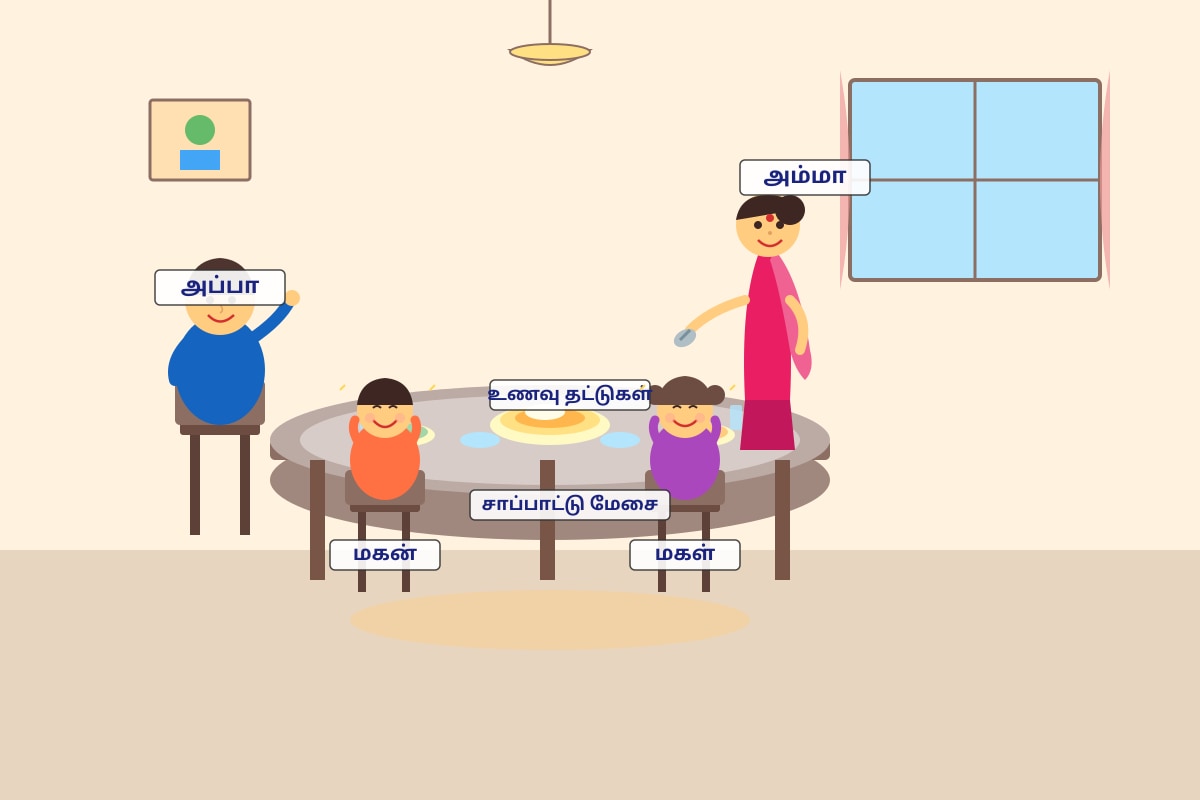
Sample Answer: படத்தில் ஒரு குடும்பம் இரவு உணவு அருந்திக் கொண்டிருக்கிறது. தாயார் உணவு பரிமாறுகிறார். தந்தை குழந்தைகளுடன் மகிழ்ச்சியாகப் பேசிக் கொண்டிருக்கிறார். குழந்தைகள் மகிழ்ச்சியுடன் சிரித்துக் கொண்டிருக்கிறார்கள். இது ஒரு மகிழ்ச்சியான குடும்பச் சூழலைக் காட்டுகிறது.
Marking Notes:
- 3 marks: Clear description of the scene with 3-4 sentences, good vocabulary
- 2 marks: Basic description with 2-3 sentences
- 1 mark: Minimal description with 1 sentence
- 0 marks: No attempt
Key Elements to Look For:
- Description of people (தாயார், தந்தை, குழந்தைகள்)
- Description of action (உணவு அருந்துதல், பேசுதல்)
- Description of atmosphere (மகிழ்ச்சி)
Question 19 (3 marks)
Sample Answer: "நேரம் பொன் போன்றது" என்ற கருத்து நேரத்தின் மதிப்பை விளக்குகிறது. பொன் விலைமதிப்புள்ளது போல, நேரமும் மிகவும் விலைமதிப்புள்ளது. வீணாக்கப்பட்ட நேரம் மீண்டும் கிடைக்காது. எனவே, நேரத்தைச் சரியாகப் பயன்படுத்த வேண்டும்.
Marking Notes:
- 3 marks: Clear explanation with 3-4 sentences, good reasoning
- 2 marks: Basic explanation with 2-3 sentences
- 1 mark: Minimal explanation with 1 sentence
- 0 marks: No attempt
Key Elements:
- Explanation of the metaphor (நேரம் = பொன்)
- Importance of time
- Consequence of wasting time
- Advice/application
Question 20 (5 marks)
Sample Answer: என் நண்பன் குமார் ஒரு நூலகத்திற்குச் சென்றான். அங்கு அவன் ஒரு புத்தகத்தைப் பார்த்தான். அந்தப் புத்தகம் அறிவியல் பற்றியது. அதைப் படிக்க அவனுக்கு மிகுந்த ஆர்வம் ஏற்பட்டது. அந்தப் புத்தகத்தைப் படித்த பிறகு அவனுக்கு நிறைய அறிவு கிடைத்தது.
Marking Notes (Descriptors):
- 5 marks: Excellent — All 5 words used, coherent story, good grammar, 40-50 words
- 4 marks: Good — All 5 words used, coherent story, minor errors
- 3 marks: Satisfactory — 4-5 words used, basic story, noticeable errors
- 2 marks: Weak — 3 words used, incomplete story
- 1 mark: Very weak — 1-2 words used, no clear story
- 0 marks: No attempt
Key Elements:
- All 5 words must be used: நண்பன், புத்தகம், நூலகம், ஆர்வம், அறிவு
- Logical sequence of events
- Proper sentence structure
- Word count approximately 40-50
— End of Answer Key —