AI Generated Quiz
Secondary 3 Social Studies Issue Analysis Quiz
Free Sec 3 Social Studies Issue Analysis quiz, HY3 AI version, with questions, answers, and O Level-style practice for Singapore students.
These static practice materials are generated from the site's syllabus and paper-generation workflow, with source and model context shown so students and parents can evaluate the material before use.
Questions
Free quiz and exam paper access
Enter your details to view this paper
Your access is remembered on this device.
Answers
Secondary 3 Social Studies Quiz - Issue Analysis (Answer Key)
Total Marks: 40
Caveat: Syllabus-first content from inferred patterns; not past-year derived.
Q1 (1m): Trade-off means a balance or compromise where gaining one benefit requires giving up another (e.g., more parks vs fewer car parks).
Teaching note: In Issue 1, policies involve trade-offs because resources are limited and interests conflict.
Q2 (1m): Any one: makes/passes laws; implements/enforces laws; interprets laws; maintains law and order; ensures economic/social well-being; promotes national interests.
Teaching note: Government functions are from syllabus Issue 1.
Q3 (1m): Race, ethnicity, religion, socioeconomic status, or nationality.
Teaching note: These are identity factors from Issue 2.
Q4 (1m): Assimilation = adopt majority; Integration = mutual adaptation. Contrast word: "adopt" vs "mutual".
Teaching note: Key distinction in Issue 2 diversity response.
Q5 (1m): e.g., technology, trade, migration, capital flows (any driving force).
Teaching note: Issue 3 globalisation forces.
Q6 (1m): Participating in public affairs, volunteering, obeying laws, contributing to community.
Teaching note: Active citizenship goes beyond legal status.
Q7 (1m): Differing needs, competing demands, unequal cost sharing.
Teaching note: Challenges from Issue 1.
Q8 (1m): Government-financed aid (e.g., ComCare) or shared responsibility (e.g., community drives).
Teaching note: Socio-economic diversity responses Issue 2.
Q9 (1m): Good leadership; anticipating change; stake for everyone; meritocracy.
Teaching note: Principles of governance Issue 1.
Q10 (1m): Because of potential conflict, competition for resources, stereotypes.
Teaching note: Harmony requires effort, not automatic.
Q11 (2m): Tension between elderly (health) and drivers (parking). Marking: 1m identify groups, 1m explain conflict.
Answer: Elderly want cycling path for health; drivers lose parking – shows competing interests.
Q12 (2m): Trade-off: health benefit vs parking loss. 1m state, 1m explain gov considers both.
Answer: Gov must balance cyclists' and drivers' needs.
Q13 (2m): Stereotyping in schools despite valuing harmony. 1m identify, 1m link to challenge.
Answer: Casual stereotyping shows prejudice persists.
Q14 (2m): Citizens can run anti-stereotype campaigns. 1m action, 1m relevance.
Answer: Peer education reduces prejudice.
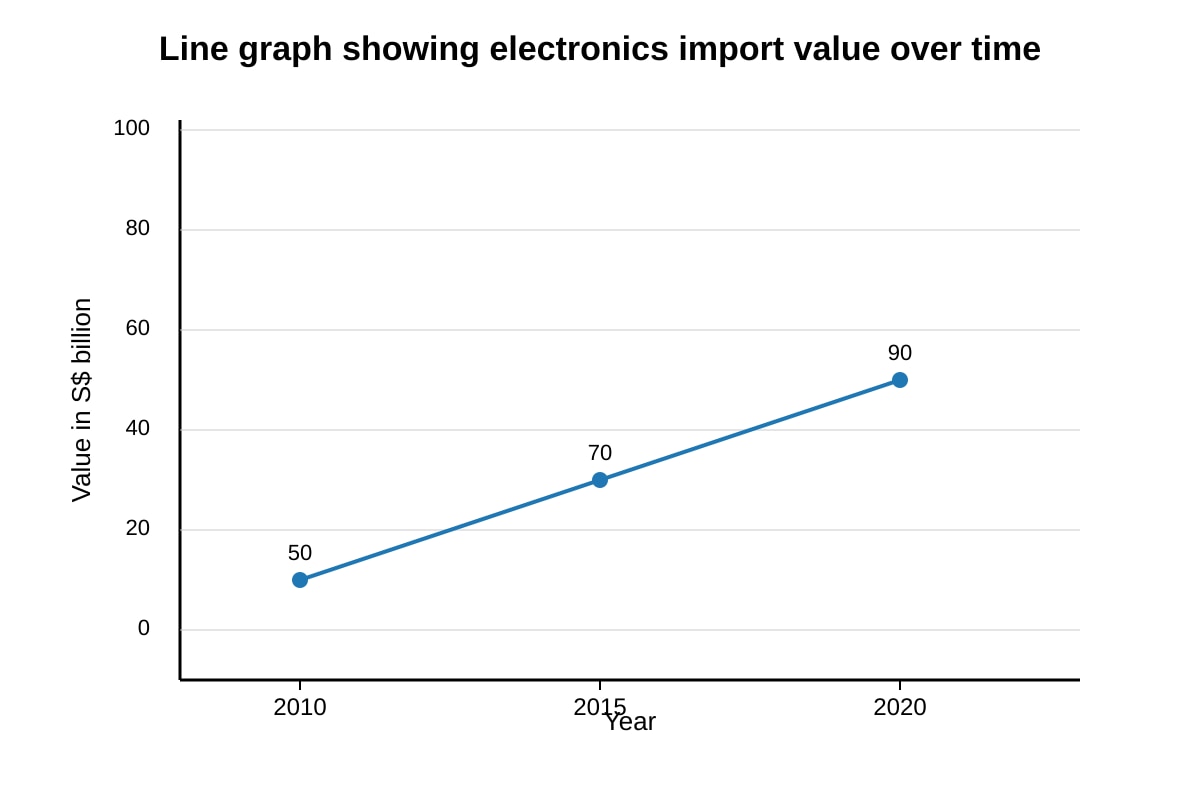
Q15 (2m): Increased imports show integration into global economy. 1m trend, 1m effect.
Answer: Graph shows rise; Singapore more dependent on global trade.
Q16 (2m): Citizens engage in dialogues, gov provides platform. 1m each.
Answer: Town councils + resident committees co-solve issues.
Q17 (2m): Challenge: unequal sharing of costs (e.g., taxes). 1m state, 1m explain.
Answer: Rich may feel over-taxed, poor need support.
Q18 (2m): Minorities forced to lose culture → resentment. 1m cause, 1m tension.
Answer: Assimilation ignores identity, causing conflict.
Q19 (2m): Opportunities: jobs; threats: job loss to foreign firms. 1m each.
Answer: Globalisation opens markets but increases competition.
Q20 (2m): Anticipating change keeps policies relevant. 1m principle, 1m eval.
Answer: E.g., reskilling programmes prepare for tech shifts.