AI Generated Exam Paper
Secondary 3 Social Studies Practice Paper 4
Free Sec 3 Social Studies Practice Paper 4, HY3 AI version, with questions, answers, and O Level-style practice for Singapore students.
These static practice materials are generated from the site's syllabus and paper-generation workflow, with source and model context shown so students and parents can evaluate the material before use.
Questions
TuitionGoWhere Practice Paper - Social Studies Secondary 3
TuitionGoWhere Practice Paper (AI) — Version 4
Subject: Social Studies
Level: Secondary 3
Paper: Practice Paper (Source Based Skills)
Duration: 1 hour 15 minutes
Total Marks: 40
Name:
Class:
Date:
Caveat: No past-year exam templates were available for this topic. This practice paper is generated from the 2023 Upper Secondary Social Studies syllabus (Issue 1–3 source-based skills) and is not derived from any real O-Level or school exam paper.
Instructions:
- This paper contains 20 questions across three sections.
- Section A: 10 multiple-choice questions (1 mark each).
- Section B: 5 short structured questions (2 marks each).
- Section C: 5 source-based questions (2 marks each).
- Answer all questions in the spaces provided.
- Use the sources provided in the questions to support your answers where required.
Section A (10 marks)
Answer all questions. 1 mark each.
1. A poster shows citizens queuing to vote during a national election. Which citizenship attribute is best illustrated?
A) Legal status
B) Passive observation
C) Foreign residency
D) Economic migration
2. A government report states it built new public housing and clinics. Which function of government is shown?
A) Interpreting laws
B) Ensuring economic and social well-being
C) Conducting foreign wars
D) Removing citizenship
3. A policy gives tax breaks to low-income families but raises taxes for the rich. This shows a:
A) Trade-off
B) Stereotype
C) Globalisation
D) Assimilation
4. A school celebrates Cultural Harmony Week with food from many races. This supports:
A) Assimilation
B) Discrimination
C) Integration
D) Segregation
5. An article says cheaper imports hurt local factories. This is a challenge of:
A) Governance
B) Globalisation
C) Identity
D) Meritocracy
6. A citizen writes to MPs about a noisy construction site. This is an example of:
A) Civic participation
B) Legal status loss
C) Assimilation
D) Prejudice
7. A graph shows rising income gap between top and bottom 20%. Government response using charity and state aid is:
A) Government-financed only
B) Shared responsibility
C) Assimilation
D) Integration
8. A photo shows people of different religions at a community dinner. The concept shown is:
A) Diversity
B) Trade-off
C) Meritocracy
D) Nationality loss
9. A source says leaders must plan for future technology changes. This principle is:
A) Stake for everyone
B) Anticipating change and staying relevant
C) Assimilation
D) Harmony by force
10. A table shows Singapore imports most of its food. This indicates:
A) Self-sufficiency
B) Global interconnectedness
C) Isolation
D) Assimilation
Section B (10 marks)
Answer all questions. 2 marks each.
11. A speech says: "The government built MRT lines so workers can reach jobs." Explain one role of government shown. (2m)
12. A survey shows youths think helping neighbours is "not my job". Give one way to build active citizenship. (2m)
13. Source: A town has Hindus, Muslims, Christians. A fight breaks out over a prayer site. State one challenge of diversity. (2m)
14. A policy forces minorities to speak only the majority language at school. Name the government approach and one tension. (2m)
15. An article says a factory moved to Vietnam due to cheaper wages. State one response of workers in Singapore. (2m)
Section C (20 marks)
Answer all questions using sources. 2 marks each.
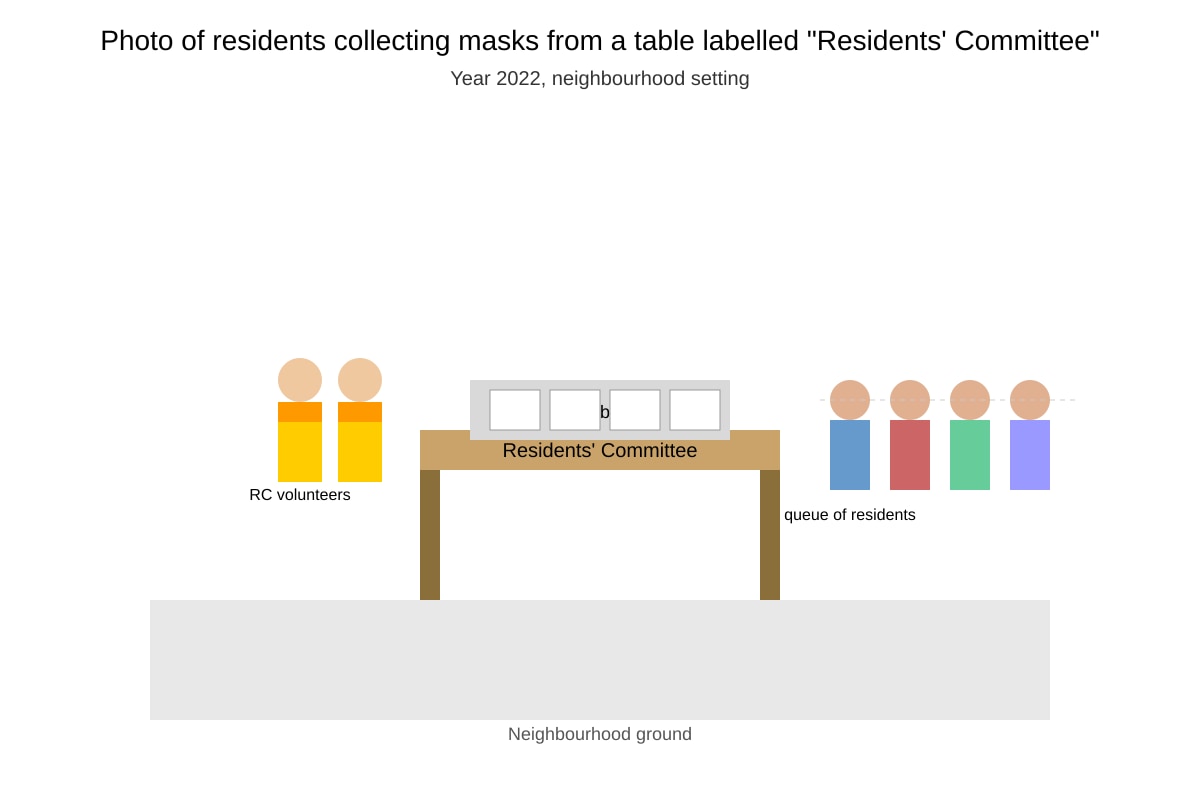
16. Source A: A 2022 photo of a community mask-distribution event by RC. What citizenship action is shown? (2m)
Image pending generation: source_image for Q16.
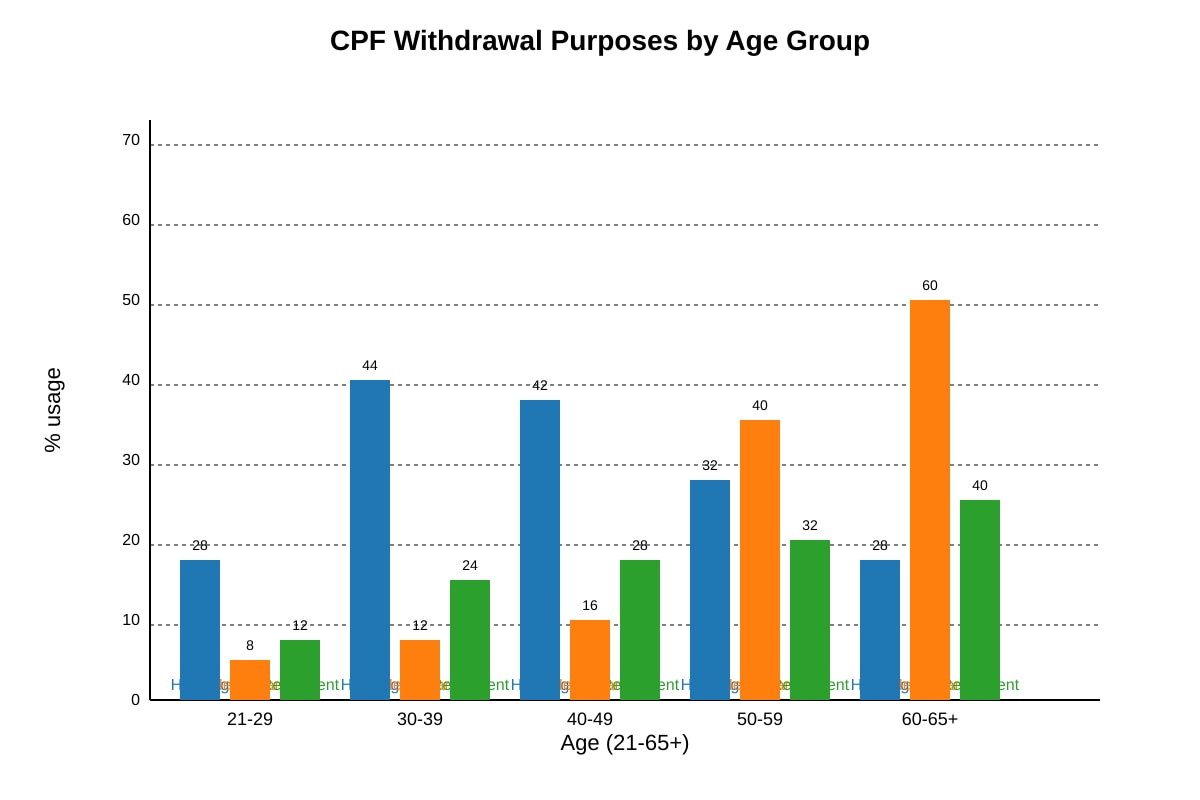
17. Source B: Chart of CPF usage by age. Why is this a government ensuring well-being? (2m)
Image pending generation: chart for Q17.
18. Source C: Letter from resident on noise. Which civic participation method is used? (2m)
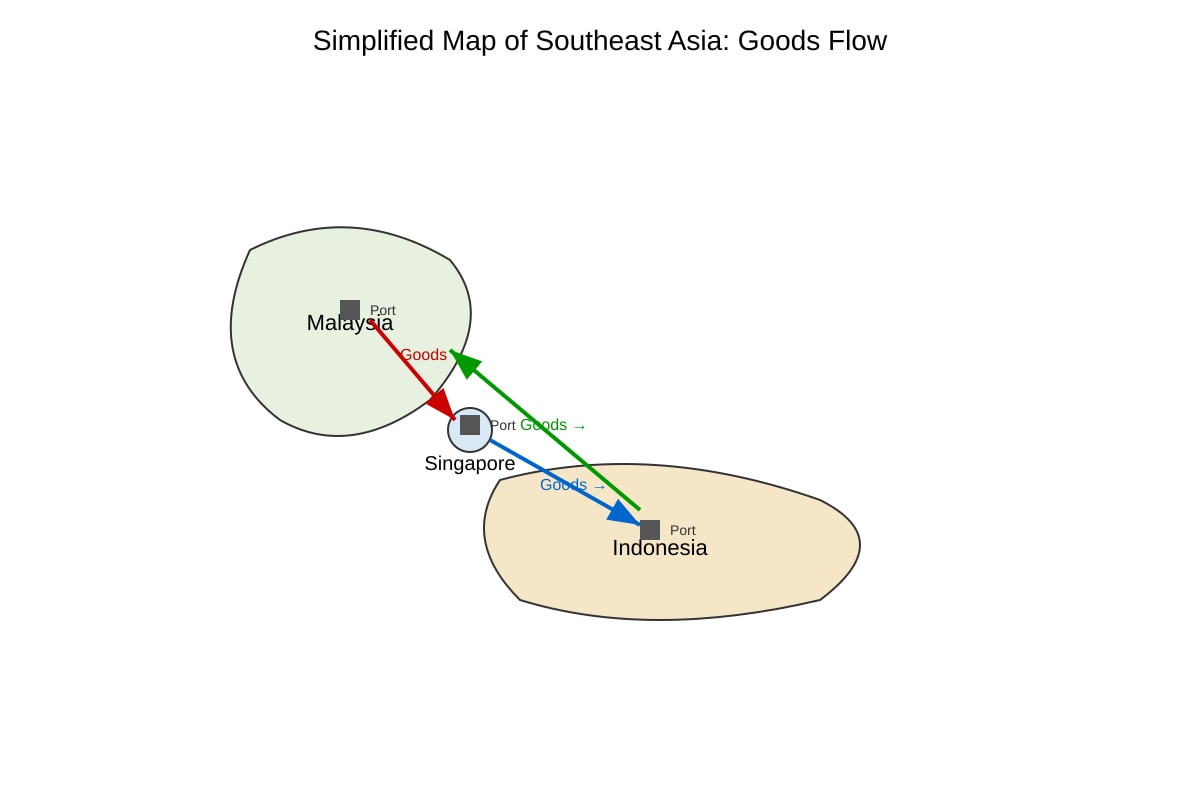
19. Source D: Map of ASEAN trade routes. How does this show globalisation? (2m)
Image pending generation: map for Q19.
20. Source E: Excerpt on racial harmony day. State one way schools respond to diversity. (2m)
Answers
TuitionGoWhere Practice Paper Answers — Social Studies Secondary 3 (Version 4)
Total Marks: 40
Answers are syllabus-aligned teaching notes, not exam-derived.
Section A Answers (10m)
1. A (1m)
Legal status includes rights/obligations like voting. Voting queue shows citizen right.
Teaching note: Citizenship = legal status + active role. Photo of voting = legal exercise.
2. B (1m)
Housing/clinics = social well-being function.
Mistake: Do not pick "interprets laws" (courts do that).
3. A (1m)
Tax shift balances groups = trade-off.
Concept: Trade-off = balancing competing needs.
4. C (1m)
Multiple cultures shared = integration (keep identity, mix).
Assimilation would erase minority culture.
5. B (1m)
Import effect on local = globalisation challenge.
6. A (1m)
Writing MPs = civic participation in public affairs.
7. B (1m)
Charity + state = shared responsibility approach.
8. A (1m)
Diff religions together = diversity.
9. B (1m)
Plan for tech = anticipating change principle.
10. B (1m)
Food import = global interconnectedness.
Section B Answers (10m)
11. (2m)
Role: Ensures economic and social well-being (1m) by providing transport for work access (1m).
Marking: 1 for role name, 1 for link to MRT.
12. (2m)
e.g., school projects with neighbours (1m) to build belonging (1m).
Accept: volunteering, CC groups.
13. (2m)
Challenge: conflict over religious space (1m) due to differing beliefs (1m).
14. (2m)
Approach: Assimilation (1m). Tension: minorities lose mother tongue (1m).
15. (2m)
Response: retrain for new jobs (1m) or switch industry (1m).
Section C Answers (20m)
16. (2m)
Action: Civic participation by RC (1m) helping community in crisis (1m).
Image needed: Q16-fig1 shows RC vests + masks.
17. (2m)
CPF for healthcare/housing (1m) shows govt ensures well-being via savings (1m).
Chart: Q17-fig1 bars show usage rise.
18. (2m)
Method: Feedback to authority (1m) = civic participation (1m).
19. (2m)
Map arrows show cross-border trade (1m) = globalisation linkage (1m).
Map: Q19-fig1 must show routes.
20. (2m)
School: Racial Harmony Day (1m) promotes harmony (1m).
Free quiz and exam paper access
Enter your details to view this paper
Your access is remembered on this device.