From Real Exams Exam Paper
Secondary 3 Combined Science Semestral Assessment 2 (End of Year) Paper 1
Free Sec 3 Combined Sci SA2 Paper 1, HY3 Exam version, with questions, answers, and O Level-style practice for Singapore students.
These static practice materials are generated from the site's syllabus and paper-generation workflow, with source and model context shown so students and parents can evaluate the material before use.
Questions
TuitionGoWhere Exam Practice (AI) — Combined Science Secondary 3
School: TuitionGoWhere Secondary School (AI)
Subject: Combined Science
Level: Secondary 3
Paper: SA2 Practice Paper (Version 1 of 5)
Duration: 60 minutes
Total Marks: 60
Name: ______________________
Class: ________
Date: ______________
Instructions:
- Answer all questions in the spaces provided.
- Show your working clearly for calculation questions.
- Use a calculator where permitted.
- Section marks are shown at the start of each section.
Section A: Physical Sciences — Short Answer & Structured (Marks: 20)
- State the Principle of Conservation of Energy. [2]
- A box of mass 5.0 kg is lifted vertically by 2.0 m. Calculate the gain in gravitational potential energy. Use g=10 N/kg. [2]
- A car travels at constant speed of 15 m/s for 10 s. Calculate the distance travelled. [2]
- Define scalar and vector quantities. Give one example of each. [2]
Scalar: ___________________________________________________
Vector: ___________________________________________________
- A force of 20 N is applied to push a block 4.0 m in the direction of the force. Calculate the work done. [2]
- State one form of energy that is stored and one form that is associated with motion. [2]
Stored: ______________________
Motion: ______________________
- A spring is stretched by hanging a 2.0 N weight, extending it by 0.10 m. Calculate the spring constant k. [2]
- Explain why a falling object reaches terminal velocity. [2]
- A battery supplies 6.0 V to a resistor of 3.0 Ω. Calculate the current flowing. [2]
- State the difference between series and parallel circuits in terms of current. [2]
Section B: Physical Sciences — Diagram & Data Interpretation (Marks: 20)
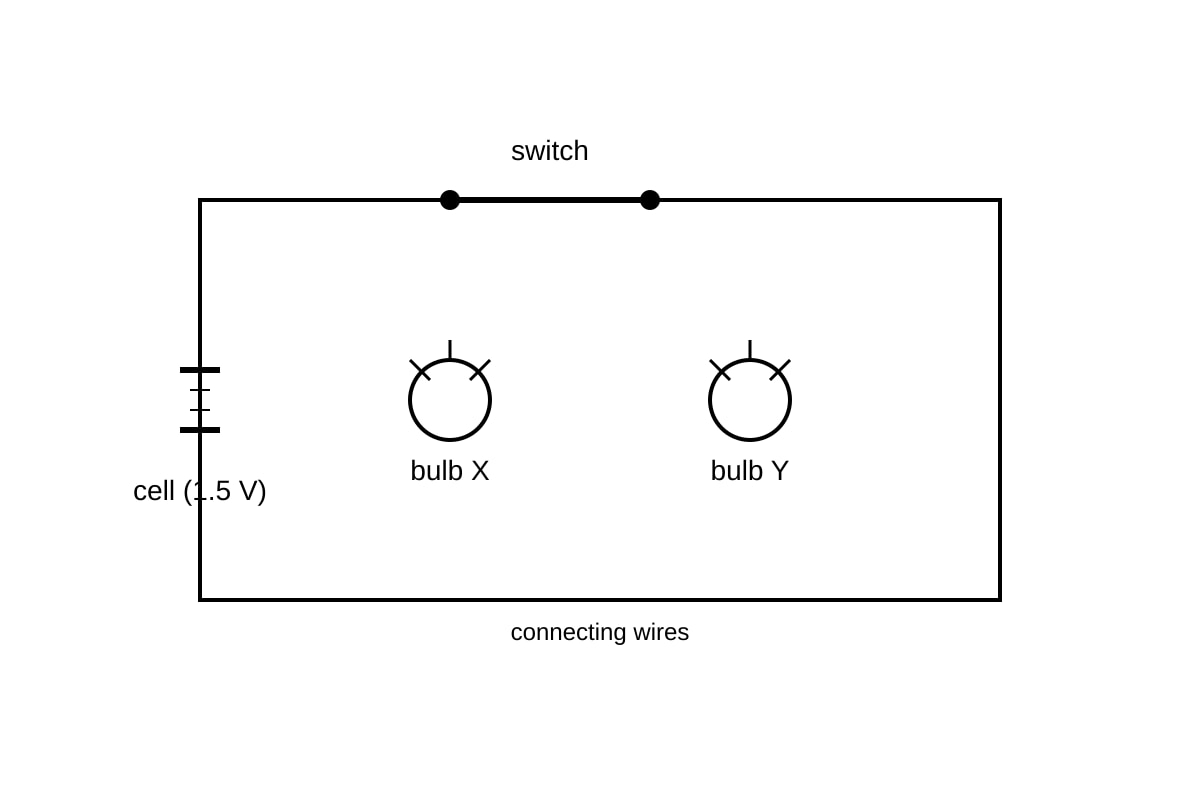
- The diagram shows a simple circuit with a cell, switch, and two bulbs.
Image pending generation: diagram for Q11.
State whether bulb X and bulb Y are in series or parallel. [1]
- Using the circuit in Q11, if the current through the cell is 0.30 A, calculate the total resistance of the circuit. [2]
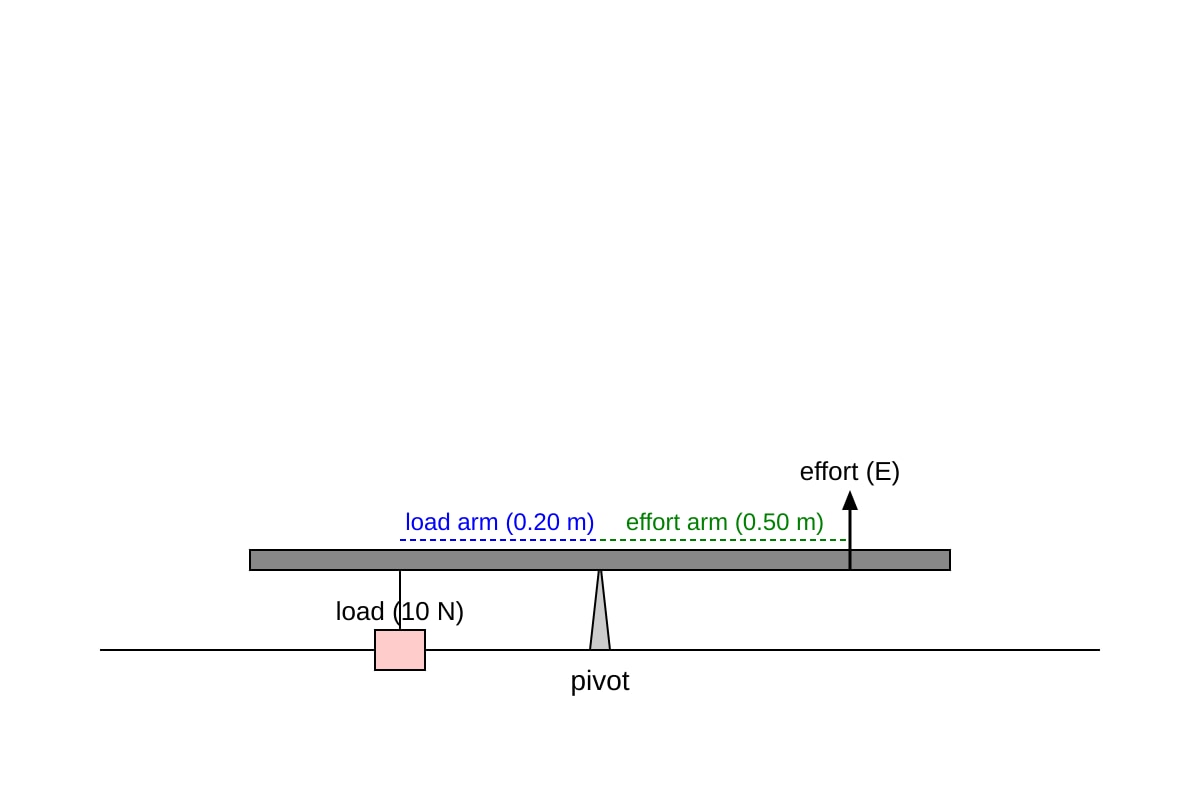
- The diagram shows a lever with a load and effort applied.
Image pending generation: diagram for Q13.
Calculate the effort E needed for equilibrium. [2]
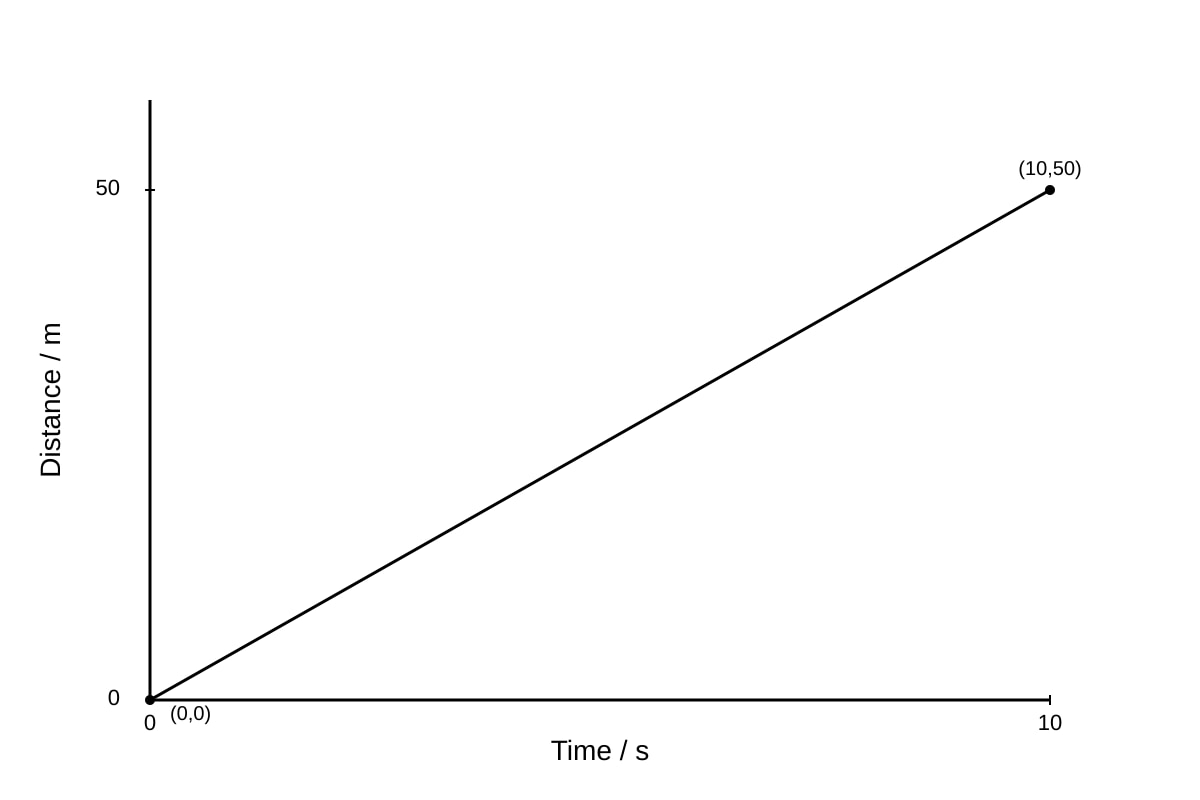
- A graph shows distance against time for a cyclist.
Image pending generation: graph for Q14.
Calculate the average speed of the cyclist. [2]
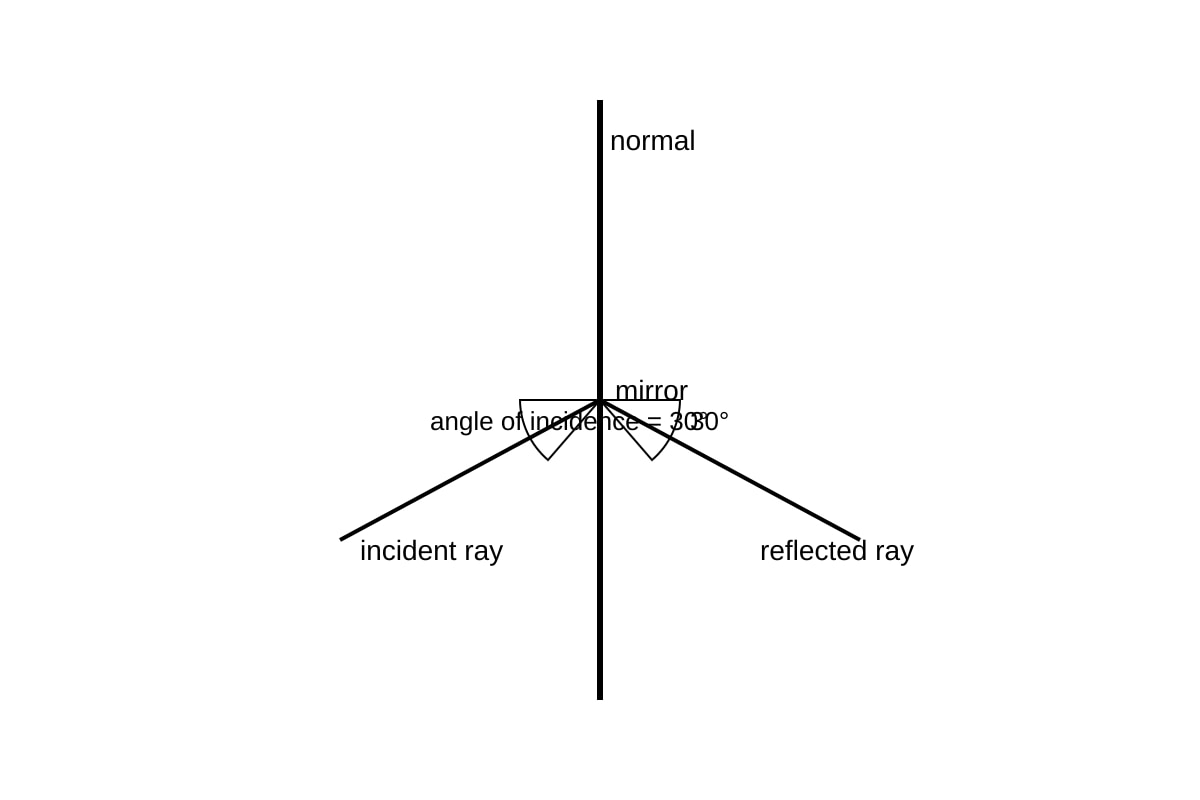
- The diagram shows a ray of light hitting a plane mirror.
Image pending generation: diagram for Q15.
State the angle of reflection. [1]
- Using the mirror in Q15, calculate the angle between the incident ray and the reflected ray. [2]
- A block of mass 4.0 kg rests on a table. Calculate the weight of the block. Use g=10 N/kg. [2]
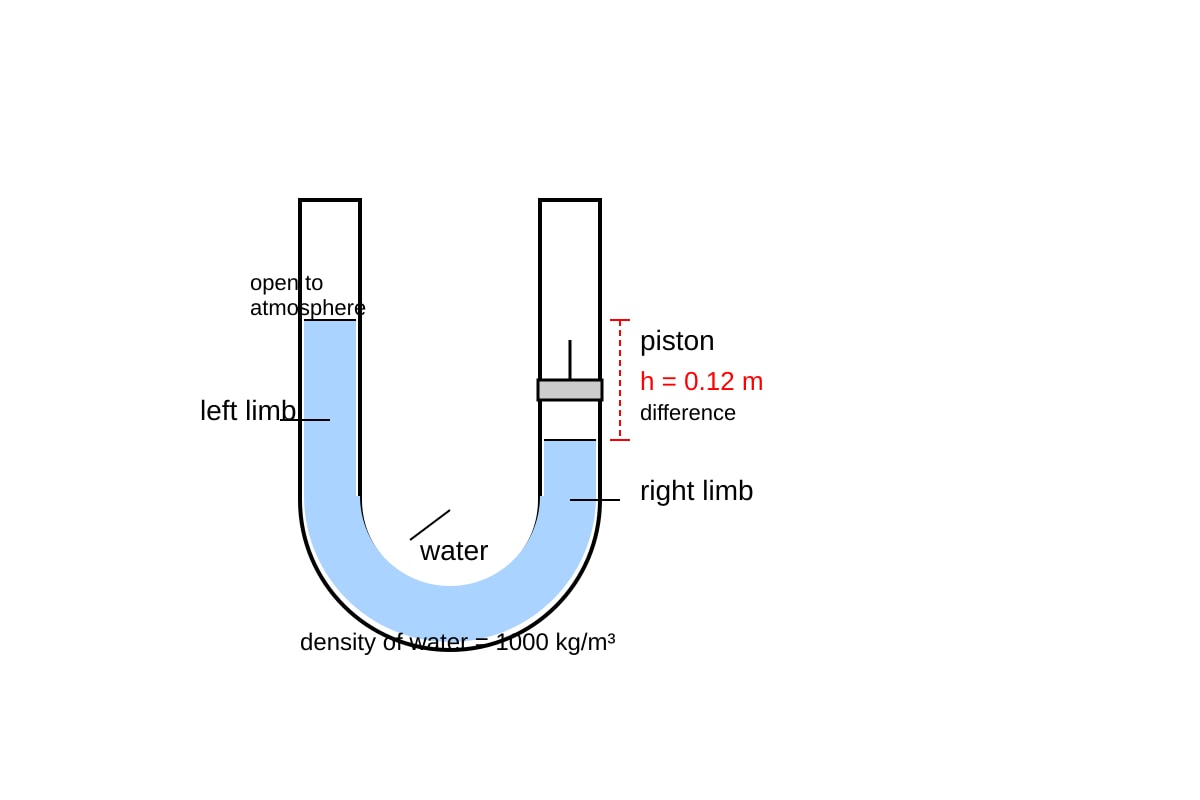
- The diagram shows a U-tube with water.
Image pending generation: diagram for Q18.
Calculate the pressure due to the water column difference. Use g=10 N/kg. [2]
- State one advantage of using a parallel circuit in a household. [2]
- A pendulum swings from highest point A to lowest point B. State the energy change from A to B. [2]
End of Paper
Answers
TuitionGoWhere Exam Practice (AI) — Combined Science Secondary 3
Answer Key: SA2 Practice Paper (Version 1 of 5)
Total Marks: 60
Section A Answers (Marks: 20)
Q1 [2 marks]
Energy cannot be created or destroyed, only converted from one form to another; total energy in a closed system is constant.
Teaching note: Principle of Conservation of Energy means the total energy stays the same, only changes form (e.g., KE → PE). Common mistake: saying energy is "lost" instead of converted.
Q2 [2 marks]
GPE=mgh=5.0×10×2.0=100 J
Working: m=5.0 kg,g=10 N/kg,h=2.0 m.
Teaching note: Gravitational potential energy =mgh. Unit is joule (J).
Q3 [2 marks]
distance=v×t=15×10=150 m
Working: v=15 m/s,t=10 s.
Teaching note: Distance = speed × time for constant speed.
Q4 [2 marks]
Scalar: quantity with magnitude only (e.g., mass, speed). Example: 5 kg.
Vector: quantity with magnitude and direction (e.g., force, velocity). Example: 10 N downwards.
Teaching note: Scalar = no direction; vector = has direction.
Q5 [2 marks]
W=F×d=20×4.0=80 J
Working: F=20 N,d=4.0 m.
Teaching note: Work done =force×distance in direction of force.
Q6 [2 marks]
Stored: chemical / gravitational / elastic (any one).
Motion: kinetic.
Teaching note: Stored = potential forms; motion = kinetic energy.
Q7 [2 marks]
k=F÷x=2.0÷0.10=20 N/m
Working: F=2.0 N,x=0.10 m.
Teaching note: Hooke's Law: F=kx, so k=F/x.
Q8 [2 marks]
As object falls, air resistance increases with speed. Eventually resistive force equals weight; resultant force zero, so constant velocity (terminal) reached.
Teaching note: Terminal velocity when drag = weight.
Q9 [2 marks]
I=V/R=6.0/3.0=2.0 A
Working: V=6.0 V,R=3.0 Ω.
Teaching note: Ohm's Law I=V/R.
Q10 [2 marks]
Series: same current through all components. Parallel: current splits, different branches.
Teaching note: In series current same everywhere; in parallel total current = sum of branch currents.
Section B Answers (Marks: 20)
Q11 [1 mark]
Series.
Teaching note: Single loop, same current through both bulbs.
Q12 [2 marks]
R=V/I=1.5/0.30=5.0 Ω
Working: V=1.5 V,I=0.30 A.
Teaching note: Total resistance from R=V/I.
Q13 [2 marks]
Clockwise moment = anticlockwise: E×0.50=10×0.20
E=(10×0.20)/0.50=4.0 N
Teaching note: Moments balance at equilibrium.
Q14 [2 marks]
speed=distance/time=50/10=5.0 m/s
Teaching note: Gradient of distance-time graph = speed.
Q15 [1 mark]
30∘
Teaching note: Law of reflection: angle of reflection = angle of incidence.
Q16 [2 marks]
Angle between incident and reflected ray = 30∘+30∘=60∘
Teaching note: Each ray 30∘ from normal on opposite sides.
Q17 [2 marks]
W=mg=4.0×10=40 N
Working: m=4.0 kg,g=10 N/kg.
Teaching note: Weight is a force in newtons.
Q18 [2 marks]
p=ρgh=1000×10×0.12=1200 Pa
Working: ρ=1000,g=10,h=0.12.
Teaching note: Liquid pressure p=ρgh.
Q19 [2 marks]
If one bulb fails, others stay on; same voltage across each branch.
Teaching note: Parallel allows independent operation.
Q20 [2 marks]
Gravitational potential energy → kinetic energy.
Teaching note: At A: max GPE; at B: max KE.
Total: 60 marks
Free quiz and exam paper access
Enter your details to view this paper
Your access is remembered on this device.