AI Generated Quiz
Secondary 3 Biology Plant Biology Quiz
Free Sec 3 Biology Plant Biology quiz, Kimi2.6 AI version, with questions, answers, and O Level-style practice for Singapore students.
These static practice materials are generated from the site's syllabus and paper-generation workflow, with source and model context shown so students and parents can evaluate the material before use.
Questions
Free quiz and exam paper access
Enter your details to view this paper
Your access is remembered on this device.
Answers
Secondary 3 Biology Quiz - Plant Biology: Answer Key
Total Marks: 40 marks
Section A: Multiple Choice (Questions 1–10)
| Question | Answer | Explanation |
|---|---|---|
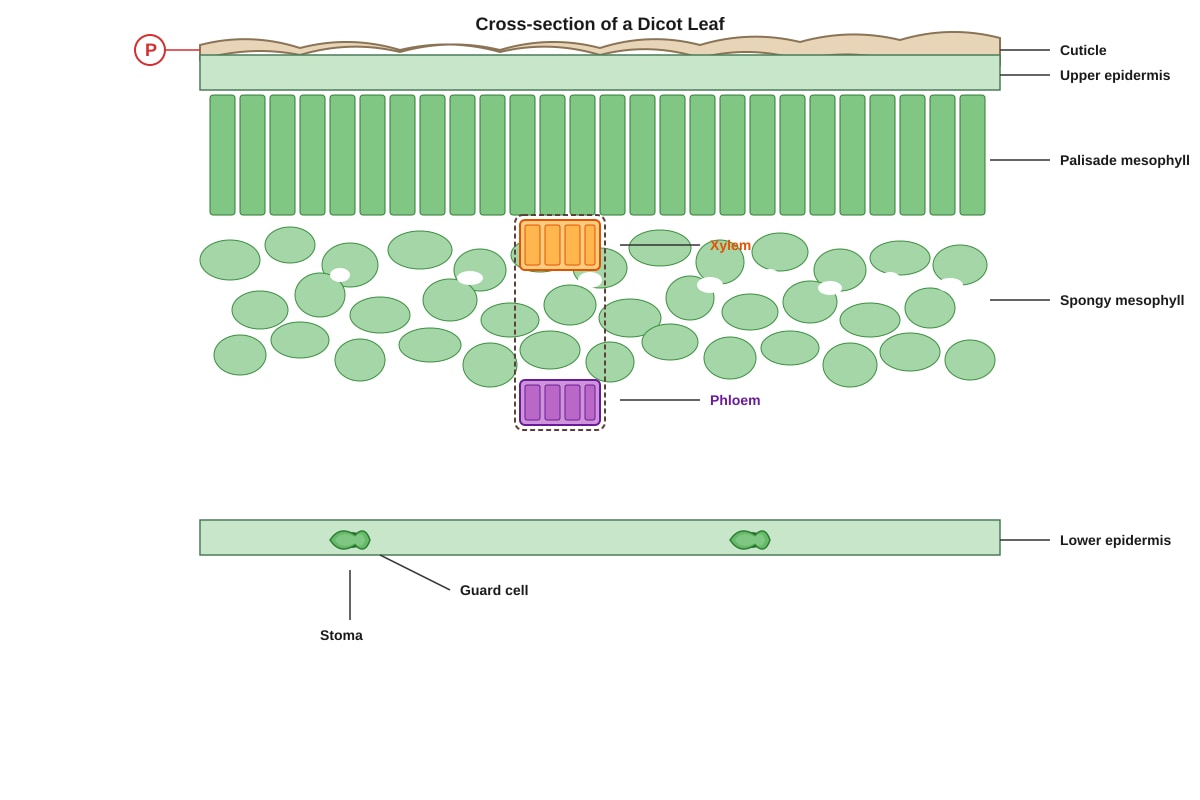
| 1 | B | Palisade mesophyll cells are elongated, tightly packed, and contain the highest concentration of chloroplasts in the leaf, making them the primary site of photosynthesis. |
| 2 | B | The cuticle is a waxy, waterproof layer that covers the epidermis and prevents excessive water loss through evaporation. |
| 3 | C | Transpiration pull (cohesion-tension theory) is the main mechanism; evaporation from leaf surfaces creates negative pressure that pulls water up the xylem. |
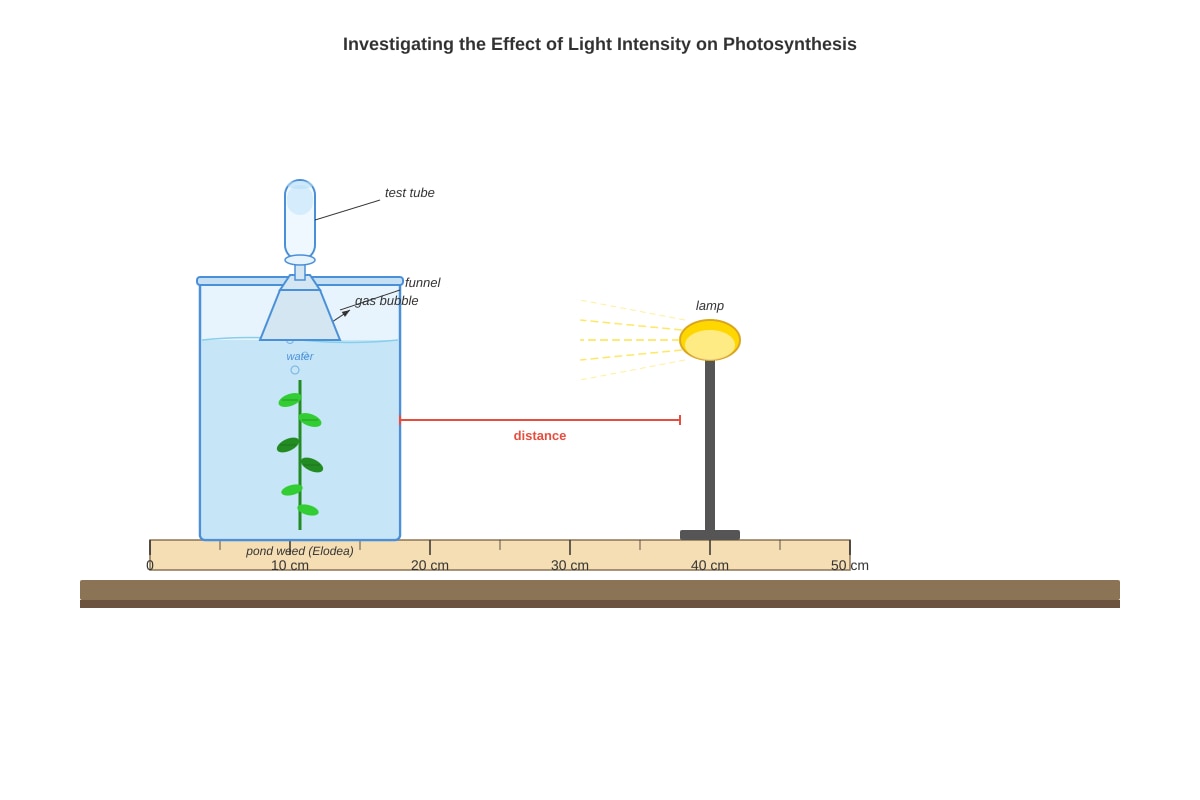
| 4 | C | The independent variable is deliberately changed by the experimenter; here, lamp distance is varied to alter light intensity. |
| 5 | A | Nitrate is needed for protein and chlorophyll synthesis; deficiency causes stunted growth (proteins) and chlorosis/chlorophyll), starting with older leaves as nitrogen is mobile. |
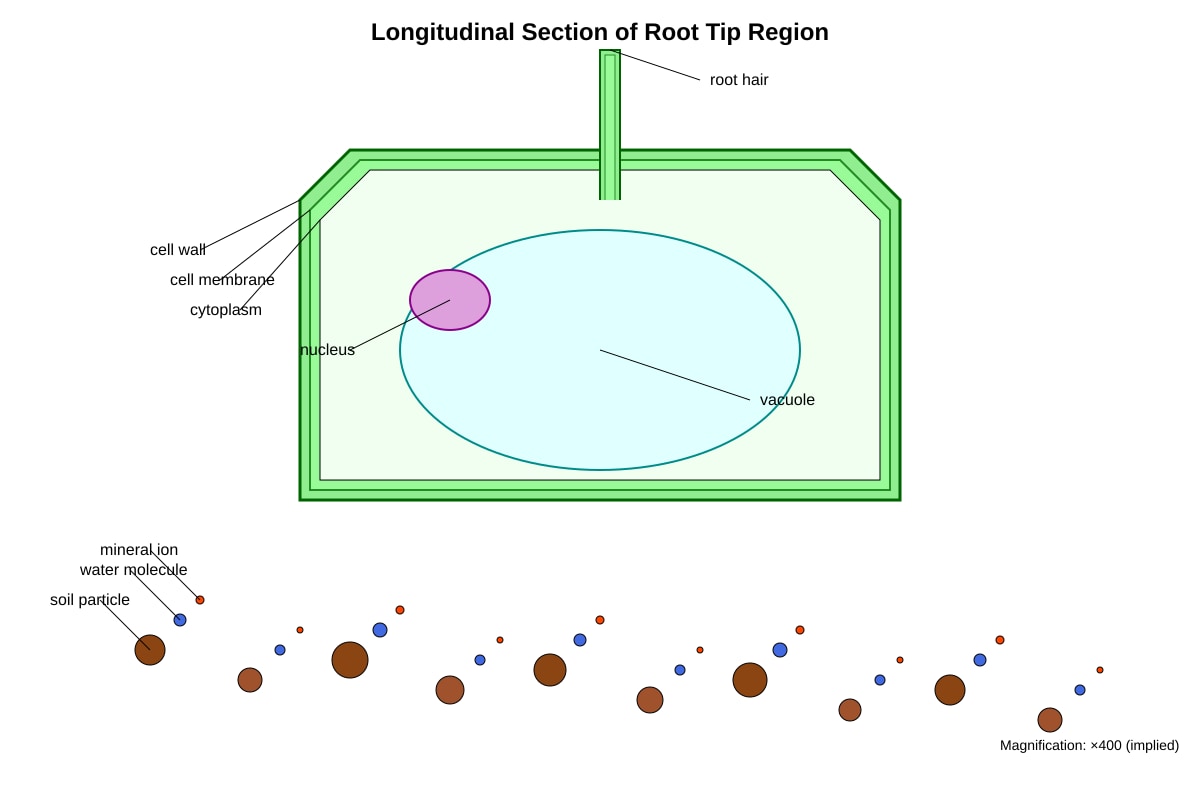
| 6 | D | The long, thin root hair projection increases surface area to volume ratio dramatically, maximizing contact with soil water for absorption. |
| 7 | A | Translocation is the active transport of assimilates (sugars, mainly sucrose) in phloem from source to sink tissues. |
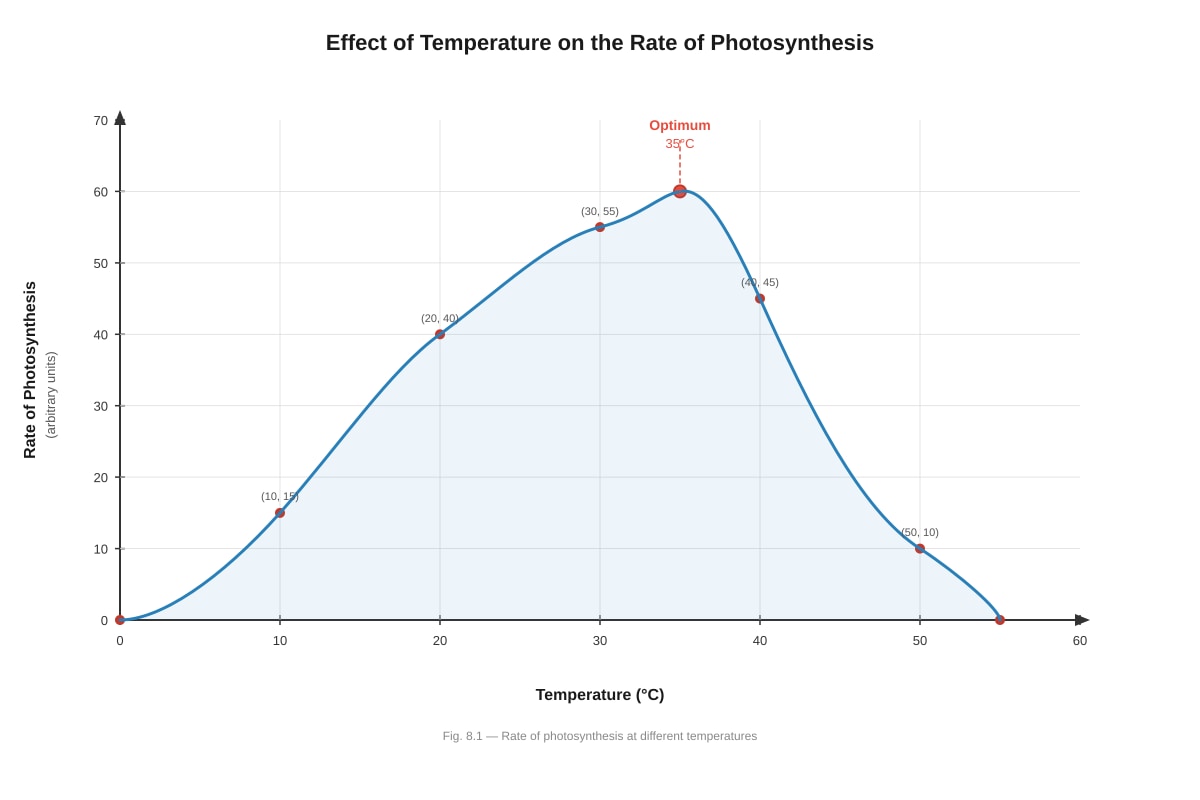
| 8 | B | The graph peak at 35°C shows optimal enzyme activity for photosynthetic enzymes; below this enzymes work slower, above this denaturation occurs. |
| 9 | C | Large, broad leaves increase surface area and would increase water loss—xerophytes reduce leaf surface area (spines, needles) to conserve water. |
| 10 | B | Photolysis: 2H₂O → 4H⁺ + 4e⁻ + O₂. Water splits to provide electrons to replace those lost by photosystem II, protons for chemiosmosis, and oxygen as by-product. |
Marks: 2 marks each × 10 = 20 marks
Section B: Structured Response (Questions 11–15)
11(a) [2 marks]
Answer:
- Provides structural support to the plant cell / maintains cell shape [1]
- Protects the cell from mechanical damage / prevents excessive water uptake (osmotic swelling) [1]
Teaching note: The cell wall is made of cellulose microfibrils in a matrix of hemicellulose and pectin. It is fully permeable to water and solutes but provides rigidity.
11(b) [2 marks]
Answer:
- The cell wall is fully permeable and elastic, not semi-permeable like the cell membrane [1]
- When water enters by osmosis, the cell wall exerts pressure (turgor pressure) against the expanding cell membrane, but the wall itself stretches slightly and prevents rupture rather than preventing water entry [1]
Teaching note: Turgor pressure builds up because the rigid cell wall resists further expansion once the cell is full. The wall doesn't block osmosis—it provides resistance that stabilizes cell volume.
12(a) [2 marks]
Answer:
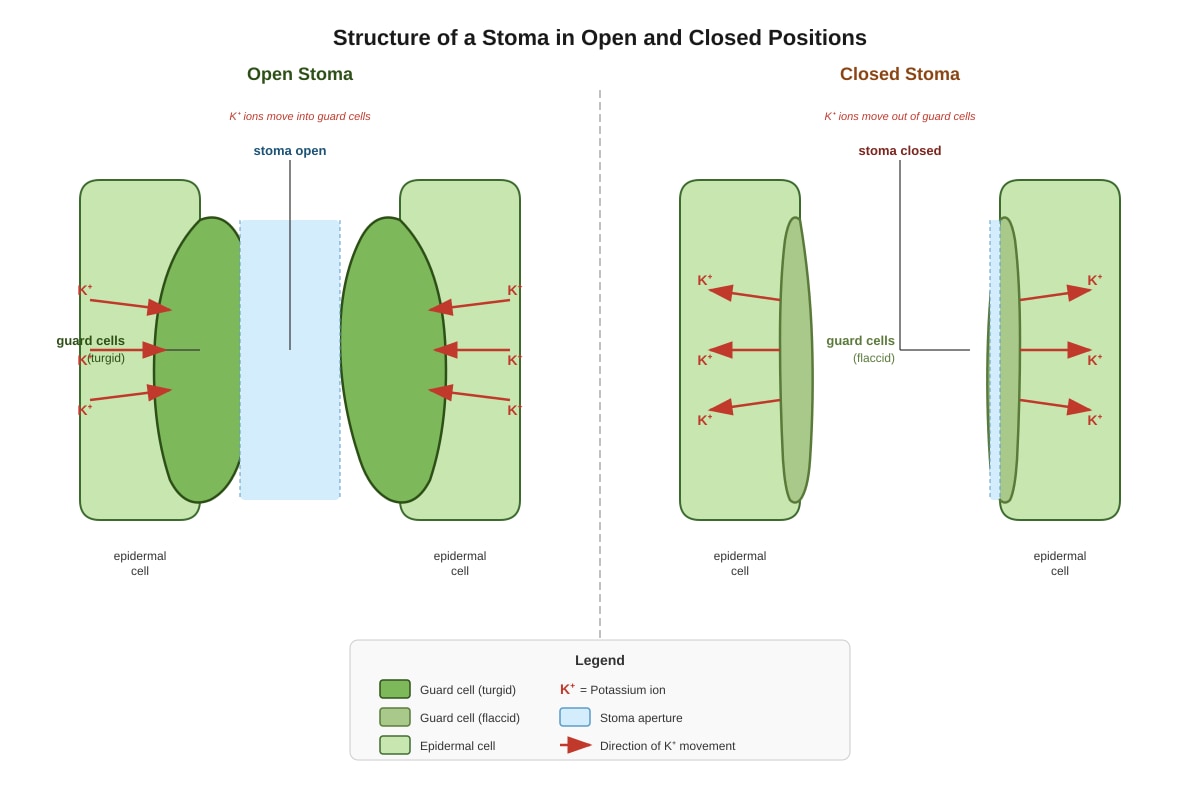
- K⁺ ions move into guard cells by active transport, lowering water potential inside guard cells [1]
- Water enters by osmosis, guard cells become turgid, bow outward (curved shape), and the stoma opens [1]
Teaching note: Guard cells are kidney-shaped with thickened inner walls. When turgid, the thin outer wall stretches more than the thickened inner wall, causing the cells to curve outward and open the pore.
12(b) [2 marks]
Answer:
- Open during day: light required for photosynthesis; CO₂ uptake needed [1]
- Closed at night: conserves water when photosynthesis cannot occur, prevents unnecessary transpiration [1]
Teaching note: The direct response is to light (blue light triggers proton pump activation for K⁺ uptake), which correlates with the photosynthetic period. This is an energy-saving adaptation.
13(a) [2 marks]
Answer:
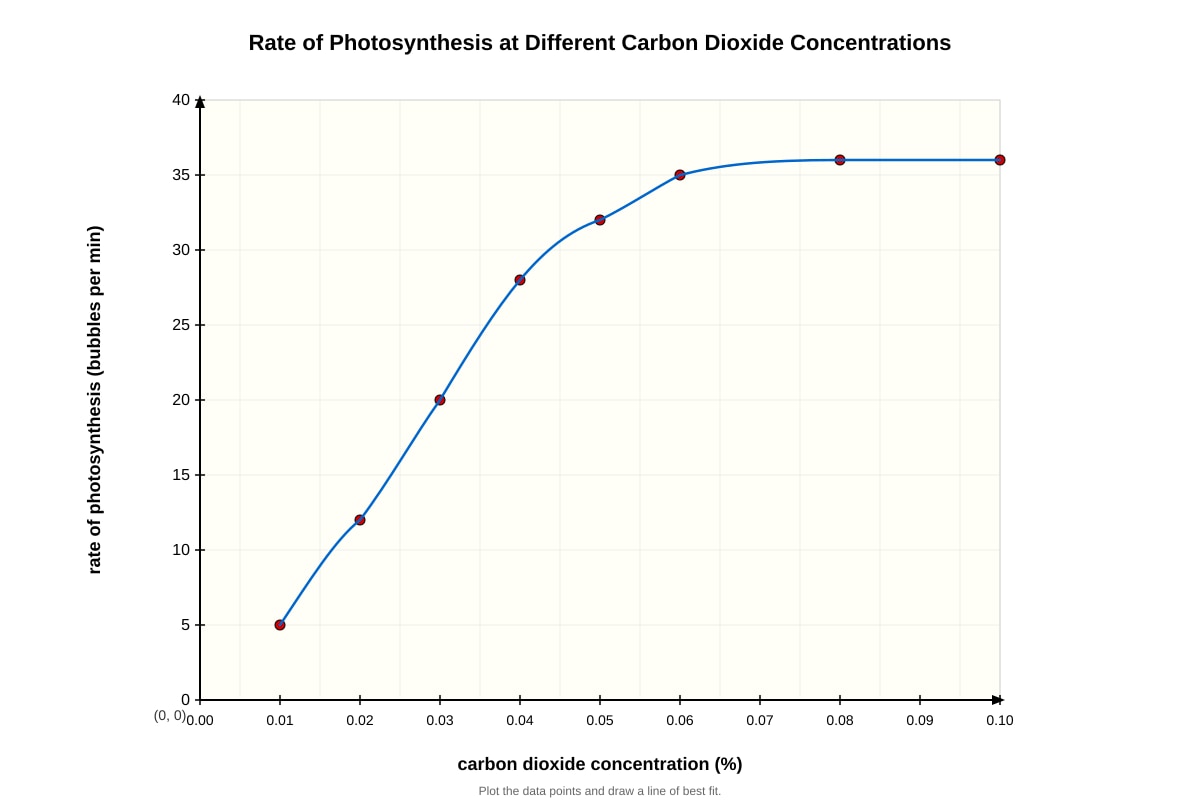
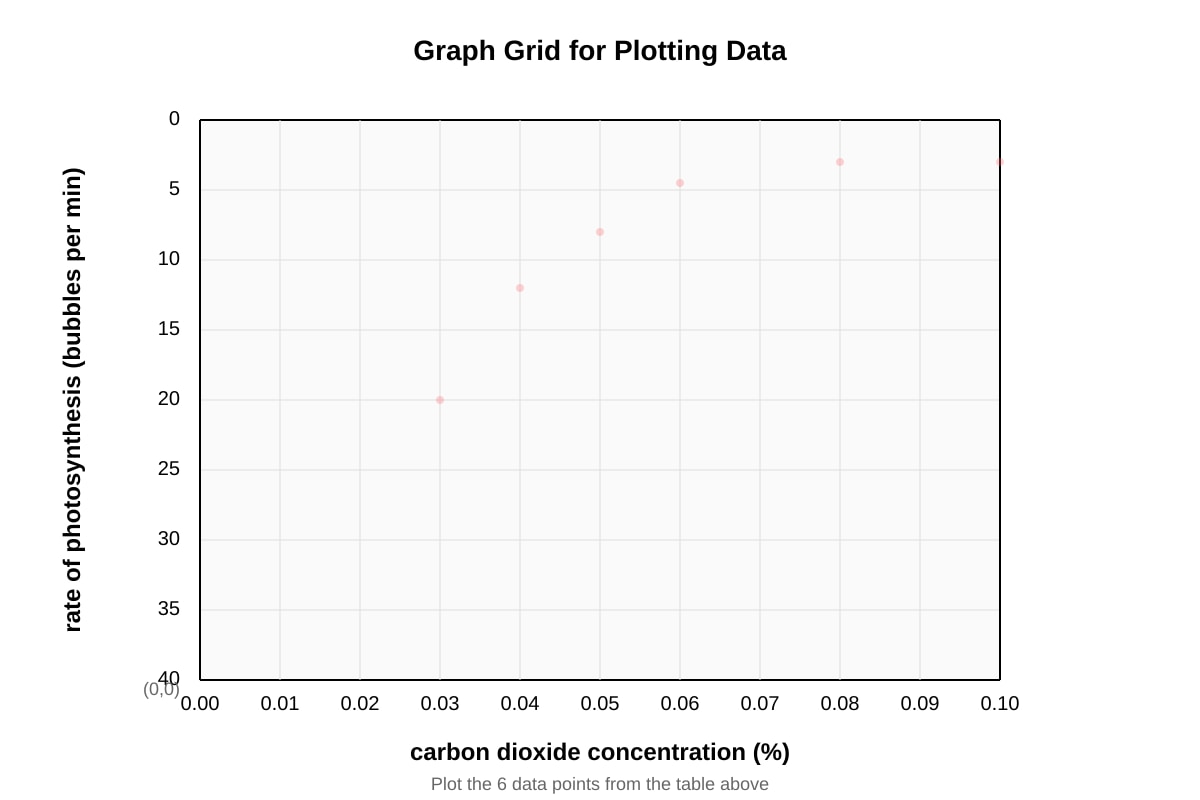
- Correct axes with labels and units [1]
- Accurately plotted points with best-fit curve (steep rise then plateau) [1]
Teaching note: Students should plot all 9 points. The curve rises steeply from 0–0.04%, then levels off 0.06–0.10% as another factor becomes limiting.
13(b) [3 marks]
Answer:
- Initially (0–0.04%): rate increases steeply because CO₂ is a limiting factor—more CO₂ means more Calvin cycle reactions can occur [1]
- The curve starts to level off (0.05–0.06%): CO₂ is becoming less limiting as other factors (light intensity, temperature) begin to limit the reaction [1]
- Plateau (0.08–0.10%): rate is constant because another factor (e.g., light intensity, amount of chlorophyll, enzyme concentration) is now the limiting factor [1]
Teaching note: This illustrates Blackman's law of limiting factors. At low CO₂, adding more increases rate; once saturated, the system is limited by whatever is scarcest relative to need.
14(a) [2 marks]
Answer:
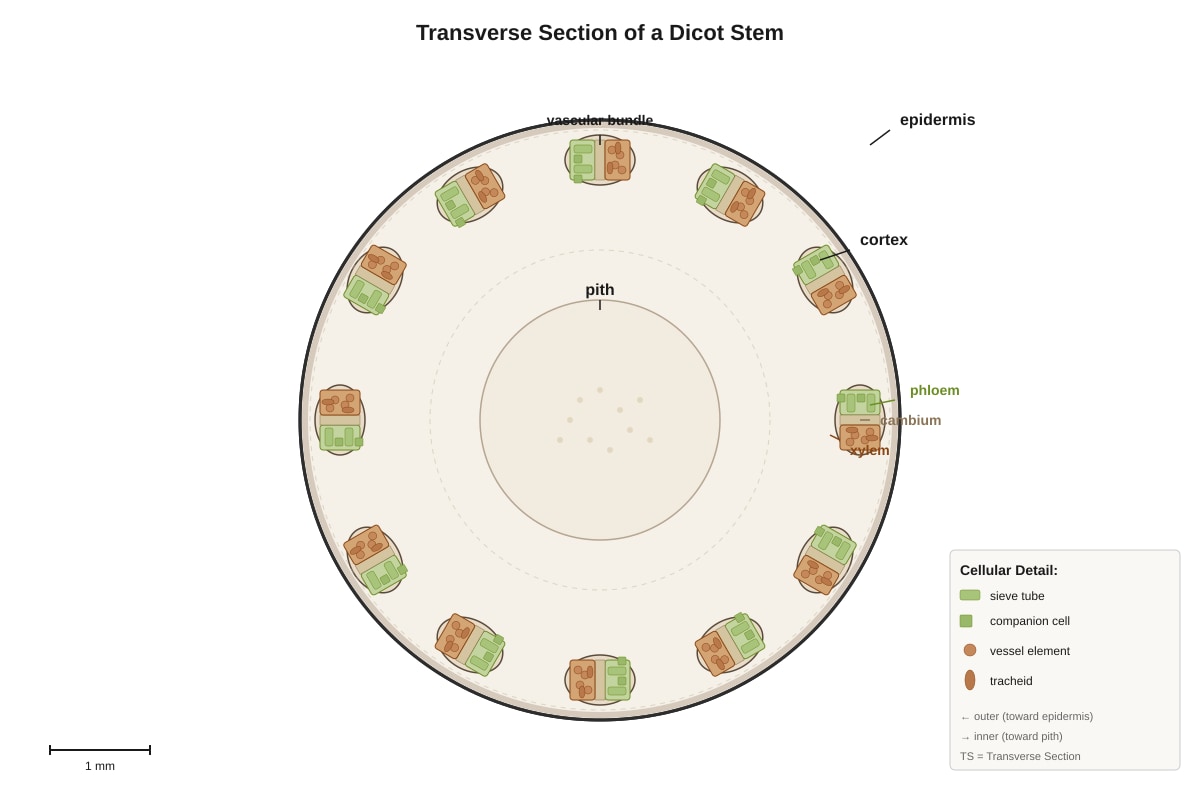
- Xylem vessels have lignified walls and no cytoplasm/end walls at maturity; phloem sieve tubes have living cytoplasm (though reduced) and sieve plates between cells [1]
- Xylem vessels are dead at maturity (forming hollow tubes); companion cells support phloem sieve tubes which are living but lack nuclei [1]
Teaching note: These structural differences reflect function: xylem needs hollow, strong pipes for bulk flow under tension; phloem needs living cells for active loading/unloading of sugars.
14(b) [2 marks]
Answer:
- Lignin provides strength and waterproofing to prevent collapse under the negative pressure (tension) of transpiration pull [1]
- Phloem transport relies on active loading and pressure flow (turgor pressure), not tension, so it does not need lignin reinforcement and remains flexible for bidirectional transport [1]
Teaching note: Lignin is a complex polymer that makes cell walls rigid and waterproof. Xylem vessels need to withstand pressures of -0.5 to -3.0 MPa; phloem operates under positive pressure (0.3–1.5 MPa).
15 [4 marks]
Answer:
Adaptation 1: Large, flat leaf lamina (up to 30cm diameter)
- Explanation: Maximizes surface area exposed to sunlight; floats horizontally at water surface for direct light capture [1]
Adaptation 2: Stomata on upper epidermis only (not lower)
- Explanation: Upper surface faces air; stomata open directly to atmosphere for CO₂ diffusion without cuticle barrier; lower surface in water has no stomata to prevent waterlogging [1]
Adaptation 3: Air spaces in petiole and leaf (aerenchyma)
- Explanation: Provides buoyancy to maintain leaf at surface; allows gas exchange throughout leaf; stores oxygen for respiration in waterlogged conditions [1]
Adaptation 4: Thin leaf / reduced palisade layer
- Explanation: Light penetrates easily from upper surface; no need for thick tissue; reduces resource investment [1]
(Any two adaptations with explanations = 4 marks max)
Teaching note: Water lilies (Nymphaeaceae) are classic examples of floating-leaf adaptation. Their stomatal distribution is inverse to terrestrial plants—upper epidermis stomata are a key diagnostic feature.
Section C: Extended Response (Questions 16–20)
16(a) [2 marks]
Answer:
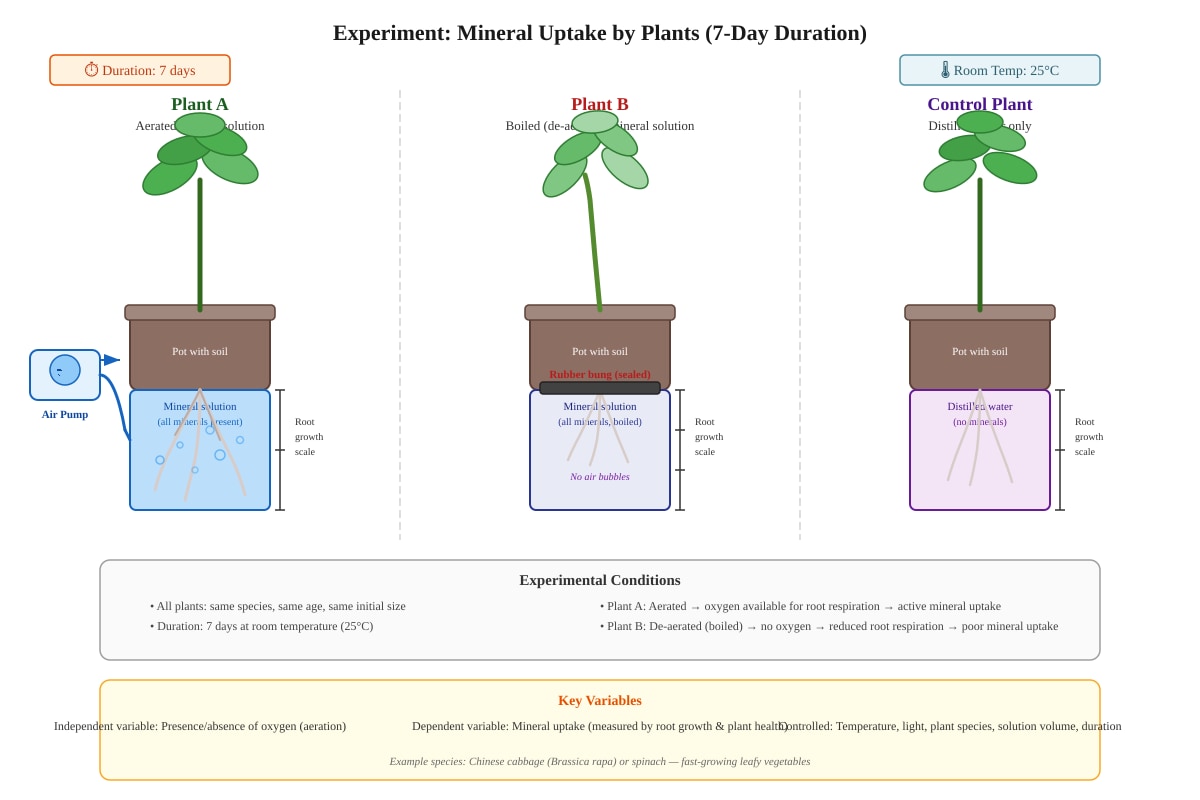
- Plant B would show yellowing leaves (chlorosis), stunted growth, possibly wilting compared to healthy Plant A [1]
- This is because boiled water contains no dissolved oxygen; root cells cannot respire aerobically to provide ATP for active transport of mineral ions [1]
16(b) [3 marks]
Answer:
- Mineral ions are taken up against their concentration gradient by active transport through protein carriers in root hair cell membranes [1]
- Active transport requires ATP from aerobic respiration; oxygen is the final electron acceptor in oxidative phosphorylation [1]
- Without oxygen, ATP production falls; active transport slows/stops; essential minerals (nitrates, phosphates, potassium, magnesium) cannot be absorbed in sufficient quantities [1]
Teaching note: The energy balance is critical: anaerobic respiration yields only 2 ATP per glucose vs 30–32 for aerobic. Mineral uptake is energetically expensive—root cells pump H⁺ out to create proton gradients, then use cotransporters for NO₃⁻, K⁺, etc.
17(a) [2 marks]
Answer:
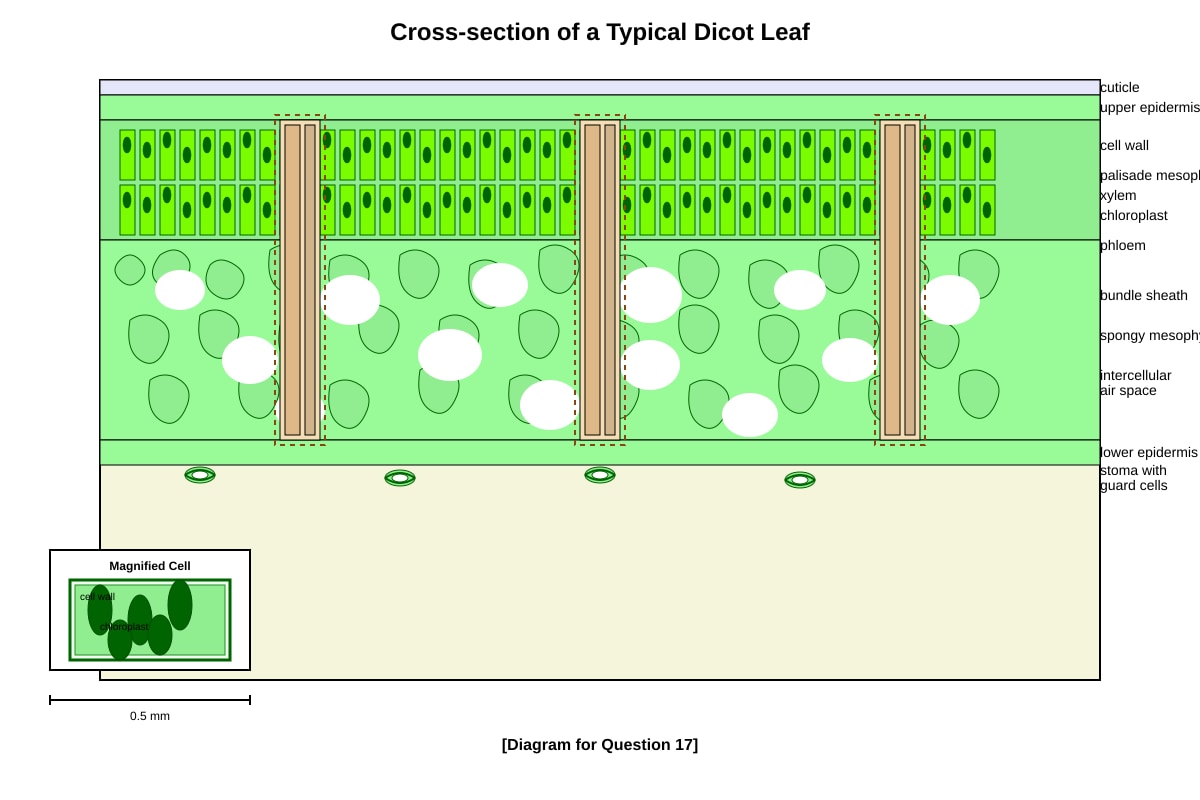
- Upper epidermis is transparent (cells lack chloroplasts, thin and flat) so light passes through with minimal absorption to reach photosynthetic tissue [1]
- Positioning palisade directly below maximizes light capture before light intensity decreases due to absorption by upper tissues; palisade cells have most chloroplasts arranged to capture light efficiently [1]
Teaching note: Light intensity follows Beer-Lambert law through tissue—each layer absorbs ~80–90% of incident light. The palisade receives the highest unattenuated light flux.
17(b) [3 marks]
Answer:
Pathway: Atmosphere → stoma → intercellular air spaces → cell walls of spongy/palisade mesophyll → cell membrane → cytoplasm → chloroplast
- CO₂ enters through stomata (pores in lower epidermis) controlled by guard cells [1]
- Diffuses through intercellular air spaces between spongy mesophyll cells; moist cell surfaces allow CO₂ to dissolve [1]
- Enters photosynthetic cells by diffusion through cell wall, cell membrane, and cytoplasm to reach chloroplast stroma where Calvin cycle fixes CO₂ using RuBisCO [1]
Teaching note: The convoluted path through spongy mesophyll increases surface area for gas exchange. CO₂ dissolves in cell wall water and diffuses ~10–20 μm to chloroplasts; this path length is a limiting factor for CO₂ assimilation.
18(a) [2 marks]
Answer:
- Rainforest understory has low light intensity; large stomata allow greater diffusion per stoma when light is limiting and stomata can open fully [1]
- Low density (80/mm²) is sufficient because humidity is high (low transpiration drive), so fewer stomata needed; large size compensates for low density to maintain adequate CO₂ influx [1]
Teaching note: Stomatal conductance gₛ = (density × size² × aperture)/f(diffusion path). In shade, plants optimize for efficiency with large apertures rather than many small pores.
18(b) [3 marks]
Answer:
Stomatal adaptations:
- Small size: Reduces pore aperture, limiting water vapor loss per stoma while maintaining some CO₂ exchange [0.5]
- Low density (60/mm²): Reduces total number of pores, decreasing overall transpiration surface [0.5]
Additional structural features:
- Sunken stomata in crypts with hairs: traps moist air, reduces water potential gradient between leaf and air [1]
- Thick cuticle / reduced leaves (succulence): CAM photosynthesis—stomata open at night when transpiration is minimal, store CO₂ as malic acid for daytime use [1]
Teaching note: Species C exhibits classic CAM (Crassulacean Acid Metabolism) and xerophytic traits. The stomatal characteristics alone would be insufficient; integration with metabolic and structural adaptations makes desert survival possible.
19 [5 marks]
Answer:
Initial increase with wind speed:
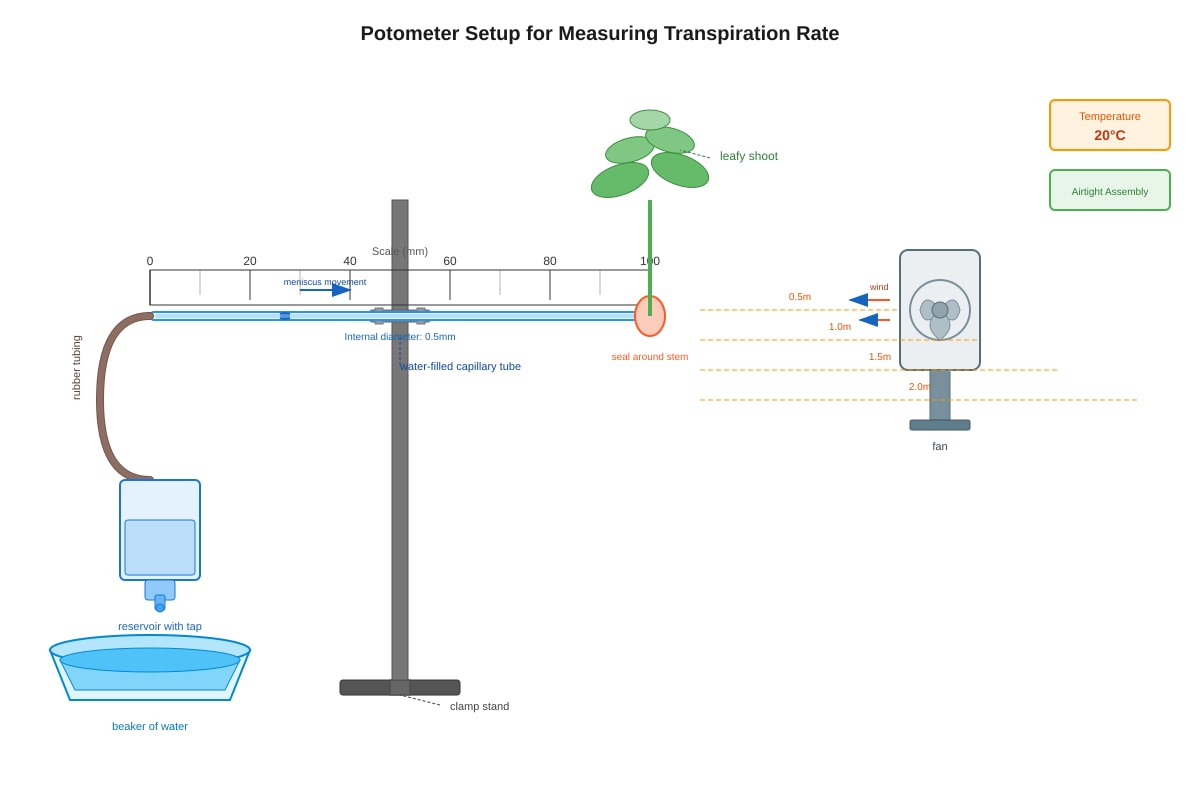
- Wind removes water vapor from leaf surface, reducing boundary layer thickness (stagnant air film) [1]
- Steeper water potential gradient between intercellular air spaces (saturated, ~100% RH) and external air increases diffusion rate of water vapor [1]
- Greater transpiration pull in xylem, so water uptake and transport increase [1]
Plateau at high wind speed:
- Boundary layer cannot be reduced below molecular diffusion layer (~1–2 mm); maximum gradient is reached [1]
- Stomatal closure response: excessive transpiration causes water stress, abscisic acid (ABA) triggers guard cell closure, reducing stomatal conductance and limiting further water loss [1]
- Xylem cohesion limit: cavitation risk increases with extreme tension; plant regulates to prevent embolism [1]
(Any 5 points = 5 marks)
Teaching note: The plateau demonstrates homeostatic regulation. Plants don't maximize photosynthesis at all costs—they balance carbon gain against water loss and xylem integrity. The curve resembles enzyme kinetics with feedback inhibition.
20(a) [2 marks]
Answer:
- Blue and red light are strongly absorbed by chlorophylls a and b (absorption peaks at ~430nm blue, ~662nm and ~642nm red) [1]
- Green light is reflected/transmitted (absorption minimum ~550nm), so little energy captured to drive photolysis and oxygen production; discs take longer to become buoyant [1]
Teaching note: Chlorophyll absorption spectrum determines action spectrum for photosynthesis. The "green leaf paradox"—why plants aren't black—is partially explained by photoprotection and light harvesting optimization.
20(b) [3 marks]
Answer:
- Leaf discs stop rising because sodium hydrogen carbonate (NaHCO₃) becomes depleted—CO₂ source is exhausted, so Calvin cycle cannot proceed [1]
- Light saturation / photoinhibition: prolonged high-intensity light damages photosystem II (D1 protein degradation), reducing electron transport rate and oxygen evolution [1]
- Accumulation of by-products: photorespiration increases as O₂:CO₂ ratio rises, competing with carbon fixation; combined with limited carbon supply, net oxygen production ceases [1]
Teaching note: The experiment is self-limiting by design. NaHCO₃ provides HCO₃⁻ which equilibrates with CO₂ (aq). The simple demonstration elegantly shows light quality effects while controlling for carbon source limitation.
TOTAL: 40 marks