AI Generated Exam Paper
Secondary 2 Science Practice Paper 4
Free Sec 2 Science Practice Paper 4, HY3 AI version, with questions, answers, and syllabus-aligned practice for Singapore students.
These static practice materials are generated from the site's syllabus and paper-generation workflow, with source and model context shown so students and parents can evaluate the material before use.
Questions
TuitionGoWhere Practice Paper - Science Secondary 2
TuitionGoWhere Practice Paper (AI) — Version 4 of 5
Subject: Science
Level: Secondary 2
Paper: Practice Paper (Physical Sciences)
Duration: 45 minutes
Total Marks: 40
Name: ________________________
Class: ________
Date: ____________
Instructions:
- This practice paper has 20 questions across three sections.
- Answer all questions in the spaces provided.
- Show your working clearly for calculation questions.
- Use appropriate units in your answers.
- Section marks and question marks add up to 40.
Section A: Multiple Choice and Short Answer (Questions 1–8, 16 marks)
1. Which of the following is a renewable source of energy? [1]
A. Coal
B. Natural gas
C. Wind
D. Crude oil
2. State the unit of force. [1]
3. A book of mass 0.8 kg is lifted from the floor to a shelf 1.5 m high. Calculate the gain in gravitational potential energy. (Take g=10 m/s2) [2]
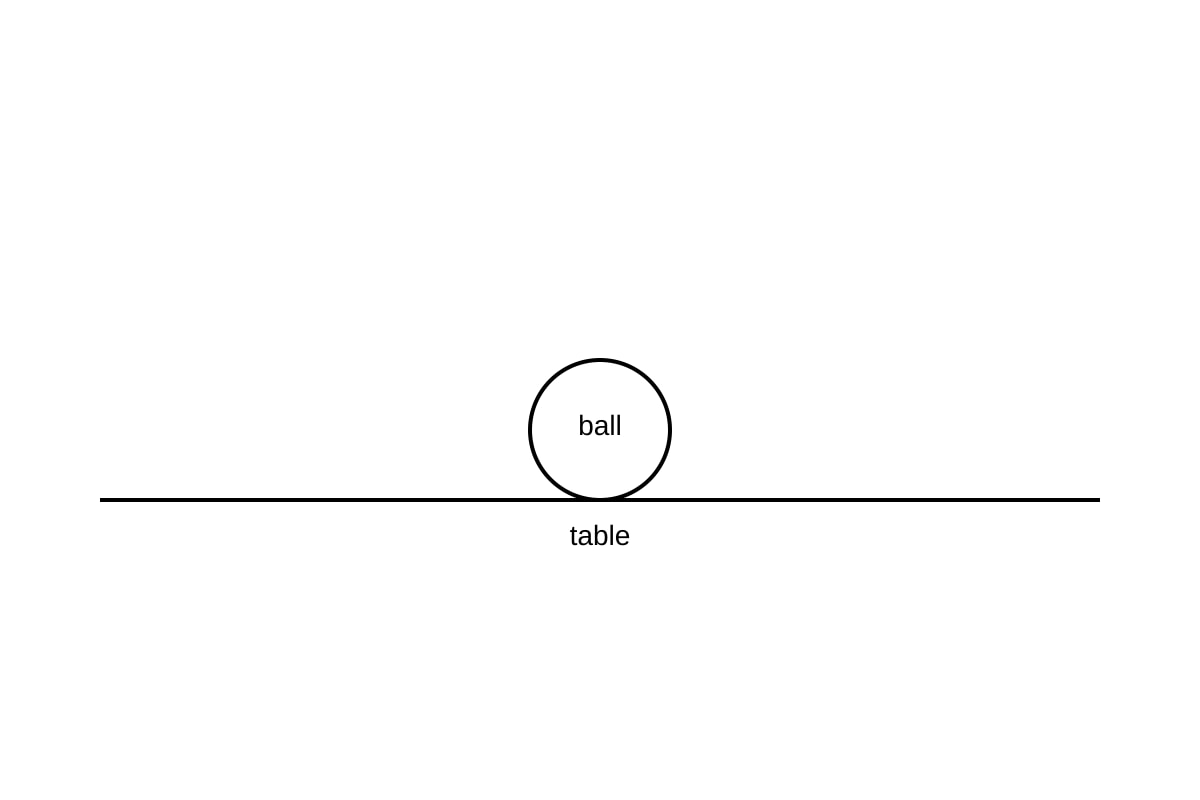
4. Draw, on the figure below, the weight acting on the ball. Label the force W. [1]
Image pending generation: diagram for Q4.
5. Name one everyday example of a simple machine. [1]
6. State the voltage supplied to homes in Singapore. [1]
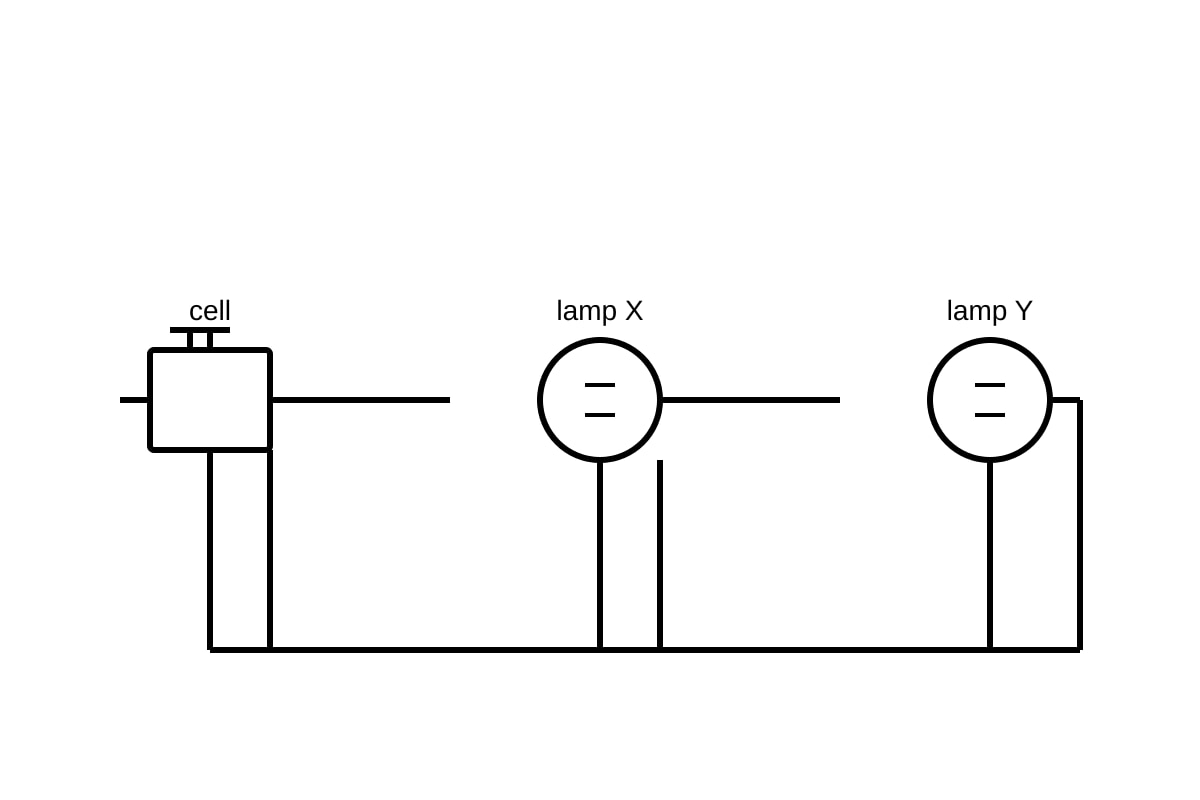
7. The diagram shows a circuit with two lamps in series. What happens to the brightness of lamp X if lamp Y is removed? [1]
Image pending generation: circuit for Q7.
8. Describe one effect of heat on a bimetallic strip in a thermostat. [1]
Section B: Structured Response (Questions 9–14, 12 marks)
9. (a) State the principle of conservation of energy. [2]
(b) A ball of mass 0.5 kg is dropped from a height of 4 m. Calculate its gain in gravitational potential energy before release. [2]
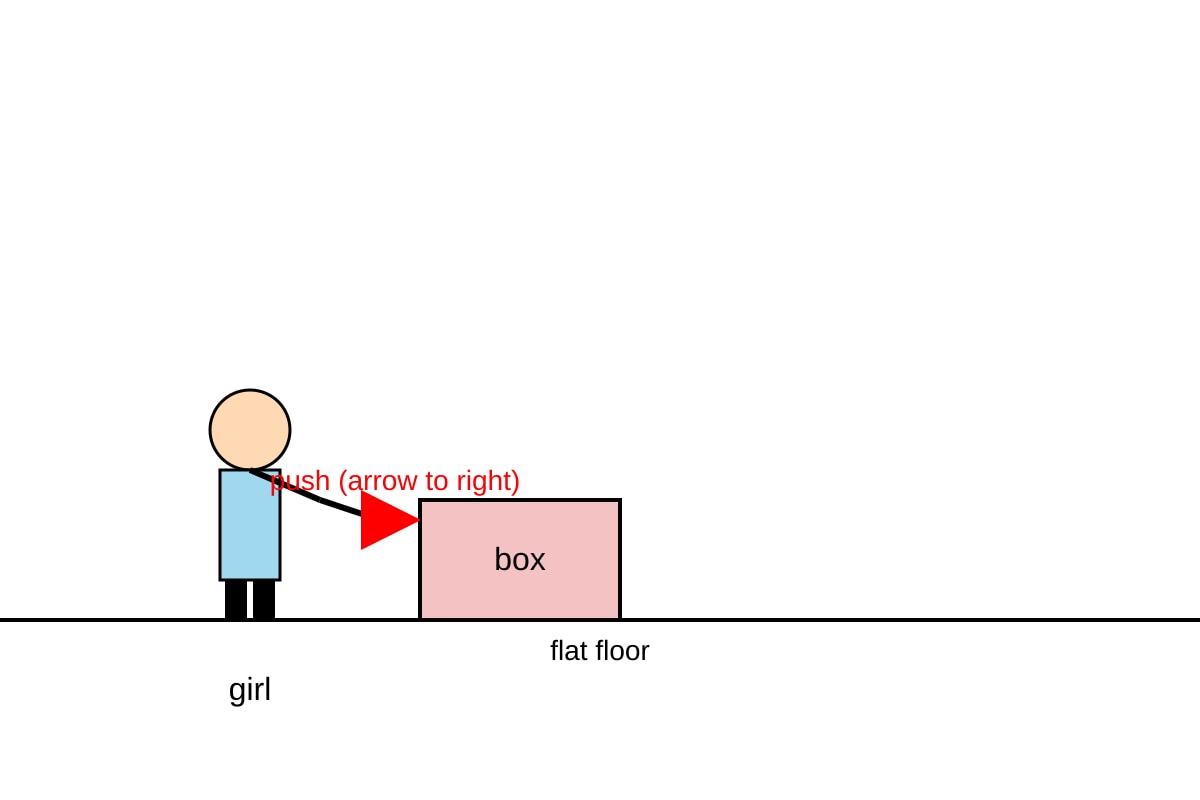
10. Figure 10 shows a girl pushing a box at constant speed on a rough floor.
(a) Draw and label the friction force acting on the box. [1]
(b) State the size of the pushing force if friction is 20 N. [1]
(c) Explain your answer. [1]
Image pending generation: diagram for Q10.
11. (a) What is the function of a fuse in a mains circuit? [1]
(b) Name the three wires in a mains plug. [3]
12. A student measures the temperature of water heated from 25 °C to 80 °C.
(a) What is the temperature change? [1]
(b) State the direction of heat flow. [1]
13. (a) Identify whether melting ice is a physical or chemical change. [1]
(b) Explain your answer. [1]
14. A pendulum swings from its highest point A to the lowest point B.
(a) State the energy conversion from A to B. [1]
(b) At B, state the form of energy that is maximum. [1]
Section C: Calculation and Application (Questions 15–20, 12 marks)
15. A lamp is connected to a 230 V supply and draws a current of 0.5 A. Calculate the power of the lamp. [2]
16. A boy of mass 40 kg climbs 3 flights of stairs. Each flight is 2.5 m high. Calculate the work done against gravity. [2]
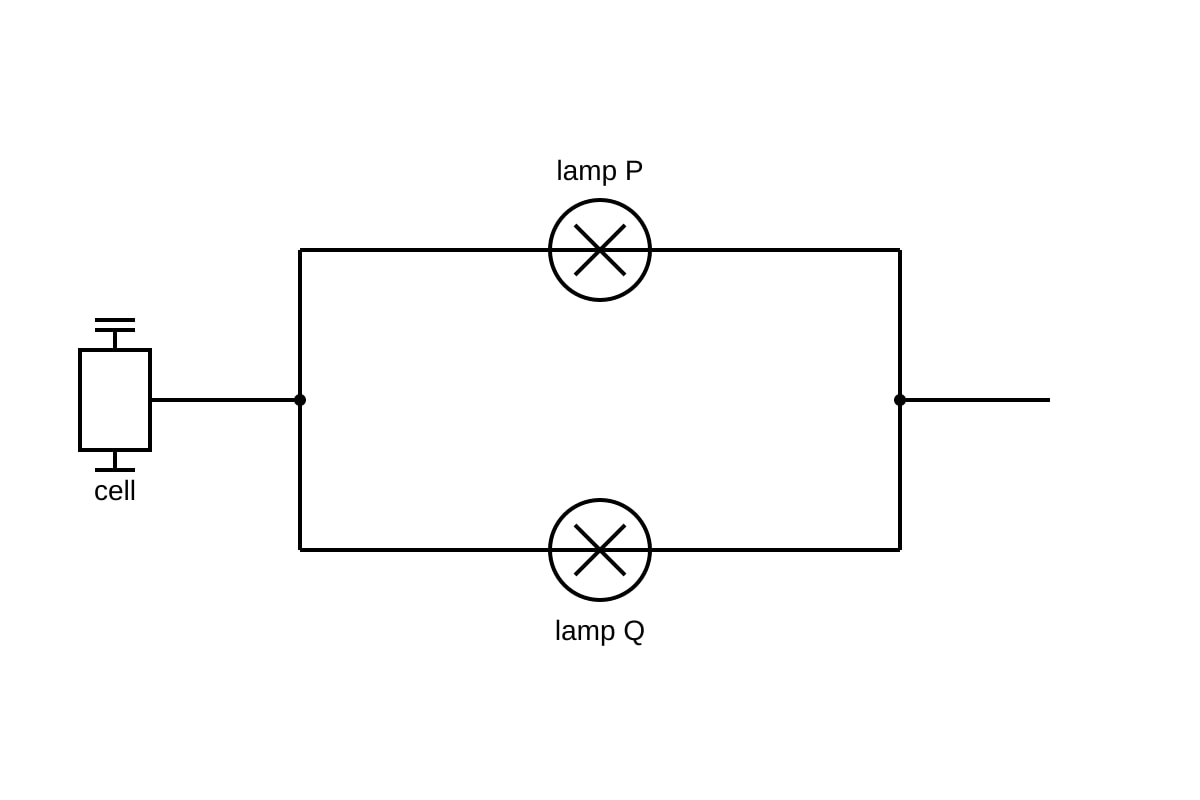
17. The diagram shows a parallel circuit with two branches, each having one lamp.
(a) State one difference between series and parallel circuits. [1]
(b) If one lamp is removed, what happens to the other? [1]
Image pending generation: circuit for Q17.
18. A 2 kg object is moved from the ground to the top of a 10 m building. Calculate its gravitational potential energy at the top. [2]
19. State two advantages of renewable energy sources over fossil fuels. [2]
20. A heater uses 500 J of electrical energy and produces 450 J of heat. Calculate the energy wasted. [2]
Answers
TuitionGoWhere Practice Paper — Answer Key (Version 4)
Subject: Science
Level: Secondary 2
Paper: Practice Paper (Physical Sciences)
Total Marks: 40
Section A Answers (16 marks)
1. C [1]
Wind is renewable; coal, natural gas, crude oil are fossil (non-renewable).
Teaching note: Renewable sources replenish naturally (sun, wind, biomass, hydropower). Non-renewable sources are finite.
2. newton (N) [1]
Teaching note: Force is measured in newtons using a spring balance.
3. [2]
Gain in GPE = mgh=0.8×10×1.5=12 J.
Marks: 1 for substitution, 1 for answer with unit.
Common mistake: Forgetting unit J.
4. [1]
Arrow from centre of ball downward labelled W.
Expected visual: Ball on table; weight arrow points down from ball.
5. [1] e.g., lever / inclined plane / pulley.
Any one correct simple machine.
6. [1] 230 V.
7. [1] Lamp X goes out (or circuit is broken).
Reason: Series circuit has only one path; removing Y breaks circuit.
8. [1] It bends / expands differently causing curvature to switch off heating.
Teaching note: Bimetallic strip bends due to different expansion, used to maintain temperature.
Section B Answers (12 marks)
9.
(a) [2] Energy cannot be created or destroyed; it can be converted from one form to another (or total energy constant).
Marks: 1 each point.
(b) [2] GPE = mgh=0.5×10×4=20 J.
Marks: 1 working, 1 answer.
10.
(a) [1] Arrow left from box labelled friction.
(b) [1] 20 N.
(c) [1] Constant speed → forces balanced, so push = friction.
11.
(a) [1] To break circuit if current too high (overload).
(b) [3] Live, neutral, earth (1 each).
12.
(a) [1] 80−25=55 ∘C.
(b) [1] From higher to lower temperature (hot to cold).
13.
(a) [1] Physical change.
(b) [1] No new substance formed; only state changes.
14.
(a) [1] Potential → kinetic.
(b) [1] Kinetic energy.
Section C Answers (12 marks)
15. [2] P=IV=230×0.5=115 W.
Marks: 1 formula/sub, 1 answer.
16. [2] Height = 3×2.5=7.5 m; W=mgh=40×10×7.5=3000 J.
Marks: 1 height calc, 1 work.
17.
(a) [1] Parallel has branches / same voltage across each lamp.
(b) [1] Other stays on (independent path).
18. [2] GPE = 2×10×10=200 J.
Marks: 1 sub, 1 ans.
19. [2] e.g., does not run out; less pollution / no CO₂. (1 each)
20. [2] Wasted = 500−450=50 J.
Marks: 1 sub, 1 ans.
Free quiz and exam paper access
Enter your details to view this paper
Your access is remembered on this device.