AI Generated Quiz
Secondary 2 Mathematics Geometry Trigonometry Quiz
Free Sec 2 Maths Geometry Trigonometry quiz, HY3 AI version, with questions, answers, and syllabus-aligned practice for Singapore students.
These static practice materials are generated from the site's syllabus and paper-generation workflow, with source and model context shown so students and parents can evaluate the material before use.
Questions
Free quiz and exam paper access
Enter your details to view this paper
Your access is remembered on this device.
Answers
Secondary 2 Mathematics Quiz - Geometry Trigonometry (Answer Key)
Total Marks: 40
Topic: Geometry & Trigonometry (Syllabus-first practice, not past-year derived)
Section A: Basic Geometry and Angles
Q1. [2 marks]
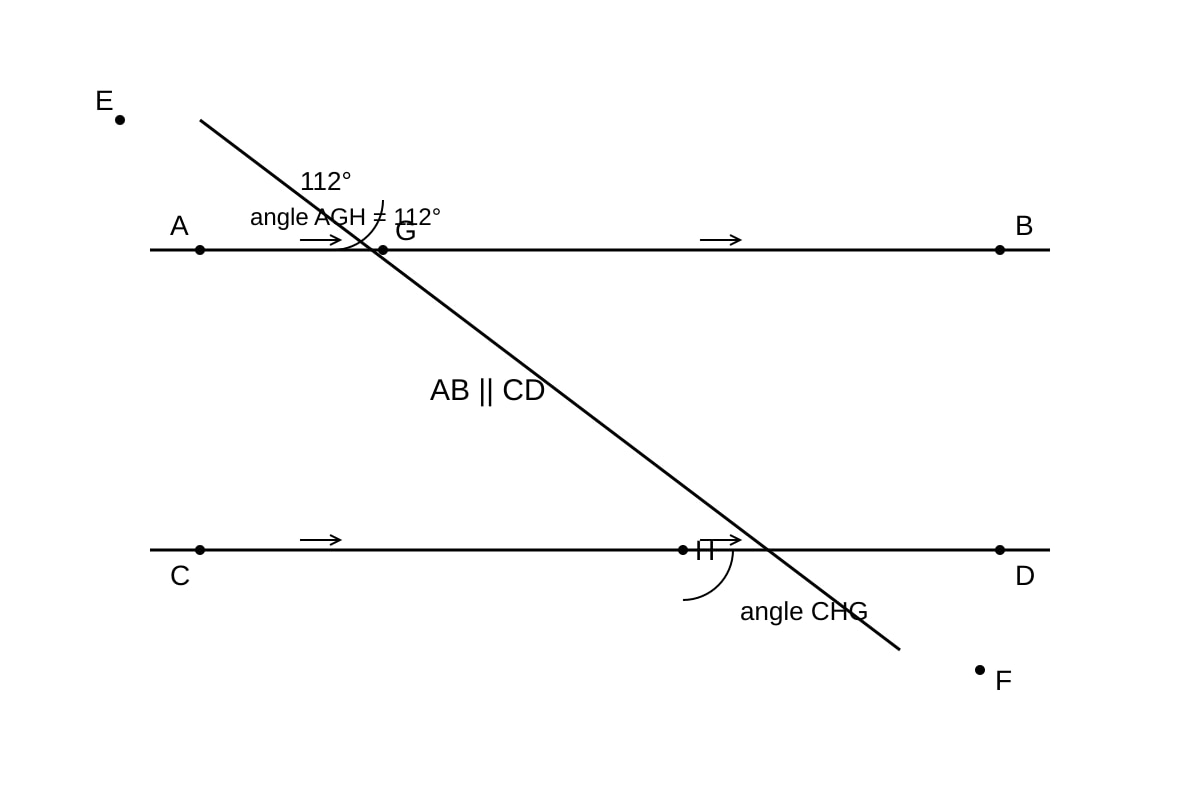
Angle .
Method: , transversal. and are alternate angles (or corresponding if considering orientation). Alternate angles between parallel lines are equal. So .
Teaching note: When two parallel lines are cut by a transversal, alternate angles are equal. Here G and H are on opposite sides of transversal and inside the parallels → alternate.
Common mistake: Using co-interior (sum 180) wrongly; that would give 68°, incorrect.
Q2. [2 marks]
Each interior angle = .
Method: Sum of interior angles of hexagon = . Regular → each = .
Teaching note: Polygon angle sum formula .
Q3. [2 marks]
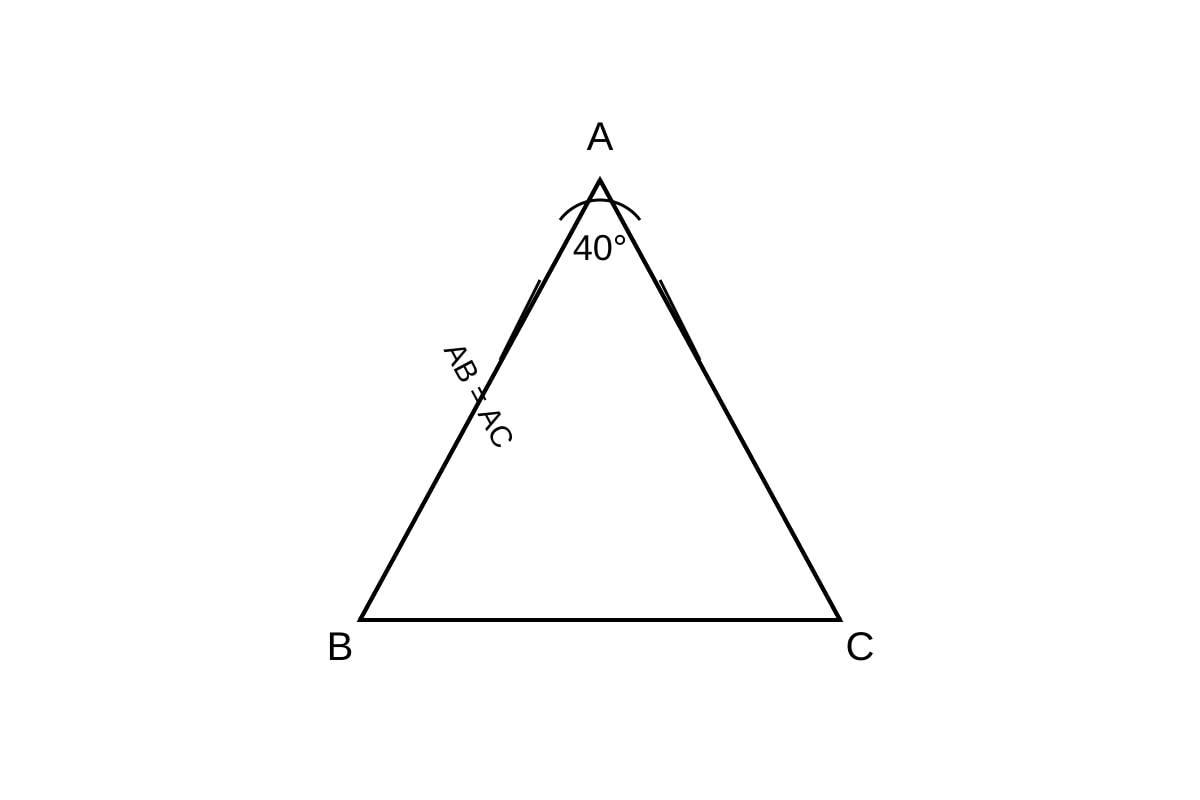
Angle .
Method: Isosceles with → base angles . Sum = . Each = .
Teaching note: Base angles of isosceles triangle are equal.
Q4. [1 mark]
Sum = .
Method: Pentagon : .
Q5. [1 mark]
SSS stands for Side-Side-Side (all three corresponding sides equal → congruent).
Section B: Pythagoras and Similarity
Q6. [2 marks]
Hypotenuse = cm.
Method: , .
Q7. [2 marks]
cm.
Method: Scale factor means . .
Q8. [2 marks]
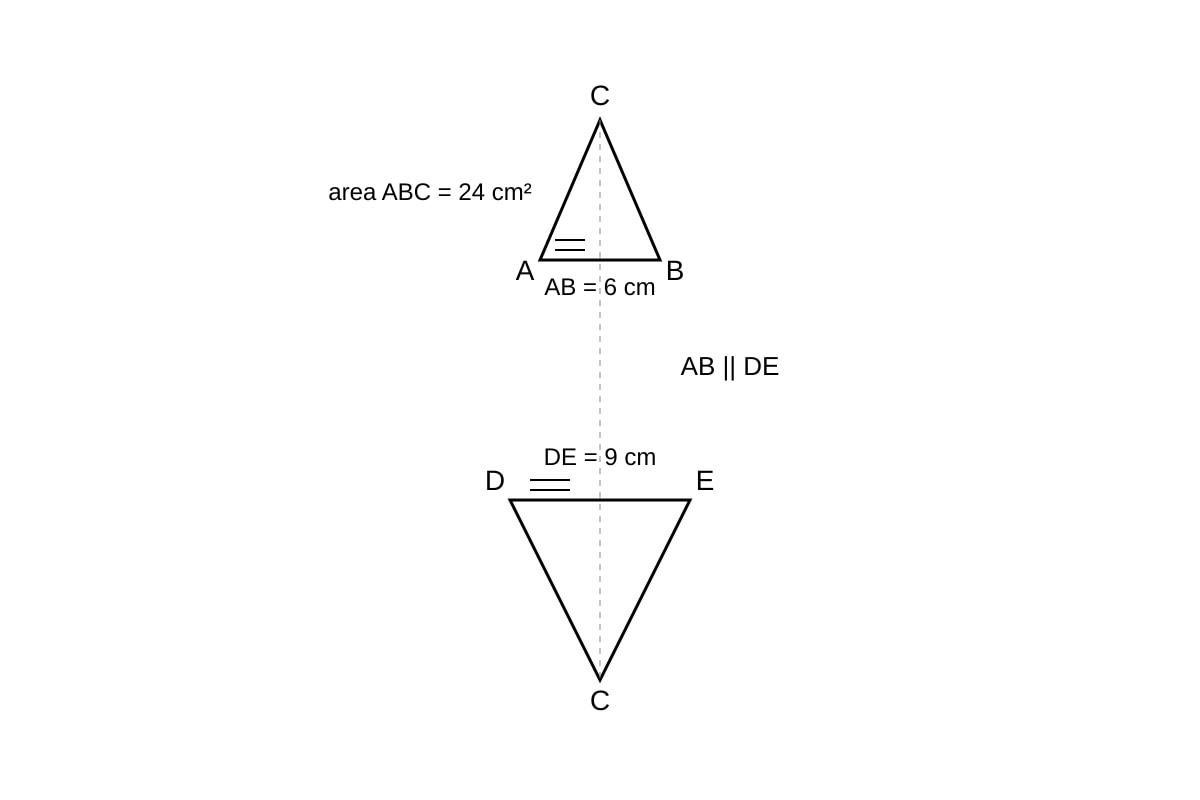
Area of .
Method: Linear scale → area scale . Area .
Q9. [2 marks]
Height = m.
Method: .
Q10. [2 marks]
Width = cm.
Method: Scale factor length is . Width = .
Section C: Trigonometry
Q11. [2 marks]
cm.
Method: Pythagoras: , .
Q12. [2 marks]
cm (3 s.f.).
Method: .
Q13. [3 marks]
(1 d.p.).
Method: M1 ; M1 ; A1 .
Q14. [3 marks]
Height = m (3 s.f.).
Method: M1 ; M1 ; A1 m.
Q15. [3 marks]
(1 d.p.).
Method: M1 ; M1 ; A1 .
Section D: Mixed Application
Q16. [3 marks]
Area of .
Method: M1 linear scale ; M1 area scale = or reverse ; A1 Area .
Q17. [4 marks]
cm, Angle = .
Method: M1 , ; M1 ; M1 angle = ; A1 .
Q18. [3 marks]
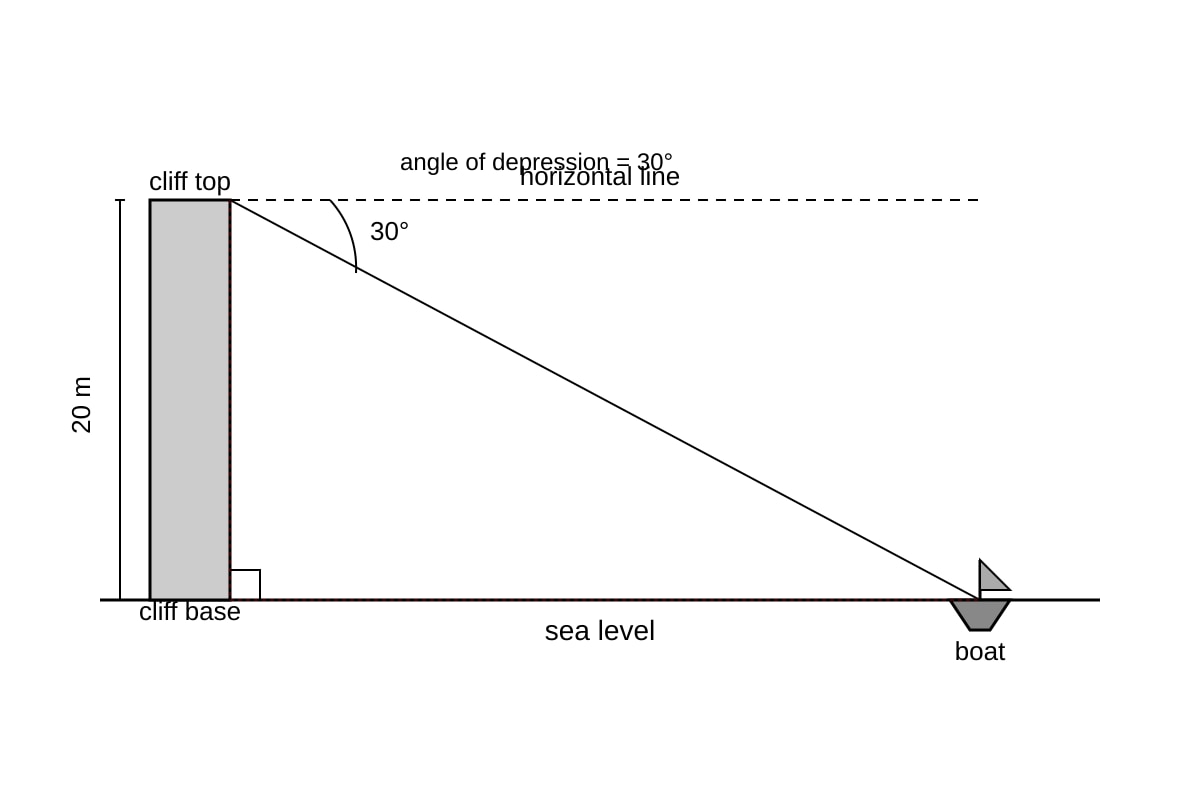
Distance = m (3 s.f.).
Method: M1 angle of depression = angle at boat = ; M1 ; A1 m.
Q19. [4 marks]
cm, .
Method: M1 , ; M1 ; M1 ; A1 .
Q20. [3 marks]
Angle = (1 d.p.).
Method: M1 ; M1 ; A1 .