AI Generated Exam Paper
Secondary 1 Science Practice Paper 2
Free Sec 1 Science Practice Paper 2, HY3 AI version, with questions, answers, and syllabus-aligned practice for Singapore students.
These static practice materials are generated from the site's syllabus and paper-generation workflow, with source and model context shown so students and parents can evaluate the material before use.
Questions
Free quiz and exam paper access
Enter your details to view this paper
Your access is remembered on this device.
Answers
TuitionGoWhere Practice Paper - Science Secondary 1 (Answer Key)
Version: 2 of 5
Subject: Science
Level: Secondary 1
Total Marks: 40
Section A: Forces and Motion (12 marks)
Q1 [2 marks]
Answer: Chemical energy → gravitational potential energy [1]. Explanation: The student's muscles provide chemical energy; lifting against gravity increases height so energy is stored as gravitational potential energy [1].
Teaching note: Work done against gravity stores GPE. Common trap: omitting chemical energy source.
Q2 [1 mark]
Answer: B. Newton
Teaching note: Force unit is newton (N). Joule is energy, watt is power, pascal is pressure.
Q3 [2 marks]
Work done = Force × Distance [1] = 20 N × 4 m = 80 J [1].
Teaching note: Show formula then substitution. Unit Joule (J).
Q4 [2 marks]
Weight (force) stays same [1]. Smaller contact area → higher pressure because Pressure = Force ÷ Area [1].
Teaching note: Force constant; pressure inversely proportional to area.
Q5 [3 marks]
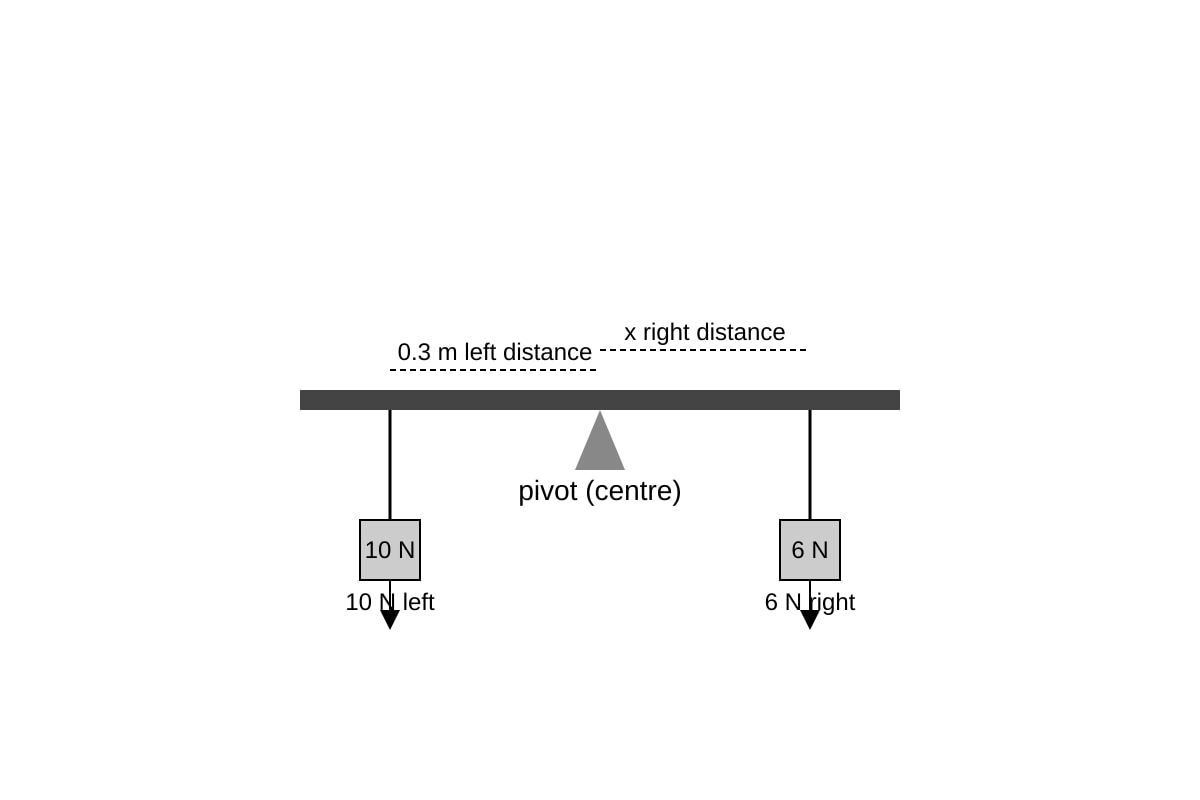
Clockwise moment = 10 N × 0.3 m = 3 N·m [1].
Anticlockwise moment = 6 N × x [1].
Balance: 6x = 3 → x = 0.5 m [1].
Teaching note: Use perpendicular distance from pivot.
Q6 [2 marks]
Any two: brakes on bicycle (friction stops), gripping objects, walking without slipping [1 each].
Teaching note: Friction useful when prevents slipping or enables holding.
Section B: Energy and Electricity (14 marks)
Q7 [1 mark]
Any one: sun, wind, hydropower, biomass.
Teaching note: Renewable = naturally replenished.
Q8 [2 marks]
Electrical → light [1] and electrical → heat [1].
Teaching note: Lamp converts electrical to two forms.
Q9 [2 marks]
Any two: no air pollution, renewable, less CO₂ [1 each].
Teaching note: Coal is non-renewable and polluting.
Q10 [1 mark]
230 V.
Teaching note: Singapore mains voltage 230 V.
Q11 [2 marks]
Cell symbol, switch in line, two lamps with parallel branches, wires joined [2].
Teaching note: Parallel = separate branches for each lamp.
Q12 [2 marks]
Melts / breaks circuit when current too high [1]; protects wires from overheating [1].
Teaching note: Safety device limits current.
Q13 [4 marks]
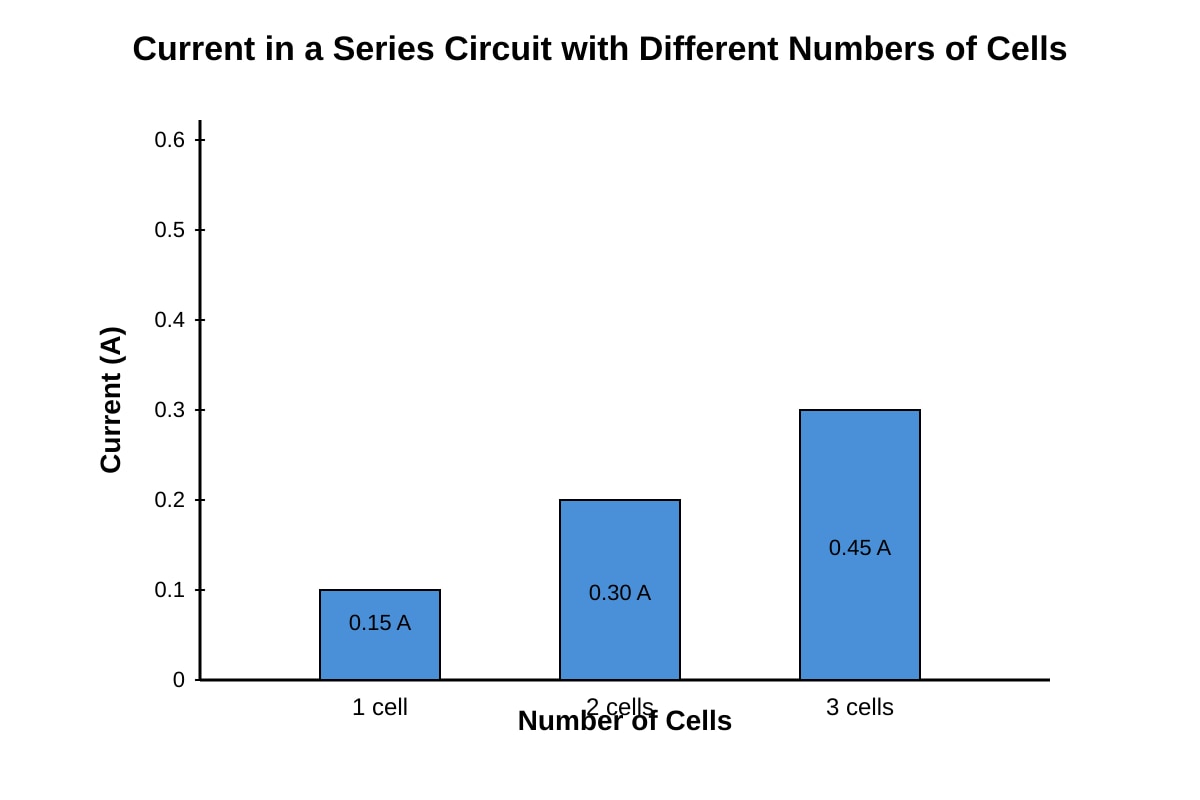
(a) Current increases as number of cells increases [2].
(b) Current is directly proportional to voltage (more cells = more voltage = more current) [2].
Teaching note: From graph bars double/triple.
Section C: Heat, Light, and Matter (14 marks)
Q14 [1 mark]
Higher; lower.
Teaching note: Heat transfer from hot to cold.
Q15 [2 marks]
Metals expand when heated [1]; if no gap, expansion causes buckling [1].
Teaching note: Thermal expansion effect.
Q16 [2 marks]
Ball expands when heated (larger) [1]; no longer fits through ring which is same size [1].
Teaching note: Expansion of solids.
Q17 [1 mark]
Angle of incidence = angle of reflection.
Teaching note: Basic reflection law.
Q18 [2 marks]
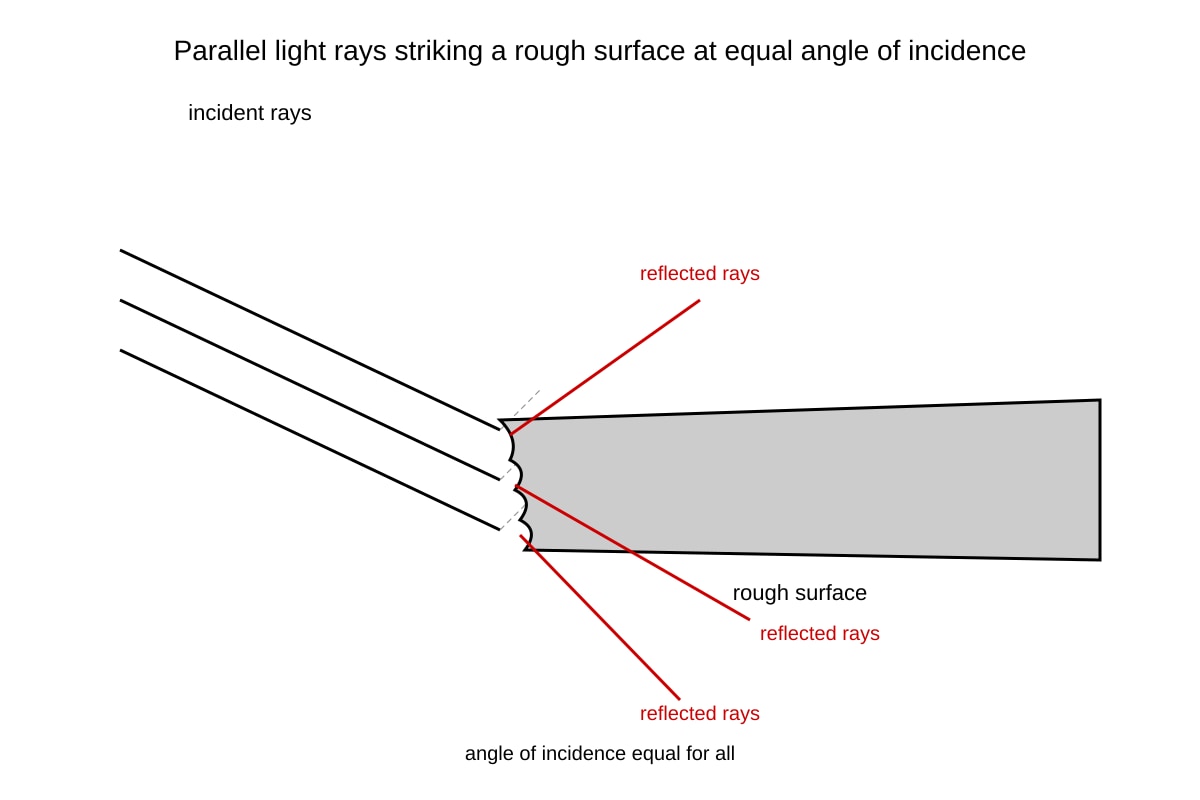
Reflected rays drawn in random directions (diffuse) [2].
Teaching note: Rough surface scatters light.
Q19 [3 marks]
(a) Object floats if density < surrounding liquid [1].
(b) Density = 400 g ÷ 200 cm³ = 2 g/cm³ [1]; 2 > 1 so sinks [1].
Teaching note: Compare densities.
Q20 [3 marks]
Alkaline [1]; universal indicator or litmus (already stated) [1]; soap solution or baking soda solution [1].
Teaching note: pH > 7 alkaline; red litmus blue confirms.