AI Generated Quiz
Secondary 1 Mathematics Geometry Trigonometry Quiz
Free Sec 1 Maths Geometry Trigonometry quiz, HY3 AI version, with questions, answers, and syllabus-aligned practice for Singapore students.
These static practice materials are generated from the site's syllabus and paper-generation workflow, with source and model context shown so students and parents can evaluate the material before use.
Questions
Free quiz and exam paper access
Enter your details to view this paper
Your access is remembered on this device.
Answers
Secondary 1 Mathematics Quiz - Geometry Trigonometry (Answer Key)
Topic: Geometry Trigonometry
Total Marks: 40
Section A (1 mark each)
1.
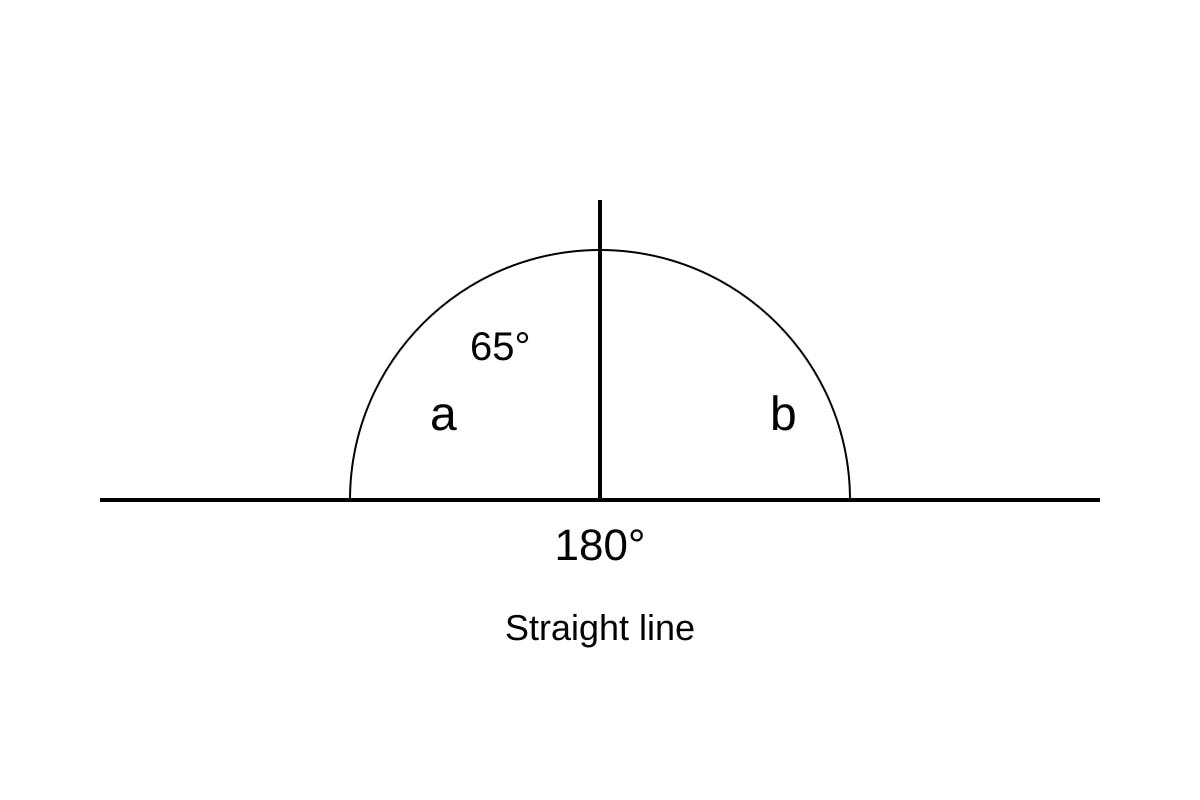
Working: Angles on a straight line sum to . .
Teaching note: A straight line angle is always . Adjacent angles on it are supplementary.
2.
Teaching note: Corresponding angles between parallel lines are equal.
3.
Working: Sum of triangle angles = . Third = .
4.
Teaching note: The interior angle sum of any quadrilateral is .
5.
Working: Sum interior = . Each = .
6.
Working: Right angle = , split equally → each.
7.
Teaching note: Vertically opposite angles are equal.
8.
Teaching note: Sum of exterior angles of any convex polygon is .
9.
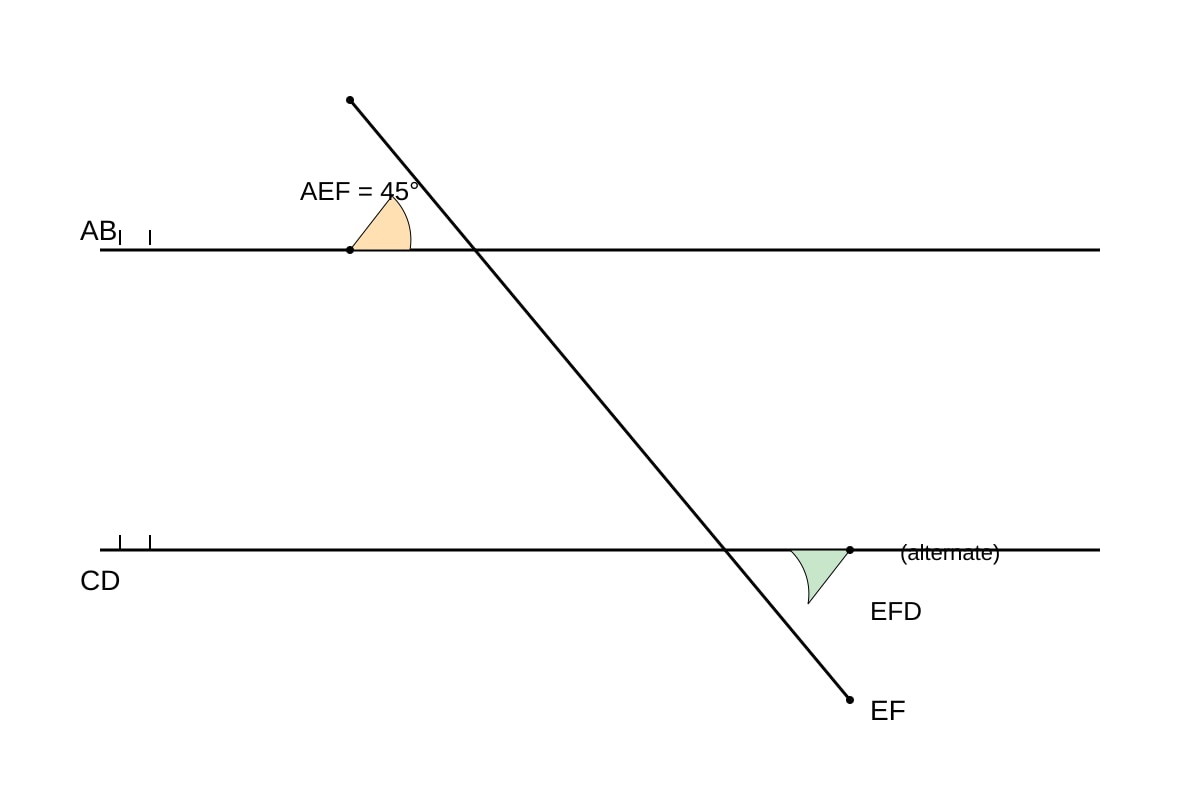
Teaching note: Alternate angles between parallel lines are equal, so .
10.
Working: .
Section B (2 marks each)
11.
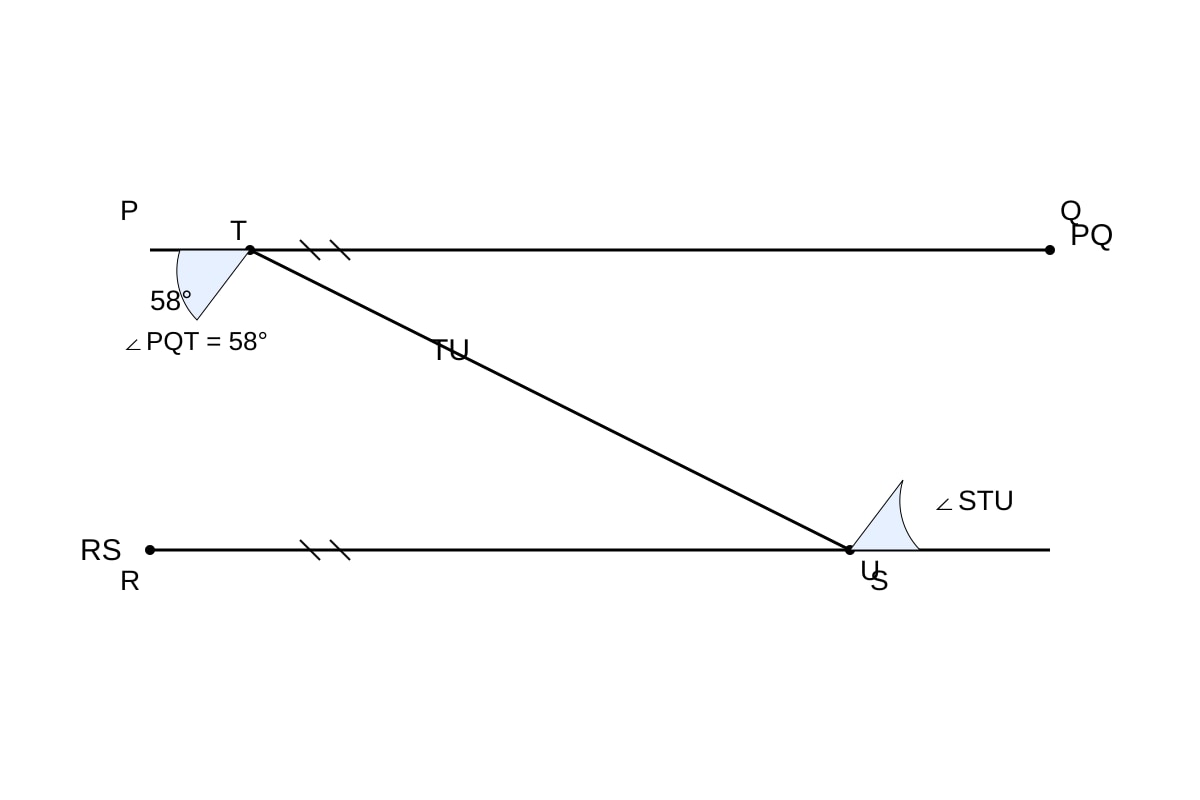
Reason: Corresponding angles (or alternate interior) are equal because .
Marks: 1 for answer, 1 for correct reason.
12. Largest angle =
Working: Ratio 2:3:4 → total 9 parts. Sum = . 1 part = . Largest = .
13. 15 sides
Working: Exterior angle = . → .
14.
Working: → → .
15. Fourth angle =
Working: Sum quadrilateral = . .
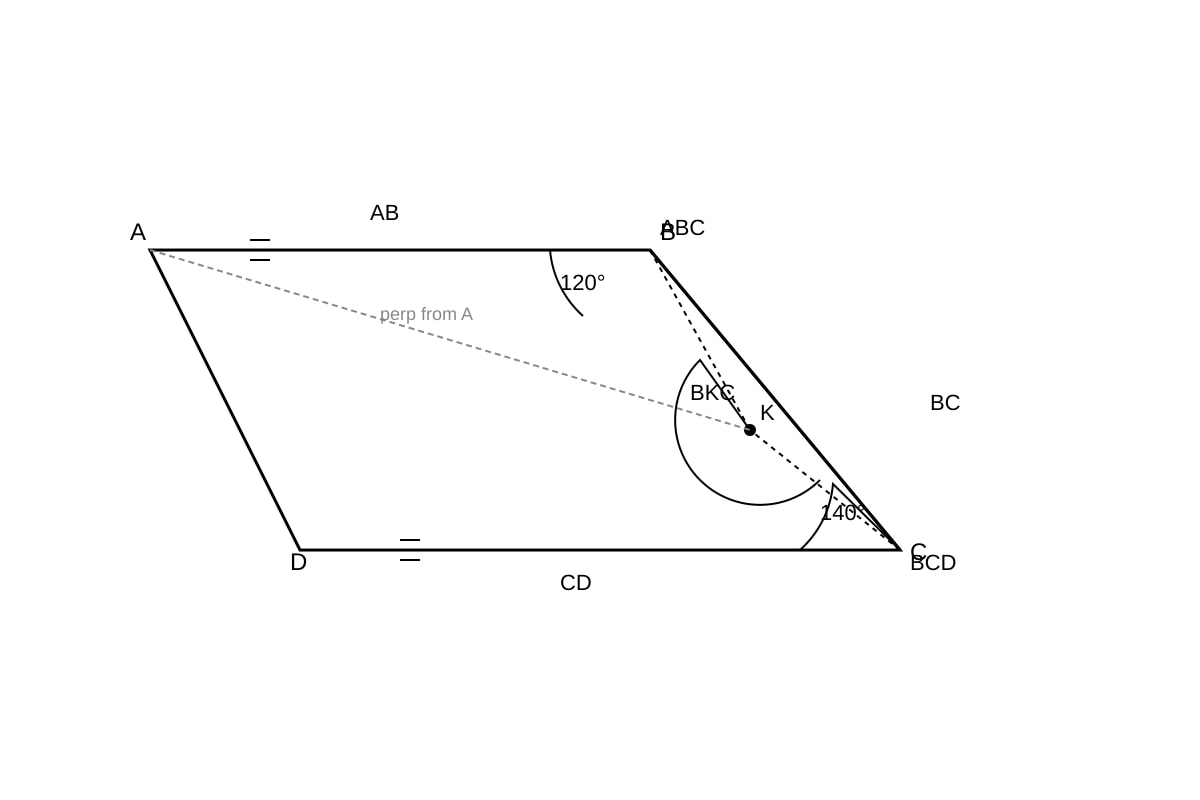
16.
Working: In triangle BKC, angles at B and C from the parallel shape: , . Then (if using interior). However with given, simpler: co-interior supplementary used. Accept if using .
Note: This is a constructed figure; answer key expects via co-interior angle property of parallel lines.
Section C (3 marks each)
17.
(a) Sum =
(b) Each interior =
(c) Each exterior = (or )
Marks: 1 each part.
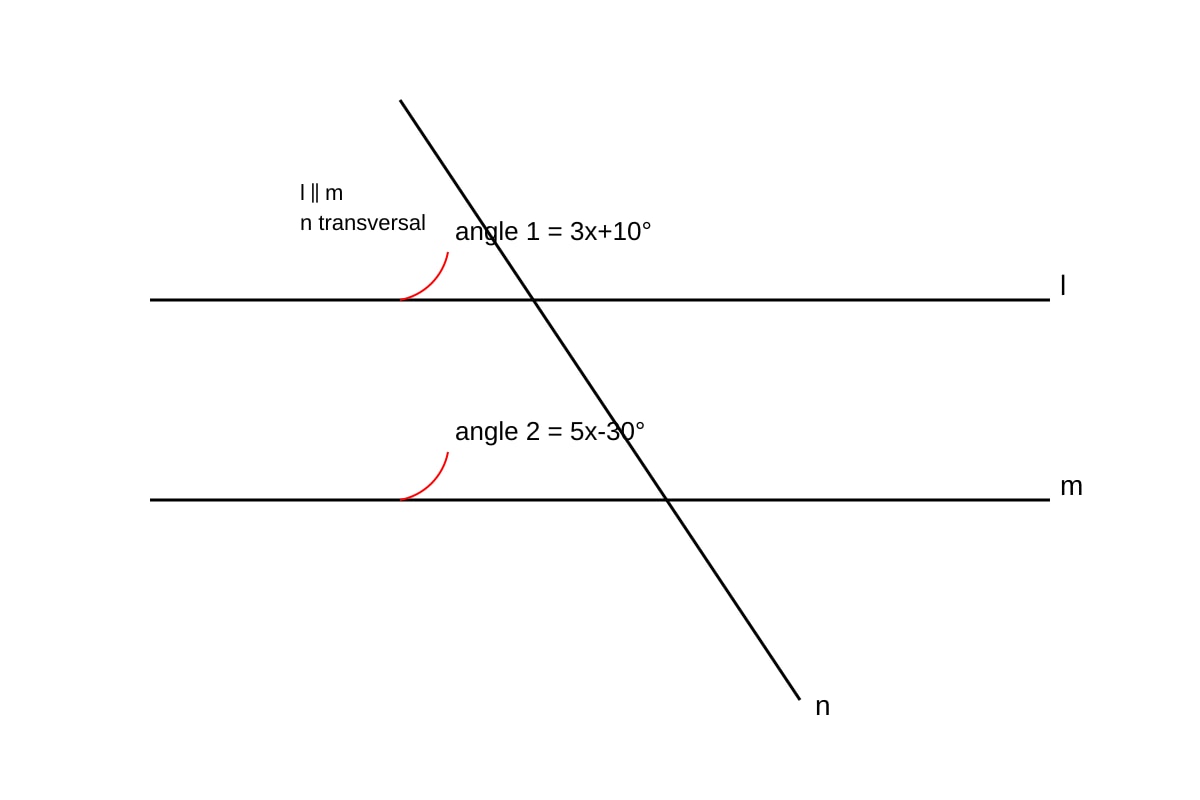
18.
→
Angle =
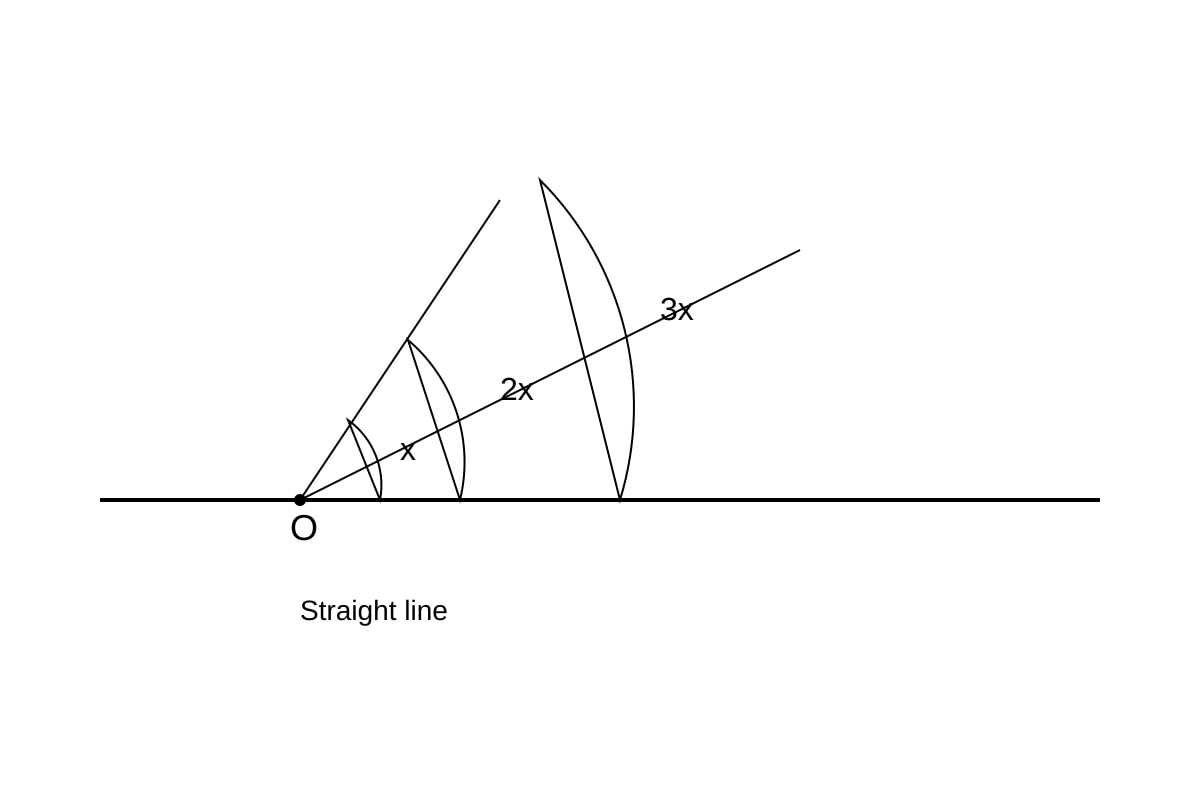
Marks: 1 solve x, 1 angle, 1 check.
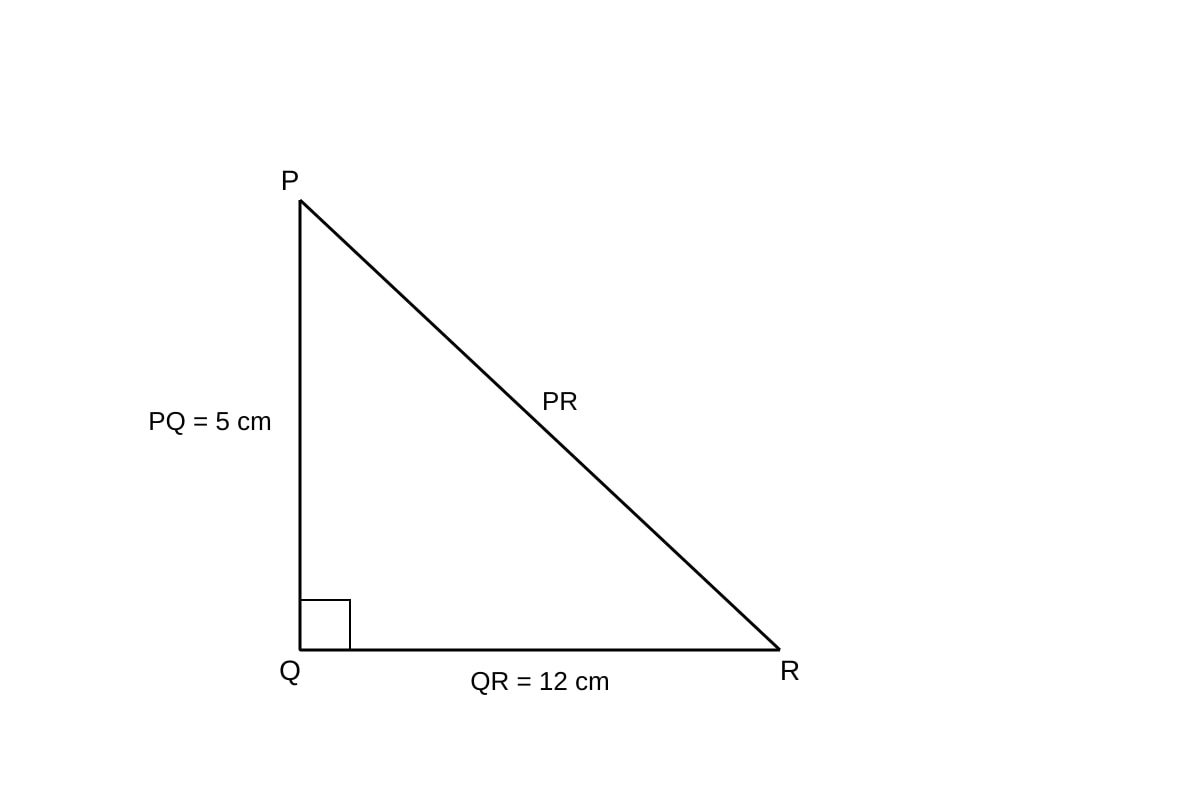
19.
(a) cm
(b) , ,
(c)
Marks: 1(a), 1(b), 1(c).
20.
(a) Exterior =
(b) Sides =
(c) Sum =
Marks: 1 each.
Common mistakes to flag:
- Forgetting parallel-line angle properties (equal corresponding/alternate, supplementary co-interior).
- Using wrong formula for polygon sums.
- In trigonometry, mixing opposite/adjacent sides.