AI Generated Quiz
Primary 6 PSLE Science Life Cycles Quiz
Free P6 PSLE Science Life Cycles quiz, HY3 AI version, with questions, answers, and PSLE-focused practice for Singapore students.
These static practice materials are generated from the site's syllabus and paper-generation workflow, with source and model context shown so students and parents can evaluate the material before use.
Questions
Free quiz and exam paper access
Enter your details to view this paper
Your access is remembered on this device.
Answers
Primary 6 PSLE Science Quiz - Life Cycles (Answer Key)
Total Marks: 40
Topic: Life Cycles (syllabus-first, LLM-inferred; not past-year derived)
Section A Answers (1 mark each)
-
B (Egg → Larva → Pupa → Adult)
Teaching note: Butterflies go through complete metamorphosis. The larva is the caterpillar, then it forms a pupa (chrysalis), and finally emerges as an adult. Option A swaps larva and pupa. -
A (Tadpole)
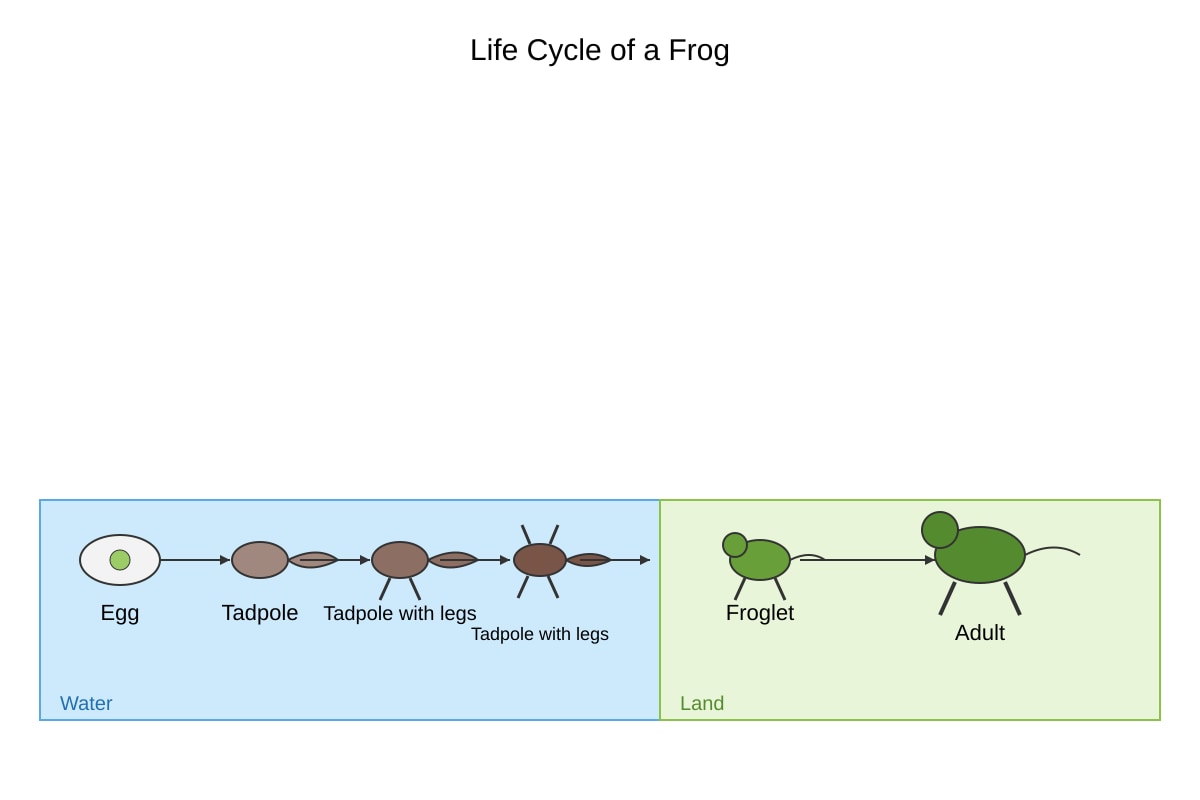
Teaching note: Frog eggs hatch into tadpoles in water. The tadpole then grows legs and becomes a froglet before adult. -
C (Hen)
Teaching note: Hen is a bird and develops directly from egg to chick without a pupa stage. Butterfly, mosquito, beetle are insects with pupa stage. -
B (Larva)
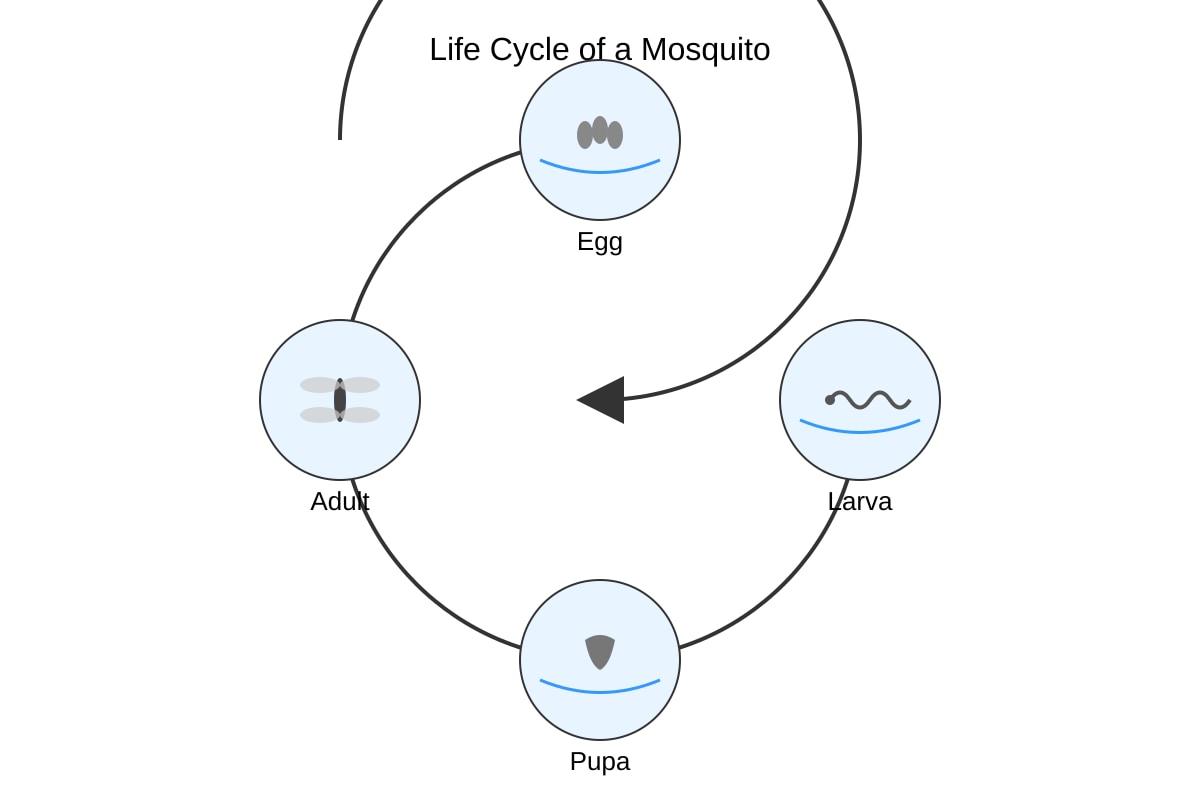
Teaching note: From the diagram, the larva is the stage after egg, shown in water as a wriggling worm-like form. Pupa is also in water but does not wriggle like a worm. -
C (Direct development)
Teaching note: Chicken grows from egg to adult with same basic body plan (no pupa, no drastic change). Not metamorphosis. -
B (Fern)
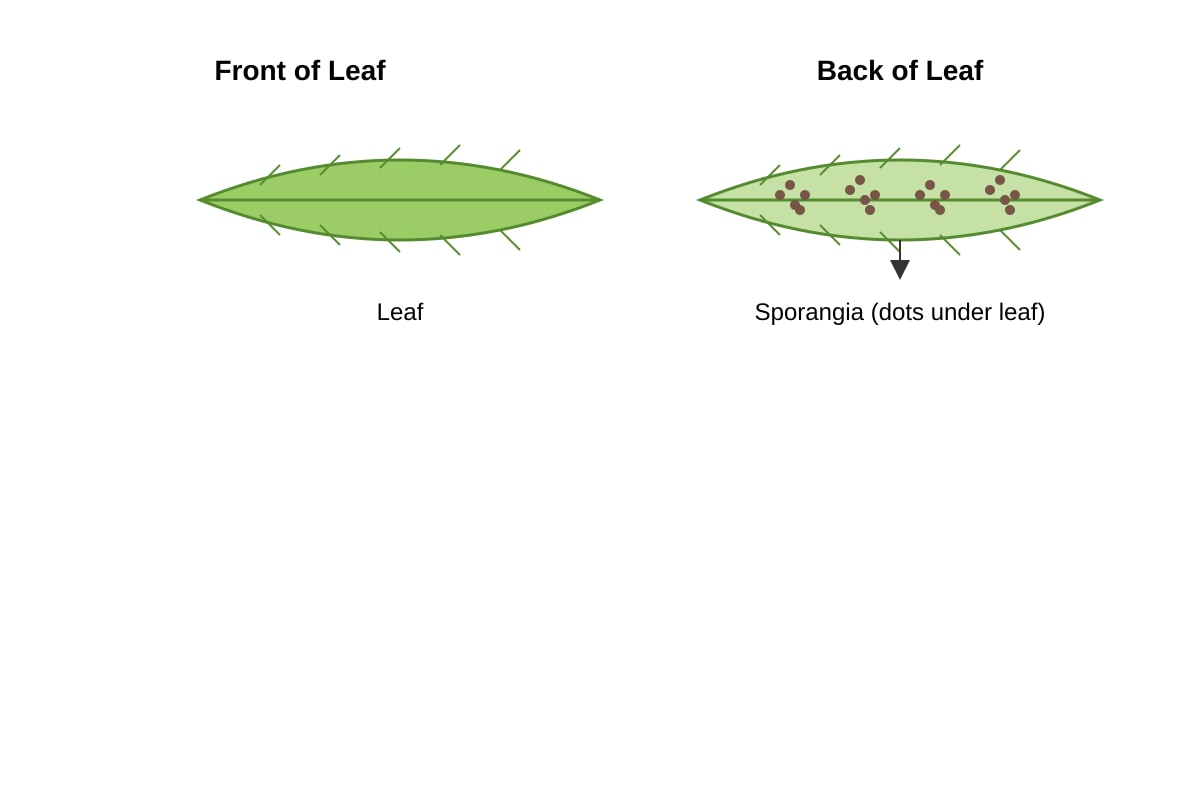
Teaching note: Ferns reproduce by spores found under leaves, not by seeds like flowering plants. -
C (Old person)
Teaching note: Human life cycle stages include baby, child, teenager, adult, and old person. Pupa/tadpole/larva are insect/amphibian stages. -
B (Seeds)
Teaching note: Bean is a seed plant; the seed grows into a new plant. Spores (ferns), budding (yeast), fragmentation (some worms) are other methods. -
B (Dragonfly)
Teaching note: Dragonfly has incomplete metamorphosis: egg → nymph → adult. Butterfly/bee/fly have complete metamorphosis with pupa. -
B (To grow, develop, and produce offspring)
Teaching note: Life cycles ensure survival of the species by growth and reproduction.
Section B Answers (2 marks each)
- Differences (any two correct):
- Butterfly goes through complete metamorphosis (egg, larva, pupa, adult); chicken has direct development (egg, chick, adult).
- Butterfly has a pupa stage; chicken does not.
- Butterfly larva looks very different from adult; chicken chick looks like small adult.
Marking: 1 mark per correct difference.
-
Metamorphosis means the animal changes its body form greatly during its life cycle (1 mark). In insects, it includes stages like larva and pupa before becoming adult (1 mark).
Teaching note: Example: caterpillar to butterfly. -
Egg-laying: Hen / Turtle / Fish (any correct, 1 mark)
Live birth: Cow / Cat / Human (any correct, 1 mark) -
The dots are sporangia (or spore cases) (1 mark). They produce and release spores which grow into new fern plants (1 mark).
Teaching note: Spores are tiny cells that can grow into new individuals without joining with another cell. -
The change lets the frog live on land as an adult (1 mark) because lungs and skin can take in oxygen from air, while gills only work in water (1 mark).
Teaching note: This supports the shift from aquatic tadpole to terrestrial adult. -
Any two: reproduce (have offspring), grow, find food, avoid danger (2 marks, 1 each).
Common mistake: Saying "play" or "sleep" – not directly ensuring continuation.
Section C Answers
-
(a) Eats and grows (or feeds continuously) (1 mark).
(b) Pupa stage is where the caterpillar's body is reorganised into the adult butterfly (1 mark); it does not feed and changes form completely (1 mark).
Marking descriptors: 1 mark for "change/transform", 1 mark for "no feeding / resting / reorganisation". -
(a) Tadpole with front and hind legs (or froglet if tail still present – accept "tadpole with legs") (1 mark).
(b) Tadpole uses gills to breathe in water (1 mark); adult uses lungs and skin to breathe air on land (1 mark).
From image: Diagram shows water stages then land stages. -
(a) No (1 mark). Reason: Some animals like humans and cows give birth to live young.
(b) Example: Human / Cow / Dog (1 mark) gives birth to live young (1 mark).
Teaching note: Live birth means baby develops inside mother and is born alive. -
(a) By seeds and by spores (or cuttings/budding) (2 marks, 1 each).
(b) Reproduction makes new plants so the species does not die out (1 mark); it continues the life cycle (1 mark).
Teaching note: Without reproduction, the plant kind would disappear.