AI Generated Exam Paper
Primary 6 PSLE Science Practice Paper 1
Free P6 PSLE Science Practice Paper 1, HY3 AI version, with questions, answers, and PSLE-focused practice for Singapore students.
These static practice materials are generated from the site's syllabus and paper-generation workflow, with source and model context shown so students and parents can evaluate the material before use.
Questions
Free quiz and exam paper access
Enter your details to view this paper
Your access is remembered on this device.
Answers
TuitionGoWhere Practice Paper — Answer Key (Version 1 of 5)
Subject: Science
Level: Primary 6 PSLE
Topic: Diversity
Total Marks: 40
Section A (10 marks)
1. B [1]
Teaching note: Diversity means there are many different living things with different characteristics (e.g., different shapes, sizes, habitats). A, C, D are wrong because they say things are alike or only one group can be classified.
2. C [1]
Teaching note: Producers (usually plants) make their own food using sunlight in photosynthesis. Consumers eat others; decomposers break down dead matter; predators hunt.
3. B [1]
Teaching note: A population is a group of the same kind of organisms living and reproducing together in a place (e.g., all grasshoppers in a field). A is one organism; C is a habitat; D is a community.
4. B [1]
Teaching note: A habitat is the natural home of organisms (e.g., mangrove swamp, pond). A is an organism; C is a feeding relationship; D is a community.
5. B [1]
Teaching note: Spines are a body feature → structural adaptation that reduces water loss in dry places.
6. C [1]
Teaching note: Rabbit eats plants → consumer. Grass and tree are producers; mushroom is decomposer.
7. B [1]
Teaching note: Energy flows Sun → Producer (plant) → Consumer (animal). Arrows show direction of energy transfer.
8. C [1]
Teaching note: Deforestation destroys habitats (negative). A, B, D are positive actions.
9. B [1]
Teaching note: Community = many populations of different species living together in a place.
10. B [1]
Teaching note: Moving to warmer places is an action → behavioural adaptation.
Section B (12 marks)
11. [2]
Accept any two of: temperature, light, water availability, availability of food, presence of other organisms.
(1 mark each, max 2)
Teaching note: These are physical or biological factors from syllabus that affect survival.
12. [2]
Role: Break down dead organisms and waste, returning nutrients to the environment. [1]
Example: fungus / bacteria / mushroom. [1]
Teaching note: Decomposers are not producers or consumers; they recycle matter.
13. [2]
Fish live in water, so gills are a structural adaptation that allow them to take in oxygen dissolved in water. [1] Lungs would not work underwater. [1]
Teaching note: Link structure (gills) to function (breathing in water) via adaptation.
14. [2]
Any two: conservation, reforestation, building nature reserves, cleaning rivers, reducing pollution. (1 mark each)
Teaching note: Positive impacts help the environment.
15. [2]
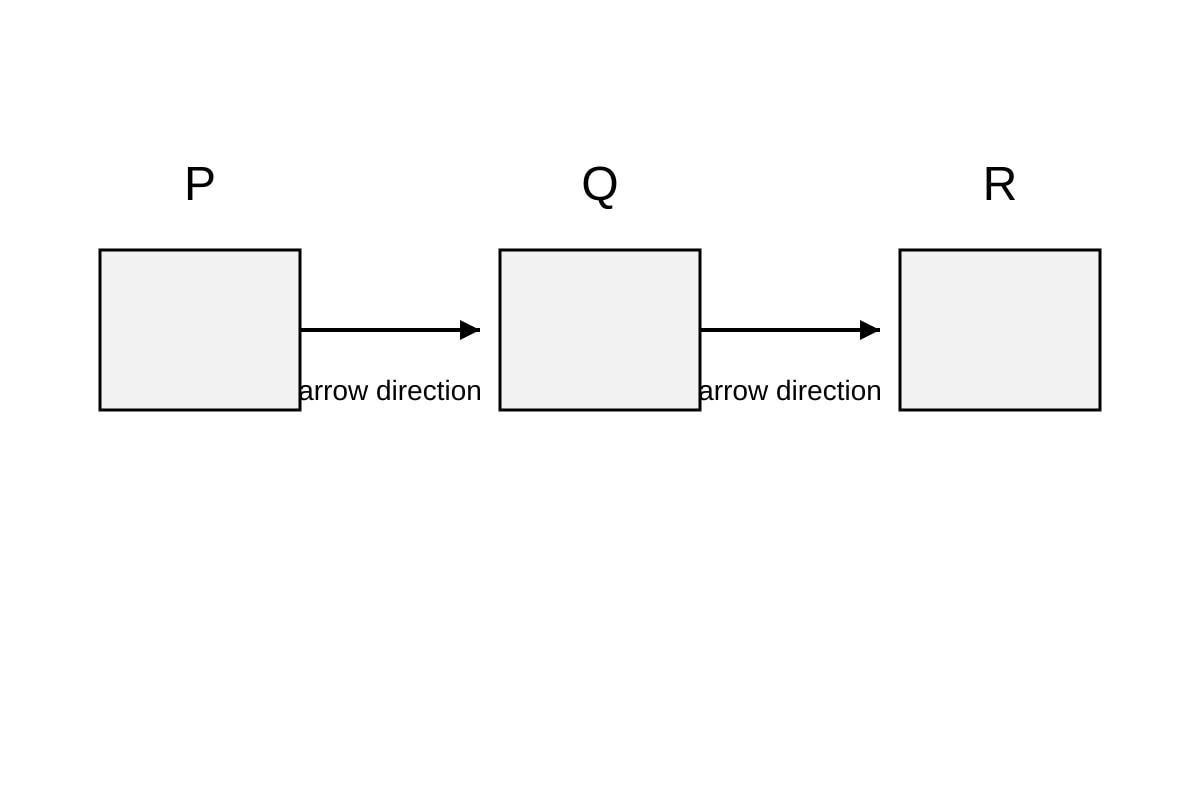
P: Producer [1] Q: Consumer [1] R: Decomposer (or higher consumer if web; for chain: decomposer or top consumer acceptable with reason)
Expected visual: three boxes left→right P→Q→R. Standard PSLE chain: P=Producer (e.g., plant), Q=Primary consumer (e.g., grasshopper), R=Secondary consumer or decomposer. For strict chain we accept P=Producer, Q=Consumer, R=Decomposer.
Teaching note: Energy flows left to right; producers first.
16. [2]
Structural: sharp claws / strong legs / camouflage fur. [1]
Behavioural: hunting in groups / resting in shade. [1]
Teaching note: Structural = body part; behavioural = action.
Section C (8 marks)
17. [4 total: 1+1+2]
(a) Water lilies [1]
(b) Tadpoles / frogs / dragonfly larvae (any one) [1]
(c) Frog population would decrease [1] because frogs depend on water lilies for food or shelter / tadpoles lose habitat. [1]
Teaching note: Producers support consumers; removing them breaks the chain.
18. [3 total: 1+2]
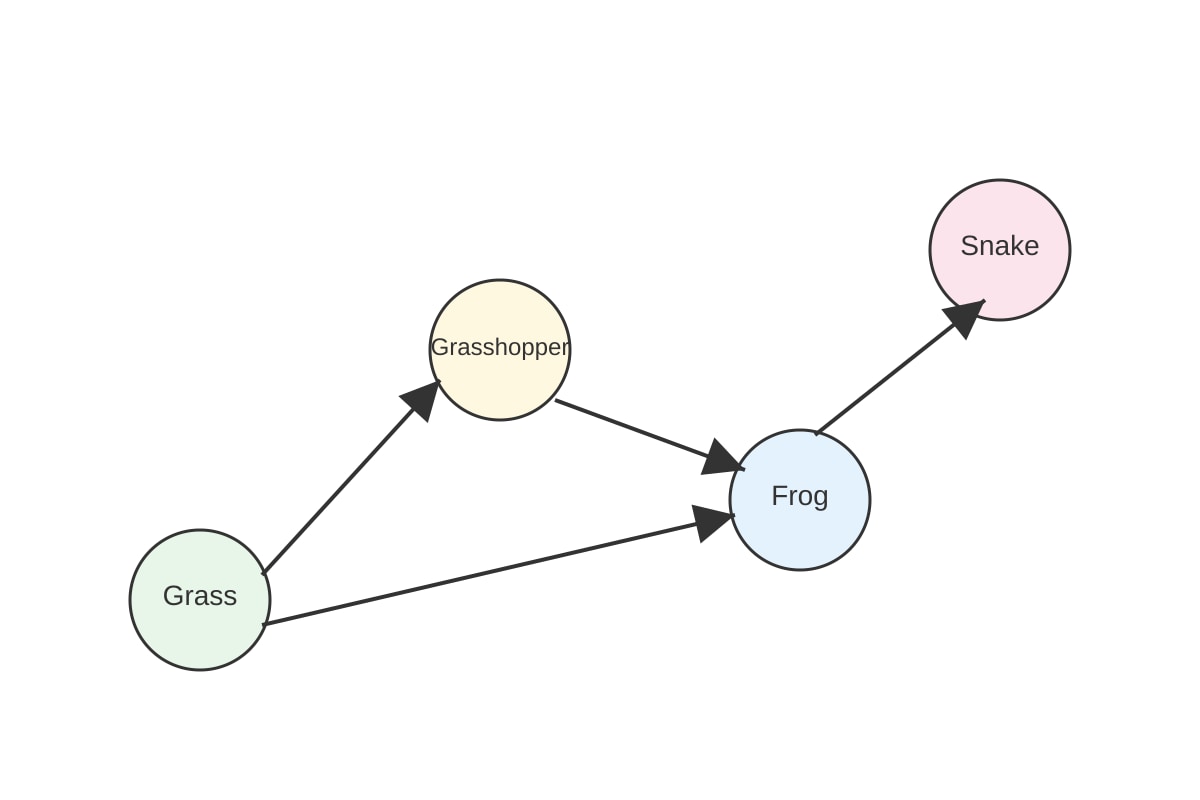
(a) Grasshopper and Frog [1] (both eat Grass)
(b) Grasshopper population may increase [1] because Frog (a predator of Grasshopper) may have less food if Snake gone? Actually Snake eats Frog, so removing Snake → more Frogs → more Frogs eat Grasshoppers → Grasshopper population decreases. [1] Clear link: Snake removed → frog population rises → more grasshoppers eaten → grasshopper numbers fall.
Teaching note: Food web shows interconnections; removing one affects others.
19. [2]
No, she is not correct. [1] A population is one species; a forest has many populations which form a community. [1]
Teaching note: Use terms: organism, population, community.
20. [2 total: 1+1]
(a) Warmer water may hold less oxygen / fish may not survive the temperature change. [1]
(b) Cool the water before release / treat factory water / reduce warm discharge. [1]
Teaching note: Man's impact can be reduced by better practices.
End of Answer Key