AI Generated Exam Paper
Primary 6 PSLE Chinese Practice Paper 3
Free P6 PSLE Chinese Practice Paper 3, Kimi2.6 AI version, with questions, answers, and PSLE-focused practice for Singapore students.
These static practice materials are generated from the site's syllabus and paper-generation workflow, with source and model context shown so students and parents can evaluate the material before use.
Questions
Free quiz and exam paper access
Enter your details to view this paper
Your access is remembered on this device.
Answers
TuitionGoWhere Practice Paper - Chinese Primary 6 PSLE
Answer Key and Marking Scheme — Version 3 of 5
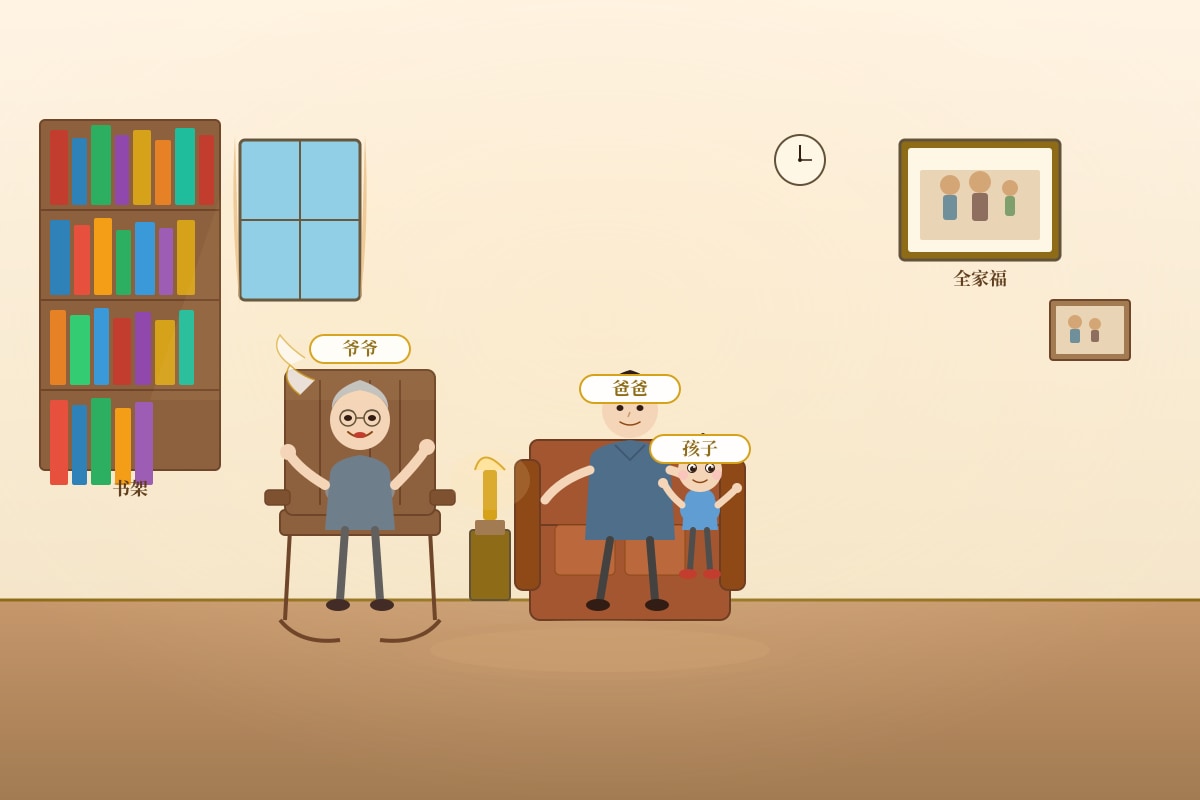
Total Marks: 100 marks
Section A: Vocabulary and Language Use (语言运用)
Question 1 (2 marks)
Answer: B. 骄兵必败
Explanation: This idiom (成语) means "an arrogant army is bound to lose." The context describes someone becoming arrogant (骄傲自满) after a competition, needing a lesson about the dangers of arrogance.
- "欲速则不达" (haste makes waste) — about rushing, not arrogance ×
- "骄兵必败" (arrogant troops must fail) — directly matches the context ✓
- "熟能生巧" (practice makes perfect) — about skill development, irrelevant ×
- "锲而不舍" (perseverance) — about persistence, not the warning needed here ×
Teaching note: The key clue is "再也不敢骄傲自满" — we need an idiom warning against骄傲. 骄 in 骄兵必败 directly connects to 骄傲.
Common mistake: Choosing D because it's also positive-sounding, but the context needs a warning, not encouragement.
Question 2 (2 marks)
Answer: C. 尽心尽力
Explanation: 尽心尽力 means "with all one's heart and effort." The context describes preparing dinner for a warm family evening, requiring positive, dedicated effort.
- "心不在焉" (absent-minded) — negative, contradicts the warm purpose ×
- "手忙脚乱" (flustered, in a rush) — suggests panic, not care ×
- "尽心尽力" — wholehearted effort, matches the loving intention ✓
- "敷衍了事" (perfunctory, careless) — negative, opposite meaning ×
Question 3 (2 marks)
Answer: D. 百折不挠
Explanation: All options mean persistence, but with different emphases:
- 坚持不懈: unremitting, continuous effort
- 锲而不舍: persistent like carving (from "can't give up carving")
- 持之以恒: persevere with constancy
- 百折不挠: undaunted by repeated setbacks — specifically emphasizes overcoming挫折 (frustration/setbacks)
The phrase "面对困难" (facing difficulties/挫折) makes D most precise, as it includes the meaning of overcoming repeated hardships.
Question 4 (2 marks)
Answer: A. 生动形象
Explanation: The key phrase "仿佛身临其境" (as if personally on the scene) indicates vivid, sensory writing that makes readers feel present. 生动形象 (vivid and concrete) directly produces this effect.
- B is neutral about clarity, not vividness
- C and D are negative, contradicting the positive context
Question 5 (2 marks)
Answer: A. 阿谀奉承
Explanation: The context establishes "正直" (upright/integrity) and "深受信任" (deeply trusted) as positive traits. The blank needs a negative behavior that an upright person avoids.
- "阿谀奉承" (fawn on, flatter obsequiously) — negative behavior, opposite of正直 ✓
- "直言不讳" (speak without reserve) — positive, similar to正直 ×
- "光明磊落" — positive, synonymous with正直 ×
- "坦诚相待" (treat with honesty) — positive ×
Double negative structure: "从不阿谀奉承" = does NOT flatter = maintains integrity.
Question 6 (3 marks)
Sample answer: 虽然天气十分炎热,但是工人们仍然坚持在工地上劳动。
Marking breakdown:
- Correct use of "虽然……但是……" structure: 1 mark
- Logical contrast between the two clauses: 1 mark
- Complete, grammatically correct sentence: 1 mark
Teaching note: 虽然 introduces a concession/contrast; 但是 introduces the unexpected result. The two parts must show genuine contrast, not just sequence.
Question 7 (3 marks)
Answer: 院子里的花盆被大风吹倒了。
Marking breakdown:
- Correct 被 structure: [Receiver] + 被 + [Doer] + [Action]: 1 mark
- All original meaning preserved: 1 mark
- Correct word order, no missing elements: 1 mark
Teaching note: 把 sentence = [Doer] + 把 + [Receiver] + [Action]
被 sentence = [Receiver] + 被 + [Doer] + [Action]
The doer (大风) and action (吹倒了) remain; only the subject-object relationship reverses.
Question 8 (3 marks)
Sample answer: 他不但学习勤奋,而且乐于助人。
Marking breakdown:
- Correct 不但……而且…… structure: 1 mark
- Logical progressive relationship (后者比前者更进一步): 1 mark
- No redundancy, smooth connection: 1 mark
Teaching note: 不但……而且…… expresses a progressive/concessive relationship where the second part adds or intensifies beyond the first. Both clauses share the same subject here (他).
Question 9 (3 marks)
Marking breakdown:
- Correctly identify both as sensory descriptions using触觉 (touch): 1 mark
- Explain 春风拂面: gentle, comfortable, pleasant spring breeze: 1 mark
- Explain 寒风刺骨: painful, piercing, uncomfortable cold wind: 1 mark
Sample answer: 两个词语都运用了触觉描写。"春风拂面"写出春风轻柔、温暖、令人舒适的感觉;"寒风刺骨"则写出寒风尖锐、冰冷、令人疼痛的感觉。前者表达愉悦美好的感受,后者表达难受痛苦的感受,形成鲜明对比。
Question 10 (3 marks)
Sample answer: 我一回到家,妈妈就开始准备晚餐了。
Marking breakdown:
- Correct 一……就…… structure showing immediate succession: 1 mark
- Preserved original meaning: 1 mark
- Correct word order: 1 mark
Teaching note: 一……就…… = "as soon as... then..." indicating two actions happening in quick sequence, with the first triggering the second immediately.
Section B: Reading Comprehension Short Passages
Question 11 (4 marks)
Answer: 运用了比喻的修辞手法。
Analysis:
- 本体 (tenor): 火苗的形态
- 喻体 (vehicle): 爷爷讲故事时闪烁的眼睛
- 相似点: 跳动、闪烁、温暖、充满生命力
表达效果 (2 marks):
- 生动形象地写出了煤油灯火苗忽明忽暗、微微跳动的动态美
- 将火苗与爷爷的眼睛联系起来,暗示爷爷的生命力和故事的生命力融为一体,表达了"我"对爷爷的温暖记忆和深厚感情
Common mistake: Saying only "比喻" without analyzing 闪烁 or the emotional connection to爷爷.
Question 12 (4 marks)
Marking breakdown:
- 表层含义 (literal): 煤油灯的物理光亮要继续使用、代代保存: 1 mark
- 深层含义—读书传统 (figurative layer 1): 家里重视教育、勤奋学习的家风要传承: 2 marks
- 深层含义—精神传承 (figurative layer 2): 不畏艰难、坚持不懈的精神要代代相传: 1 mark
Sample answer: 表面上指煤油灯要保存好,一代代用下去。深层含义是:①家里重视读书、勤奋好学的传统要代代相传——曾祖父在灯下读书考上学堂,爷爷靠灯下读书成为村里第一个文化人,爸爸也在灯下读书;②更重要的是那种在艰苦环境中仍然坚持学习、不屈不挠的精神要传承下去。"光"象征着知识、希望和精神力量。
Question 13 (5 marks)
Marking breakdown:
情感象征角度 (3 marks):
- 煤油灯是家族的"传家宝",承载着三代人的记忆和情感: 1 mark
- 爷爷把灯传给"我",是希望"我"记住家族历史和读书传统: 1 mark
- 灯座上的"继学"二字,明确表达了继续学习的期望: 1 mark
实际作用角度 (2 marks):
- 点灯的行为创造了一种仪式感,让学习变得庄重、专注: 1 mark
- 火苗的视觉特点和气味,帮助"我"进入学习状态,与祖辈产生精神连接: 1 mark
Question 14 (4 marks)
Marking breakdown:
- 理解"亮下去"的表层与深层含义: 1 mark
- 结合三代人传承的具体内容: 2 marks
- 联系到"我"对未来的期望和行动: 1 mark
Sample answer: "亮下去"既指煤油灯的火焰会继续燃烧,更指家族读书的传统和勤奋向学的精神会持续传承。从曾祖父到爷爷、到爸爸,再到"我",每一代人都在灯下学习、成长。"我"现在把灯放在书桌上,意味着"我"要接过这份责任,继续努力学习,并把这种精神传给自己的后代。这句话表达了作者对家族传统的珍视和对未来的信心。
Question 15 (4 marks)
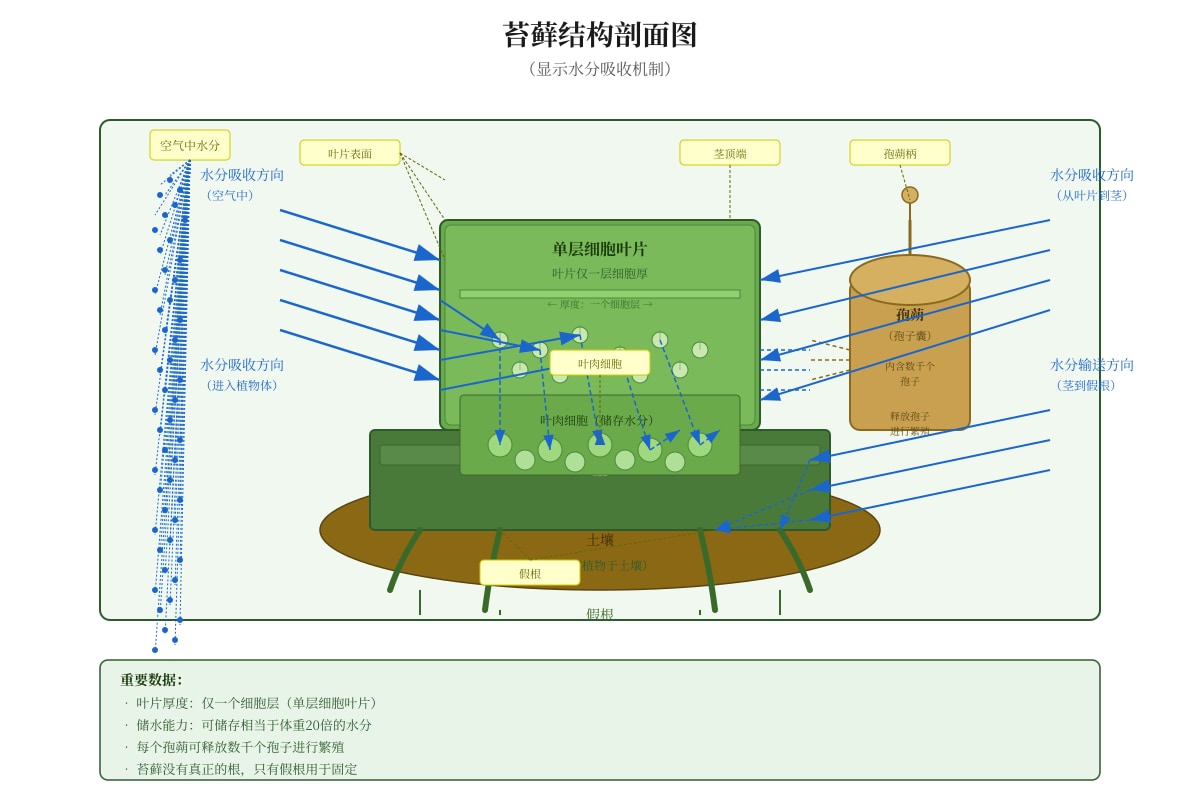
| 苔藓的生存本领 | 具体表现 |
|---|---|
| 超强的吸水能力 | 单层细胞叶片直接从空气中吸水;拳头大小可储存自身体重20倍的水 |
| 特殊的繁殖方式 | 依靠孢子繁殖;一个孢蒴含数千颗孢子,随风飘散 |
| 惊人的再生能力 | 切成碎片后每片都能长成新植株;科学家用于铺设"绿毯"防止土壤流失 |
Marking: 1-2 correct rows = 1 mark; 3 correct rows = 3 marks; accurate, complete details = 4 marks
Question 16 (5 marks)
"蓄水池" (2 marks):
- 苔藓在干旱时能保存大量水分(自身体重20倍)
- 像一个储存水的水库,在缺水时提供水分储备
"海绵" (2 marks):
- 苔藓在下雨时迅速吸收空气中的水分
- 像海绵一样具有快速吸水的特性
两者关系 (1 mark):
- 这两个比喻说明苔藓在不同环境条件下都能有效管理水分,是其适应干旱环境的关键策略
Question 17 (5 marks)
比喻依据 (3 marks):
- 苔藓对空气污染极其敏感,在污染重的城市难以存活
- 如同"仪器"能检测、显示空气质量状况
- 有"苔藓消失的地方,空气就不安全"的说法作为理论支撑
优点 (2 marks):
- 天然、环保,不需要能源和复杂设备
- 直观可见,普通人也能判断(有苔藓=空气好,无苔藓=可能污染)
- 持续监测,实时反映环境变化
Question 18 (6 marks)
Marking breakdown:
解释"顽强" (2 marks):
- 苔藓能在岩石、树皮、砖缝等最贫瘠环境中生存
- 具有超强吸水、孢子繁殖、碎片再生三大本领,适应力极强
解释"脆弱" (2 marks):
- 对空气污染极其敏感,稍有污染就无法存活
- 这种敏感性使其"最顽强"的生存能力在污染面前失效
理解矛盾统一 (2 marks):
- 两个词语从不同角度描述:顽强是对自然环境(贫瘠)的适应;脆弱是对人为污染(化学)的敏感
- 深层含义:真正的生命力依赖于纯净的环境,警示人类要保护自然;或者:越是能忍受自然艰苦的生命,越无法承受人为的破坏
Section C: Reading Comprehension Long Passage
Question 19 (5 marks)
结构角度 (2 marks):
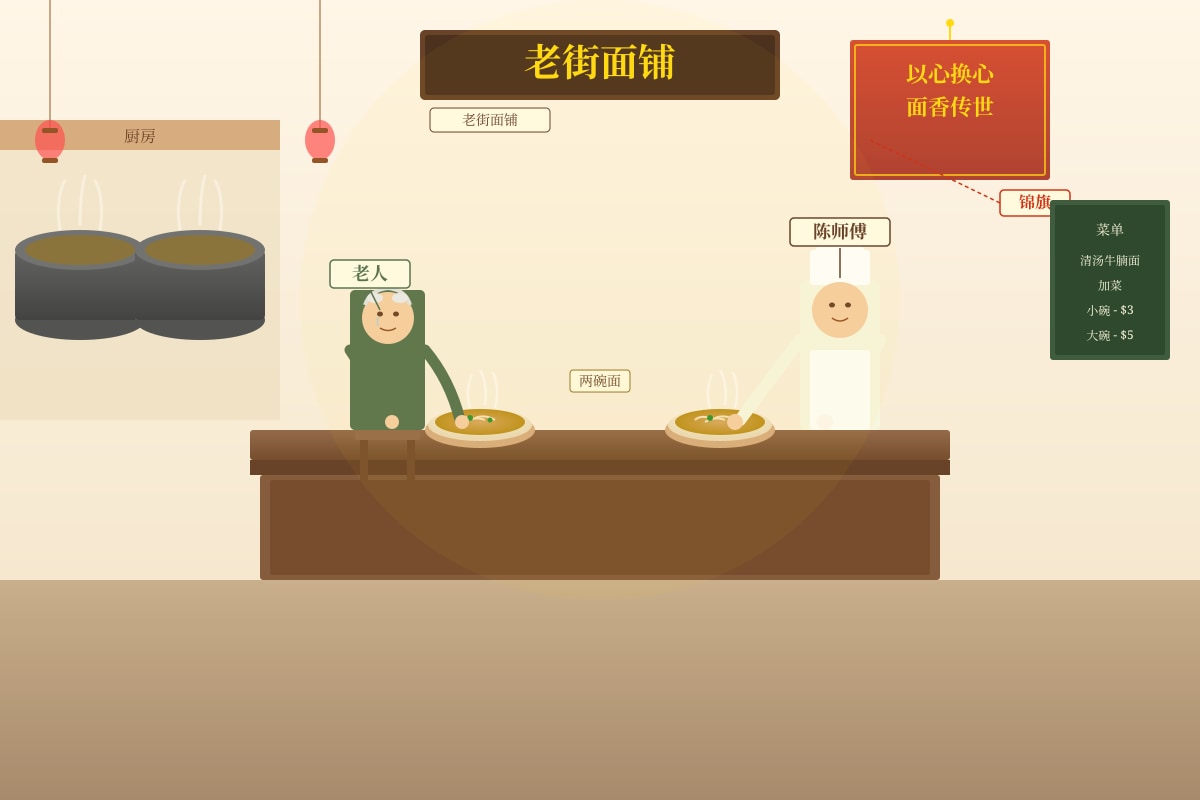
- 铺垫/伏笔 (foreshadowing): 为后文揭示陈师傅"用心"做面的品质做铺垫
- 对比/反差: 后文写他宁可送面给老人也不急着多卖,突出精神品质高于物质利益
内容角度 (3 marks):
- 说明面受欢迎,间接表现陈师傅手艺高超: 1 mark
- "用心"是根本原因,为全文主题"以心换心"埋下伏笔: 1 mark
- 引发读者好奇:为什么这么受欢迎?吸引阅读兴趣: 1 mark
Question 20 (5 marks)
性格特点分析:
| 细节 | 表现的品质 | 分析 |
|---|---|---|
| 主动招呼"坐" | 热情好客 | 不因对方衣着破旧而冷淡 |
| "看看也欢迎" | 尊重他人 | 接纳对方的不确定、犹豫 |
| 端来热茶 | 体贴关怀 | 用"热茶"温暖身体,更温暖人心 |
深层分析 (2 marks):
- 陈师傅的回应展现了他的敏锐观察力(察觉老人的窘迫)和高情商(不给对方压力,用最低的姿态邀请)
- 一杯"热茶"在老人"两天没吃东西"的处境下,既是实际的需要,更是精神上的尊重——把"看看"的人也当作客人
Question 21 (6 marks)
(a) 为什么这样说 (3 marks):
- 维护尊严 (1 mark): 老人自尊心强,直接施舍会让他感到难堪、接受施舍的压力
- 给予尊重 (1 mark): "帮我尝尝咸淡"把老人变成"帮助者""有技能的人",让他以平等身份参与,而非接受恩惠
- 保留体面 (1 mark): "调新配方"给老人一个自然接受的理由,是"工作"而非"救济"
(b) 其他细节 (3 marks):
- "两碗都是给他的"的察觉与默契 (1 mark): 老人"明白"但不说破,陈师傅心照不宣,保护彼此的体面
- "塞给他一些钱"说成"买车票,找儿子" (1 mark): 钱是"借"的用途,不是"给"的施舍,有归还/正当使用的理由
- "我这儿缺人手" (1 mark): 给老人回来找工作的理由,不是"施舍一张饭票",而是"需要你劳动"
Question 22 (6 marks)
"竟然"的表达效果:
- 出乎意料 (2 marks): 读者和陈师傅都以为老人只是普通穷人,结果是"退休的面点大师",身份反差大
- 情节转折 (2 marks): 使故事从"单向帮助"转向"双向受益",推动后续老人回来教做面的情节
- 主题深化 (2 marks): 暗示尊重每一个人的重要性——任何人的身份都可能超出表面;也暗示陈师傅的善良得到超越物质的回报,但更重要的是证明了"用心"能发现每个人的价值
Question 23 (6 marks)
Marking breakdown:
以心换心 (3 marks):
- 陈师傅用心帮助老人:维护尊严、提供工作机会、真诚关怀
- 老人用心回报:带回技术传授、带来儿子支持、以锦旗致谢
- 双方在"用心"的交流中建立深厚的信任和情谊
面香传世 (3 marks):
- 字面:面的味道因两位师傅的合力而更加醇厚,手艺传承下去
- 深层:陈师傅善待他人的精神("面香"的象征)通过这个故事传递给更多人——挂在墙上的锦旗、流传的故事
- 强调"传世"的不是面,是"用心"待人的价值观
Question 24 (6 marks)
Allow both同意 and不同意, marked by reasoning quality:
Level 1 (1-2 marks): Simple agreement/disagreement without textual support
Level 2 (3-4 marks): Some reasoning with partial text reference
Level 3 (5-6 marks): Nuanced argument with full textual evidence
同意 sample argument:
- 陈师傅确实得到回报:技术提升、名声扩大、连锁合作机会
- 但故事强调的是"无心"的帮助得到"意外"回报——陈师傅当初并未图回报
不同意/更深刻的 sample argument:
- 核心不是"好人有好报"的利益交换,而是尊严的相互确认
- 陈师傅维护老人尊严,老人以技术回报也是维护陈师傅作为"师傅"的尊严
- "以心换心"是平等的价值观交换,不是功利计算
- 如果只是为了"好报",陈师傅不会用那么委婉的方式帮助人
Question 25 (6 marks)
Marking descriptors:
| 分数 | 要求 |
|---|---|
| 1-2 | 例子简单或空泛,说理不清楚,字数不足 |
| 3-4 | 例子较具体,能说明"用心",但联系不够深入 |
| 5-6 | 例子具体生动,能清晰说明"用心"的细节和效果,有感悟升华 |
Sample框架:
- 例子:同学考试失利,我没有嘲笑,而是陪他分析错题、整理笔记(具体行动)
- "用心"体现:察觉他的情绪(不直接问"你怎么考这么差"),选择适当方式帮助
- 结果:他恢复信心,我们友谊加深
- 感悟:用心不是做大事,是在细节处尊重他人感受
END OF ANSWER KEY
Total: 100 marks