AI Generated Quiz
Primary 5 Science Magnets Quiz
Free P5 Science Magnets quiz, AI version, with questions, answers, and syllabus-aligned practice for Singapore students.
These static practice materials are generated from the site's syllabus and paper-generation workflow, with source and model context shown so students and parents can evaluate the material before use.
Questions
Free quiz and exam paper access
Enter your details to view this paper
Your access is remembered on this device.
Answers
Answer Key: Primary 5 Science Quiz - Magnets
Total Marks: 30
Section A: Multiple-Choice Questions (10 × 1 mark = 10 marks)
1. C) An iron nail
- Marks: 1
- Explanation: Magnets attract magnetic materials. Iron, steel, cobalt, and nickel are magnetic materials. Plastic, wood, and glass are non-magnetic materials and will not be attracted to a magnet.
- Common mistake: Students may think all metals are attracted to magnets. Only certain metals like iron and steel are magnetic.
2. C) The North
- Marks: 1
- Explanation: A freely suspended magnet will always come to rest pointing in the North-South direction. The end that points North is called the North-seeking pole, or simply the North pole. This is because the Earth itself acts like a giant magnet.
- Common mistake: Students may confuse the North pole of a magnet with the North pole of the Earth. The North pole of a magnet points towards the Earth's North.
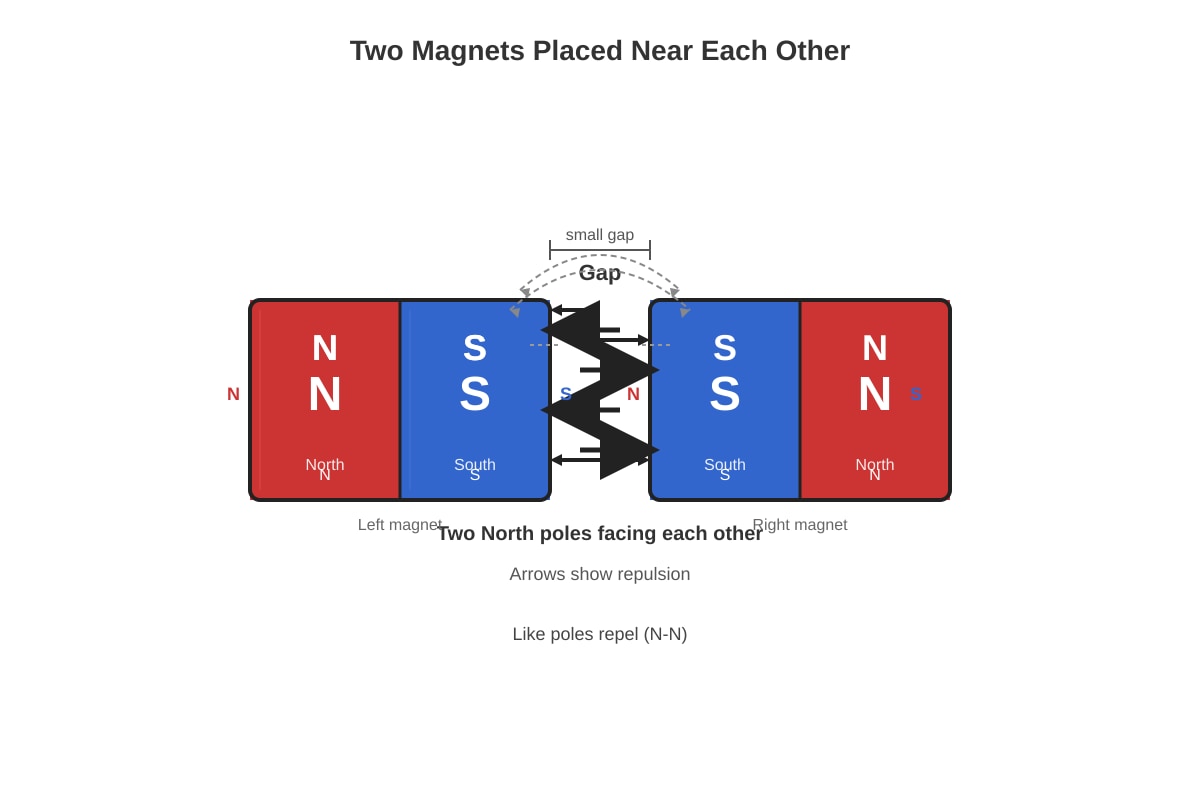
3. B) They will move away from each other.
- Marks: 1
- Explanation: Like poles of magnets repel each other. The diagram shows two North poles facing each other. The magnetic force of repulsion will push the magnets apart.
- Common mistake: Students may think that all magnets attract each other. It is important to remember that unlike poles attract, but like poles repel.
4. A) Place them with opposite poles together and place a piece of iron (keeper) across the ends.
- Marks: 1
- Explanation: To store bar magnets properly, they should be placed with opposite poles together (N-S touching S-N). A piece of soft iron called a 'keeper' should be placed across the ends to complete the magnetic circuit. This prevents the magnets from losing their strength. Storing them with like poles together, heating them, or dropping them will weaken the magnets.
- Common mistake: Students may think that storing magnets with like poles together is correct. This is wrong and will weaken them.
5. A) It becomes a temporary magnet.
- Marks: 1
- Explanation: When a magnetic material like iron is brought near a magnet, it becomes a temporary magnet by induction. It gains magnetic properties only while it is in the magnetic field of the strong magnet. When the magnet is removed, the iron bar loses its magnetism. Steel, on the other hand, can become a permanent magnet.
- Common mistake: Students may confuse temporary magnets (iron) with permanent magnets (steel).
6. C) Iron
- Marks: 1
- Explanation: An electromagnet consists of a coil of wire wrapped around a soft iron core. Iron is used because it is easily magnetised when the current flows and easily demagnetised when the current stops. This makes it perfect for an electromagnet, which needs to be turned on and off.
- Common mistake: Students may think copper is used because it is a good conductor. While copper is used for the wire, the core must be a magnetic material like iron.
7. C) Each piece will become a complete magnet with both a North and a South pole.
- Marks: 1
- Explanation: When a magnet is cut into two pieces, each piece becomes a new, smaller magnet with its own North and South poles. This is because the magnetic domains in each piece are still aligned. You can never isolate a single magnetic pole.
- Common mistake: Students may think that cutting a magnet separates the North and South poles. This is impossible.
8. C) Hitting it with a hammer.
- Marks: 1
- Explanation: The magnetic domains inside a magnet are aligned. Dropping, hitting, or heating a magnet can cause these domains to become jumbled, which weakens the magnet. Stroking iron with a magnet makes a magnet, hanging it up and using a keeper preserves its strength.
- Common mistake: Students may think that hanging a magnet weakens it. In fact, hanging it in the North-South direction is a good way to preserve it.
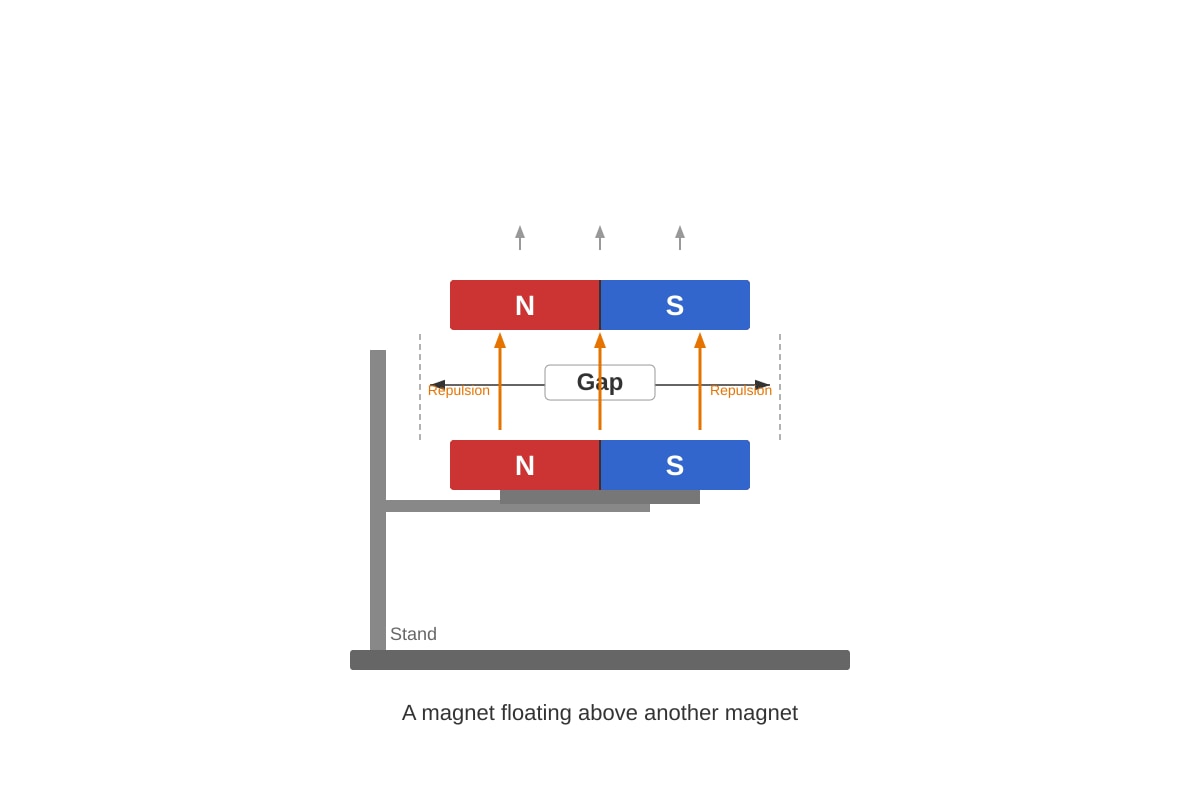
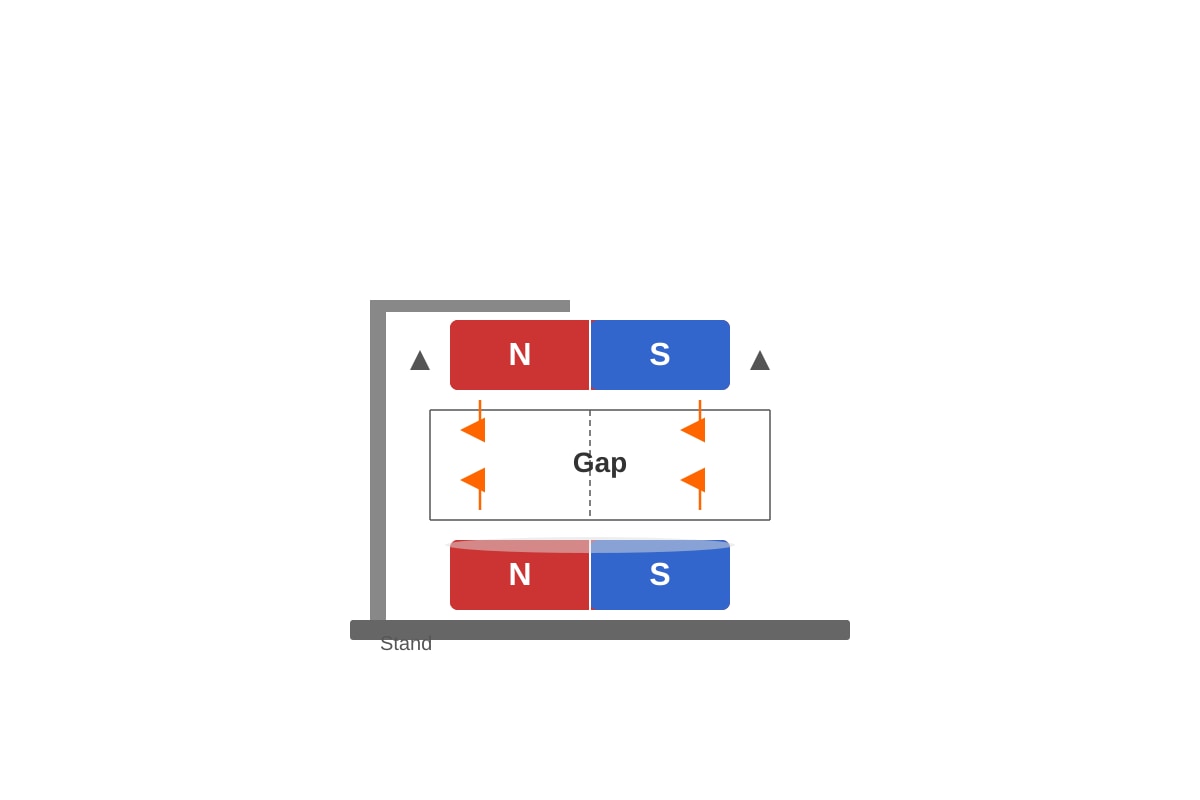
9. B) The magnetic force of repulsion is pushing it up.
- Marks: 1
- Explanation: The diagram shows the two magnets with like poles (North over North, South over South) facing each other. Like poles repel. The repulsive force between the two magnets is strong enough to overcome the weight of the top magnet, causing it to float.
- Common mistake: Students may think attraction is involved. The magnets are not touching, and the like poles are aligned, so it must be repulsion.
10. B) A magnet
- Marks: 1
- Explanation: A magnet will attract the iron filings but not the sand. By moving a magnet over the mixture, the iron filings will stick to the magnet, leaving the sand behind. This is a simple and effective way to separate a magnetic material from a non-magnetic material.
- Common mistake: Students may think a sieve can separate them, but both iron filings and sand are fine powders that would pass through a sieve.
Section B: Short-Answer Questions (10 × 2 marks = 20 marks)
11. (a) Name the force that a magnet exerts on a magnetic material. [1] (b) State one way to make a magnet. [1]
Answer: (a) Magnetic force. [1] (b) Any one of the following: [1]
- Stroking a magnetic material (e.g., iron or steel) with a magnet in one direction repeatedly.
- Placing a magnetic material (e.g., iron) in contact with a strong magnet (magnetic induction).
- Wrapping a coil of wire around an iron bar and passing an electric current through it (electromagnet).
Teaching Notes:
- Magnetic force is a non-contact force that can attract or repel. It acts on magnetic materials.
- Making a magnet: The most common method for P5 is stroking. Rub a magnet along a steel bar (like a needle) in one direction, from one end to the other, many times. The steel bar will become magnetised. Another method is induction, where you simply touch a magnetic material with a magnet. The material becomes a temporary magnet.
12. (a) Based on the observations, can she conclude that bar X is a magnet? Explain your answer. [2]
Answer: No, she cannot conclude that bar X is a magnet. [1] This is because an unmagnetised iron bar will also be attracted to a magnet. Bar X could be an iron bar, and bars Y and Z could be magnets. [1]
Teaching Notes:
- This is a classic trick question. The key concept is that magnets attract magnetic materials. An unmagnetised iron bar is a magnetic material.
- If X is a magnet, it will attract both Y (if it's iron) and Z (if it's iron).
- However, if X is just an iron bar, it will also be attracted to Y and Z if Y and Z are magnets.
- Therefore, the observation that X attracts both Y and Z does not prove X is a magnet. It could be that Y and Z are magnets attracting the iron bar X.
- Marking: 1 mark for the correct conclusion (No). 1 mark for the correct explanation (iron is attracted to magnets).
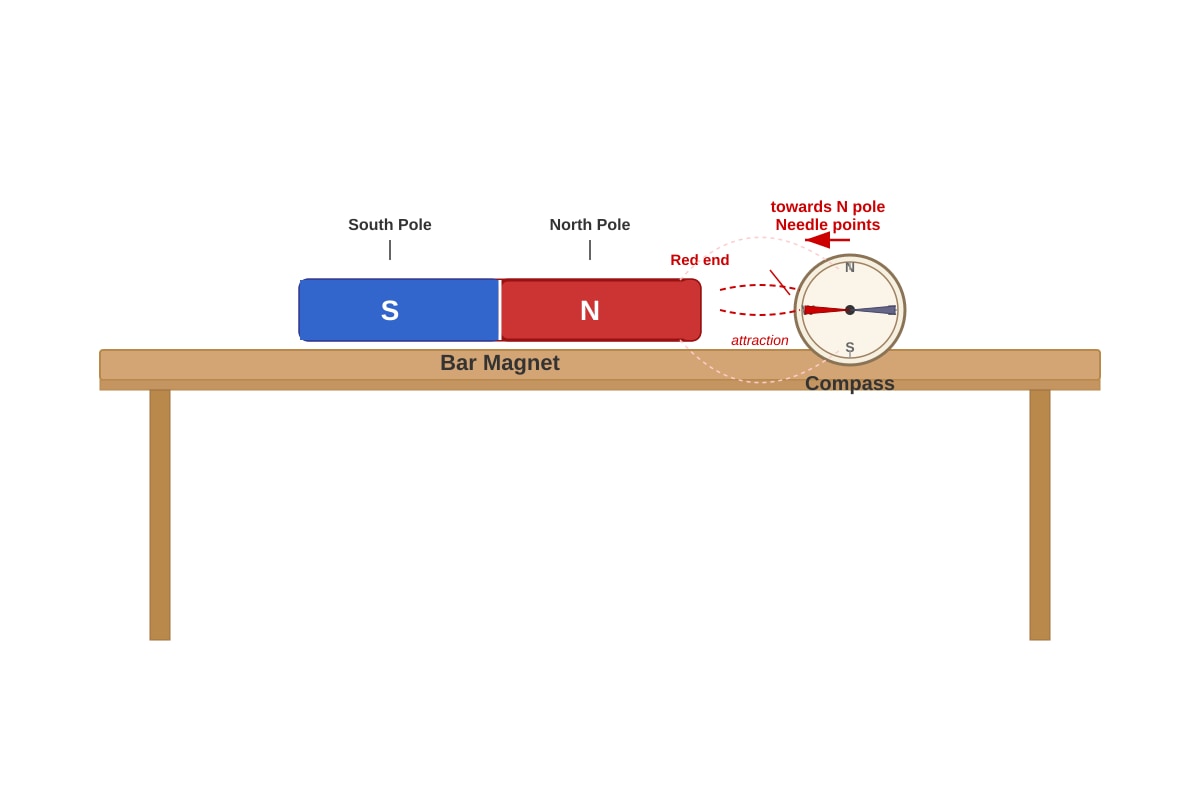
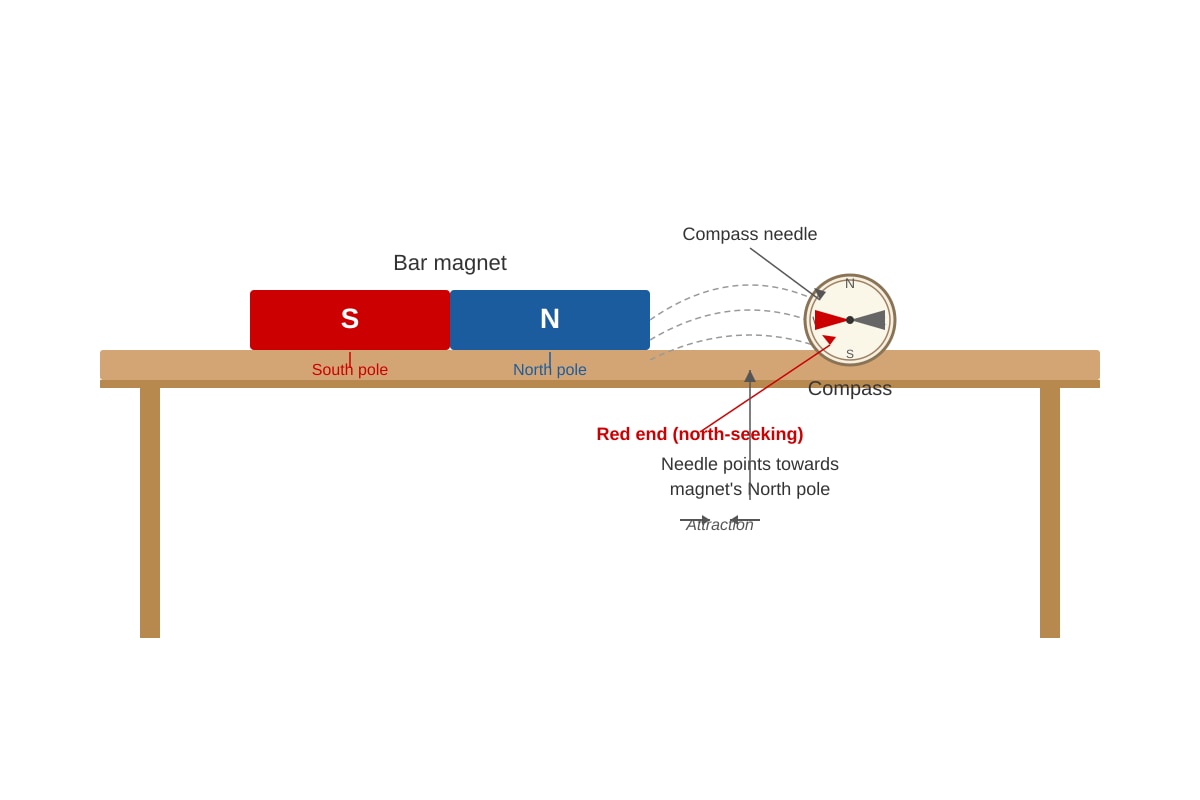
13. (a) What is the direction of the magnetic force acting on the compass needle? [1] (b) Explain why the compass needle points in that direction. [1]
Answer: (a) The magnetic force is pulling the compass needle towards the North pole of the bar magnet. [1] (b) The North pole of the compass needle is attracted to the South pole of the bar magnet. Since the compass is placed near the North pole of the magnet, the needle's South pole is attracted to it. (The red end of the compass needle is its North pole, which is attracted to the magnet's South pole. However, since the compass is at the magnet's North pole, the needle's South pole is attracted.) [1]
Teaching Notes:
- A compass needle is a small magnet. The red end is the North pole, and the other end is the South pole.
- Unlike poles attract. The North pole of the compass needle is attracted to the South pole of any magnet.
- In the diagram, the compass is near the North pole of the bar magnet. Therefore, the South pole of the compass needle is attracted to it. The needle will point with its South pole towards the magnet's North pole.
- Marking: (a) 1 mark for stating the direction (towards the magnet). (b) 1 mark for explaining that unlike poles attract.
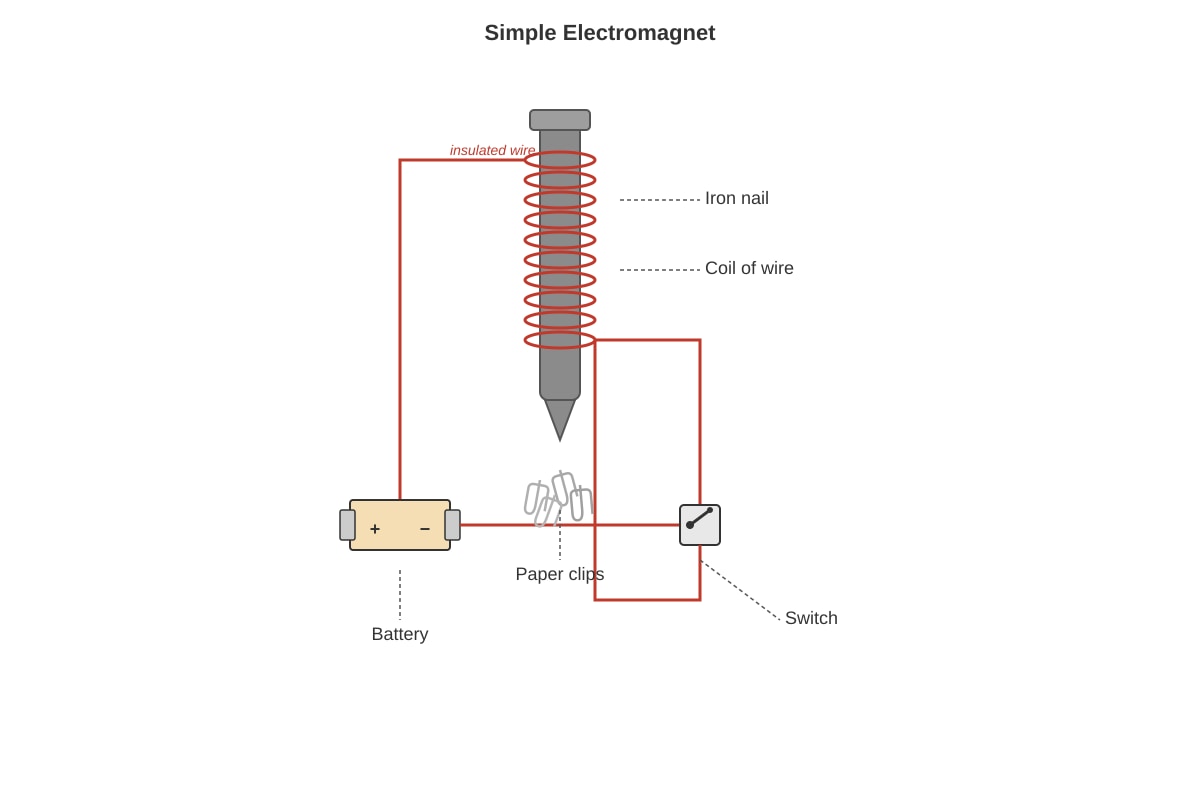
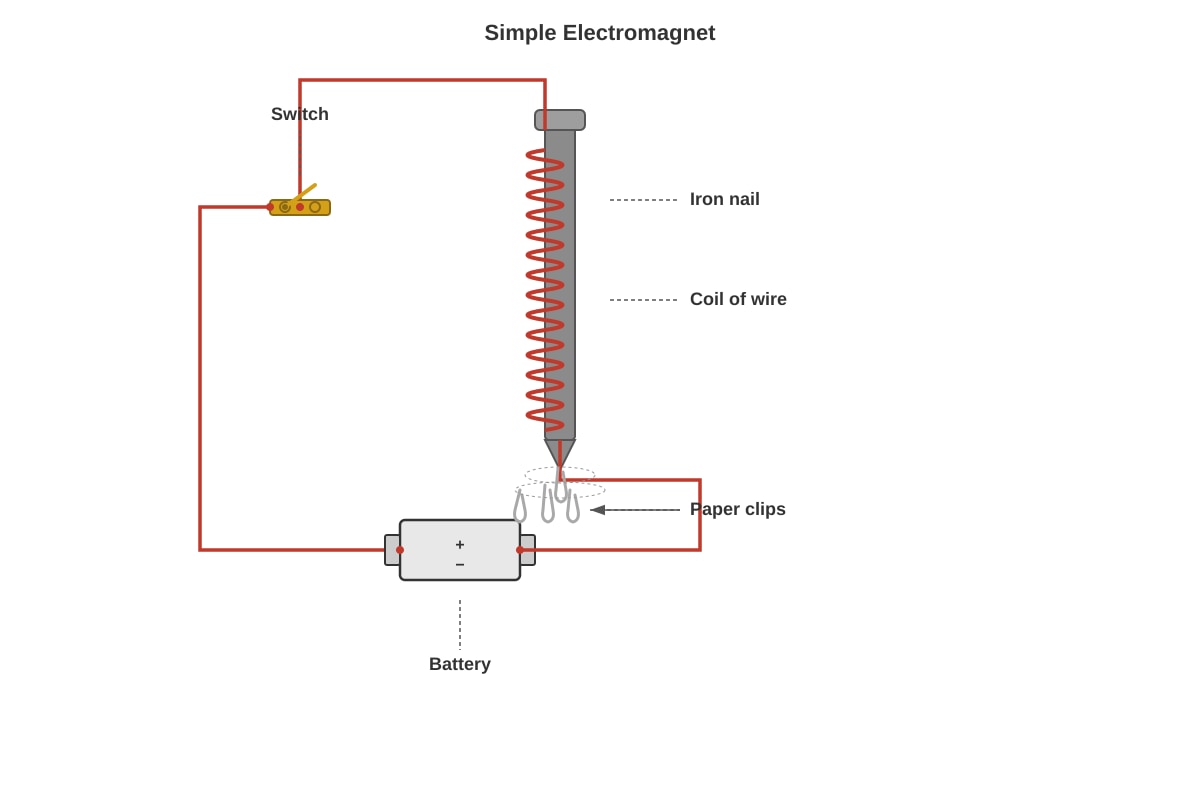
14. (a) What will happen to the paper clips? [1] (b) State one way the student can make the nail pick up more paper clips. [1]
Answer: (a) The paper clips will be attracted to the nail and stick to it. [1] (b) Any one of the following: [1]
- Increase the number of coils of wire around the nail.
- Increase the number of batteries (increase the electric current).
- Use a bigger iron nail.
Teaching Notes:
- This is an electromagnet. When an electric current flows through a coil of wire, it creates a magnetic field. The iron nail becomes magnetised and attracts magnetic materials like paper clips.
- The strength of an electromagnet can be increased by:
- Increasing the number of turns of wire around the core.
- Increasing the electric current (by adding more batteries).
- Using a soft iron core.
- Marking: (a) 1 mark for stating the paper clips will be attracted. (b) 1 mark for any valid method to increase the strength.
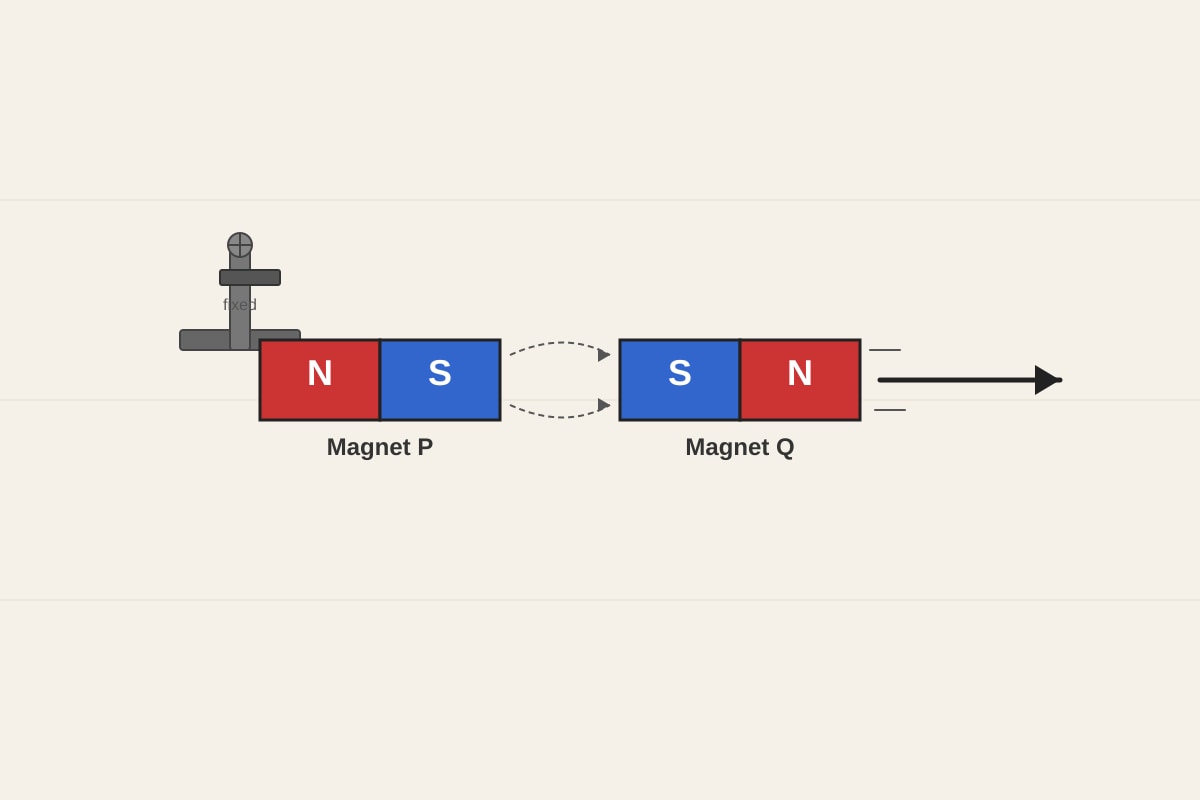
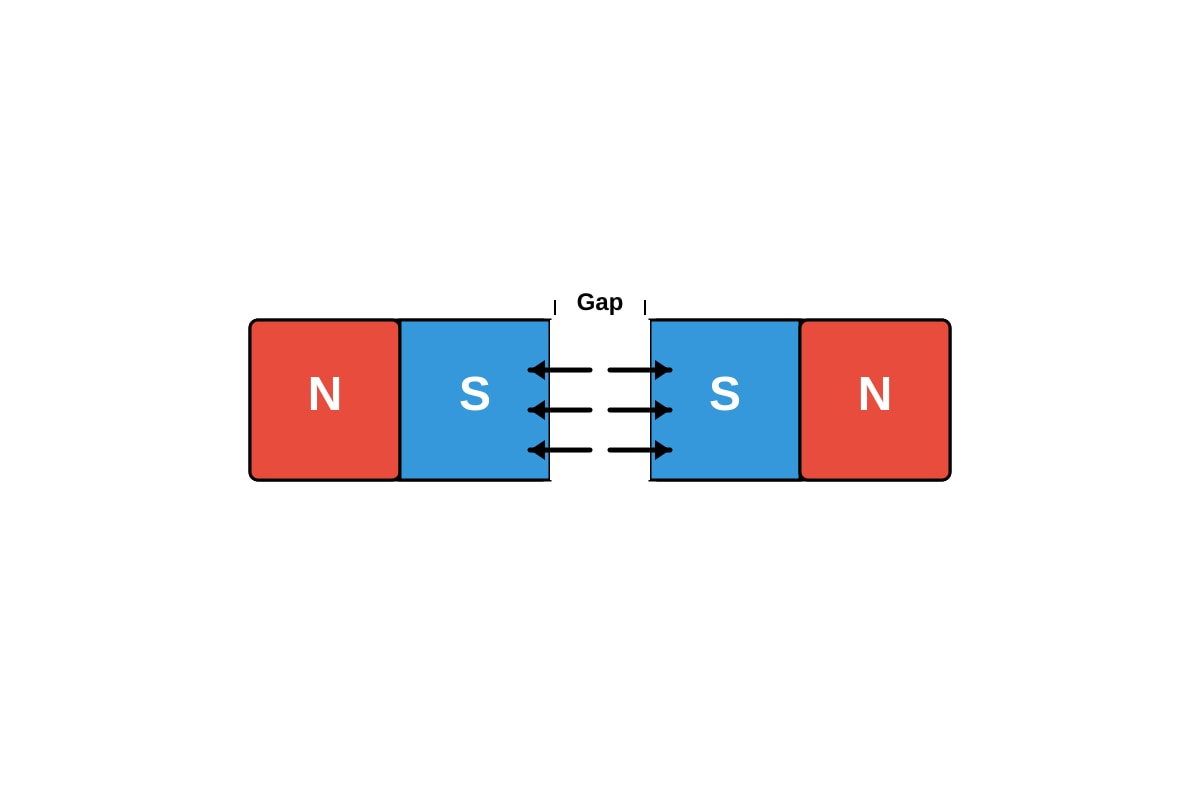
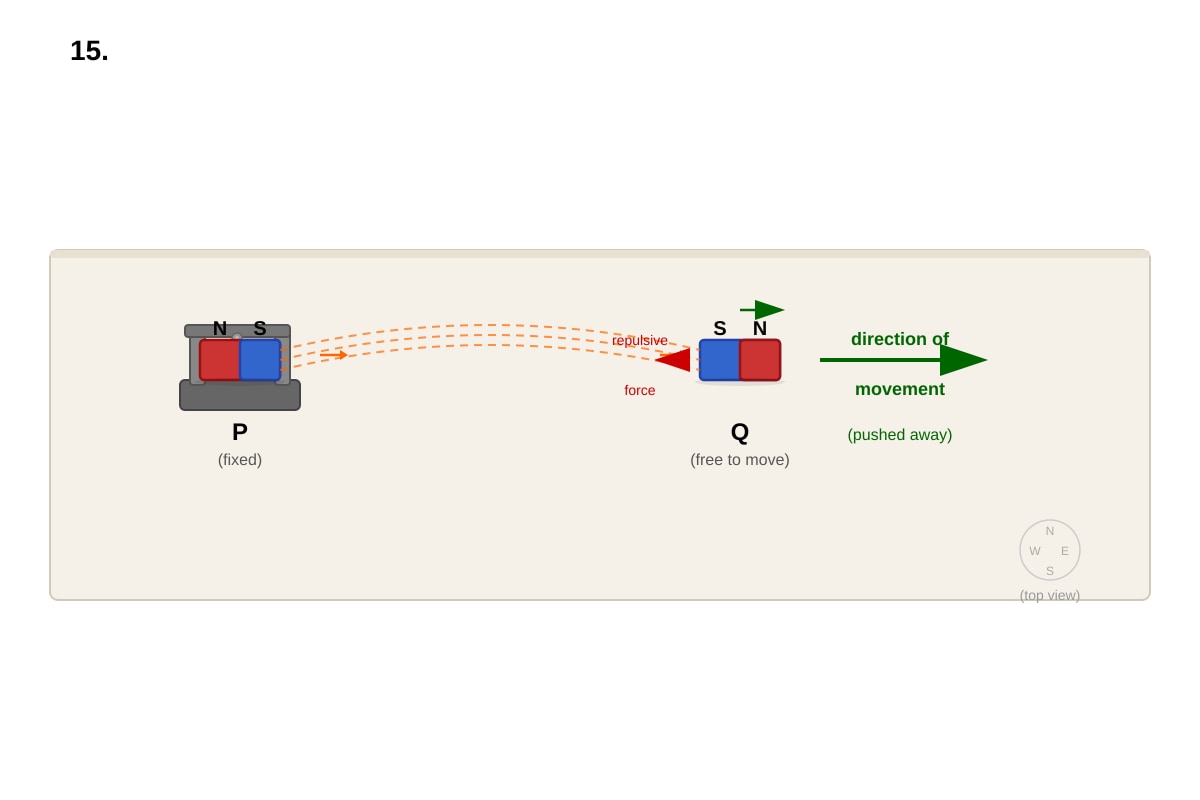
15. (a) In which direction will magnet Q move? [1] (b) Explain your answer in terms of magnetic forces. [1]
Answer: (a) Magnet Q will move to the right (away from magnet P). [1] (b) The two South poles are facing each other. Like poles repel, so the magnetic force of repulsion pushes magnet Q away from magnet P. [1]
Teaching Notes:
- The diagram shows the South pole of P facing the South pole of Q.
- Like poles repel. The force of repulsion acts on both magnets. Since P is fixed, Q will be pushed away.
- The arrow in the diagram should show Q moving to the right.
- Marking: (a) 1 mark for the correct direction. (b) 1 mark for explaining that like poles repel.
16. (a) What will happen when she brings the steel near the pins? [1] (b) What is this process of making a magnet called? [1]
Answer: (a) The steel will attract the pins. [1] (b) Magnetisation (or stroking). [1]
Teaching Notes:
- Stroking a piece of steel with a magnet in one direction aligns the magnetic domains inside the steel. This makes the steel a permanent magnet.
- Steel is a hard magnetic material, meaning it retains its magnetism for a long time.
- The process is called magnetisation by stroking.
- Marking: (a) 1 mark for stating the steel becomes a magnet and attracts the pins. (b) 1 mark for the correct term.
17. (a) What name is given to the end of the magnet that points North? [1] (b) What property of the Earth causes the magnet to point in this direction? [1]
Answer: (a) The North-seeking pole (or North pole). [1] (b) The Earth is a giant magnet (the Earth has a magnetic field). [1]
Teaching Notes:
- A freely suspended magnet will align itself with the Earth's magnetic field.
- The end that points towards the Earth's geographic North is called the North-seeking pole or simply the North pole.
- This is the principle behind a compass.
- Marking: (a) 1 mark for the correct name. (b) 1 mark for stating the Earth acts like a magnet.
18. (a) What will happen to the paper clips when the switch is closed? [1] (b) What will happen to the paper clips when the switch is opened? [1]
Answer: (a) The paper clips will be attracted to the nail and stick to it. [1] (b) The paper clips will fall off the nail. [1]
Teaching Notes:
- When the switch is closed, the circuit is complete, and current flows. The nail becomes an electromagnet and attracts the paper clips.
- When the switch is opened, the circuit is broken, and current stops flowing. The nail loses its magnetism, and the paper clips fall off.
- This shows that an electromagnet is a temporary magnet – its magnetism can be turned on and off.
- Marking: (a) 1 mark for stating the clips are attracted. (b) 1 mark for stating the clips fall off.
19. A student has two identical-looking bars. One is a magnet and the other is a piece of unmagnetised iron. She wants to find out which is the magnet without using any other equipment.
Describe how she can use the bars themselves to tell which is the magnet. [2]
Answer: Use one bar (X) to touch the middle of the other bar (Y). [1]
- If X is the magnet, it will attract the middle of Y (which is unmagnetised iron). The force will be weak because the middle of a magnet has the weakest magnetic force.
- If X is the unmagnetised iron, it will not attract the middle of Y (which is the magnet) because the middle of a magnet has almost no magnetic force. [1]
Teaching Notes:
- This is a classic problem. The key is to use the middle of the bars.
- The magnetic force is strongest at the poles (ends) of a magnet and weakest (almost zero) at the middle.
- Method: Take bar X and touch its end to the middle of bar Y.
- If there is a strong attraction, X is the magnet (because its pole is attracting the iron bar Y).
- If there is no attraction, X is the iron bar (because the middle of the magnet Y has no magnetic force to attract the iron X).
- Marking: 1 mark for the correct method (touching the middle). 1 mark for the correct conclusion/observation.
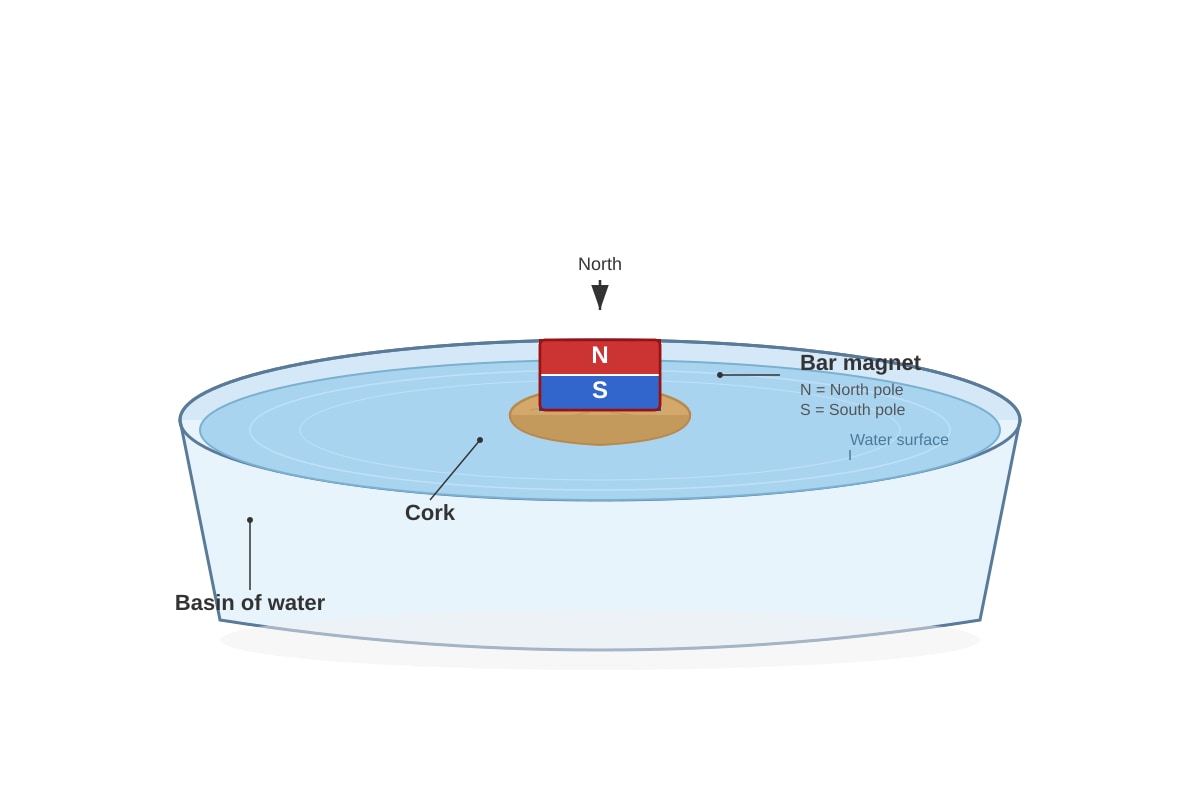
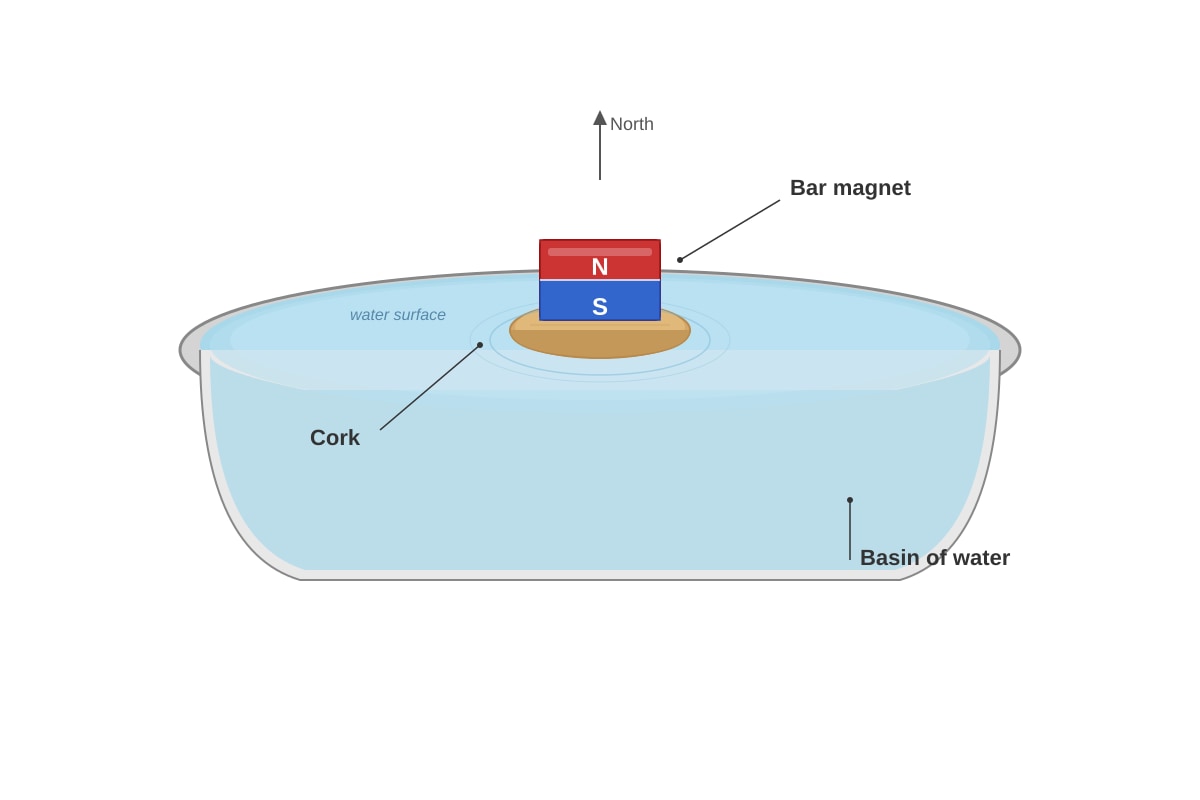
20. (a) What will happen to the magnet after the cork stops turning? [1] (b) Explain why this happens. [1]
Answer: (a) The magnet will come to rest pointing in the North-South direction (with its North pole pointing towards the Earth's North). [1] (b) The Earth acts like a giant magnet. The magnetic force of the Earth causes the freely suspended magnet to align itself in the North-South direction. [1]
Teaching Notes:
- The cork allows the magnet to float and turn freely, acting like a compass.
- The Earth has a magnetic field. A freely suspended magnet will align with this field.
- The North pole of the magnet points towards the Earth's geographic North.
- Marking: (a) 1 mark for stating it points North-South. (b) 1 mark for explaining the Earth is a magnet.