From Real Exams Exam Paper
Primary 5 Science Semestral Assessment 2 (End of Year) Paper 5
Free P5 Science SA2 Paper 5, Nemo3 Exam version, with questions, answers, and syllabus-aligned practice for Singapore students.
These static practice materials are generated from the site's syllabus and paper-generation workflow, with source and model context shown so students and parents can evaluate the material before use.
Questions
Free quiz and exam paper access
Enter your details to view this paper
Your access is remembered on this device.
Answers
TuitionGoWhere Practice Paper - Science Primary 5 (SA2) - Answer Key
Subject: Science
Level: Primary 5
Paper: SA2
Total Marks: 100
SECTION A (56 marks)
Question 1
Answer: (3)
Explanation: All living things respond to changes in their surroundings (sensitivity). This is one of the seven life processes.
- (1) is incorrect: Only plants (producers) make their own food; animals and fungi cannot.
- (2) is incorrect: Reproduction methods vary (live birth, eggs, spores, budding).
- (4) is incorrect: Some microorganisms (anaerobic bacteria) do not need oxygen.
Question 2
Answer: (3)
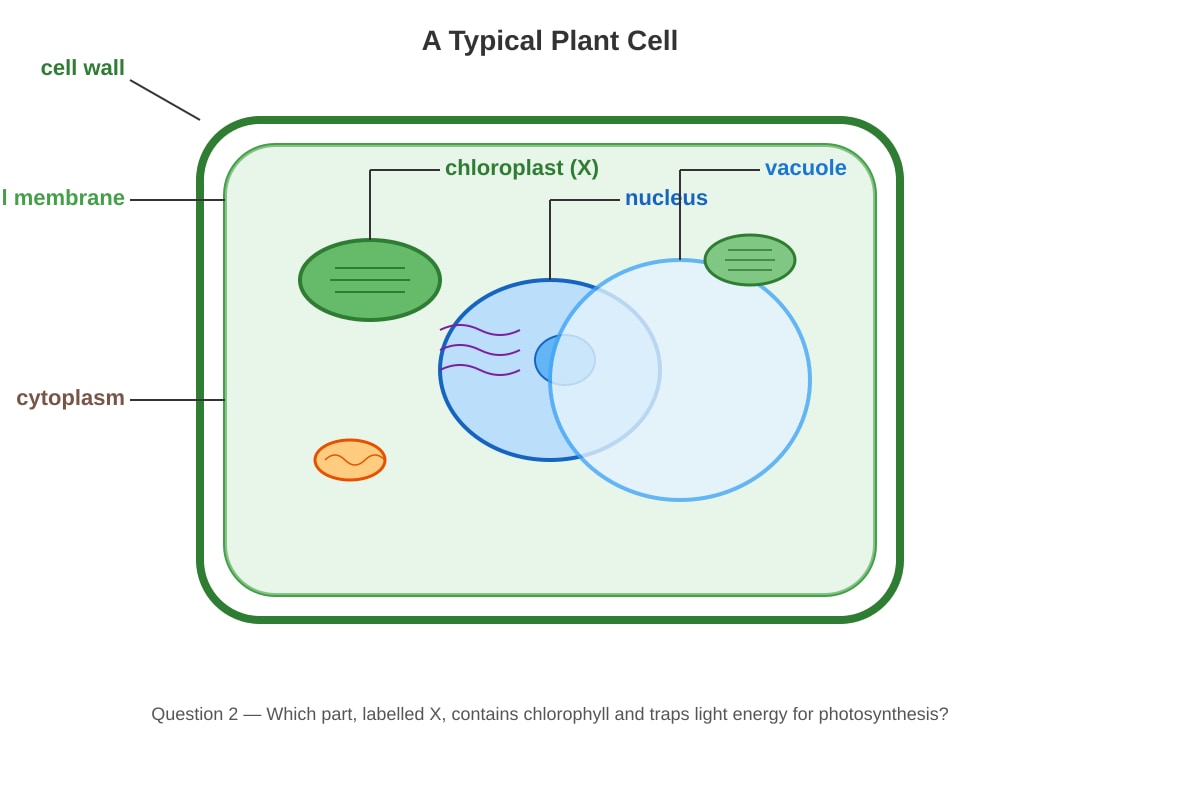
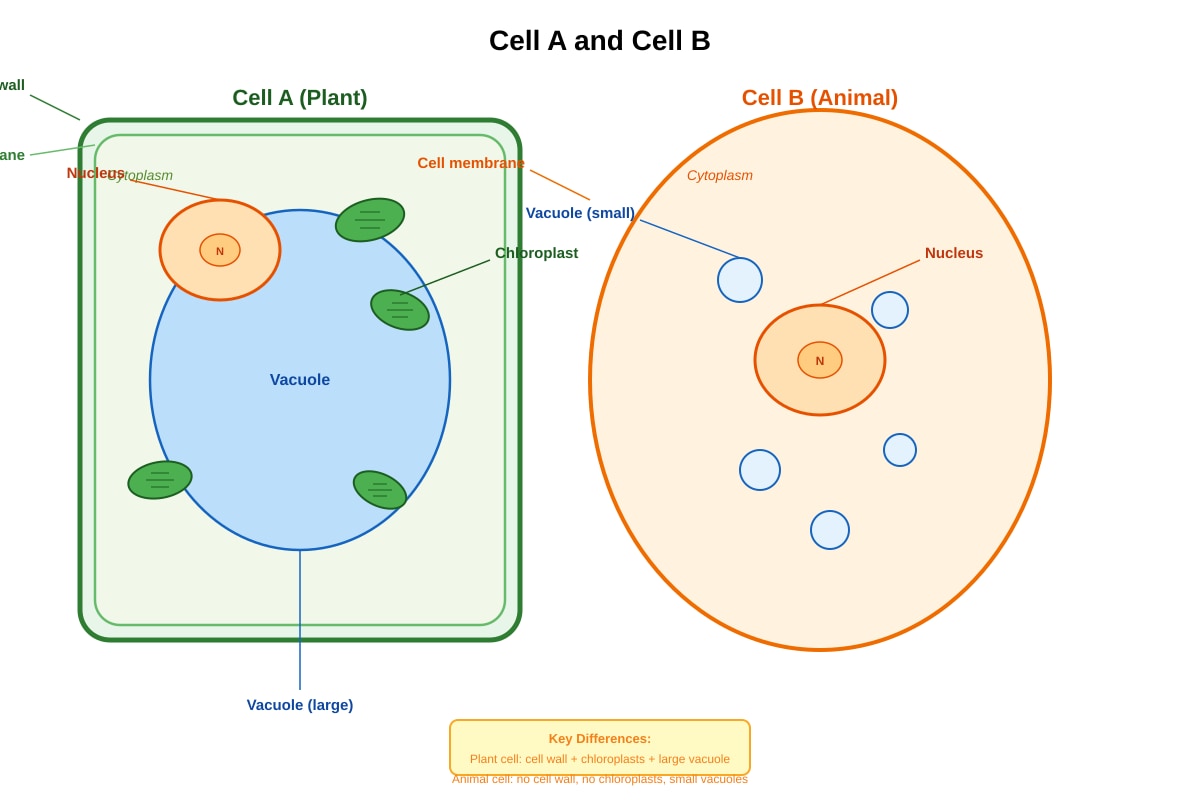
Explanation: Chloroplasts contain chlorophyll, the green pigment that traps light energy for photosynthesis. The diagram shows Part X pointing to the chloroplast.
- Nucleus controls cell activities.
- Cytoplasm is where most cellular activities occur.
- Vacuole stores water and substances.
Question 3
Answer: (2)
Explanation: Mushroom is a fungus, not a plant. Fungi do not photosynthesise and obtain nutrients by decomposition. Ferns, mosses, and algae are non-flowering plants.
Question 4
Answer: (2)
Explanation:
- Bala is correct: Yeast is a single-celled fungus (microorganism).
- Cindy is correct: Bacteria are microscopic and require a microscope to be seen.
- Ali is incorrect: Many microorganisms are beneficial (e.g., yeast in bread, bacteria
<stage3_exam_answers_md>
TuitionGoWhere Practice Paper - Science Primary 5 (Answer Key)
SECTION A (56 marks)
| Question | Answer | Explanation |
|---|---|---|
| 1 | (3) | All living things respond to changes in their surroundings (sensitivity). Not all make their own food (only plants), reproduce by laying eggs, or need oxygen (some anaerobes). |
| 2 | (3) | Chloroplasts contain chlorophyll and trap light energy for photosynthesis. |
| 3 | (2) | Mushroom is a fungus, not a plant. Fern, moss, and algae are non-flowering plants. |
| 4 | (2) | Bala: Yeast is a microorganism (fungus). Cindy: Bacteria are microscopic. Ali is wrong (some microorganisms are useful). Devi is wrong (mould is a fungus, not bacteria). |
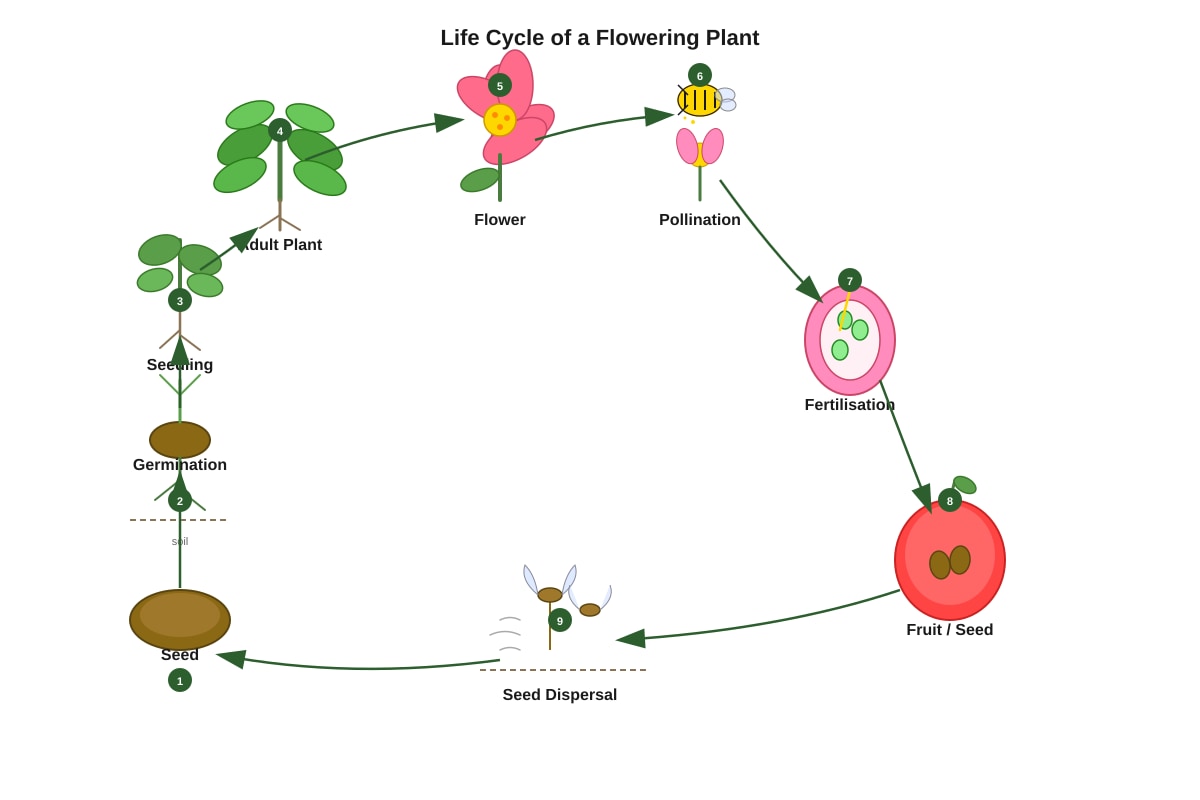
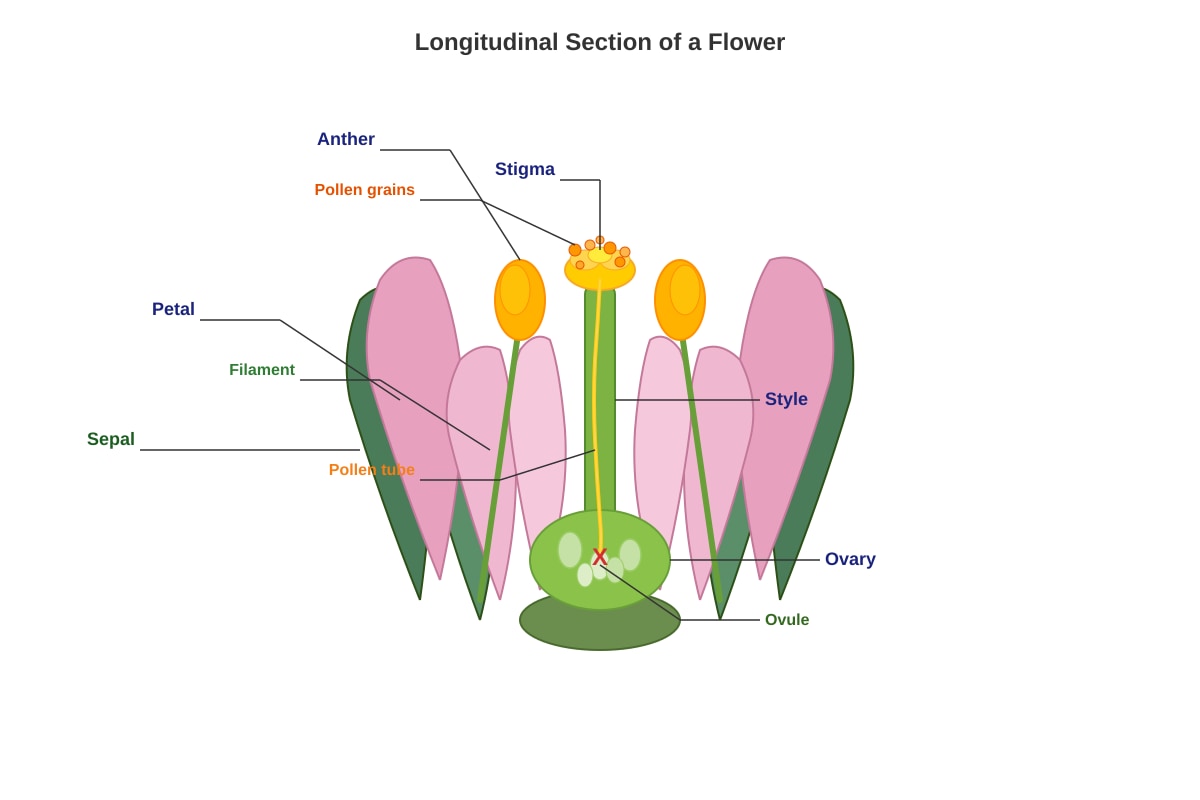
| 5 | (3) | After fertilisation, the ovary develops into fruit and ovules develop into seeds. |
| 6 | (2) | Correct sequence: Ovulation → Fertilisation → Implantation → Development. |
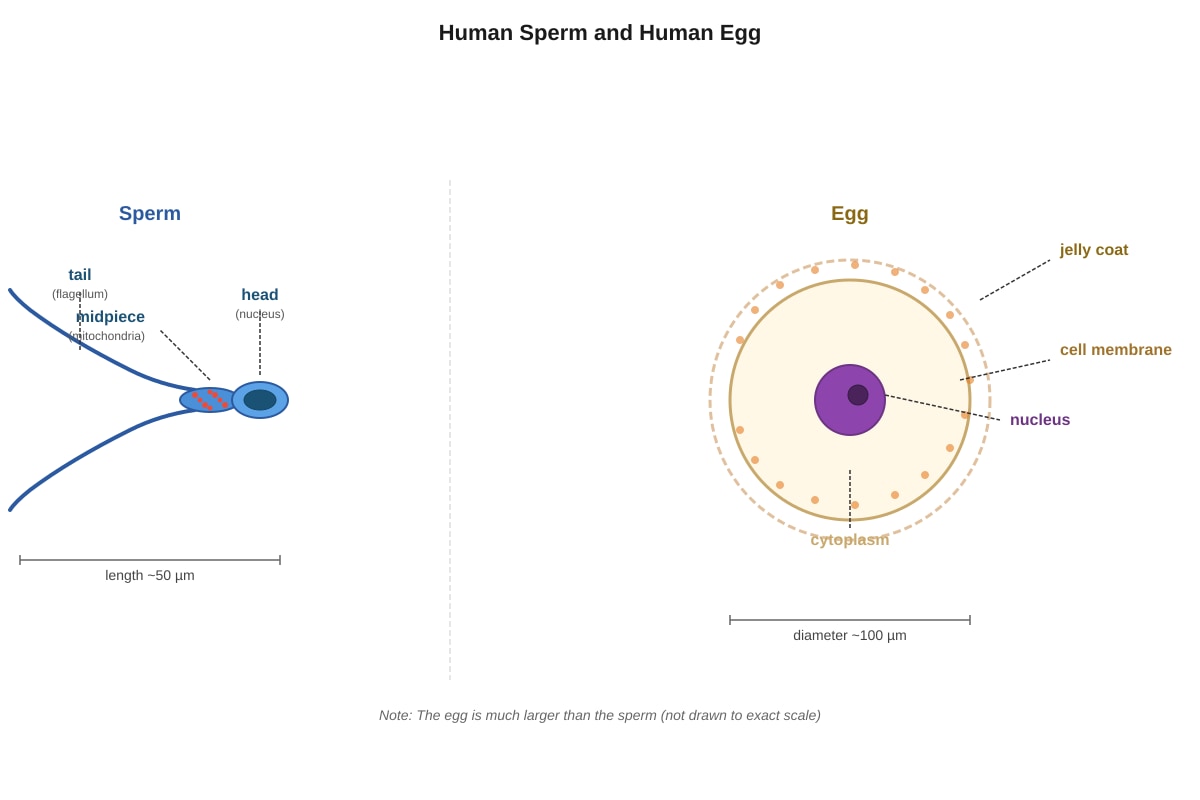
| 7 | (2) | Sperm has a tail (flagellum) for swimming; egg is non-motile. Egg is larger. Sperm produced in large numbers; egg usually one per month. Egg contains yolk (stored food); sperm has minimal cytoplasm. |
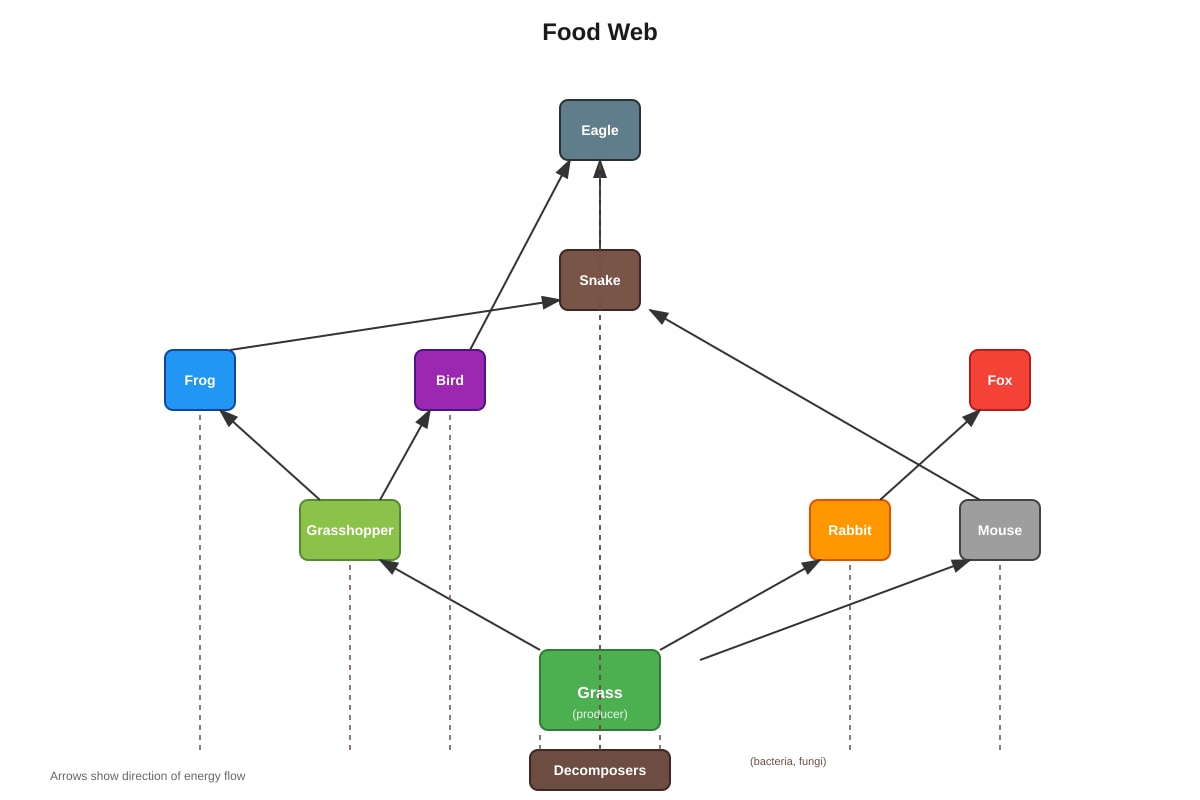
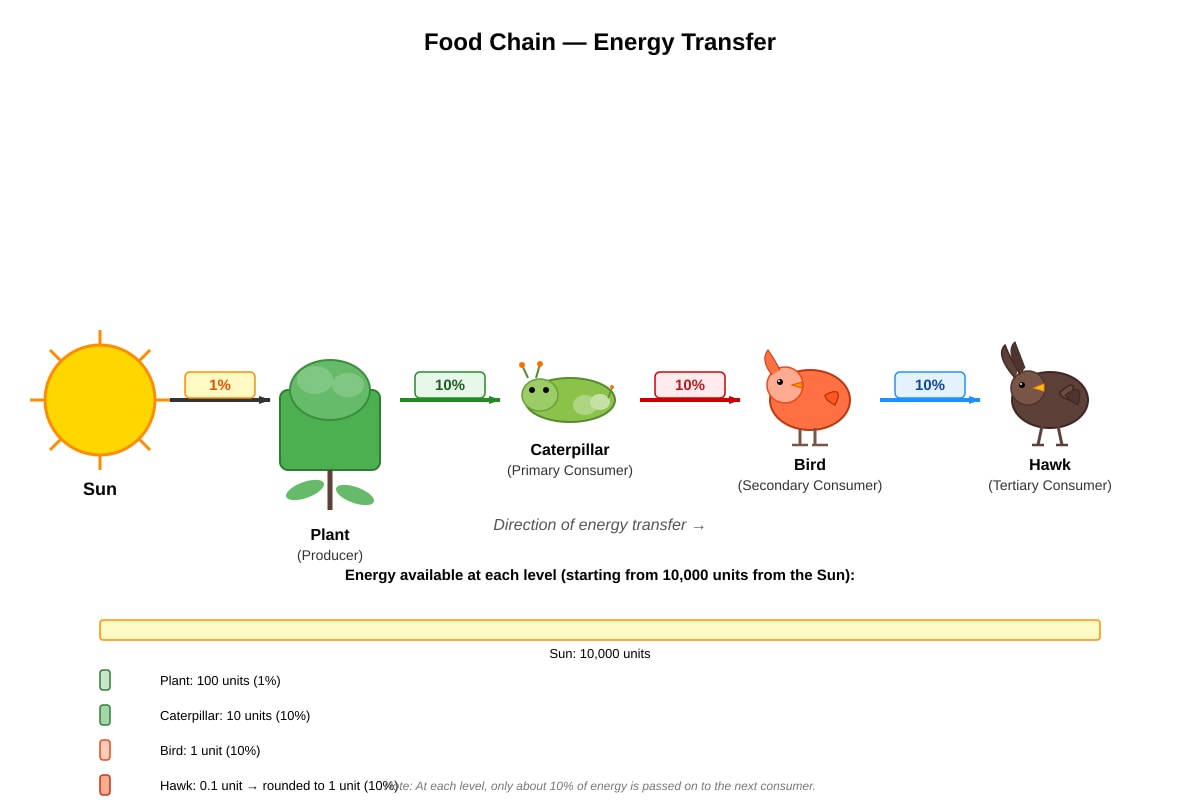
| 8 | (1) | Grasshoppers are primary consumers eating grass. If grasshoppers die, grass (producer) population increases due to reduced herbivory. |
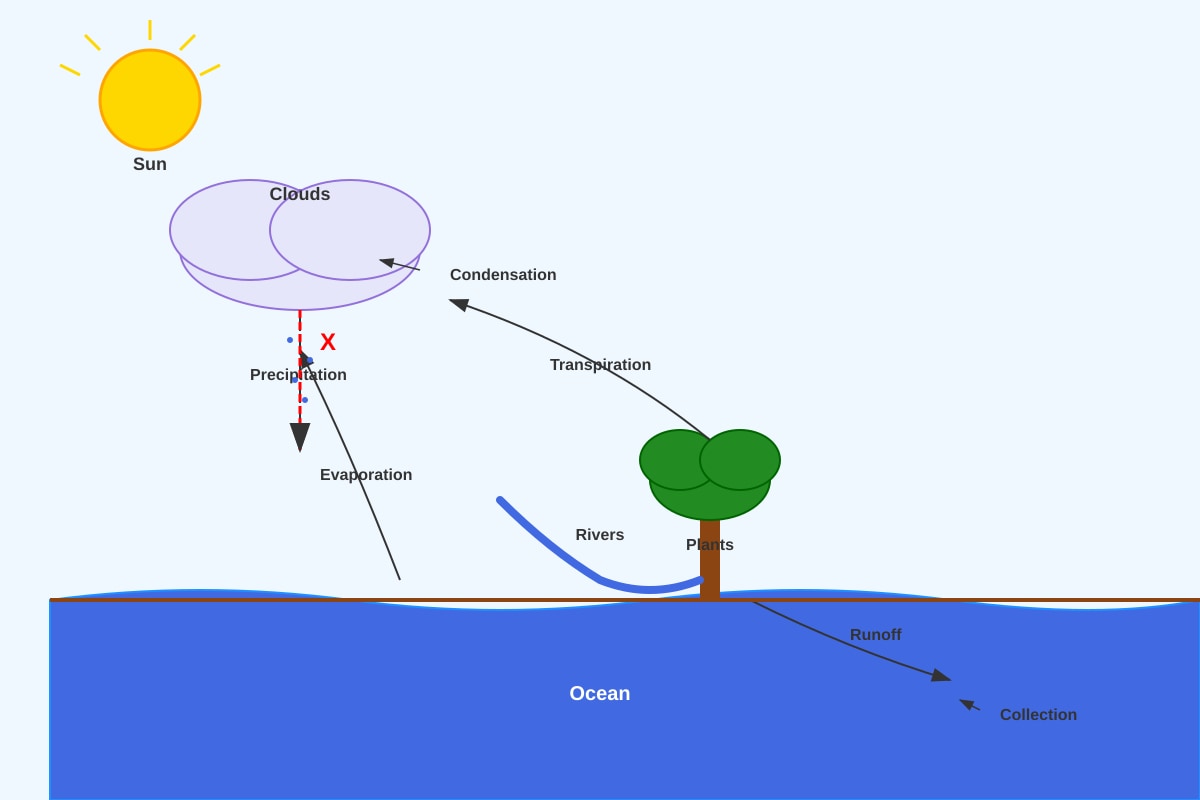
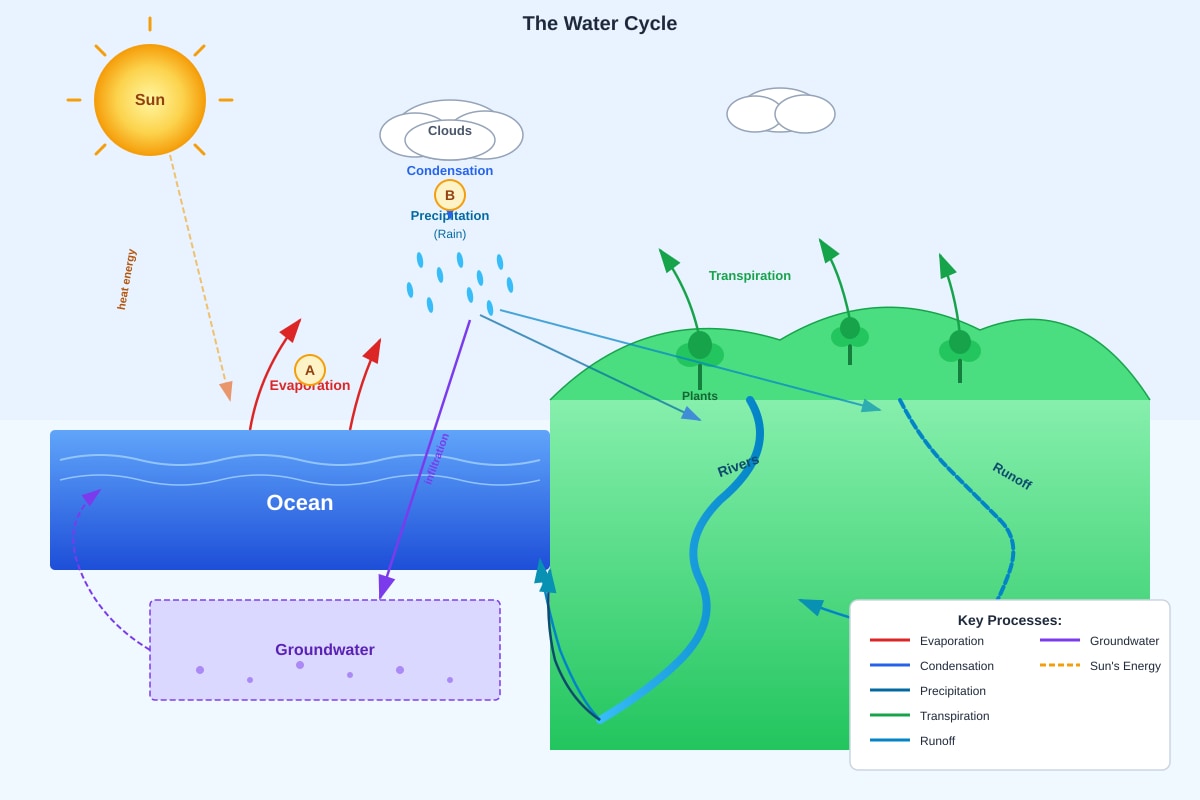
| 9 | (3) | Arrow from clouds to ground represents precipitation (rain, snow, etc.). |
| 10 | (3) | Higher humidity decreases evaporation rate (air already saturated with water vapour). |
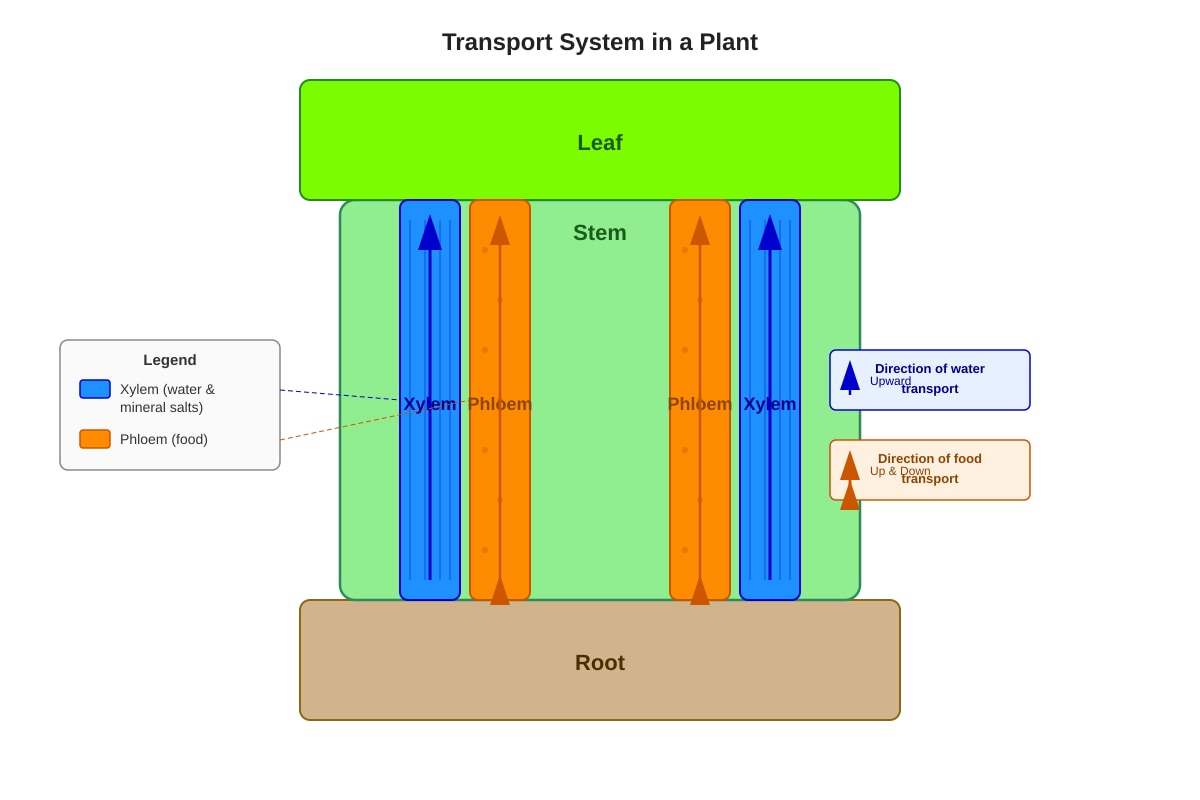
| 11 | (2) | Xylem transports water and mineral salts from roots to leaves (upward). |
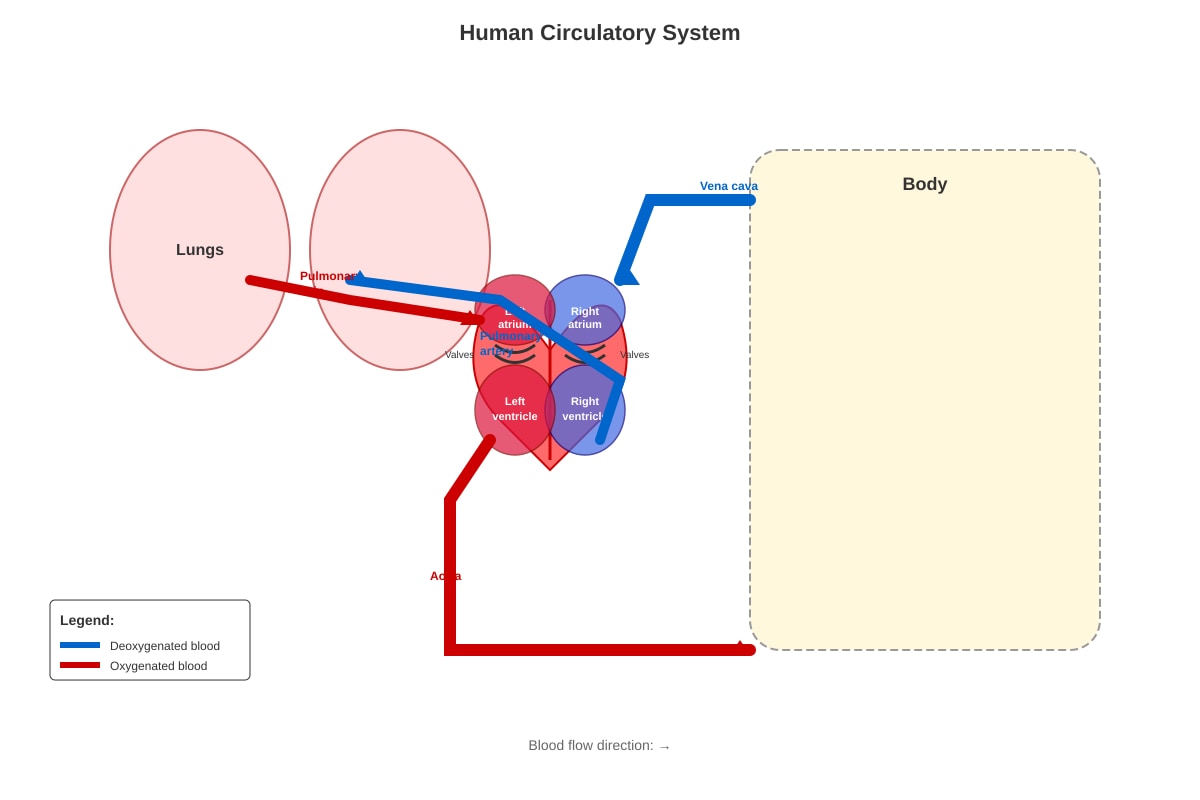
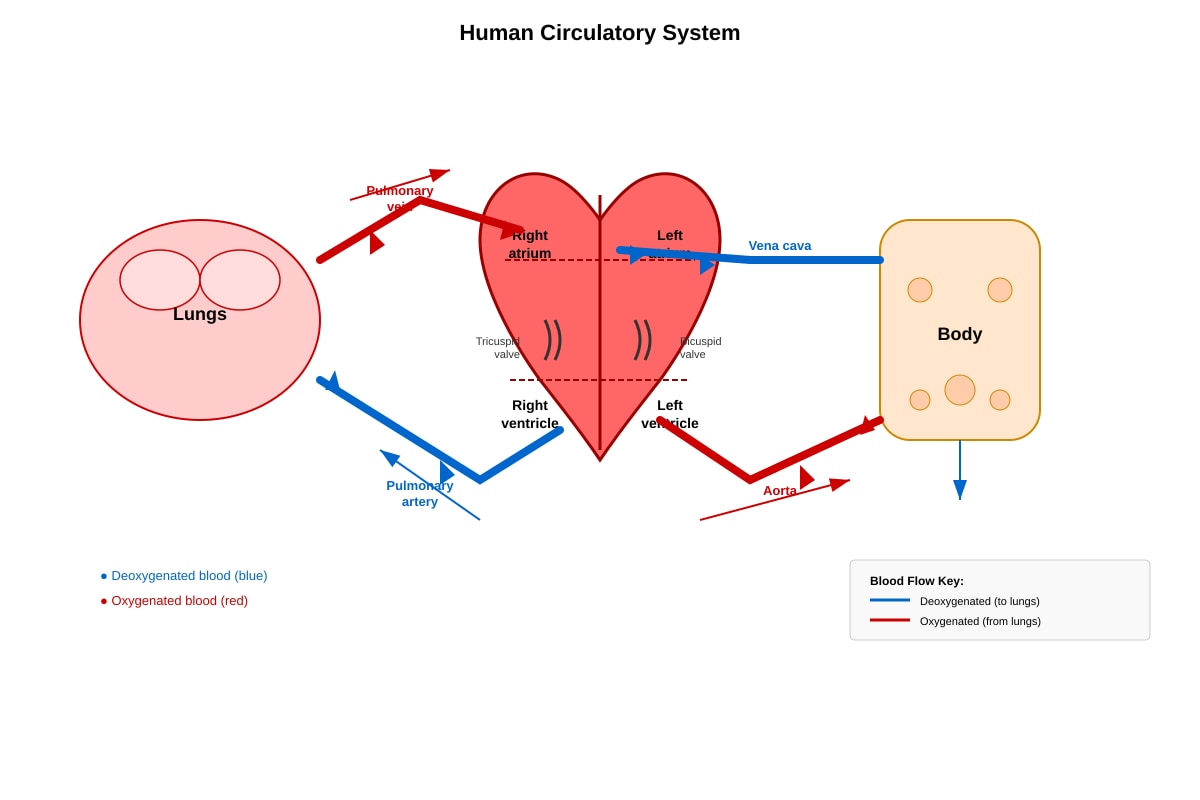
| 12 | (2) | Pulmonary artery carries deoxygenated blood from right ventricle to lungs. |
| 13 | (1) | Air path: Nose → Trachea → Bronchi → Bronchioles → Alveoli (in lungs). |
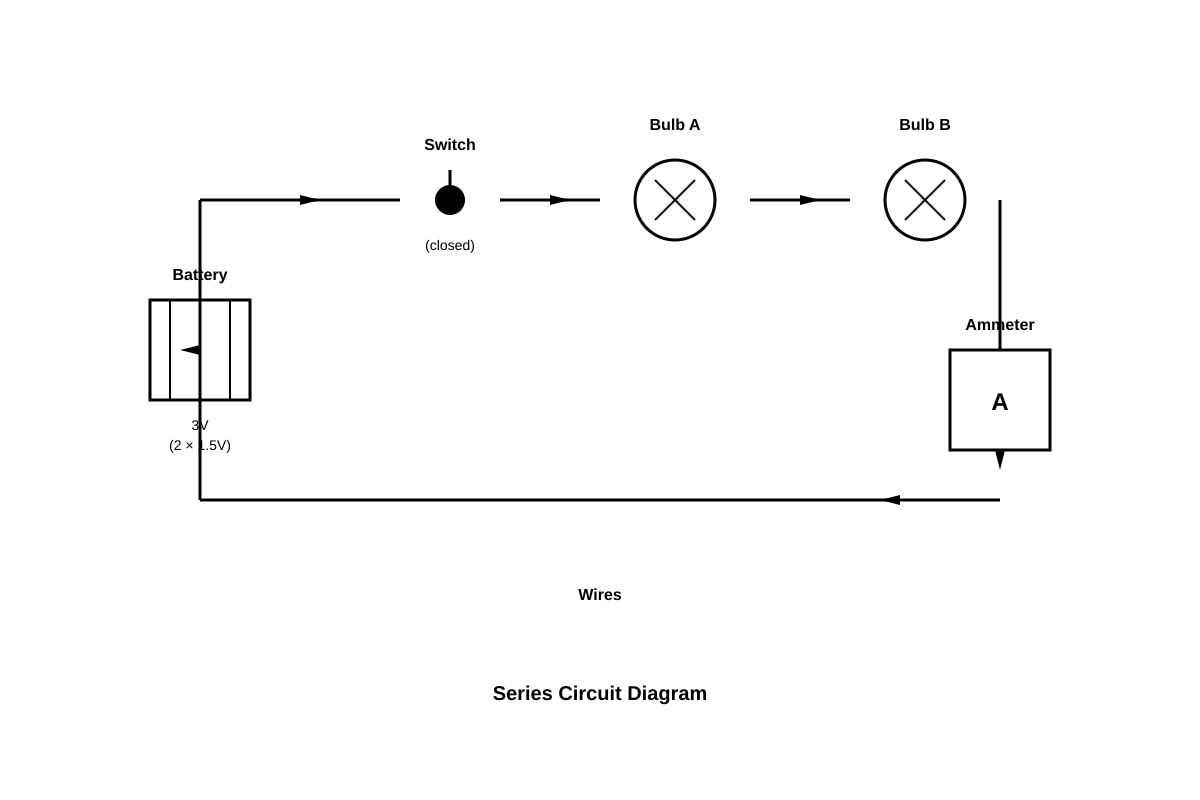
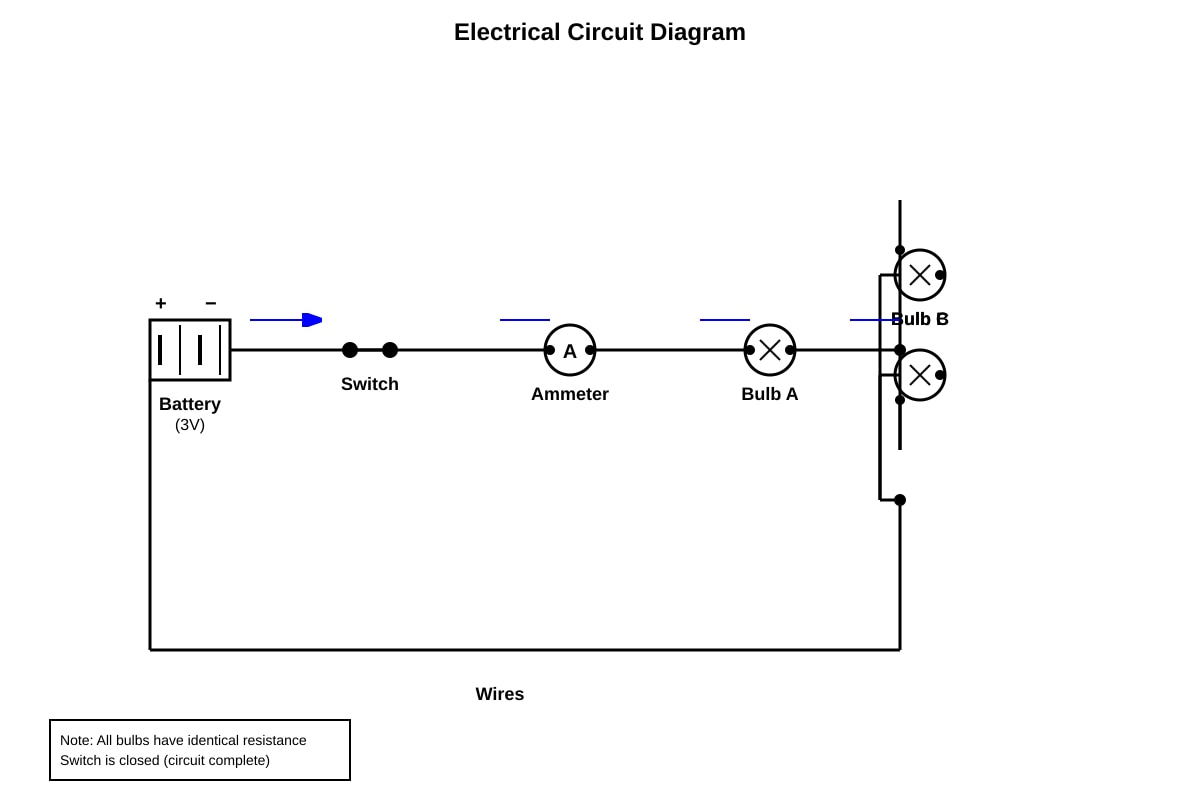
| 14 | (3) | Series circuit: if one bulb fuses, circuit breaks → both bulbs off, current drops to zero. |
| 15 | (2) | In parallel, each bulb gets full battery voltage → same brightness as single bulb. If one fuses, others stay lit. Current splits; total current from battery increases with more bulbs. |
| 16 | (3) | Copper is a good electrical conductor. Rubber, plastic, wood are insulators. |
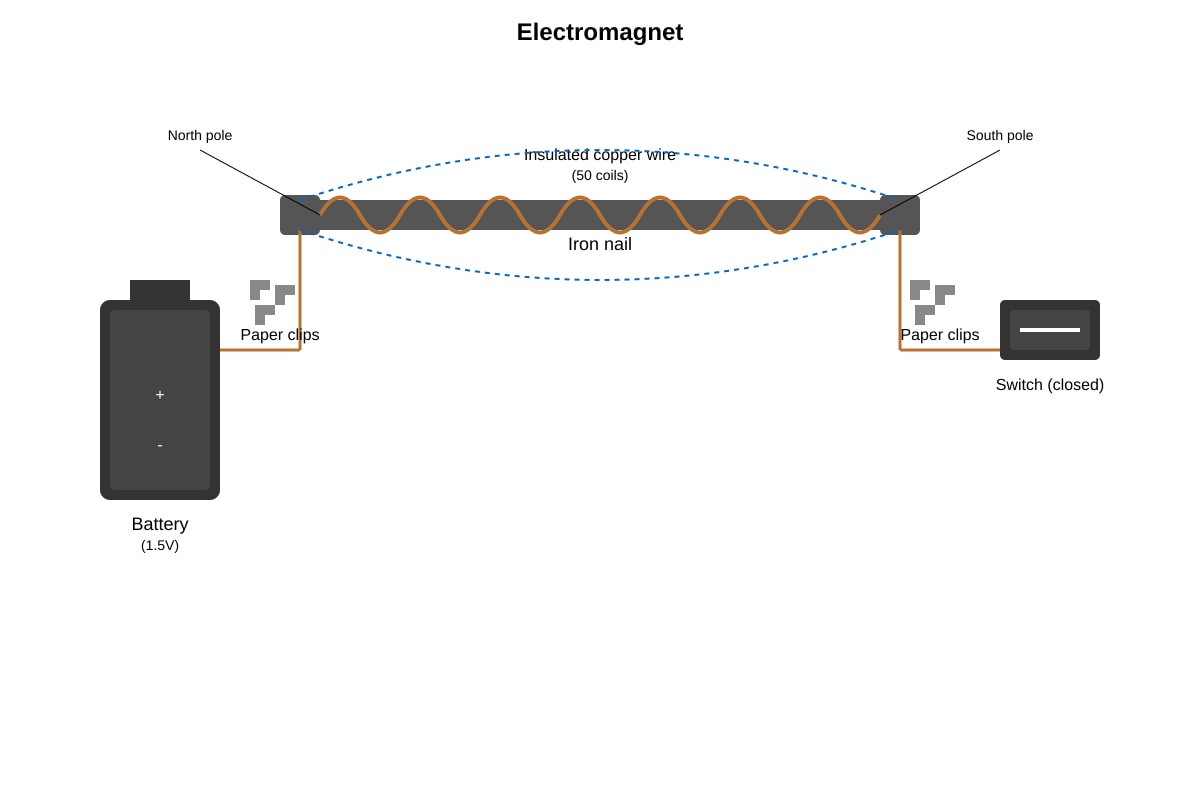
| 17 | (4) | Steel nail retains magnetism (permanent magnet) but does not increase electromagnet strength as effectively as soft iron. More coils, more voltage (series battery), thicker wire (less resistance, more current) all increase strength. |
| 18 | (2) | Group A: Iron, Steel, Cobalt → magnetic materials (ferromagnetic). Group B: Copper, Aluminium, Gold → non-magnetic. |
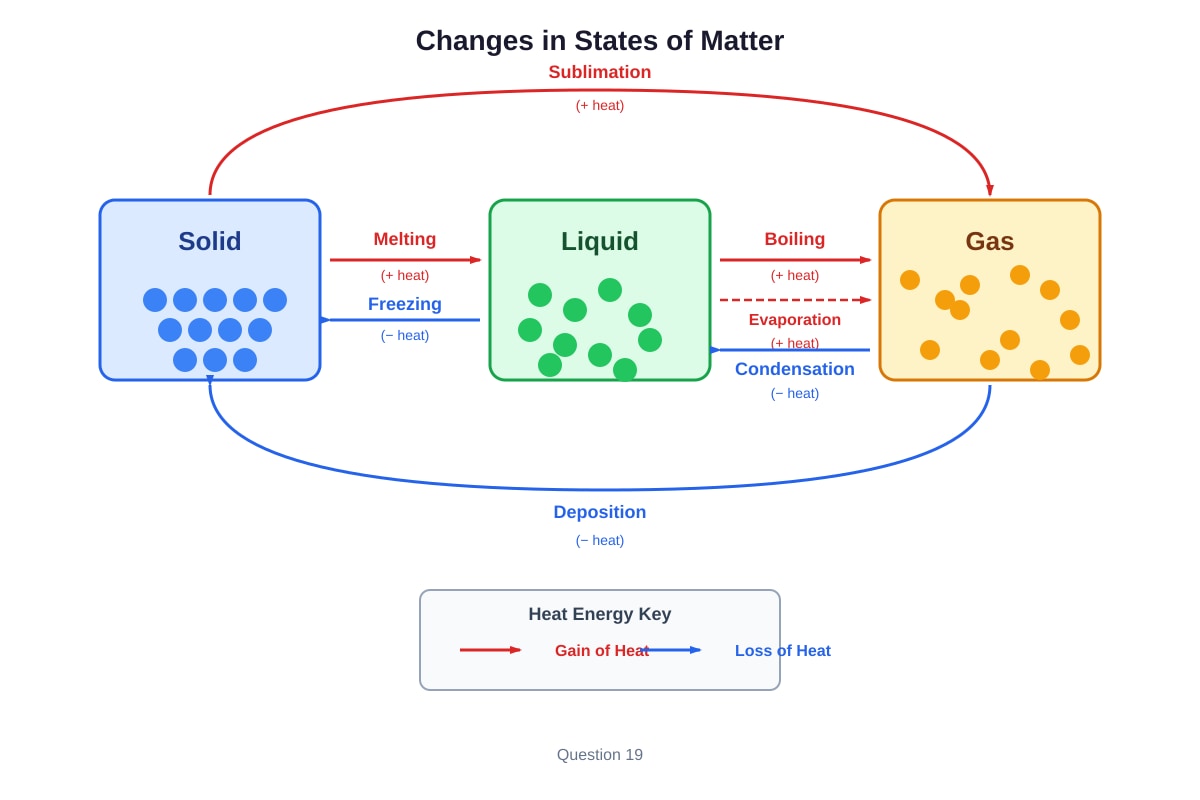
| 19 | (3) | Boiling: liquid → gas with heat gain. Freezing and condensation release heat. Melting is solid → liquid. |
| 20 | (4) | Highest temperature difference (80°C vs 0°C ice) → fastest heat transfer → fastest melting. |
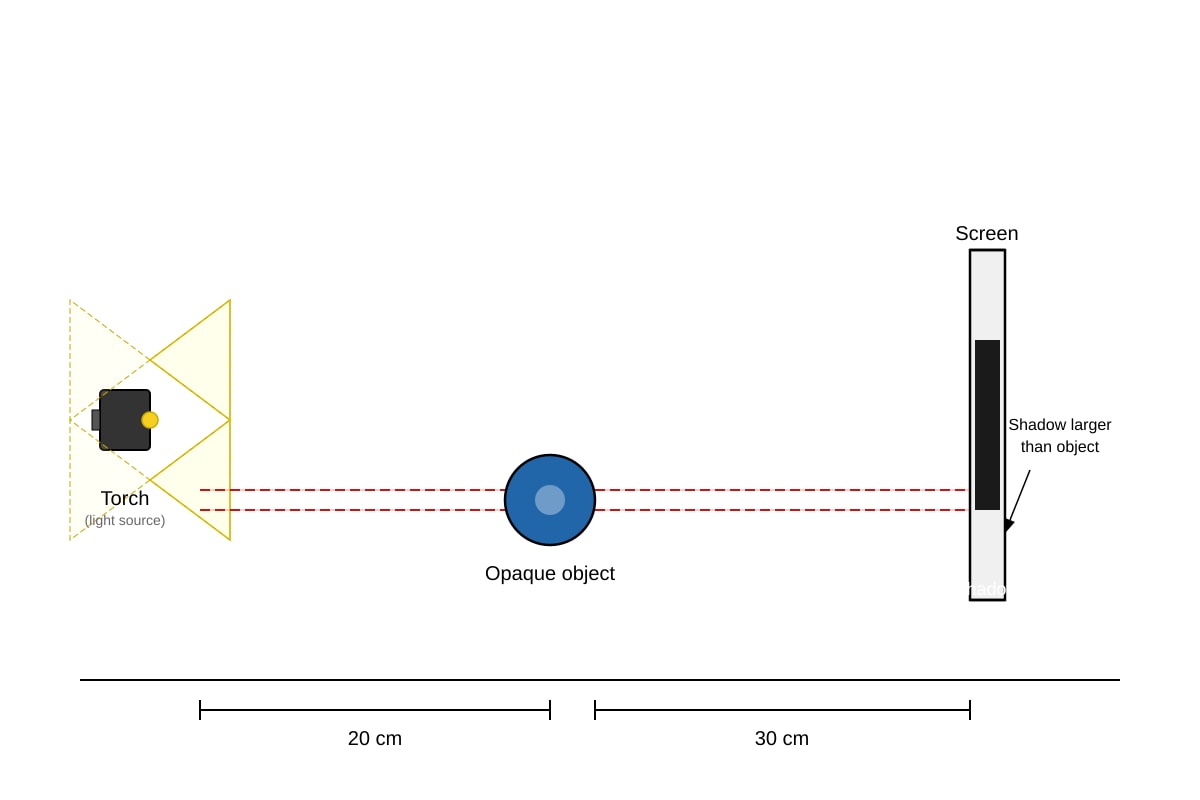
| 21 | (2) | Moving object closer to screen reduces shadow size (less divergence of light rays before hitting screen). |
| 22 | (3) | Coal is a fossil fuel (non-renewable). Solar, wind, hydro are renewable. |
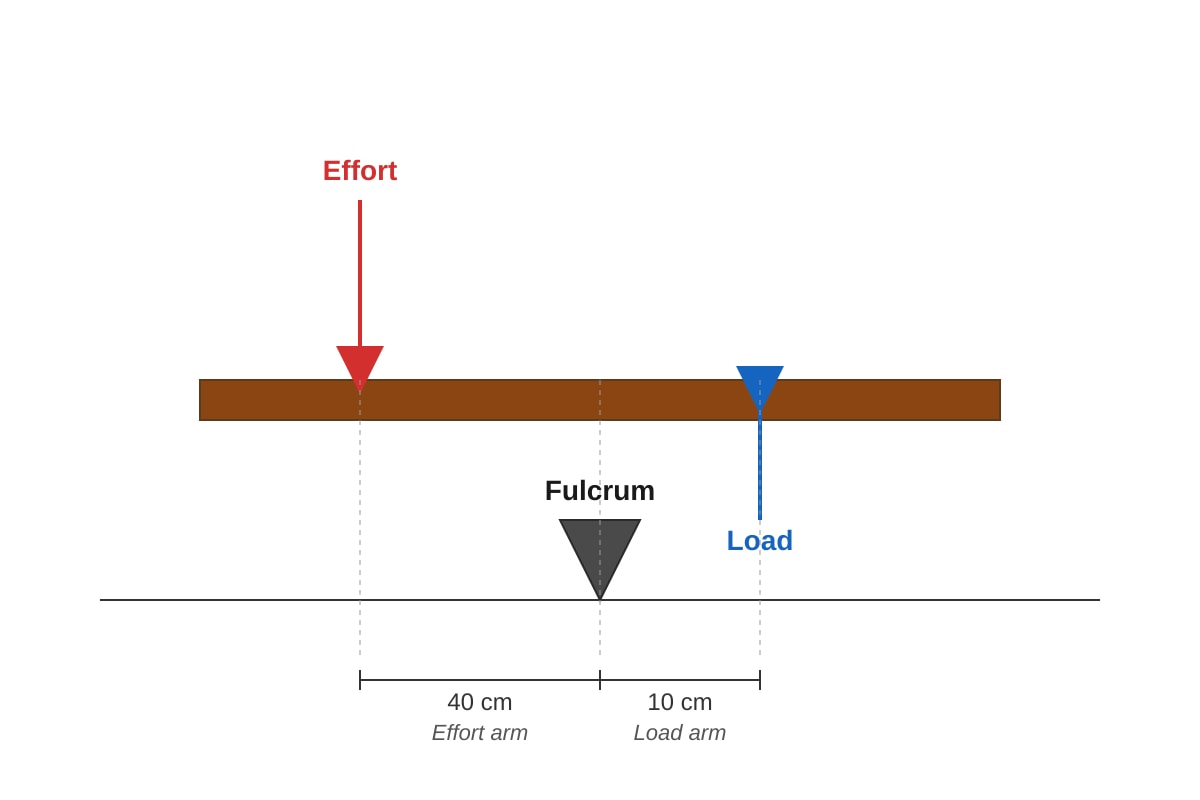
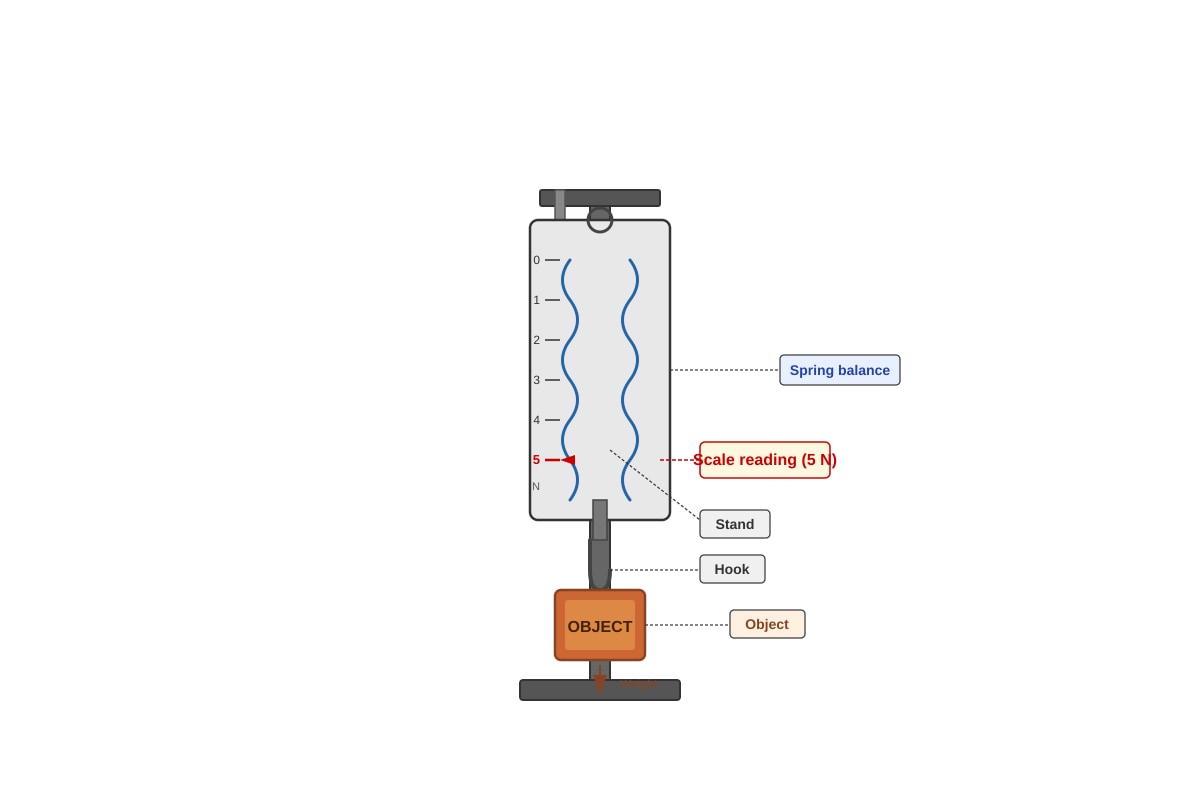
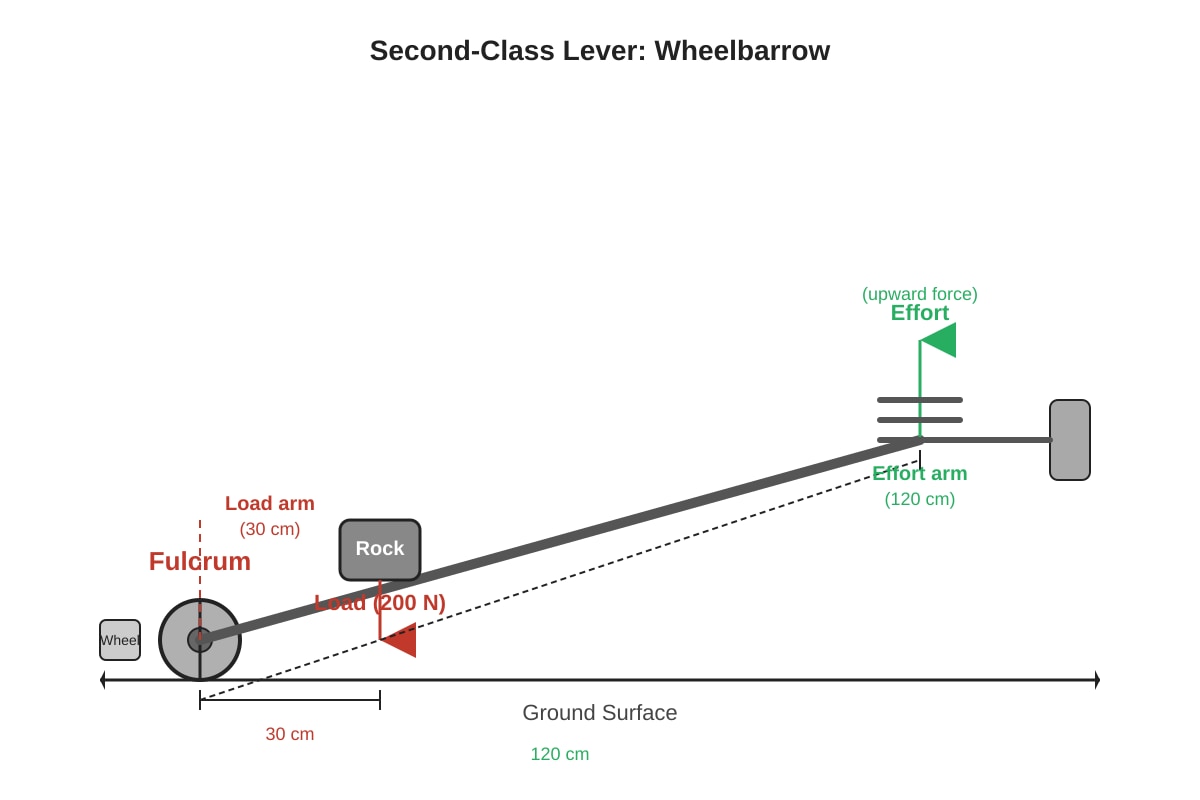
| 23 | (1) | Principle of moments: Effort × Effort arm = Load × Load arm → Effort × 40 = 20 × 10 → Effort = 5 N. |
| 24 | (3) | Magnetic force acts at a distance (non-contact). Friction, air resistance, push require contact. |
| 25 | (1) | After release, only gravity (weight) acts downwards. Throwing force ceases once contact is lost. |
| 26 | (1) | Weight = mass × g → 5 N = mass × 10 N/kg → mass = 0.5 kg. |
| 27 | (2) | Battery stores chemical energy → converted to electrical energy → converted to light + heat in bulb. |
| 28 | (3) | See explanation below. |
Question 28
Diagram: A cup of hot tea at 80°C placed in a room at 28°C. Graph shows temperature of tea vs time: curve decreasing from 80°C, approaching 28°C asymptotically.
Question: Which statement about the heat transfer is correct?
(1) Heat is transferred from the room to the tea.
(2) The tea loses heat until it reaches 0°C.
(3) Heat is transferred from the tea to the room until both reach the same temperature.
(4) The room temperature increases significantly as the tea cools.
Answer: (3)
Heat flows from hotter object (tea) to cooler surroundings (room) until thermal equilibrium (same temperature). Room temperature rises negligibly due to large volume.
SECTION B (44 marks)
Question 29 [4]
Diagram: Plant cell and animal cell side by side. Structures labelled: Nucleus, Cytoplasm, Cell membrane, Cell wall (plant only), Chloroplast (plant only), Large vacuole (plant only), Small vacuoles (animal).
(a) Identify two structures present in the plant cell but absent in the animal cell.
Answer: Cell wall, chloroplasts, large central vacuole (any two). [2]
(b) State the function of the nucleus.
Answer: Controls all cellular activities / contains genetic material (DNA) that determines characteristics. [1]
(c) Why are chloroplasts found only in plant cells?
Answer: Plants photosynthesise (make their own food); animals obtain food by eating. [1]
Question 30 [3]
Diagram: Flower longitudinal section. Parts labelled: Stigma, Style, Ovary, Ovule, Anther, Filament, Petal, Sepal.
(a) Name the part that produces pollen grains.
Answer: Anther. [1]
(b) After pollination, pollen tube grows down the style to the ovary. What is the function of the pollen tube?
Answer: To transport the male nucleus (sperm cell) to the ovule for fertilisation. [1]
(c) The ovule develops into the ________ after fertilisation.
Answer: Seed. [1]
Question 31 [4]
Diagram: Human respiratory system. Labels: Trachea, Bronchus, Bronchioles, Alveoli, Rib cage, Diaphragm, Intercostal muscles.
(a) Name the tiny air sacs where gaseous exchange occurs.
Answer: Alveoli. [1]
(b) State two structural adaptations of the alveoli for efficient gaseous exchange.
Answer:
- Thin walls (one cell thick) for short diffusion distance.
- Large surface area (many alveoli) / moist lining for gas dissolution / rich blood supply (capillaries). (Any two) [2]
(c) When we inhale, the diaphragm ________ (contracts/relaxes) and moves ________ (upwards/downwards).
Answer: Contracts, downwards. [1]
Question 32 [4]
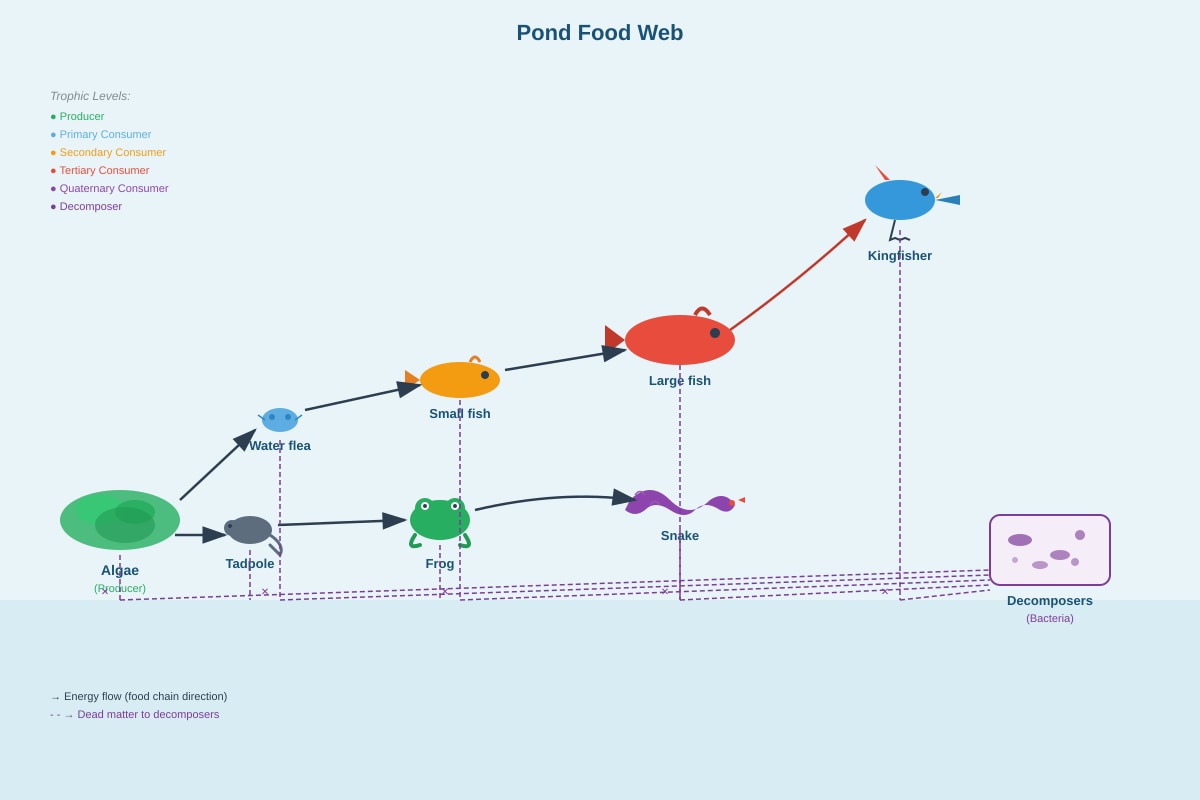
Diagram: Food chain: Grass → Grasshopper → Frog → Snake → Hawk. Pyramid of numbers and pyramid of biomass shown.
(a) Identify the producer in this food chain.
Answer: Grass. [1]
(b) If all frogs are removed, what happens to the grasshopper population? Explain.
Answer: Grasshopper population increases because their predator (frog) is gone. [1]
(c) Energy is lost at each trophic level. State two ways energy is lost.
Answer: Heat loss (respiration), waste (faeces/urine), uneaten parts, movement. (Any two) [2]
Question 33 [3]
Diagram: Water cycle with processes labelled A, B, C, D. A: Evaporation, B: Condensation, C: Precipitation, D: Collection/Runoff.
(a) Name process B.
Answer: Condensation. [1]
(b) During process B, water vapour ________ (gains/loses) heat and changes from ________ to ________.
Answer: Loses, gas, liquid. [1]
(c) The main source of energy driving the water cycle is the ________.
Answer: Sun. [1]
Question 34 [4]
Diagram: Cross-section of stem showing vascular bundles. Xylem and phloem labelled.
(a) Name the two types of transport tissues in plants.
Answer: Xylem and phloem. [1]
(b) Complete the table:
| Tissue | Substances transported | Direction of transport |
|---|---|---|
| Xylem | Water and mineral salts | Roots to leaves (upward) |
| Phloem | Food (sugar/sucrose) | Leaves to all parts (bidirectional) |
[2]
(c) What happens to a plant if its phloem is damaged?
Answer: Food cannot be transported from leaves to roots/storage organs → roots starve → plant dies. [1]
Question 35 [4]
Diagram: Human heart (simplified). Four chambers labelled. Arrows show blood flow.
(a) Name the chamber that receives deoxygenated blood from the body.
Answer: Right atrium. [1]
(b) Blood leaving the left ventricle enters which blood vessel?
Answer: Aorta. [1]
(c) Why is the wall of the left ventricle thicker than the right ventricle?
Answer: Left ventricle pumps blood to the whole body (high pressure needed); right ventricle pumps only to lungs (lower pressure). [1]
(d) Valves are present in the heart. State their function.
Answer: Prevent backflow of blood / ensure one-way flow. [1]
Question 36 [4]
Diagram: Series circuit with battery, switch, two bulbs (A and B), ammeter. Parallel circuit with same components but bulbs on separate branches.
(a) In the series circuit, if Bulb A is brighter than Bulb B, what can you conclude?
Answer: Bulbs are not identical (different resistance/filament thickness). In series, current is same; brightness depends on resistance (P=I²R). [1]
(b) In the parallel circuit, both bulbs light up with equal brightness. Explain why.
Answer: Each bulb receives the full voltage of the battery; identical bulbs → same current → same brightness. [1]
(c) State one advantage of connecting bulbs in parallel in household lighting.
Answer: If one bulb fuses, others remain lit / each bulb can be switched independently / all get full voltage. [1]
(d) The diagram shows an ammeter in the series circuit. Where should the ammeter be placed to measure the total current in the parallel circuit?
Answer: In the main wire before the current splits (in series with the battery). [1]
Question 37 [4]
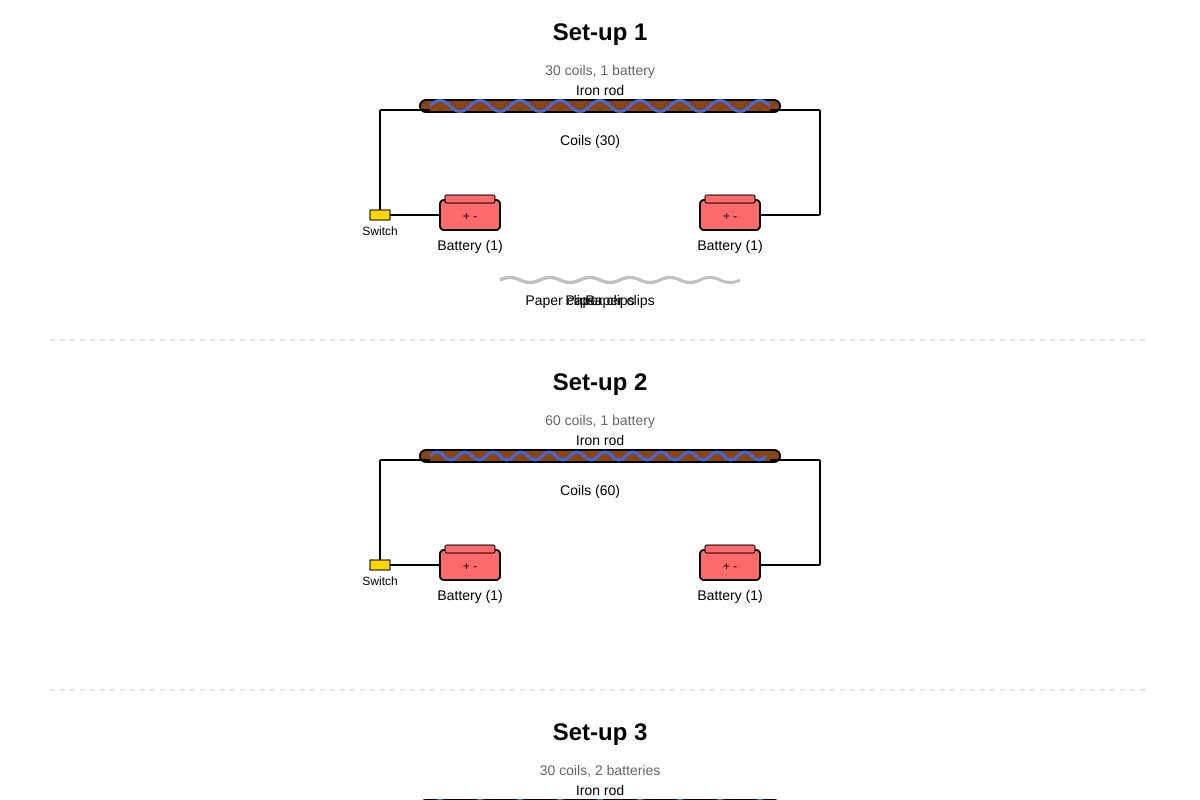
Diagram: Electromagnet picking up paper clips. Variables: Number of coils, Battery voltage, Core material.
(a) The strength of the electromagnet depends on the number of coils. Describe the relationship.
Answer: More coils → stronger electromagnet (more paper clips attracted). [1]
(b) Besides increasing coils, state two other ways to increase the strength.
Answer: Increase voltage (add batteries in series), use soft iron core (not steel), increase current (thicker wire). (Any two) [2]
(c) Why is soft iron used as the core instead of steel?
Answer: Soft iron magnetises and demagnetises quickly (temporary magnet); steel retains magnetism (permanent magnet) → cannot switch off easily. [1]
Question 38 [4]
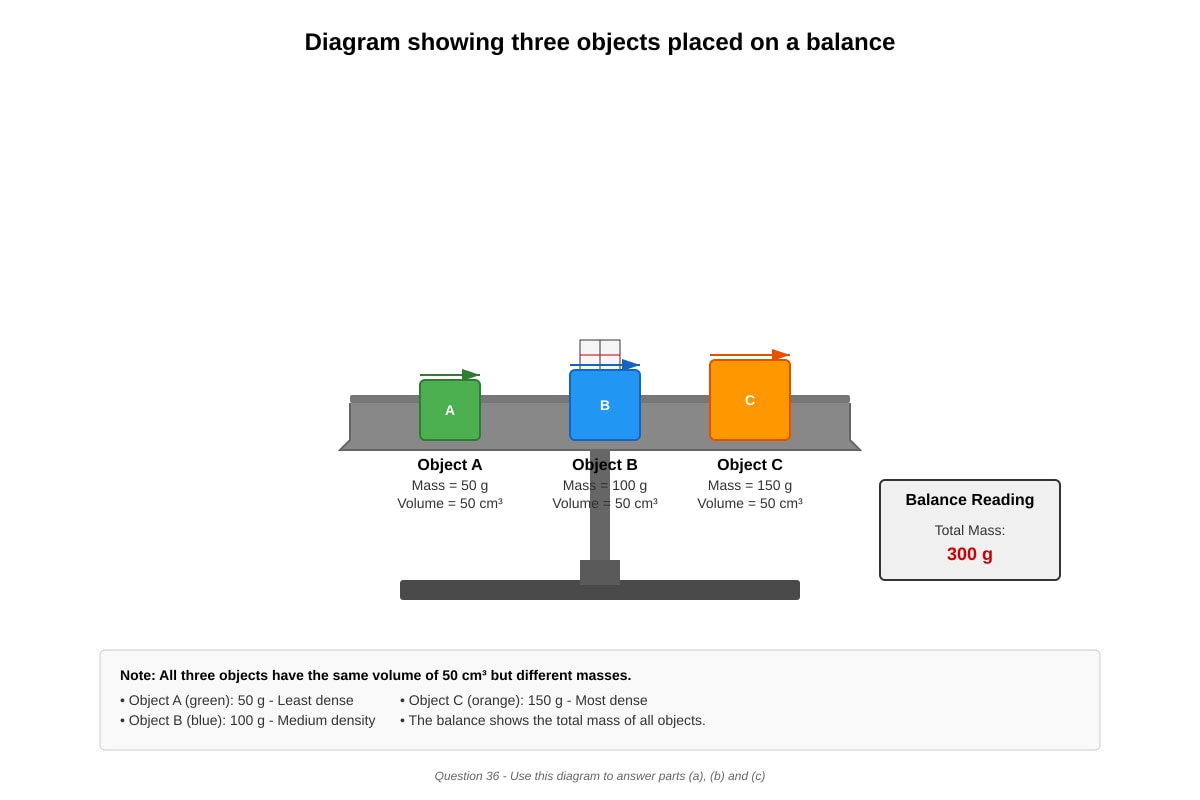
Diagram: Three beakers with equal water volume at 80°C. Different materials: Metal cup, Plastic cup, Styrofoam cup. Temperature recorded every 2 minutes.
(a) Which cup will show the fastest drop in temperature?
Answer: Metal cup. [1]
(b) Explain your answer in (a).
Answer: Metal is a good conductor of heat → transfers heat from hot water to surroundings fastest. [1]
(c) The experiment is repeated with lids on all cups. How will this affect the results?
Answer: Temperature drop slower in all cups; lid reduces heat loss by convection and evaporation. [1]
(d) Name the process of heat transfer that occurs through the cup material.
Answer: Conduction. [1]
Question 39 [4]
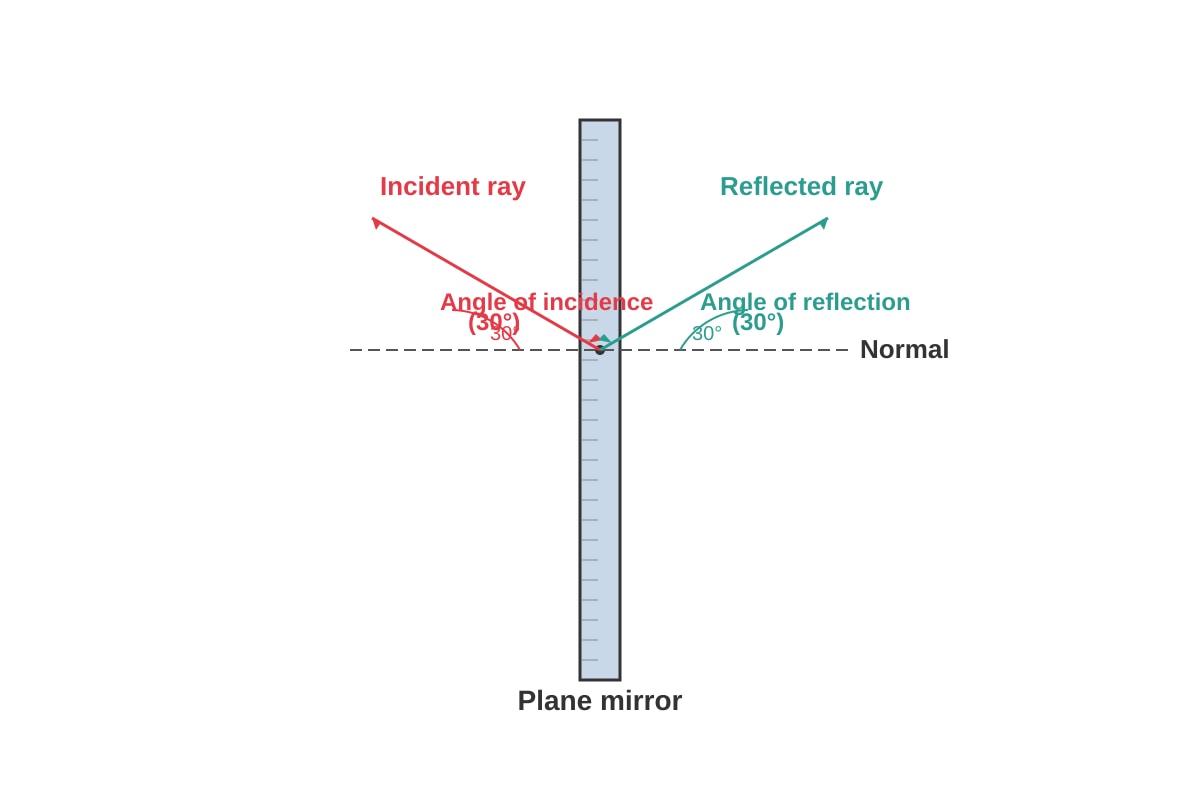
Diagram: Light ray hitting a plane mirror. Angle of incidence = 40°.
(a) What is the angle of reflection?
Answer: 40°. [1]
(b) The mirror is rotated 10° clockwise. What is the new angle of reflection?
Answer: 50° (angle of incidence increases by 10°). [1]
(c) State two characteristics of the image formed by a plane mirror.
Answer: Virtual, upright, same size, laterally inverted, same distance behind mirror as object in front. (Any two) [1]
(d) A periscope uses two plane mirrors. At what angle are the mirrors placed?
Answer: 45° to the horizontal / parallel to each other at 45°. [1]
Question 40 [4]
Diagram: Lever (see-saw) with fulcrum in middle. Girl (300 N) sits 2 m from fulcrum. Boy sits 1.5 m from fulcrum on other side.
(a) Calculate the moment exerted by the girl about the fulcrum.
Answer: Moment = Force × Distance = 300 N × 2 m = 600 Nm (clockwise). [1]
(b) What is the minimum weight of the boy needed to lift the girl?
Answer: For balance: Boy's weight × 1.5 m = 600 Nm → Weight = 400 N. To lift, > 400 N. [1]
(c) If the boy weighs 500 N, which side will tilt down?
Answer: Boy's side (anticlockwise moment = 500 × 1.5 = 750 Nm > 600 Nm). [1]
(d) State one way to reduce the effort needed to lift a load using a lever.
Answer: Increase effort arm length (move effort further from fulcrum) / decrease load arm length. [1]
Question 41 [4]
Diagram: Ball thrown upwards. Positions: A (launch), B (max height), C (falling down). Forces shown.
(a) At position B (maximum height), what is the velocity of the ball?
Answer: Zero (momentarily at rest). [1]
(b) At position B, what force(s) act on the ball? (Ignore air resistance.)
Answer: Only gravity (weight) acting downwards. [1]
(c) As the ball falls from B to C, its speed ________ (increases/decreases). Why?
Answer: Increases. Gravity accelerates it downwards. [1]
(d) Energy conversion: At A, ________ energy → At B, ________ energy → At C, ________ energy.
Answer: Kinetic → Gravitational potential → Kinetic (+ some heat/sound on impact). [1]
Question 42 [4]
Diagram: Solar panel → Battery → LED light. Energy conversion chain.
(a) Complete the energy conversion:
Sunlight → ________ energy (in solar panel) → ________ energy (in battery) → ________ energy + ________ energy (in LED).
Answer: Electrical → Chemical → Light + Heat. [2]
(b) Why is the LED not 100% efficient?
Answer: Some electrical energy is converted to heat (wasted). [1]
(c) State one advantage of using solar energy.
Answer: Renewable / no pollution / free source / reduces fossil fuel use. [1]
MARKING SCHEME SUMMARY
- Section A: 28 questions × 2 marks = 56 marks
- Section B: 14 questions (29–42) = 44 marks
- Total: 100 marks
End of Answer Key