AI Generated Quiz
Primary 5 Mathematics Geometry Quiz
Free P5 Maths Geometry quiz, HY3 AI version, with questions, answers, and syllabus-aligned practice for Singapore students.
These static practice materials are generated from the site's syllabus and paper-generation workflow, with source and model context shown so students and parents can evaluate the material before use.
Questions

Free quiz and exam paper access
Enter your details to view this paper
Your access is remembered on this device.
Answers
Primary 5 Mathematics Quiz - Geometry (Answer Key)
Topic: Geometry
Level: Primary 5
Version: 1 of 5
Total Marks: 40
Section A Answers (Q1–10)
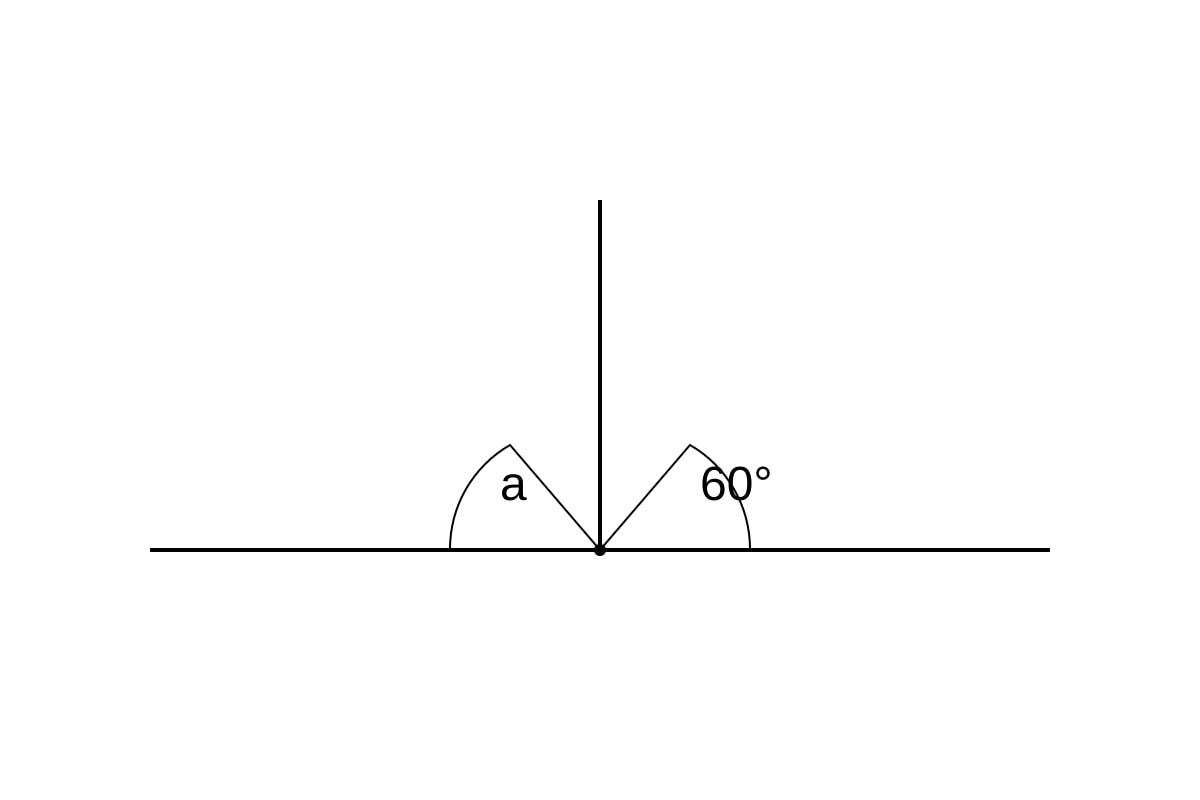
Q1. (2 marks)
Answer: 180
Teaching note: Angles on a straight line always sum to . This is a basic geometry property.
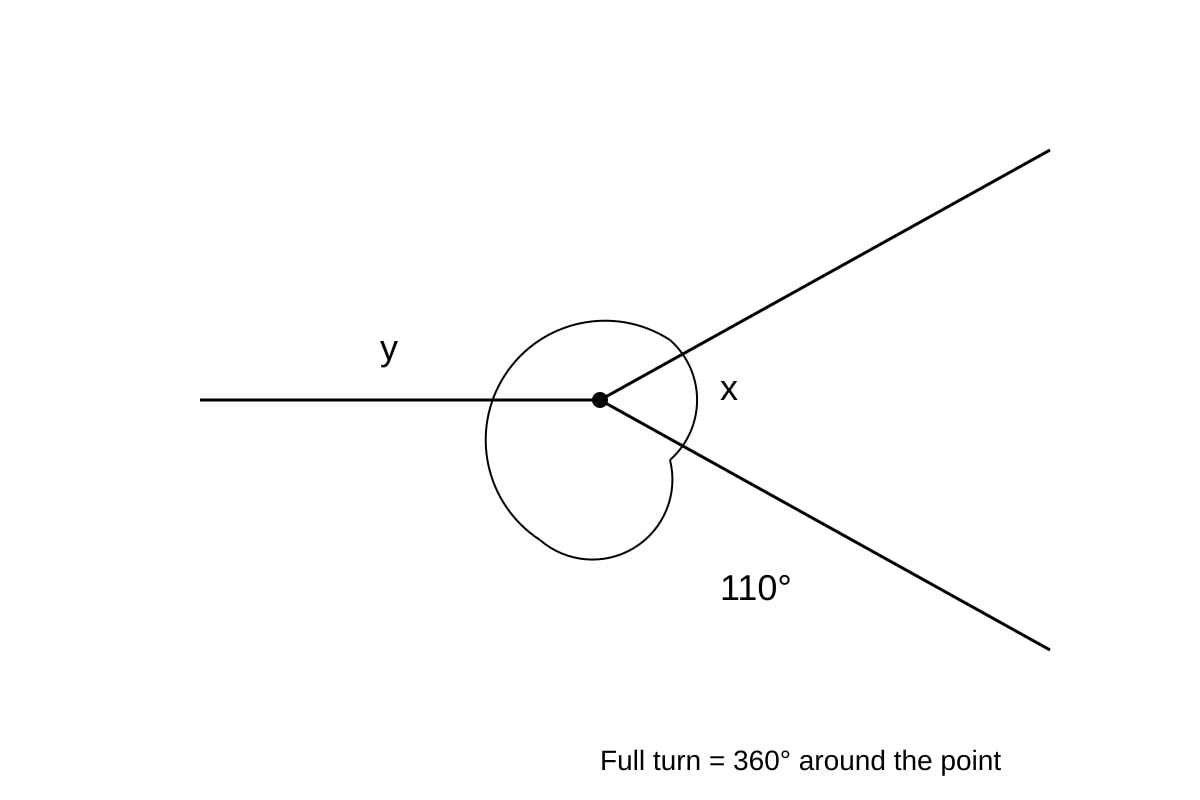
Q2. (2 marks)
Answer: 360
Teaching note: Angles around a point (full turn) sum to .
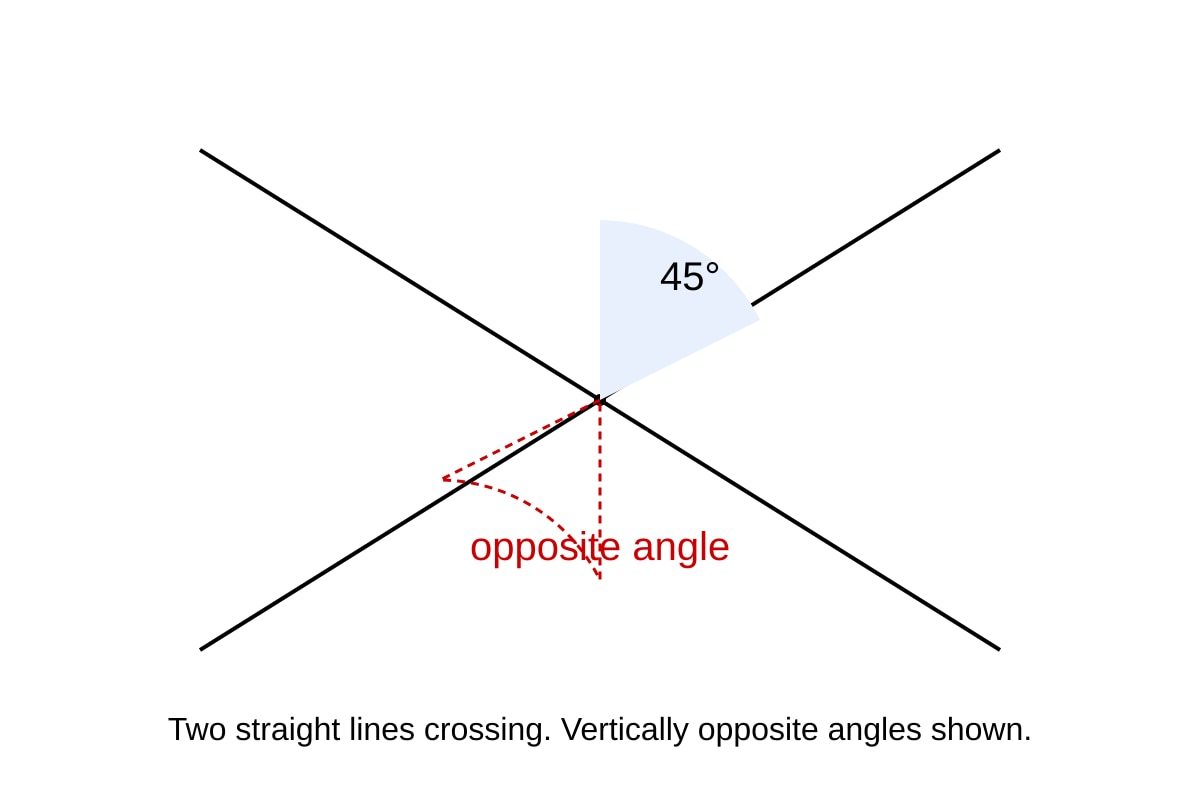
Q3. (2 marks)
Answer: equal
Teaching note: Vertically opposite angles are formed when two lines cross; the opposite pairs are always equal.
Q4. (2 marks)
Answer:
Working: (straight line)
Common mistake: writing ; remember straight line is .
Q5. (2 marks)
Answer:
Working:
Q6. (2 marks)
Answer:
Teaching note: Vertically opposite angles are equal, so the opposite angle is also .
Q7. (2 marks)
Answer:
Working: Sum of triangle angles =
Third angle =
Q8. (2 marks)
Answer:
Working: Sum of base angles =
Each base angle =
Q9. (2 marks)
Answer: 3, 60
Teaching note: Equilateral triangle has 3 equal sides and 3 equal angles of each ().
Q10. (2 marks)
Answer: 4, equal
Teaching note: Rectangle has 4 right angles and opposite sides equal and parallel.
Section B Answers (Q11–16)
Q11. (3 marks)
Answer:
Working:
Angles on straight line :
Marking: 1 mark set equation, 1 mark sum, 1 mark final.
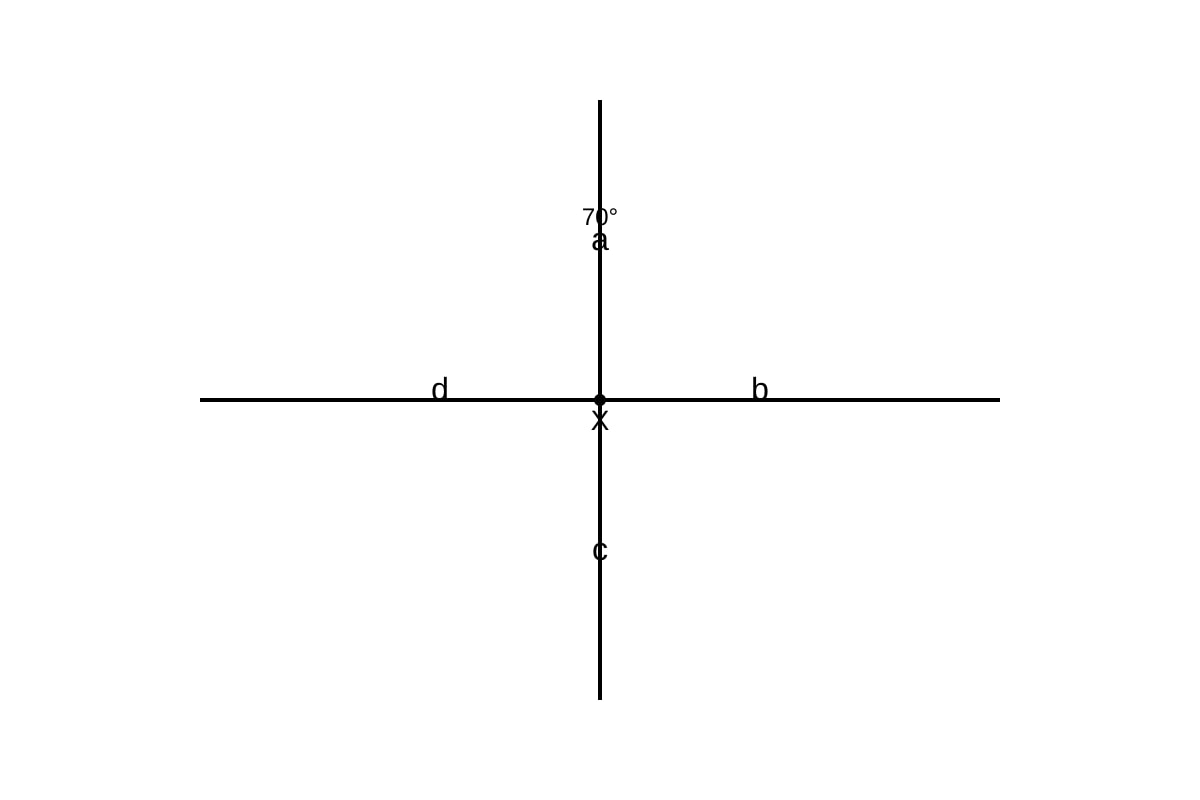
Q12. (3 marks)
Answer: , ,
Working:
and vertically opposite →
and on straight line →
and vertically opposite →
Marking: 1 mark each correct pair.
Q13. (3 marks)
Answer: Third angle = , Type: acute triangle
Working:
All angles < → acute triangle.
Marking: 2 marks calculation, 1 mark type.
Q14. (3 marks)
Answer:
Working: Parallelogram opposite angles equal, adjacent supplementary.
Given , opposite = , other two = each.
Marking: 1 mark opposite, 2 marks adjacent.
Q15. (3 marks)
Answer:
Working: Rhombus is a parallelogram with equal sides. Opposite angles equal.
Given , opposite = , others = each.
Marking: 1 + 2 as above.
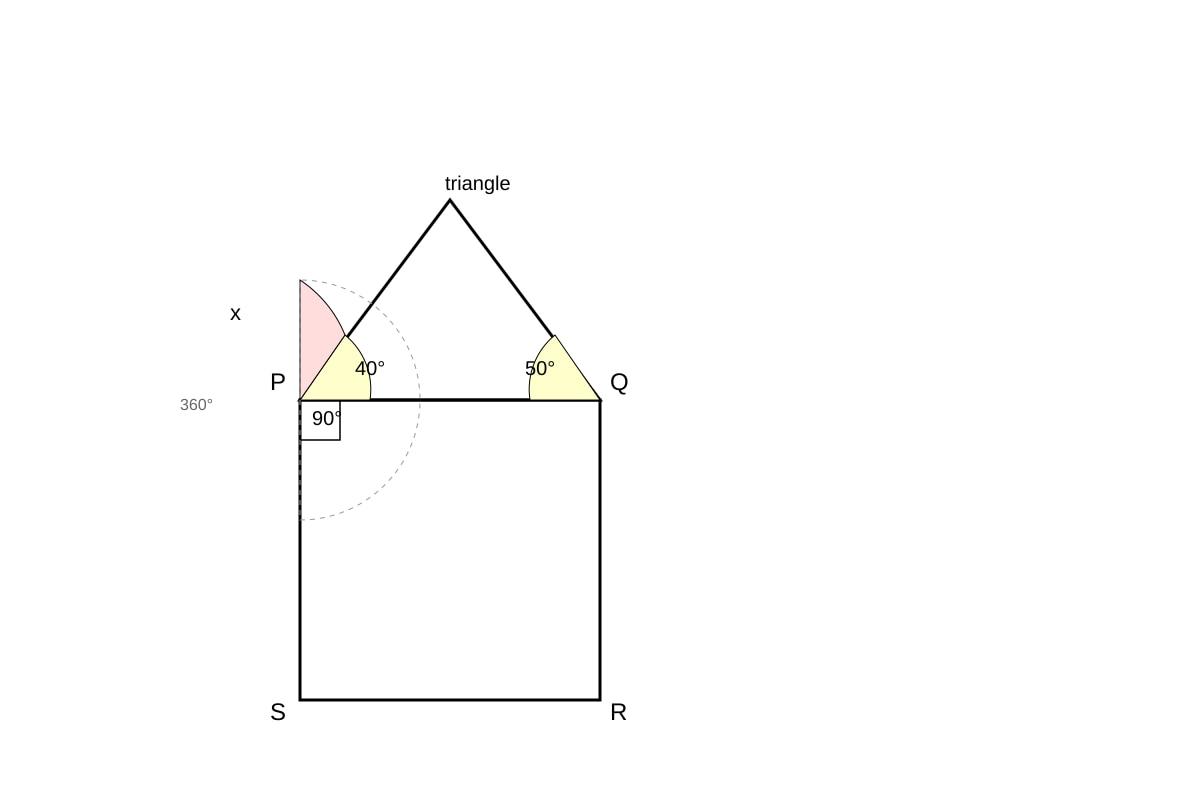
Q16. (3 marks)
Answer:
Working: At point P, full turn =
Square corner = , triangle two angles at P total = (only the part inside triangle at P is ; actually triangle uses at P, square uses at P, remaining x = ? Wait: triangle attached to side PQ, at P triangle angle is , square angle at P is , they are adjacent on the line PQ, so x = . But prompt says triangle has angles 40 and 50 at shared side meaning at P and Q; so at P triangle uses 40, square uses 90, remaining = .)
Correction: .
Marking: 1 mark identify full turn, 2 marks subtract.
Section C Answers (Q17–20)
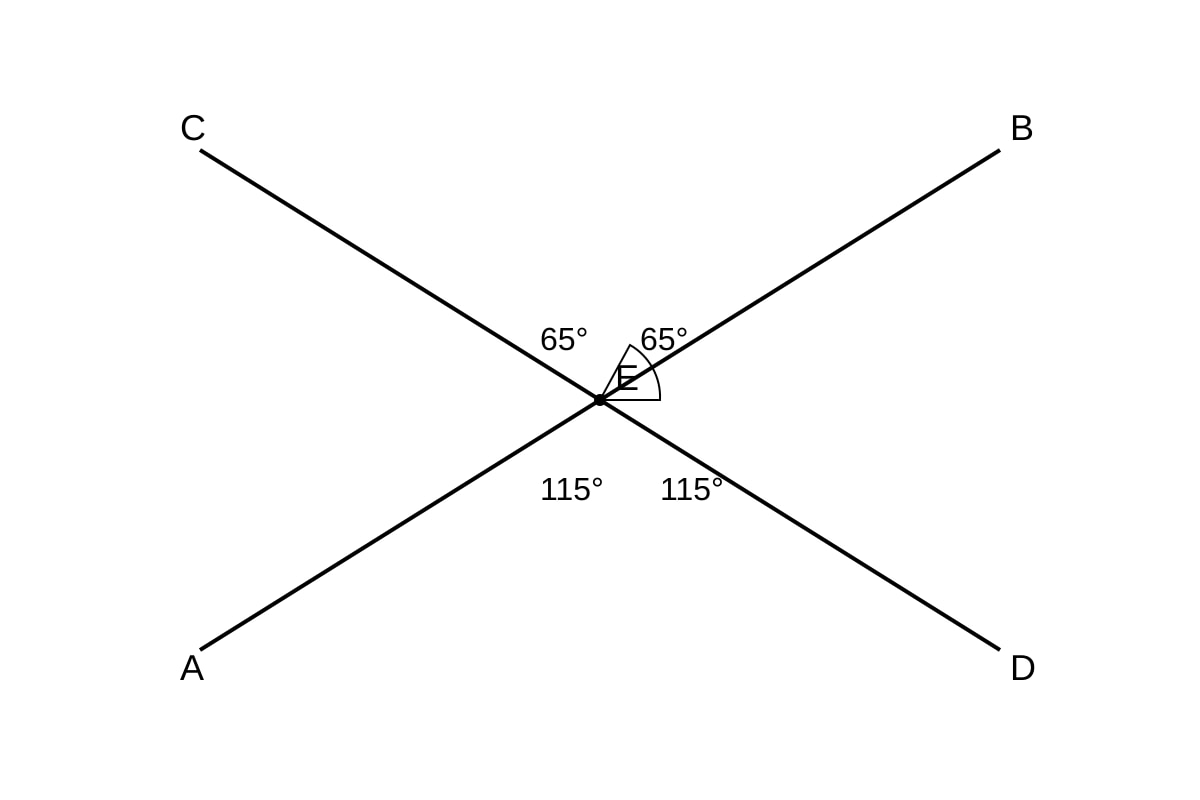
Q17. (4 marks)
Answer:
Reasoning:
(given)
Vertically opposite
Straight line:
Vertically opposite
Marking: 1 each angle with reason.
Q18. (4 marks)
Answer:
Working:
Sum base angles =
Each =
Marking: 2 marks subtraction, 2 marks divide.
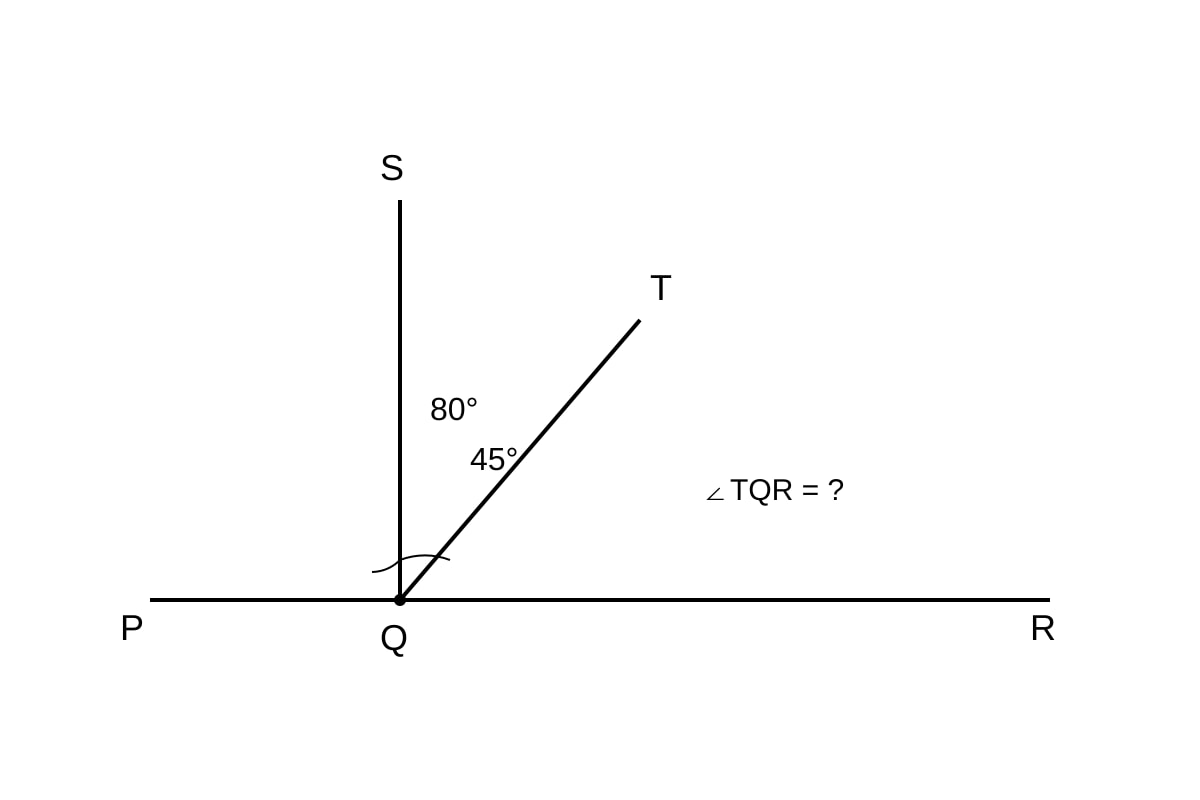
Q19. (4 marks)
Answer: , Sum =
Working:
On line :
Sum on straight line =
Marking: 2 marks angle, 2 marks sum.
Q20. (4 marks)
Answer: Fourth = , Type: trapezium (if two sides parallel)
Working:
Sum quadrilateral angles =
Fourth =
With two parallel sides → trapezium.
Marking: 2 marks calc, 2 marks name.