AI Generated Exam Paper
Primary 5 Higher Tamil Practice Paper 2
Free P5 Higher Tamil Practice Paper 2, Nemo3 AI version, with questions, answers, and syllabus-aligned practice for Singapore students.
These static practice materials are generated from the site's syllabus and paper-generation workflow, with source and model context shown so students and parents can evaluate the material before use.
Questions
Free quiz and exam paper access
Enter your details to view this paper
Your access is remembered on this device.
Answers
TuitionGoWhere Practice Paper - Higher Tamil Primary 5 (Answer Key)
Subject: Higher Tamil
Level: Primary 5
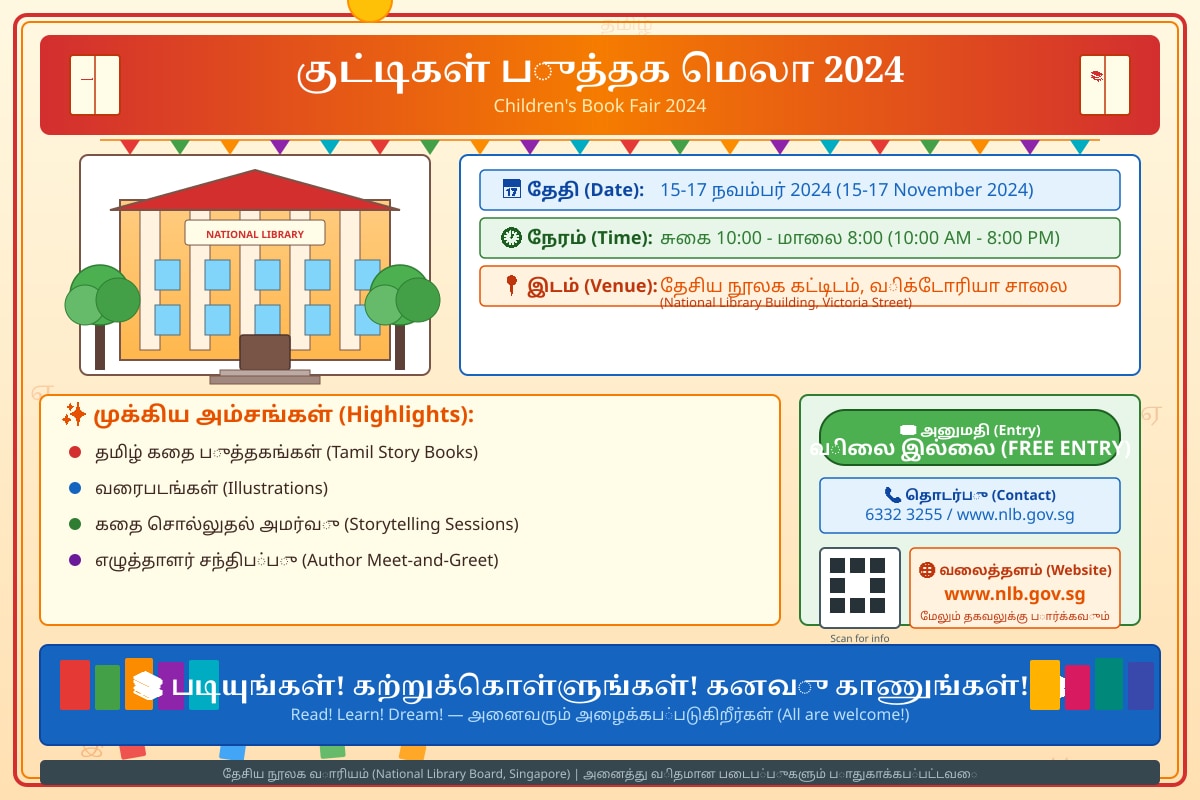
Paper: Practice Paper 2 (Reading Focus)
Total Marks: 50
Section A: Vocabulary and Grammar in Context (10 marks)
1. Answer: (2) அமர்த்தப்பட்டுள்ளது [2]
Explanation: In the sentence "மாமா வீடு ஒரு சிறிய கிராமத்தில் அமைந்துள்ளது" (Uncle's house is situated in a small village), the word 'அமைந்துள்ளது' means 'is located/situated' or 'has been placed/established'. Option (2) 'அமர்த்தப்பட்டுள்ளது' (has been placed/established) is the closest meaning. Option (1) 'அமர்ந்துள்ளது' means 'is sitting/residing' (usually for living beings). Option (3) is grammatically awkward. Option (4) is negative.
2. Answer: (1) சுருக்கியது [2]
Explanation: 'நீடித்தது' means 'extended/lengthened' (time). The antonym (எதிர்ச்சொல்) is 'சுருக்கியது' (shortened). Option (2) 'விரித்தது' is a synonym (expanded). Option (3) 'நிறுத்தியது' means stopped. Option (4) 'தொடங்கியது' means started.
3. Answer: (2) அவர்கள் பேருந்தில் ஏறினர். [2]
Explanation: 'அவர்கள்' is an honorific plural pronoun (used for respect) or third person plural. In option (2), 'அவர்கள் பேருந்தில் ஏறினர்' (They boarded the bus), the verb 'ஏறினர்' (honorific past tense) matches the honorific subject 'அவர்கள்'. In (1), 'அவன்' (he - singular) clashes with 'அவர்கள்' (plural/respect). In (3), 'அவள்' (she - singular) clashes. In (4), 'நான்' (I) clashes.
4. Answer: (2) இறந்தகாலம் [2]
Explanation: The verb 'வரவேற்றார்' (welcomed) ends in 'ஆர்' (honorific past tense marker for strong verbs) indicating completed action in the past. The context "மாமா அவர்களை... வரவேற்றார்" (Uncle welcomed them) describes a past event.
5. Answer: ராமு மற்றும் சிதா மாமா வீட்டுக்குப் போனார்கள். (Ramu and Sita went to their uncle's house.) [2]
Marking: 1 mark for identifying 'மாமா வீடு' (uncle's house), 1 mark for correct sentence structure in Tamil.
Common Mistake: Writing "கிராமத்துக்கு" (to the village) only. The specific destination mentioned first is "மாமா வீடு".
Section B: Comprehension - Visual Text (10 marks)
6. Answer: குட்டிகள் புத்தக மெலா 2024 (Children's Book Fair 2024). [2]
Source: Poster Title.
Marking: 2 marks for correct event name. 1 mark if only "புத்தக மெலா" or "Book Fair".
7. Answer: 15-17 நவம்பர் 2024 (15th to 17th November 2024). [2]
Source: Poster Date field.
Marking: 2 marks for full correct date range. 1 mark for partial (e.g., only "நவம்பர் 2024").
8. Answer: தேசிய நூலக கட்டிடம், விக்டோரியா சாலை (National Library Building, Victoria Street). [2]
Source: Poster Venue field.
Marking: 2 marks for complete venue. 1 mark for "தேசிய நூலகம்" only.
9. Answer: (Any two of the following) [2]
- தமிழ் கதை புத்தகங்கள் (Tamil story books)
- வரைபடங்கள் (Illustrations)
- கதை சொல்லுதல் جلسை (Storytelling sessions)
- எழுத்தாளர் சந்திப்பு (Author meet-and-greet)
Marking: 1 mark per correct highlight, max 2 marks.
10. Answer: விலை இல்லை / இலவசம் (Free Entry / Free). [2]
Source: Poster Entry field.
Marking: 2 marks for "Free" or "விலை இல்லை". 0 marks for guessing a price.
Section C: Comprehension - Narrative Text (15 marks)
11. Answer: ஒரு பழமையான மணியை (An old bell/ornament - context suggests a decorative bell or similar object). [2]
Source: Line 2: "ஒருநாள் ஒரு பழமையான மணியை கண்டு பிடித்தார்."
Marking: 2 marks for "பழமையான மணி" (old bell). 1 mark for just "மணி".
12. Answer: "இது யாருடையதோ அவர்களுக்குத் திருப்பி கொடுக்க வேண்டும்" (Whoever this belongs to, you must return it to them). [2]
Source: Line 4-5.
Marking: 2 marks for accurate translation/paraphrase of mother's instruction. 1 mark for partial idea (e.g., "திருப்பி கொடுக்க வேண்டும்" only).
13. Answer: அடுத்த நாள் பள்ளிக்குப் போகும் வழியில் மணியை கண்ட இடத்தில் வைத்து விட்டு வந்தார். (The next day, on the way to school, he left the bell at the place he found it and came back.) [2]
Source: Line 5-6.
Marking: 1 mark for "அடுத்த நாள்" (next day), 1 mark for "கண்ட இடத்தில் வைத்து விட்டு வந்தார்" (left at found place).
14. Answer: மணியின் உரிமையாளர் (The owner of the bell). [1]
Source: Line 7: "அவர் மணியின் உரிமையாளர்."
Marking: 1 mark. Direct retrieval.
15. Answer: நெறிமுறை: 정직ம் மற்றும் பொறுப்பு (Honesty and Responsibility). [3]
Explanation: Muralee found something valuable (honesty not to keep it), listened to his mother's advice (respect/obedience), and took action to return it to the rightful owner (responsibility/integrity). The owner's gratitude confirms the value of the action.
Marking Breakdown:
- 1 mark for identifying a core value (Honesty / Integrity / Responsibility).
- 1 mark for identifying a second value or explaining the action (Returning the item).
- 1 mark for linking to the story outcome (Owner thanked him / Muralee felt happy).
Sample Full Mark Answer: "இந்த கதை நமக்குப் பொறுப்பு மற்றும் 정직ம் (honesty) ஆகிய நெறிமுறைகளை கற்பிக்கிறது. முரளி தனக்குப் பிடித்த மணியை தன் தாயின் வார்த்தையைப் பின்பற்றி உரிமையாளருக்குத் திருப்பி கொடுத்தார். இதன் விளைவாக உரிமையாளர் நன்றி கூறினார், முரளி மகிழ்ந்தார். எனவே, வேற்பட்ட வஸ்துக்களை திருப்பி கொடுப்பது சரியான நடத்தை."
Section D: Comprehension - Informational Text (15 marks)
16. Answer: ரெயின் டிரி (Rain Tree). [1]
Source: Line 2: "அவற்றில் 'ரெயின் டிரி' (Rain Tree) என்பது ஒரு முக்கியமான மரம்."
Marking: 1 mark. Direct retrieval.
17. Answer: இவை சிறியதாகவும், மஞ்சள்-பச்சை நிறமும் கொண்டிருக்கும். (They are small and yellowish-green in colour.) [2]
Source: Line 3: "இதன் இலைகள் சிறியதாகவும், மஞ்சள்-பச்சை நிறமும் கொண்டிருக்கும்."
Marking: 1 mark for "சிறியதாக" (small), 1 mark for "மஞ்சள்-பச்சை நிறம்" (yellowish-green).
18. Answer: மழை பெய்யும் போது, இந்த மரத்தின் இலைகள் தாங்களைத் திறந்து, மழை நீர் விழுவதை அனுமதிக்கும். (When it rains, the leaves open up and allow rain water to fall through.) [2]
Source: Line 4: "மழை பெய்யும் போது, இந்த மரத்தின் இலைகள் தாங்களைத் திறந்து, மழை நீர் விழுவதை அனுமதிக்கும்."
Marking: 1 mark for "இலைகள் திறந்து" (leaves open), 1 mark for "மழை நீர் விழுவதை அனுமதிக்கும்" (allow rain to fall).
19. Answer: நிழல் (Shade). [2]
Source: Line 5: "இந்த மரம் நமக்கு நிழல் அளிக்கும்."
Marking: 2 marks for "நிழல்" (shade). 1 mark for "நிழல் அளிக்கும்" phrase. Note: Text says "நமக்கு நிழல் அளிக்கும்" (gives us shade). While roots prevent erosion, the direct "gives" (அளிக்கும்) refers to shade.
20. Answer: இந்த மரத்தின் வேர்கள் மண்ணை பிடித்து, மண் அரிப்பு தடுப்பதில் உதவுகின்றன. (The roots hold the soil and help prevent soil erosion.) [3]
Source: Line 5-6: "இதன் வேர்கள் மண்ணை பிடித்து, மண் அரிப்பு தடுப்பதில் உதவுகின்றன."
Marking Breakdown:
- 1 mark: "மண்ணை பிடித்து" (hold the soil / bind the soil).
- 1 mark: "மண் அரிப்பு தடுப்பது" (prevent soil erosion).
- 1 mark: "உதவுகின்றன" (help / assist) - completing the causal link.
Common Mistake: Only writing "மண் அரிப்பு தடுக்கிறது" without mentioning roots holding soil.
Total Marks: 50
End of Answer Key