From Real Exams Quiz
Primary 4 Science Life Cycles Quiz
Free P4 Science Life Cycles quiz, Exam version, with questions, answers, and syllabus-aligned practice for Singapore students.
These static practice materials are generated from the site's syllabus and paper-generation workflow, with source and model context shown so students and parents can evaluate the material before use.
Questions

Free quiz and exam paper access
Enter your details to view this paper
Your access is remembered on this device.
Answers
Answer Key: Primary 4 Science Quiz - Life Cycles
Total Marks: 40
Section A: Multiple-Choice Questions (10 marks)
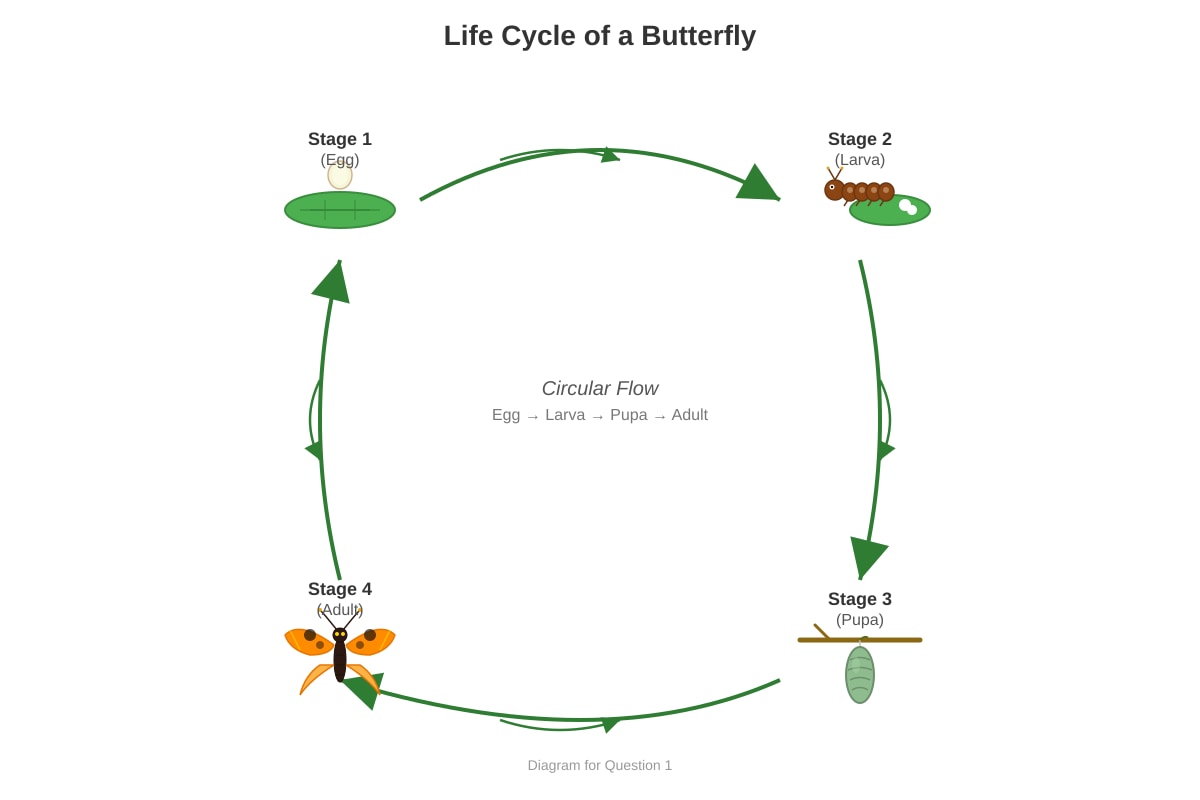
Q1. C) Stage 3
- Marks: 1
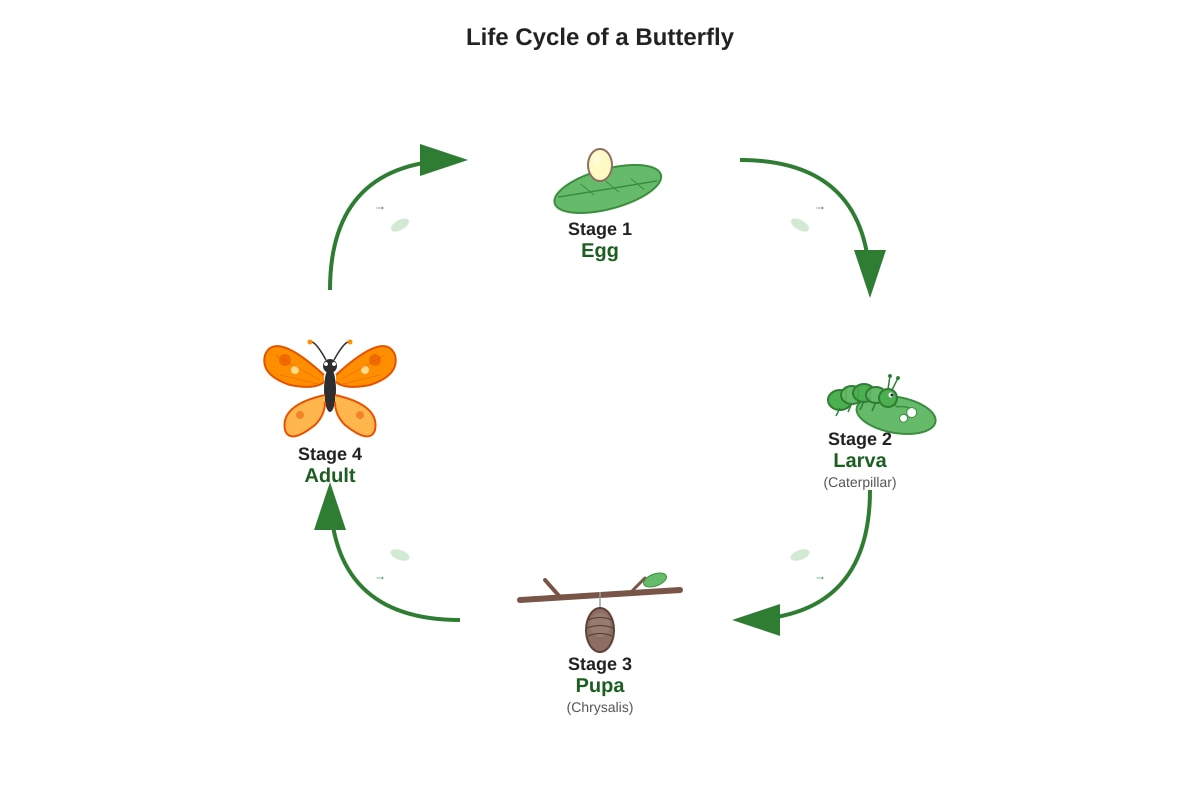
- Explanation: The pupa is the third stage in the butterfly's life cycle. It is also called a chrysalis. During this stage, the caterpillar is enclosed in a protective case and undergoes transformation into an adult butterfly.
- Teaching Note: Remember the order: Egg → Larva (caterpillar) → Pupa (chrysalis) → Adult.
Q2. C) Grasshopper
- Marks: 1
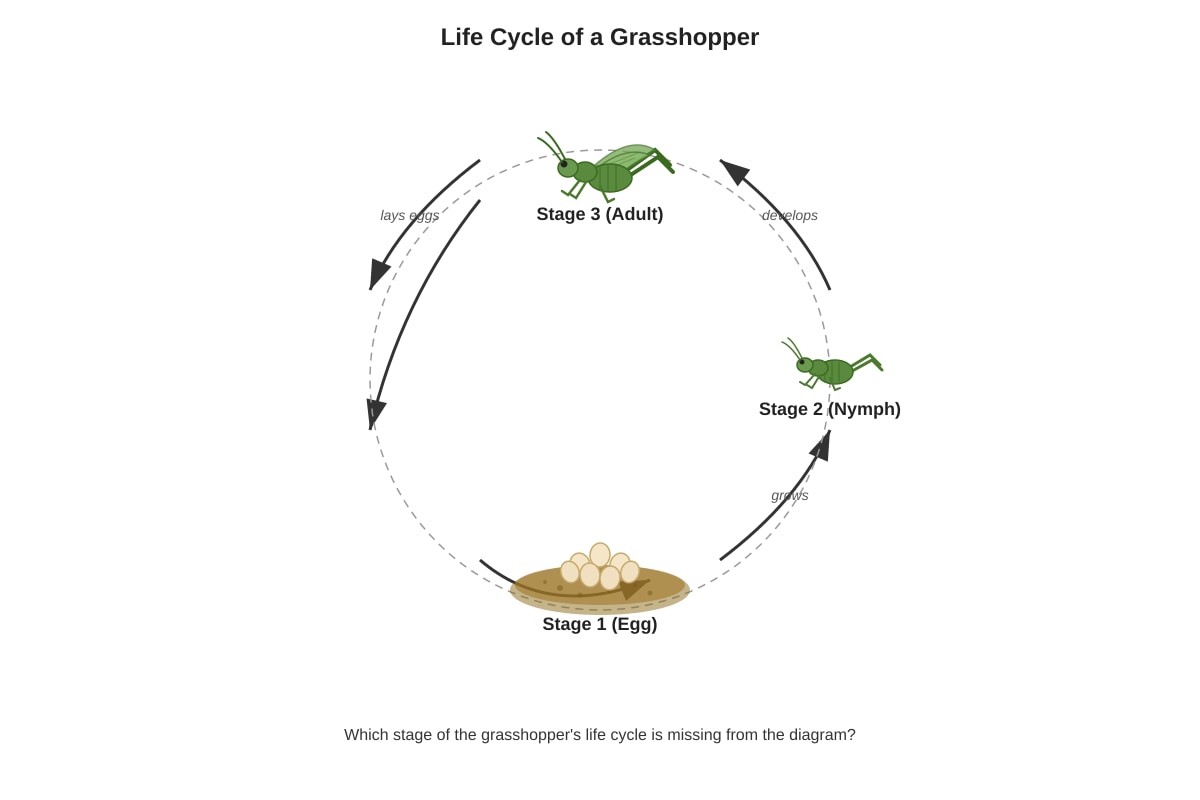
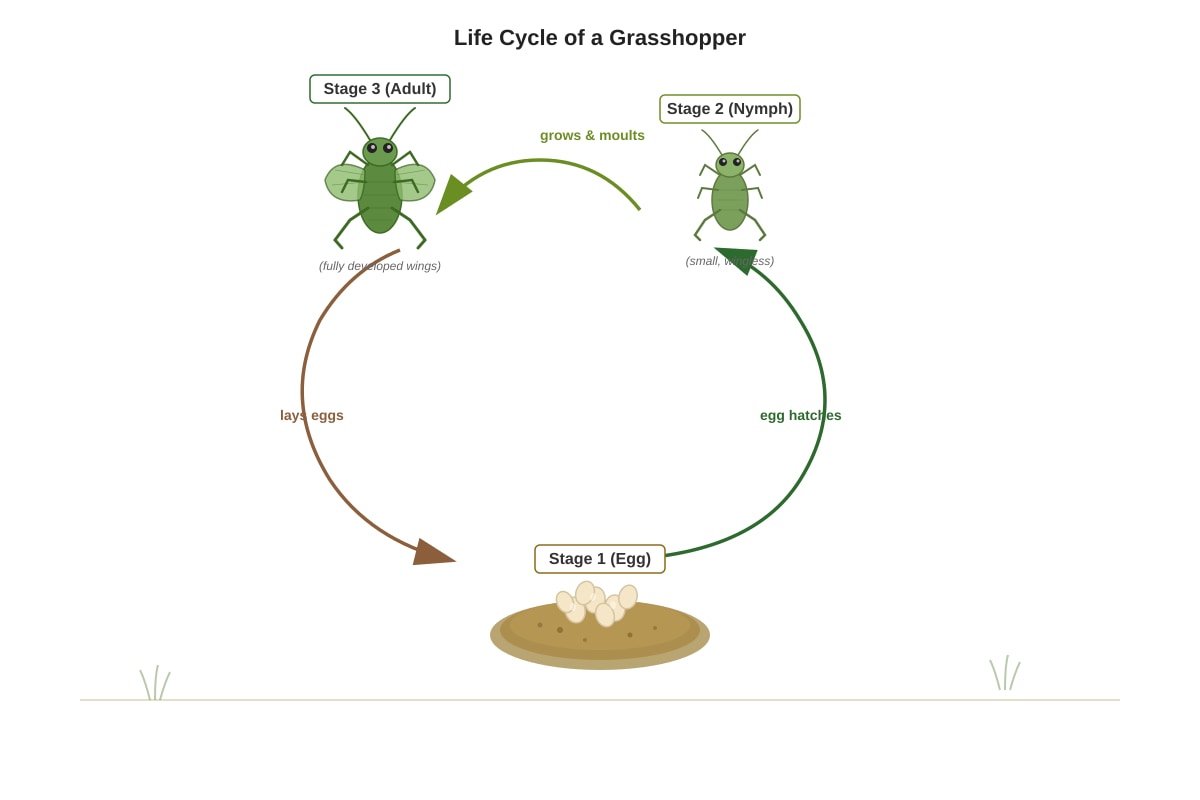
- Explanation: A grasshopper undergoes incomplete metamorphosis, which has three stages: egg → nymph → adult. There is no pupa stage. Butterflies, frogs, and mosquitoes undergo complete metamorphosis with four stages.
- Teaching Note: Incomplete metamorphosis = egg → nymph → adult (no pupa). Complete metamorphosis = egg → larva → pupa → adult.
Q3. B) Tail
- Marks: 1
- Explanation: A tadpole has a long tail for swimming. As it grows into an adult frog, the tail gradually shrinks and disappears, while legs develop.
- Teaching Note: The tadpole also develops lungs and loses its gills, but the most obvious visible change is the loss of the tail.
Q4. C) The larva and pupa live in water.
- Marks: 1
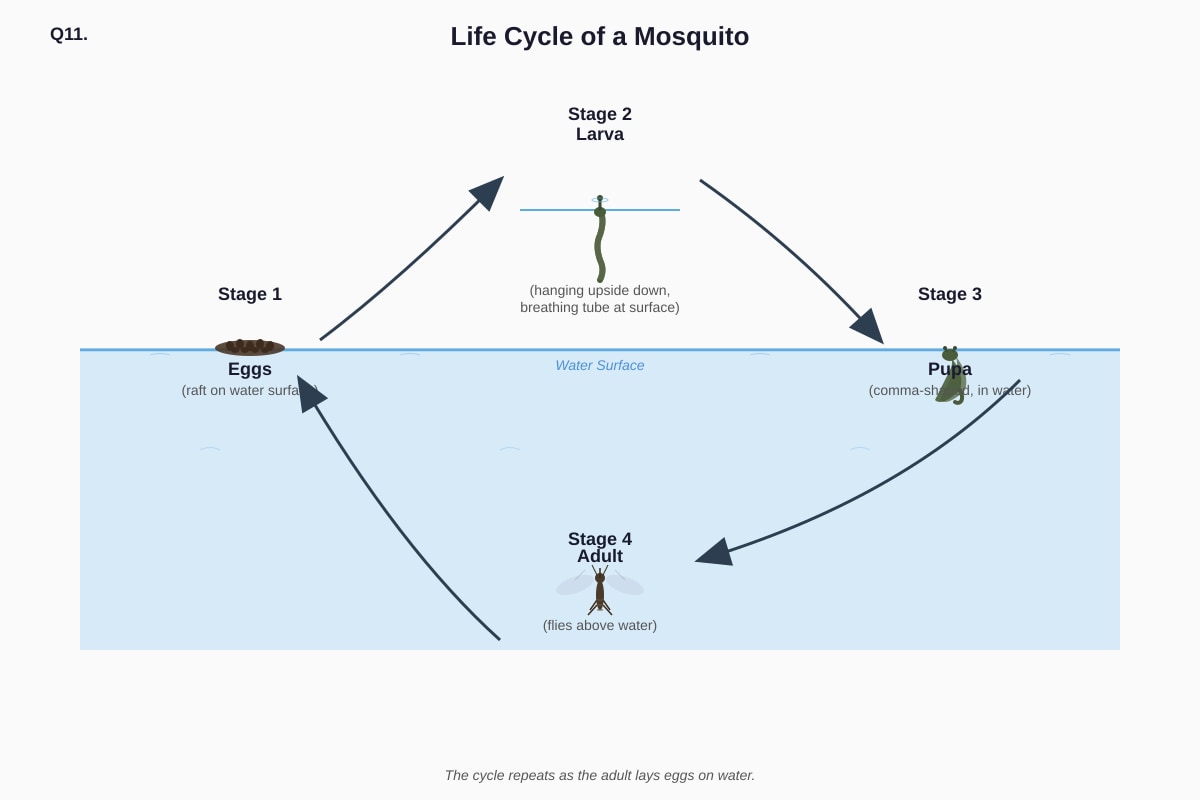
- Explanation: Mosquito eggs are laid on water, and both the larva and pupa stages live in water. The adult mosquito is the stage that flies and bites.
- Teaching Note: The larva breathes through a breathing tube at the water surface. The pupa is also aquatic.
Q5. B) Larva
- Marks: 1
- Explanation: The larva of a butterfly is the caterpillar. Caterpillars eat leaves to grow and store energy for the pupa stage.
- Teaching Note: The caterpillar is the main feeding stage of the butterfly life cycle, which is why it damages plants.
Q6. B) Pupa
- Marks: 1
- Explanation: The grasshopper undergoes incomplete metamorphosis, which has only three stages: egg, nymph, and adult. There is no pupa stage.
- Teaching Note: The absence of a pupa stage is the key difference between incomplete and complete metamorphosis.
Q7. C) Both are insects that go through changes as they grow.
- Marks: 1
- Explanation: Both butterflies and grasshoppers are insects and both undergo metamorphosis, meaning they change in form as they grow. However, butterflies have a pupa stage while grasshoppers do not, and the young stages look different from the adults in butterflies but similar in grasshoppers.
- Teaching Note: A similarity is a general shared feature. Both change as they grow, even though the changes are different.
Q8. C) 30 days
- Marks: 1
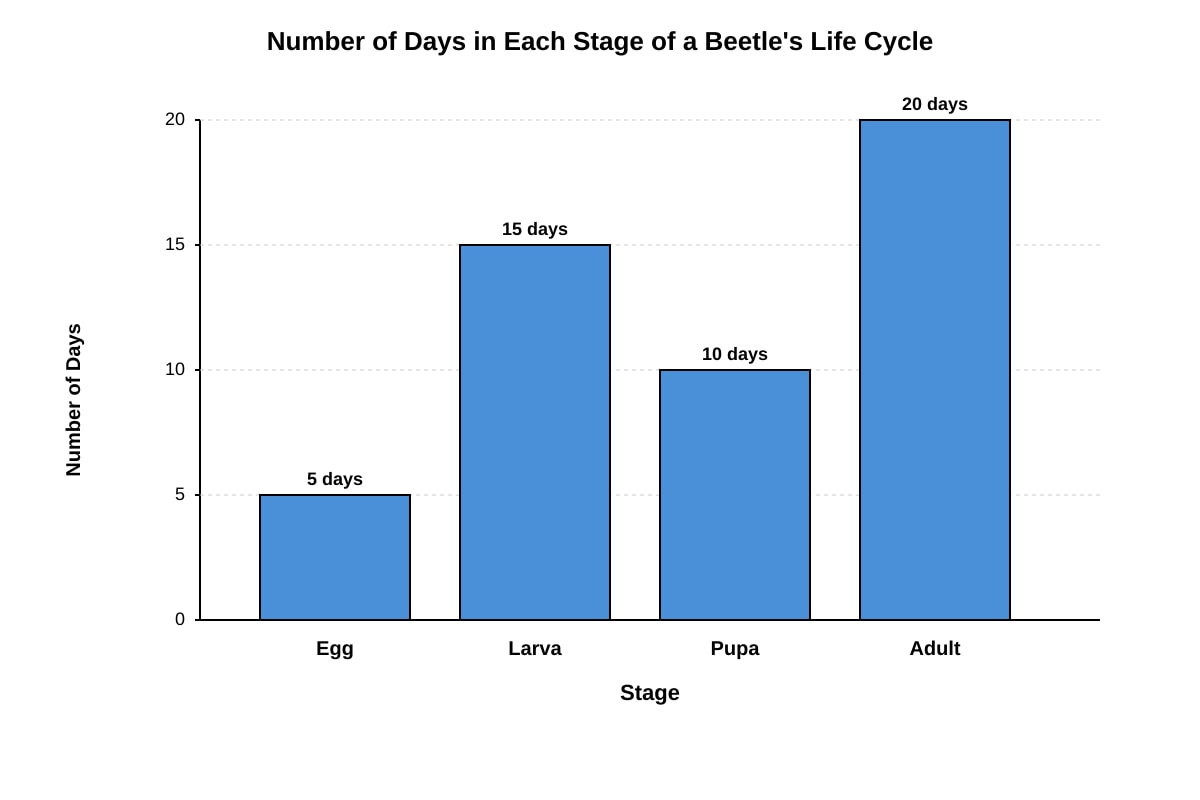
- Explanation: From the graph: Egg = 5 days, Larva = 15 days, Pupa = 10 days. Total = 5 + 15 + 10 = 30 days.
- Teaching Note: Read each bar carefully and add only the stages asked for. Do not include the adult stage.
Q9. B) The nymph sheds its outer skin to grow.
- Marks: 1
- Explanation: Moulting is the process where an insect sheds its outer skin (exoskeleton) to allow its body to grow. The new skin is soft at first and then hardens.
- Teaching Note: The exoskeleton does not grow with the insect, so it must be shed periodically.
Q10. B) The young stage is called a nymph and looks like a small adult.
- Marks: 1
- Explanation: In incomplete metamorphosis, the young stage is called a nymph. It looks similar to the adult but is smaller and lacks fully developed wings.
- Teaching Note: Contrast this with a larva, which looks very different from the adult.
Section B: Short-Answer Questions (16 marks)
Q11. (a) Egg, larva and pupa (or "the egg, larva and pupa stages")
- Marks: 1
- Explanation: All three stages are found in or on water. The eggs float on the surface, and the larva and pupa live in the water.
(b) The oil forms a thin layer on the water surface, blocking the breathing tubes of the mosquito larvae and pupae. They cannot get air and die.
- Marks: 2 (1 mark for identifying the oil blocks air/breathing tubes, 1 mark for explaining the larvae/pupae die)
- Explanation: Mosquito larvae and pupae need to come to the water surface to breathe through their breathing tubes. The oil layer prevents them from getting air, so they suffocate and die.
- Teaching Note: This is a common method of mosquito control. The oil does not kill the eggs directly, but it prevents the larvae and pupae from surviving.
Q12. (a) Insect Y
- Marks: 1
- Explanation: Insect Y has four stages: egg → larva → pupa → adult. The presence of the pupa stage indicates complete metamorphosis.
(b) The nymph of Insect X looks like a small adult, while the larva of Insect Y looks very different from the adult. (Accept any valid difference)
- Marks: 1
- Explanation: A nymph resembles the adult but is smaller and wingless. A larva (like a caterpillar) has a completely different body form from the adult.
- Teaching Note: Other acceptable differences: The nymph does not have a pupa stage, but the larva does. The nymph moults to grow, while the larva forms a pupa.
(c) Both are insects / Both go through changes as they grow / Both lay eggs.
- Marks: 1
- Explanation: A similarity is a general feature shared by both life cycles. Both start from eggs and both involve changes in the young as they grow into adults.
Q13. (a) Metamorphosis
- Marks: 1
- Explanation: Metamorphosis is the process of physical change an animal undergoes after birth or hatching. The change from tadpole to frog is a clear example.
(b) 1. The tail becomes shorter and eventually disappears. 2. Legs develop.
- Marks: 2 (1 mark for each correct change)
- Explanation: The tadpole also develops lungs and loses its gills, but the two most visible changes are the loss of the tail and the growth of legs.
- Teaching Note: Accept other valid changes like "develops lungs" or "gills disappear".
Q14. (a) The shadow becomes bigger.
- Marks: 1
- Explanation: When the light source is closer to the object, the object blocks more light, creating a larger shadow.
(b) When the torch is closer to the dinosaur, the dinosaur blocks more light from reaching the screen, so a larger shadow is formed.
- Marks: 2 (1 mark for stating the object blocks more light, 1 mark for stating the shadow is larger)
- Explanation: Light travels in straight lines. When the light source is closer, the angle of light rays spreading out from the object is larger, casting a bigger shadow.
- Teaching Note: This is a key concept for the Light topic: the closer the light source to the object, the larger the shadow.
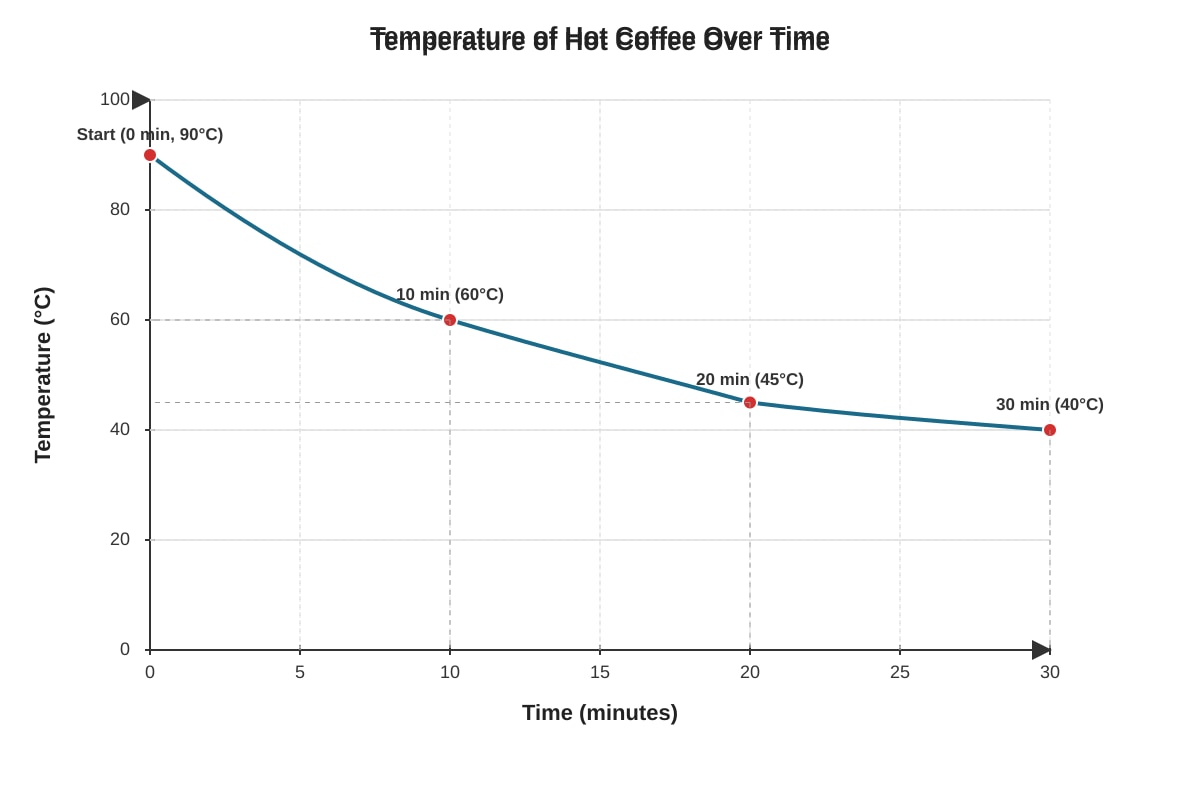
Q15. (a) 60°C
- Marks: 1
- Explanation: Read the graph at 10 minutes on the x-axis and find the corresponding temperature on the y-axis, which is 60°C.
(b) The room temperature is about 40°C. The coffee cools down until it reaches the same temperature as the room. The line levels off at 40°C, so the room temperature is 40°C.
- Marks: 2 (1 mark for identifying 40°C, 1 mark for explaining that heat flows from the hotter coffee to the cooler surroundings until they are the same temperature)
- Explanation: Heat flows from a hotter object to a colder object until both reach the same temperature. The coffee stops cooling when it reaches room temperature.
- Teaching Note: The levelling off of the graph indicates thermal equilibrium with the room.
Section C: Open-Ended Questions (14 marks)
Q16. (a) Complete metamorphosis
- Marks: 1
- Explanation: The butterfly has four stages: egg → larva → pupa → adult. The presence of the pupa stage means it is complete metamorphosis.
(b) 1. The larva is a caterpillar that eats leaves, while the adult butterfly drinks nectar. 2. The larva has no wings, while the adult has wings.
- Marks: 2 (1 mark for each correct difference)
- Explanation: The larva and adult have very different body forms, diets, and behaviours. The larva is a feeding machine, while the adult is focused on reproduction.
- Teaching Note: Accept other valid differences like "the larva does not have wings" or "the larva has a different body shape".
(c) The caterpillar is the stage that eats the leaves of plants. By killing the caterpillars, the gardener prevents the leaves from being eaten, protecting his plants.
- Marks: 2 (1 mark for identifying the caterpillar as the leaf-eating stage, 1 mark for explaining that this protects the plants)
- Explanation: The larva (caterpillar) is the main feeding stage. It needs to eat a lot to grow and store energy for the pupa stage. Killing them prevents damage to the plants.
Q17. (a) Incomplete metamorphosis
- Marks: 1
- Explanation: The grasshopper has three stages: egg → nymph → adult. There is no pupa stage, so it is incomplete metamorphosis.
(b) The nymph's outer skin (exoskeleton) does not grow with its body. Moulting allows the nymph to shed its old skin and grow a new, larger one, so it can grow bigger.
- Marks: 2 (1 mark for stating the skin does not grow, 1 mark for stating moulting allows growth)
- Explanation: The exoskeleton is hard and cannot expand. To grow, the nymph must shed it and form a new, larger one.
- Teaching Note: Moulting also allows the nymph to gradually develop features like wings.
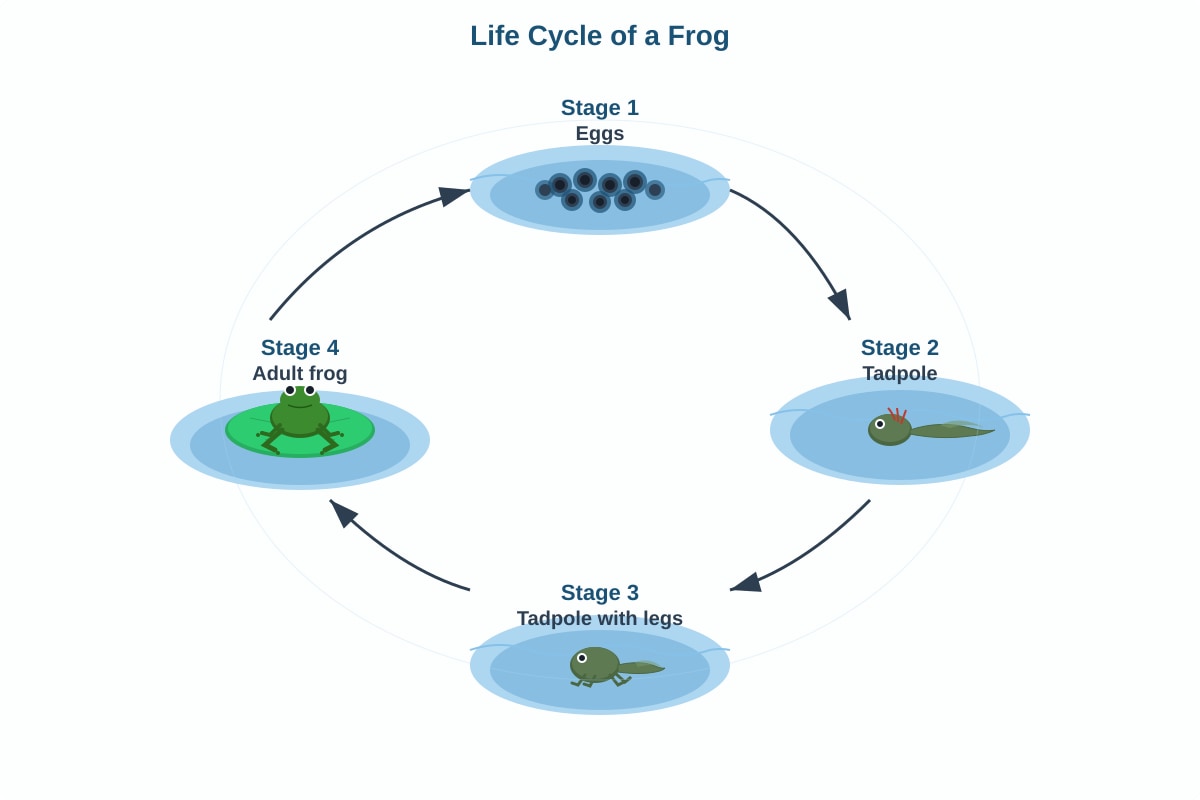
(c) The grasshopper's young (nymph) looks like a small adult, while the frog's young (tadpole) looks very different from the adult. / The grasshopper does not have a tadpole stage, but the frog does. / The grasshopper lives on land, while the tadpole lives in water.
- Marks: 2 (1 mark for a valid difference)
- Explanation: Any clear difference between the two life cycles is acceptable.
- Teaching Note: Accept other valid differences, such as "the grasshopper does not undergo complete metamorphosis, but the frog does".
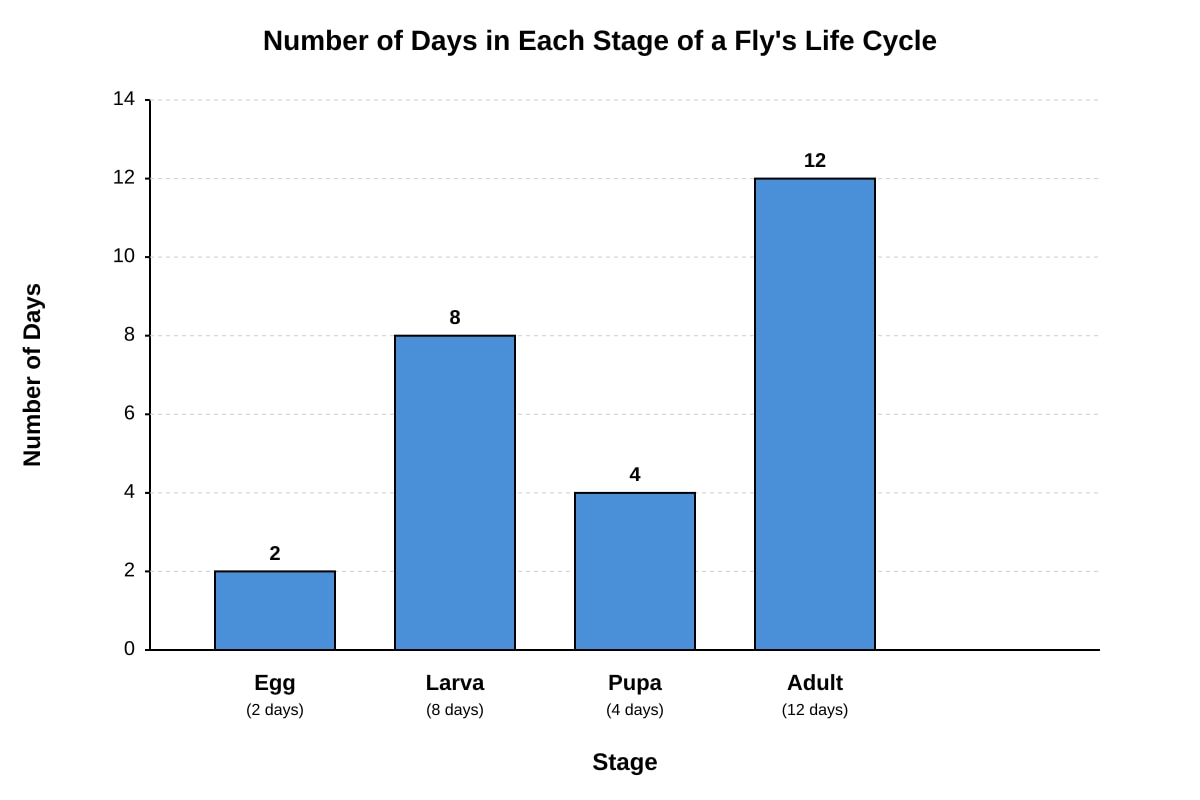
Q18. (a) 8 days
- Marks: 1
- Explanation: Read the height of the "Larva" bar on the graph, which is 8 days.
(b) 2 + 8 + 4 = 14 days
- Marks: 1
- Explanation: Add the values for egg (2), larva (8), and pupa (4) stages.
- Teaching Note: Show the working clearly to get the mark.
(c) The larva is the stage that eats and grows the most. By targeting the larva stage, the scientist can kill the flies before they become adults and reproduce, reducing the fly population.
- Marks: 2 (1 mark for identifying the larva as a feeding/growing stage, 1 mark for explaining that killing them prevents them from becoming adults/reproducing)
- Explanation: The larva is vulnerable and is the main feeding stage. Removing them before they mature stops the population from growing.
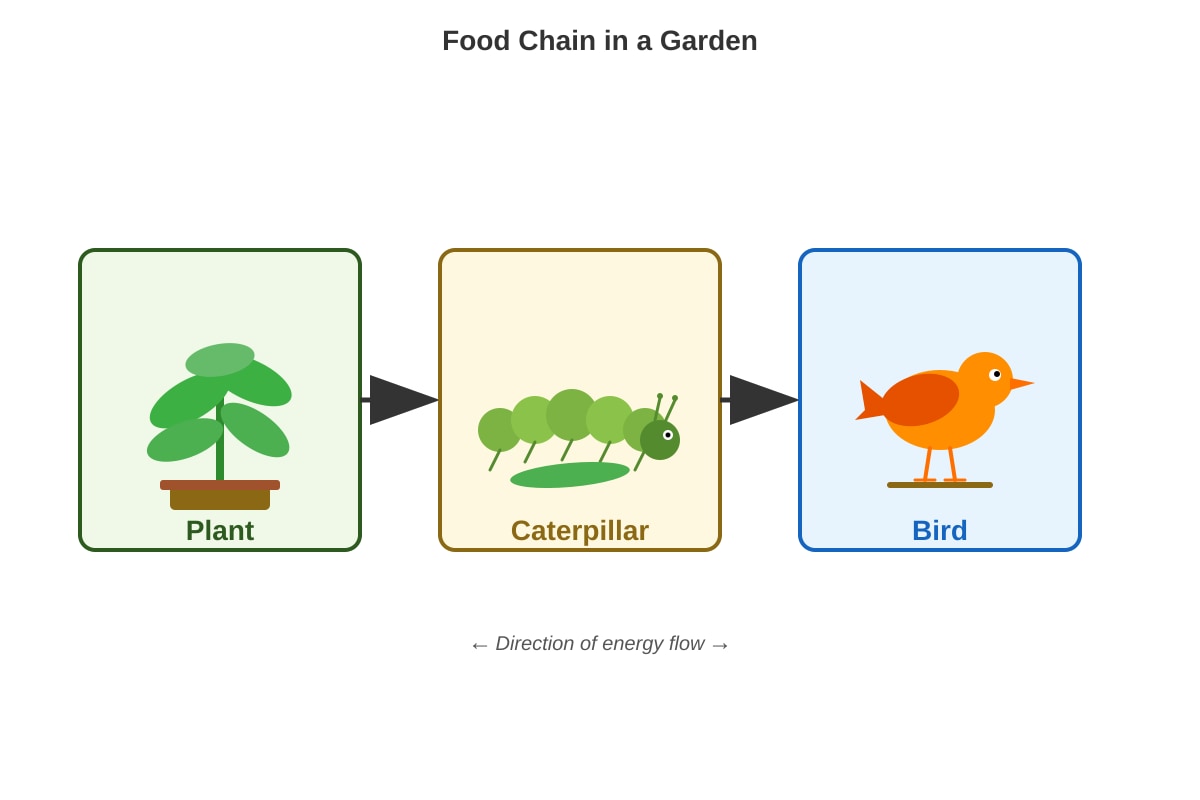
Q19. (a) consumer (or primary consumer)
- Marks: 1
- Explanation: The caterpillar eats the plant (producer), so it is a consumer. Since it eats a producer directly, it is a primary consumer.
(b) The bird population will decrease because the birds will have less food (caterpillars) to eat. Some birds may die or move to another place to find food.
- Marks: 2 (1 mark for stating the bird population will decrease, 1 mark for explaining the lack of food)
- Explanation: The birds depend on caterpillars as a food source. If the caterpillars are removed, the birds will struggle to find enough food to survive.
- Teaching Note: This shows the interdependence of organisms in a food chain.
Q20. The student's statement is incorrect.
- Marks: 4
- Explanation:
- The frog undergoes complete metamorphosis (egg → tadpole → adult). (1 mark)
- The butterfly also undergoes complete metamorphosis (egg → larva → pupa → adult). (1 mark)
- However, the life cycles are not the same. (1 mark)
- The frog's young (tadpole) lives in water and has gills and a tail, while the butterfly's young (caterpillar) lives on land and looks very different from the adult. The butterfly has a pupa stage, but the frog does not. (1 mark)
- Teaching Note: While both undergo complete metamorphosis, the specific stages and the appearance of the young are different. The student is correct about the type of metamorphosis but incorrect about the life cycles being "the same".
- Marking Descriptor:
- 1 mark: States the statement is incorrect.
- 1 mark: Correctly states both undergo complete metamorphosis.
- 1 mark: Provides a valid difference between the two life cycles.
- 1 mark: Provides a clear explanation of why they are not the same.
END OF ANSWER KEY