AI Generated Quiz
Primary 4 Chinese Speaking Quiz
Free P4 Chinese Speaking quiz, HY3 AI version, with questions, answers, and syllabus-aligned practice for Singapore students.
These static practice materials are generated from the site's syllabus and paper-generation workflow, with source and model context shown so students and parents can evaluate the material before use.
Questions
Free quiz and exam paper access
Enter your details to view this paper
Your access is remembered on this device.
Answers
Primary 4 Chinese Quiz - Speaking (Answer Key)
Total Marks: 40
Topic: Speaking (说话)
Level: Primary 4
Note: This is syllabus-first practice content generated from LLM-inferred templates. No past-year exam evidence was available for this topic group; questions are aligned to MOE P4 Speaking outcomes (organise content, express clearly, appropriate tone).
Section A: 基础口语表达 (Questions 1–5)
Q1. [2 marks]
Answer: (2) 我最喜欢的动物是小狗,因为它很可爱。
Teaching note: A good oral introduction states the topic and a reason. (2) directly introduces the animal and gives a simple cause. (1)(3) are unrelated; (4) is not an answer.
Common mistake: Choosing (1) or (3) because they are sentences but not topic-related.
Q2. [2 marks]
Answer: (3) 用适当的音量和清楚的发音
Teaching note: P4 speaking mastery requires appropriate volume and clear expression. (3) matches syllabus. (1)(2)(4) are poor habits.
Q3. [2 marks]
Answer: (3) 开心的心情
Teaching note: “很开心” shows feeling. Identify emotion words to answer.
Q4. [2 marks]
Answer: (2) 时间先后:先发生什么,后发生什么
Teaching note: Organising spoken content uses sequence. Chronological order is easiest to follow.
Q5. [2 marks]
Answer: (1) 让听众更明白内容
Teaching note: Using aids/media is a P4 speaking skill; pictures support understanding.
Section B: 组织说话内容 (Questions 6–15)
Q6. [2 marks – 1 each point]
Sample answers:
(1) 我的妈妈是老师。
(2) 我的弟弟喜欢踢足球。
Marking: Any two clear family facts (who + trait/activity). Accept simple complete ideas.
Q7. [2 marks]
Answer: B → C → A
Teaching note: Party prepared (B), then received gifts (C), then ate cake (A). Sequence follows time order.
Q8. [2 marks]
Sample: 我的学校叫培华小学,它很大,我有很多朋友。
Marking: Must include name, “很大”, and “很多朋友” as prompted.
Q9. [2 marks]
Sample: 多喝水可以让身体不缺水,保持健康。
Marking: One simple explanation linking water to health.
Q10. [2 marks]
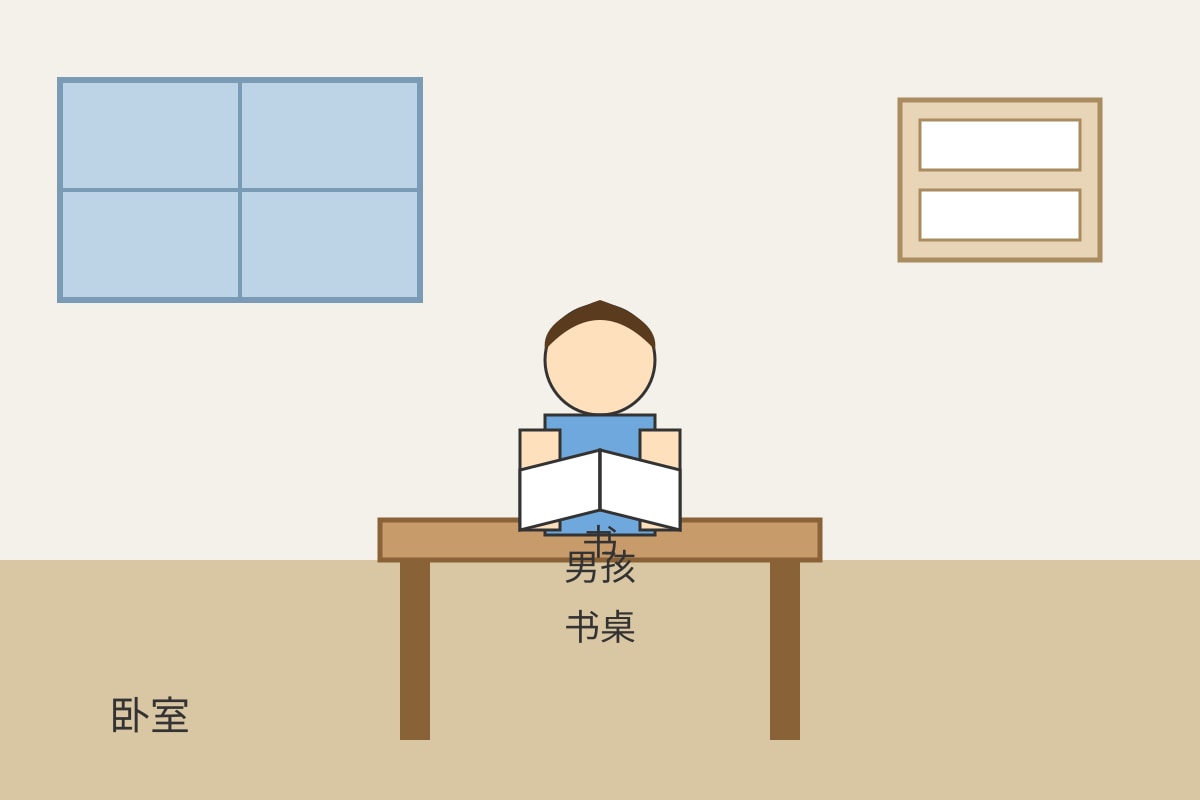
Answer based on placeholder: 小朋友在卧室里看书。
Teaching note: Image shows boy, book, desk, bedroom. Pupil must describe visible action.
Expected visual: boy holding book at desk in bedroom.
Q11. [2 marks – 1 each]
Sample: (1) 我周末去游泳了。 (2) 我觉得很开心。
Marking: One activity + one feeling.
Q12. [2 marks]
Sample: 这个故事告诉我们不能骄傲,要坚持。
Marking: States lesson from tortoise and hare.
Q13. [2 marks]
Sample: 我先起床,然后吃早餐,最后去上学。
Marking: Uses 先…然后…最后… in correct order.
Q14. [2 marks – 1 each]
Sample: (1) 猫喜欢玩毛线球。 (2) 我每天喂它吃猫粮。
Marking: Two life-experience details about pet cat.
Q15. [2 marks]
Sample: 我喜欢华文课,因为可以学很多汉字。
Marking: States preference + reason.
Section C: 口语互动与解释 (Questions 16–20)
Q16. [2 marks]
Sample: 我最喜欢的食物是披萨。
Marking: Direct answer to question with food named.
Q17. [2 marks]
Sample: 放学后我们一起做功课好吗?
Marking: Invitation with joint activity.
Q18. [2 marks]
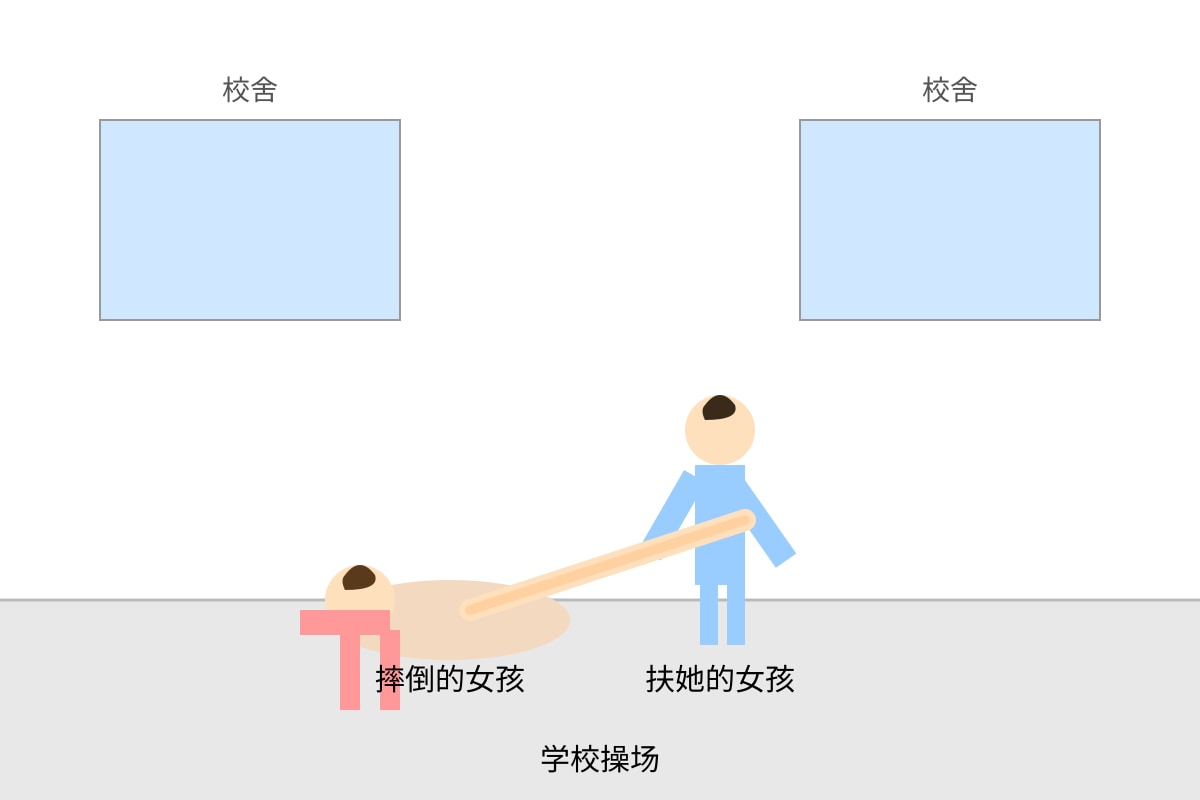
Sample: 你没事吧?我扶你起来。
Teaching note: Image shows fall + help. Pupil shows care.
Expected visual: fallen girl, helping girl, clear arm support.
Q19. [2 marks]
Sample: 别担心,多练习就会容易的。
Marking: Encouraging response.
Q20. [2 marks]
Sample: 早睡可以让身体休息,明天才有精神。
Marking: Simple reason for early sleep.