AI Generated Quiz
Primary 3 Tamil Writing Quiz
Free P3 Tamil Writing quiz, AI version, with questions, answers, and syllabus-aligned practice for Singapore students.
These static practice materials are generated from the site's syllabus and paper-generation workflow, with source and model context shown so students and parents can evaluate the material before use.
Questions

Free quiz and exam paper access
Enter your details to view this paper
Your access is remembered on this device.
Answers
Primary 3 Tamil Quiz - Writing (Answer Key)
Name: _________________________
Class: _________________________
Date: _________________________
Score: ________ / 40
Total Marks: 40
Section A: சொற்களை எழுதுதல் (Writing Words) – Questions 1 to 5
Question 1 (2 marks)
(a) பள்ளி
(b) நண்பன்
Marking Notes:
- 1 mark for each correctly spelled word.
- Accept if letters are clear and legible.
- Common mistake: writing "பள்ளி" as "பள்ள" (missing the long 'i' sound) or "நண்பன்" as "நண்பண்" (wrong final letter).
Teaching Note:
- "பள்ளி" means school. The letter "ள்ளி" has a double consonant (ள்ள்) followed by the vowel "இ".
- "நண்பன்" means friend. The letter "ண்" is a retroflex nasal, and the word ends with "ன்".
Question 2 (2 marks)
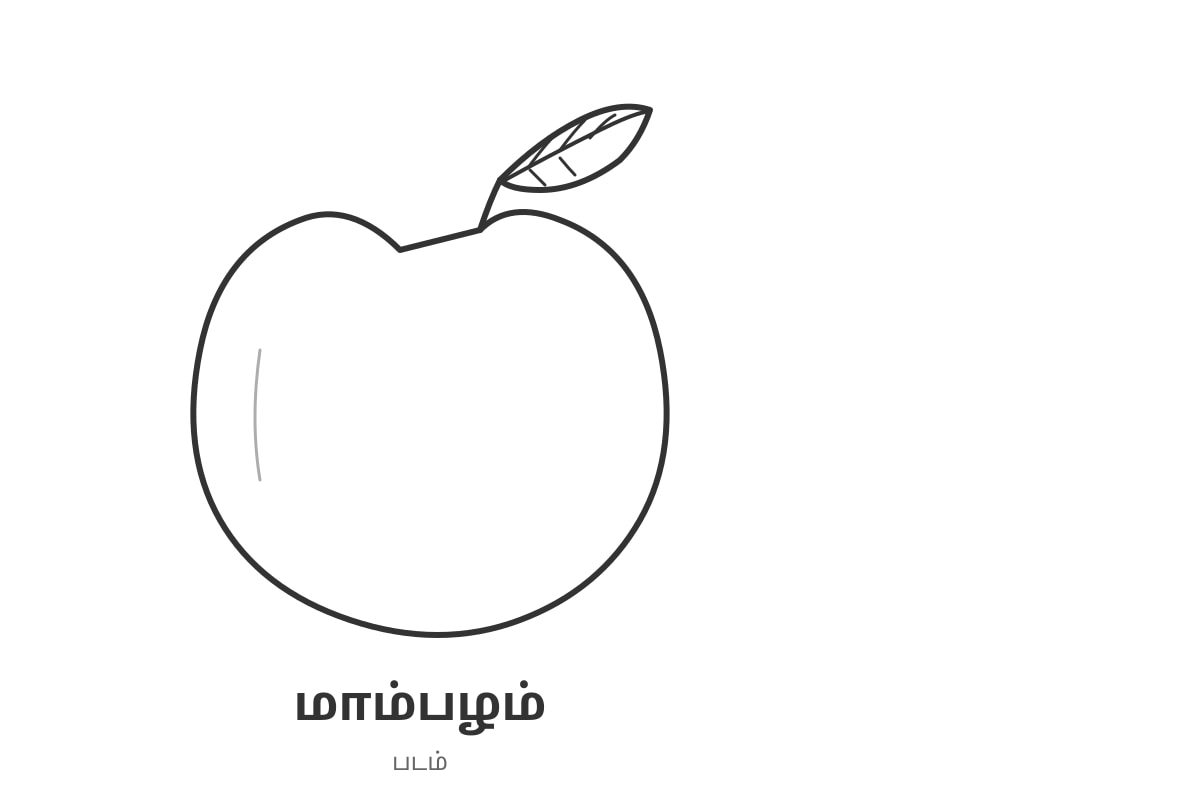
விடை: மாம்பழம்
Marking Notes:
- 2 marks for the correct word.
- Accept "மாங்கனி" if taught in class, but "மாம்பழம்" is the standard answer.
- 1 mark if the word is partially correct (e.g., "மாம்ப" or "பழம்").
Teaching Note:
- The picture shows a mango. In Tamil, mango is "மாம்பழம்" (māmpaḻam).
- It is a compound word: "மா" (mango tree) + "ம்பழம்" (fruit).
Question 3 (2 marks)
(a) பா + டல்
(b) க + டல்
Marking Notes:
- 1 mark for each correct split.
- Accept "பாட் + அல்" if the student shows awareness of the consonant-vowel split, but the standard split is "பா + டல்".
Teaching Note:
- "பாடல்" (song) is made of the syllable "பா" (ப் + ஆ) and "டல்" (ட் + அ + ல்).
- "கடல்" (sea) is made of "க" (க் + அ) and "டல்" (ட் + அ + ல்).
- This helps students understand syllable structure in Tamil.
Question 4 (2 marks)
(a) சிறிய
(b) கெட்ட / தீய
Marking Notes:
- 1 mark for each correct antonym.
- For (b), accept "கெட்ட" or "தீய". Do not accept "நல்லதில்லை" as it is a phrase, not a single word.
Teaching Note:
- "பெரிய" means big; its opposite is "சிறிய" (small).
- "நல்ல" means good; its opposite is "கெட்ட" (bad) or "தீய" (evil).
- Antonyms help students build vocabulary and express contrasts.
Question 5 (2 marks)
விடை: காலையில் நான் பள்ளிக்குச் செல்கிறேன்.
OR
நான் காலையில் பள்ளிக்குச் செல்கிறேன்.
Marking Notes:
- 2 marks for a correct, complete sentence.
- 1 mark if the sentence is understandable but has a minor word-order issue or missing word.
- The word "பள்ளிக்கு" must be used; "பள்ளிக்கு" is the dative form of "பள்ளி".
Teaching Note:
- The words given are: "நான்" (I), "பள்ளிக்கு" (to school), "காலையில்" (in the morning), "செல்கிறேன்" (go).
- A natural Tamil sentence order is: Subject + Time + Place + Verb.
- So: "நான் காலையில் பள்ளிக்குச் செல்கிறேன்." (I go to school in the morning.)
Section B: வாக்கியம் எழுதுதல் (Writing Sentences) – Questions 6 to 10
Question 6 (2 marks)
Sample Answer: தோட்டத்தில் ஒரு பெரிய மரம் இருக்கிறது.
(Accept any meaningful sentence using the word "மரம்".)
Marking Notes:
- 2 marks for a complete, meaningful sentence.
- 1 mark if the sentence is incomplete or has a minor grammatical error.
- The word "மரம்" must be used correctly.
Teaching Note:
- "மரம்" means tree.
- A complete sentence needs a subject and a verb. For example: "மரத்தில் பறவைகள் இருக்கின்றன." (Birds are on the tree.)
- Encourage students to add details like location or action.
Question 7 (2 marks)
Sample Answers:
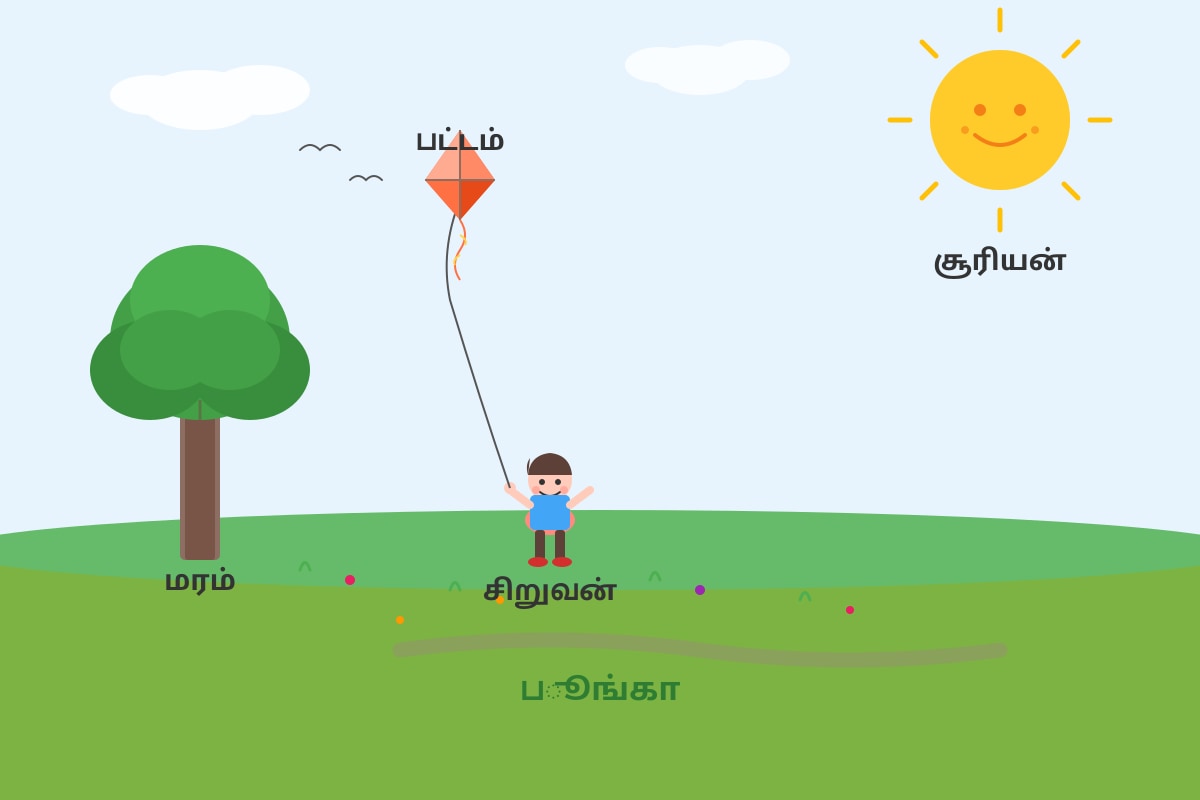
(a) சிறுவன் பூங்காவில் காத்தாடி பறக்கிறான்.
(b) வானத்தில் சூரியன் பிரகாசிக்கிறது.
Marking Notes:
- 1 mark for each correct, meaningful sentence.
- Sentences must relate to the picture.
- Accept any reasonable description of the child, kite, tree, sun, or park.
Teaching Note:
- The picture shows a child flying a kite in a park.
- Encourage students to describe what they see: the child, the kite, the tree, the sun.
- Use simple present tense verbs like "பறக்கிறான்" (flies), "இருக்கிறது" (is), "பிரகாசிக்கிறது" (shines).
Question 8 (2 marks)
விடை: நான் தினமும் பால் குடிக்கிறேன்.
Marking Notes:
- 2 marks for the corrected sentence.
- 1 mark if the student identifies the error but does not fully correct it.
- The error is "பால" which should be "பால்" (milk).
Teaching Note:
- "பால்" means milk. The word "பால" is incorrect.
- The sentence means: "I drink milk every day."
- Remind students to check for correct word endings and spelling.
Question 9 (2 marks)
விடை: அம்மா சமையல் செய்கிறார்.
Marking Notes:
- 2 marks for the correct sentence.
- 1 mark if the sentence is understandable but has a minor error (e.g., missing honorific "அம்மா" or wrong verb form).
- The verb "செய்கிறார்" must agree with "அம்மா" (honorific).
Teaching Note:
- "அம்மா" (mother) takes the honorific verb form "செய்கிறார்" (does).
- The sentence means: "Mother is cooking."
- Combining words: "அம்மா" + "சமையல்" + "செய்கிறார்" = "அம்மா சமையல் செய்கிறார்."
Question 10 (2 marks)
Sample Answer: எனக்குப் பிடித்த விளையாட்டு கால்பந்து. ஏனென்றால் அது மகிழ்ச்சியாக இருக்கிறது.
Marking Notes:
- 1 mark for naming a game.
- 1 mark for giving a reason.
- Accept any reasonable game and reason.
Teaching Note:
- The question asks: "What is your favourite game? Why?"
- A complete answer should have two parts: the game and the reason.
- Example: "எனக்குப் பிடித்த விளையாட்டு பூப்பந்து. ஏனென்றால் அது வேடிக்கையாக இருக்கிறது." (My favourite game is badminton because it is fun.)
Section C: கட்டுரை எழுதுதல் (Essay Writing) – Questions 11 to 15
Question 11 (2 marks)
Sample Answer:
என் பள்ளி மிக அழகானது. என் பள்ளியில் நிறைய ஆசிரியர்கள் இருக்கிறார்கள். நான் என் பள்ளியை மிகவும் நேசிக்கிறேன்.
Marking Notes:
- 2 marks for 3 complete, related sentences.
- 1 mark for 2 complete sentences or 3 sentences with minor errors.
- Sentences must be about the school.
Teaching Note:
- The topic is "My School" (என் பள்ளி).
- A short paragraph should have a beginning (what the school is like), a middle (details about teachers/friends), and an end (how you feel).
- Encourage students to use adjectives like "அழகான" (beautiful), "பெரிய" (big).
Question 12 (2 marks)
Sample Answer:
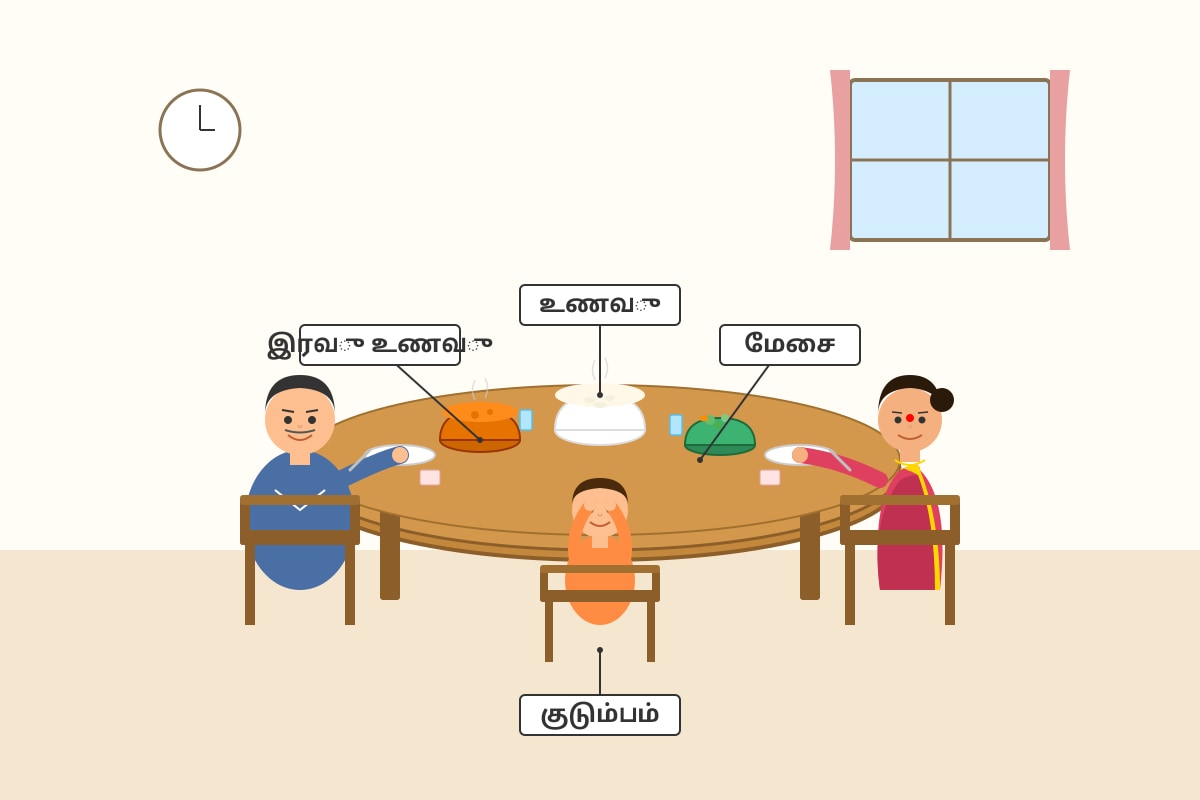
எங்கள் குடும்பம் ஒன்றாகச் சாப்பிடுகிறோம். மேசையில் சோறும் கறியும் இருக்கிறது. நாங்கள் மகிழ்ச்சியாக இருக்கிறோம்.
Marking Notes:
- 2 marks for 3 complete, related sentences.
- 1 mark for 2 complete sentences or 3 sentences with minor errors.
- Sentences must relate to the picture (family eating together).
Teaching Note:
- The picture shows a family eating dinner together.
- Describe the scene: who is there, what they are eating, how they feel.
- Use words like "குடும்பம்" (family), "சாப்பிடுகிறோம்" (we eat), "மகிழ்ச்சி" (happiness).
Question 13 (2 marks)
Sample Answer:
என் நண்பன் என்னிடம் ஒரு புத்தகம் கொடுத்தான். நாங்கள் அந்தப் புத்தகத்தைப் படித்தோம். அது மிகவும் சுவாரசியமாக இருந்தது.
Marking Notes:
- 2 marks for 3 complete sentences using all three words.
- 1 mark if only 2 words are used or if there are minor errors.
- All three words (நண்பன், புத்தகம், படித்தோம்) must appear.
Teaching Note:
- The words are "friend" (நண்பன்), "book" (புத்தகம்), and "we read" (படித்தோம்).
- Create a short story connecting these words.
- Example: "நண்பன்" gives a "புத்தகம்", and "we read" (படித்தோம்) it.
Question 14 (2 marks)
Sample Answer:
என் குடும்பத்தில் அப்பா, அம்மா, தம்பி, நான் இருக்கிறோம். என் அப்பா ஒரு ஆசிரியர். என் அம்மா ஒரு மருத்துவர். நாங்கள் ஒன்றாக மகிழ்ச்சியாக வாழ்கிறோம்.
Marking Notes:
- 2 marks for 4 complete, related sentences.
- 1 mark for 3 complete sentences or 4 sentences with minor errors.
- Sentences must be about the family.
Teaching Note:
- The topic is "My Family" (என் குடும்பம்).
- Introduce family members, their jobs, and how you feel about them.
- Use the structure: who is in the family → what they do → how you feel.
Question 15 (2 marks)
Sample Answer:
ஒரு நாள் காலையில், நான் பூங்காவிற்குச் சென்றேன். அங்கே நிறைய பூக்கள் இருந்தன. நான் ஒரு பட்டாம்பூச்சியைப் பார்த்தேன்.
Marking Notes:
- 2 marks for 3 complete sentences continuing the story.
- 1 mark for 2 complete sentences or 3 sentences with minor errors.
- The story must follow logically from the given opening.
Teaching Note:
- The opening is: "One morning, I went to the park."
- Continue the story by describing what you saw, did, or felt.
- Use past tense verbs like "சென்றேன்" (went), "பார்த்தேன்" (saw), "இருந்தன" (were).
Section D: படைப்பு எழுத்து (Creative Writing) – Questions 16 to 20
Question 16 (2 marks)
Sample Answer:
இன்று மழை பெய்கிறது. ஒரு சிறுவன் குடையுடன் நடக்கிறான். தரையில் தண்ணீர் குட்டை இருக்கிறது. அவன் மகிழ்ச்சியாக இருக்கிறான்.
Marking Notes:
- 2 marks for 4 complete, related sentences.
- 1 mark for 3 complete sentences or 4 sentences with minor errors.
- Sentences must relate to the picture (rainy day).
Teaching Note:
- The picture shows a rainy day with a child holding an umbrella.
- Describe the weather, the child's action, and the surroundings.
- Use words like "மழை" (rain), "குடை" (umbrella), "குட்டை" (puddle).
Question 17 (2 marks)
Sample Answer:
என் விருப்பமான பண்டிகை தீபாவளி. அன்று நாங்கள் புதிய உடைகள் அணிவோம். நாங்கள் இனிப்புகள் சாப்பிடுவோம். வானவெடி வெடிப்போம். நான் என் நண்பர்களுடன் விளையாடுவேன்.
Marking Notes:
- 2 marks for 5 complete, related sentences.
- 1 mark for 4 complete sentences or 5 sentences with minor errors.
- Sentences must be about a festival.
Teaching Note:
- The topic is "My Favourite Festival" (என் விருப்பமான பண்டிகை).
- Name the festival, describe what you do, eat, wear, and how you feel.
- Use future/present habitual tense like "அணிவோம்" (we wear), "சாப்பிடுவோம்" (we eat).
Question 18 (2 marks)
Sample Answer:
எங்கள் வீட்டின் பின்னால் ஒரு தோட்டம் இருக்கிறது. அங்கே நிறைய பூக்கள் உள்ளன. ஒரு வண்ணத்துப்பூச்சி பூக்களின் மேல் அமர்ந்தது. அது மிகவும் அழகாக இருந்தது.
Marking Notes:
- 2 marks for 4 complete sentences using all four words.
- 1 mark if only 3 words are used or if there are minor errors.
- All four words (தோட்டம், பூக்கள், வண்ணத்துப்பூச்சி, அழகு) must appear.
Teaching Note:
- The words are "garden" (தோட்டம்), "flowers" (பூக்கள்), "butterfly" (வண்ணத்துப்பூச்சி), and "beauty" (அழகு).
- Create a short description connecting these words.
- Example: In the garden, there are flowers, a butterfly sits on them, and it is beautiful.
Question 19 (2 marks)
Sample Answer:
நேற்று மாலை, என் தம்பியுடன் விளையாடிக் கொண்டிருந்தேன். திடீரென்று ஒரு பந்து எங்கள் வீட்டிற்குள் வந்தது. நாங்கள் அதை எடுத்து வெளியே சென்றோம். அங்கே எங்கள் நண்பன் நின்று கொண்டிருந்தான்.
Marking Notes:
- 2 marks for 4 complete sentences continuing the story.
- 1 mark for 3 complete sentences or 4 sentences with minor errors.
- The story must follow logically from the given opening.
Teaching Note:
- The opening is: "Yesterday evening, I was playing with my younger brother."
- Continue the story by describing an event, a problem, or a new character.
- Use past tense verbs like "வந்தது" (came), "சென்றோம்" (we went), "நின்றான்" (he stood).
Question 20 (2 marks)
Sample Answer:
நான் விரும்பும் விலங்கு நாய். நாய் மிகவும் உண்மையானது. அது நம்மைப் பாதுகாக்கிறது. என் வீட்டில் ஒரு நாய் இருக்கிறது. அதற்கு "சிம்பு" என்று பெயர். நான் அதனுடன் விளையாட விரும்புகிறேன்.
Marking Notes:
- 2 marks for a short essay of 4–6 sentences (within 40 words) about the chosen animal.
- 1 mark for 3 sentences or if the essay is slightly over 40 words.
- The essay must have a clear beginning, middle, and end.
Teaching Note:
- The topic is "The Animal I Like" (நான் விரும்பும் விலங்கு).
- Structure: Name the animal → describe its qualities → give a personal connection.
- Keep sentences short and simple. Count the words to stay within 40.
- Example structure:
- Beginning: "நான் விரும்பும் விலங்கு நாய்."
- Middle: "நாய் உண்மையானது. அது நம்மைப் பாதுகாக்கிறது."
- End: "என் வீட்டில் ஒரு நாய் இருக்கிறது. நான் அதனுடன் விளையாடுகிறேன்."
— விடைகள் முடிந்தன —