AI Generated Quiz
Primary 3 Tamil Reading Quiz
Free P3 Tamil Reading quiz, AI version, with questions, answers, and syllabus-aligned practice for Singapore students.
These static practice materials are generated from the site's syllabus and paper-generation workflow, with source and model context shown so students and parents can evaluate the material before use.
Questions

Free quiz and exam paper access
Enter your details to view this paper
Your access is remembered on this device.
Answers
Primary 3 Tamil Quiz - Reading: Answer Key
Total Marks: 20
Section A: சொற்களைப் படித்தல் (Reading Words) [5 marks]
Question 1
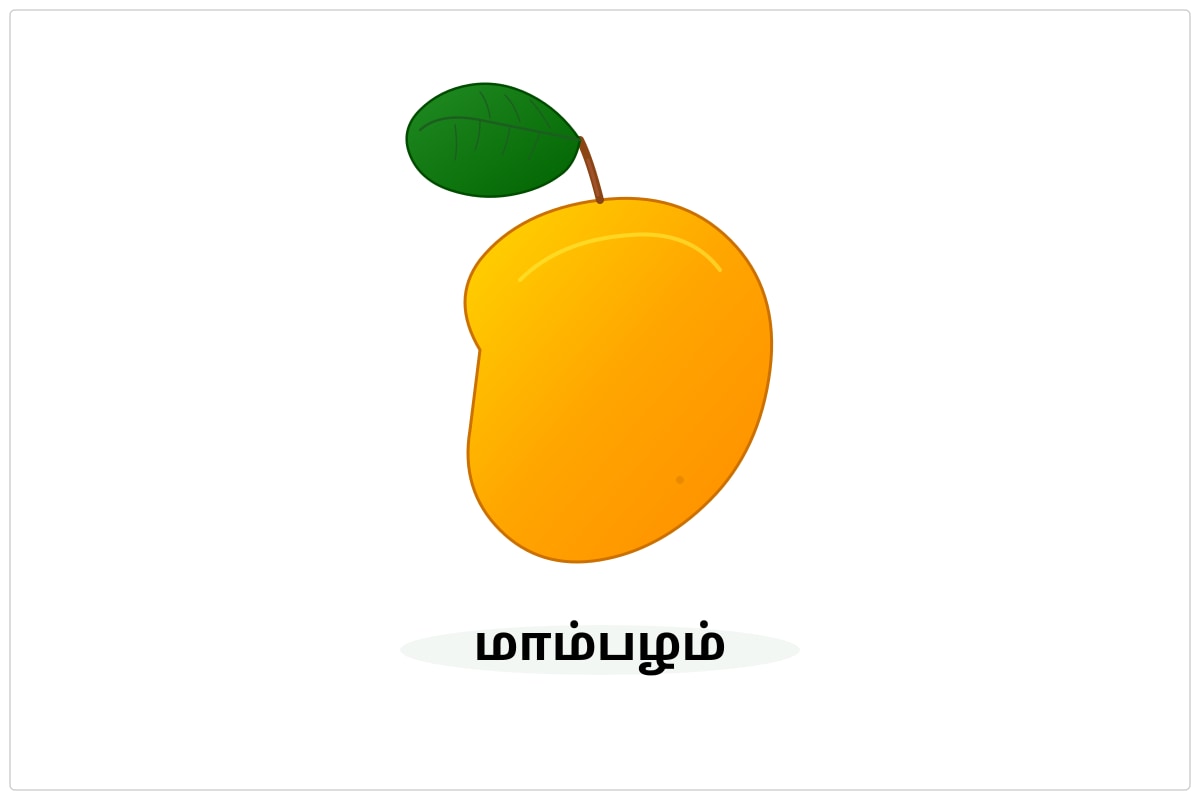
Answer: B) மாம்பழம்
Marks: 1
Explanation: The picture shows a mango. In Tamil, mango is called "மாம்பழம்" (maambazham). The other options are வாழைப்பழம் (banana), திராட்சை (grapes), and ஆரஞ்சு (orange), which do not match the picture.
Teaching Note: Help students associate pictures with Tamil vocabulary. "மா" means mango tree, and "பழம்" means fruit.
Question 2
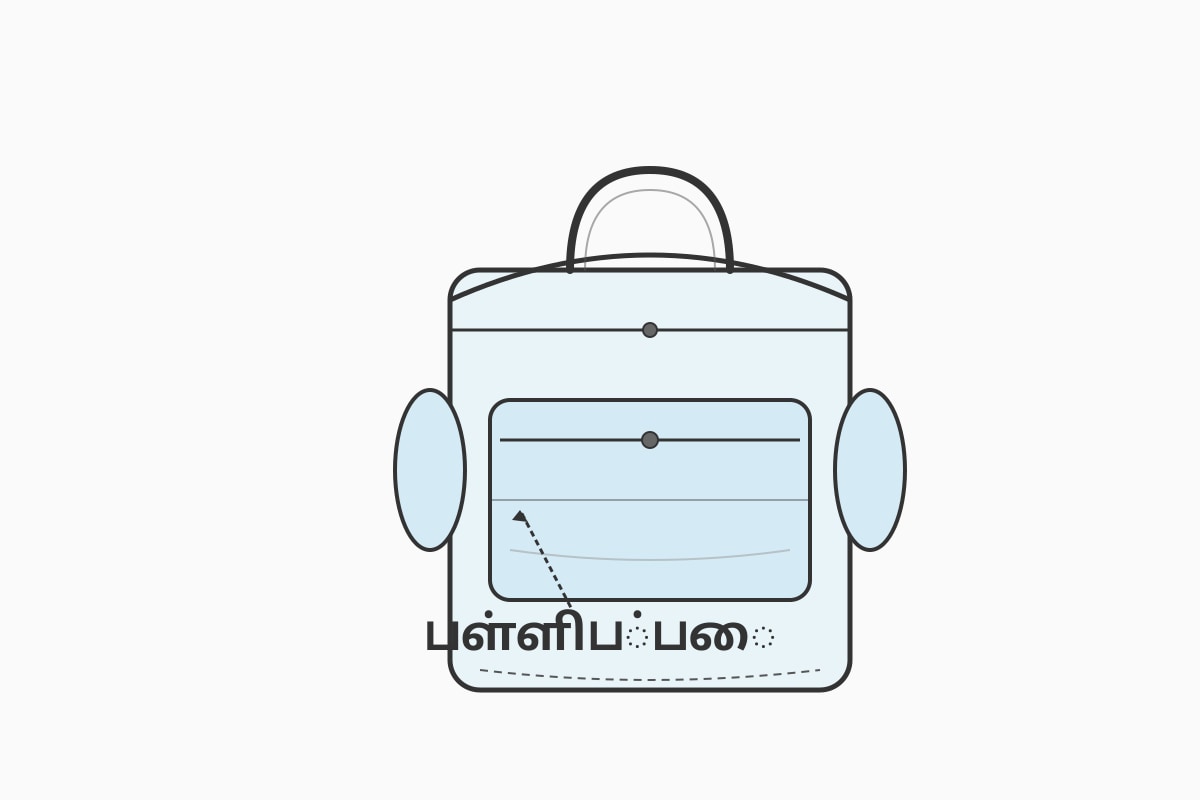
Answer: C) பள்ளிப்பை
Marks: 1
Explanation: The picture shows a school bag. In Tamil, school bag is called "பள்ளிப்பை" (pallippai). The other options are புத்தகம் (book), பேனா (pen), and பென்சில் (pencil), which are items that go inside the bag, not the bag itself.
Teaching Note: "பள்ளி" means school, and "பை" means bag. This is a compound word.
Question 3
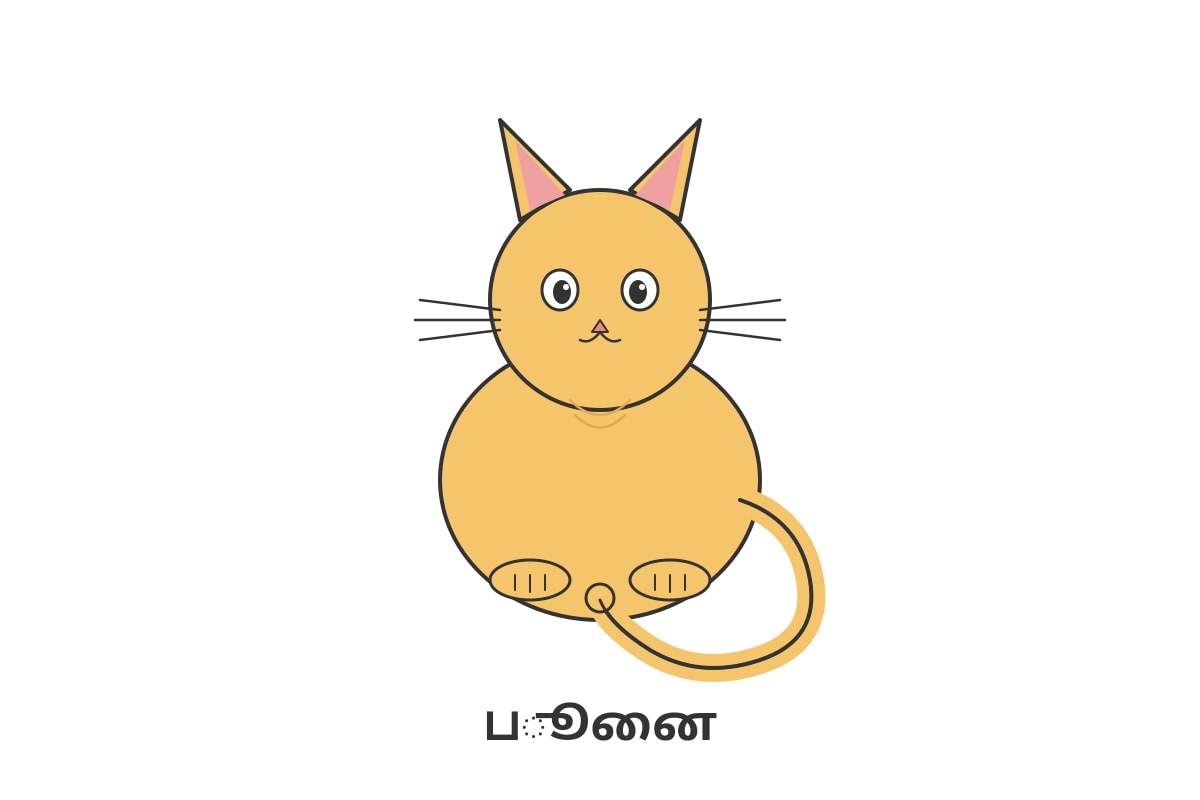
Answer: D) பூனை
Marks: 1
Explanation: The picture shows a cat. In Tamil, cat is called "பூனை" (poonai). The other options are நாய் (dog), பசு (cow), and குதிரை (horse), which are different animals.
Teaching Note: Practice animal names in Tamil. பூனை is a common pet and often appears in P3 texts.
Question 4
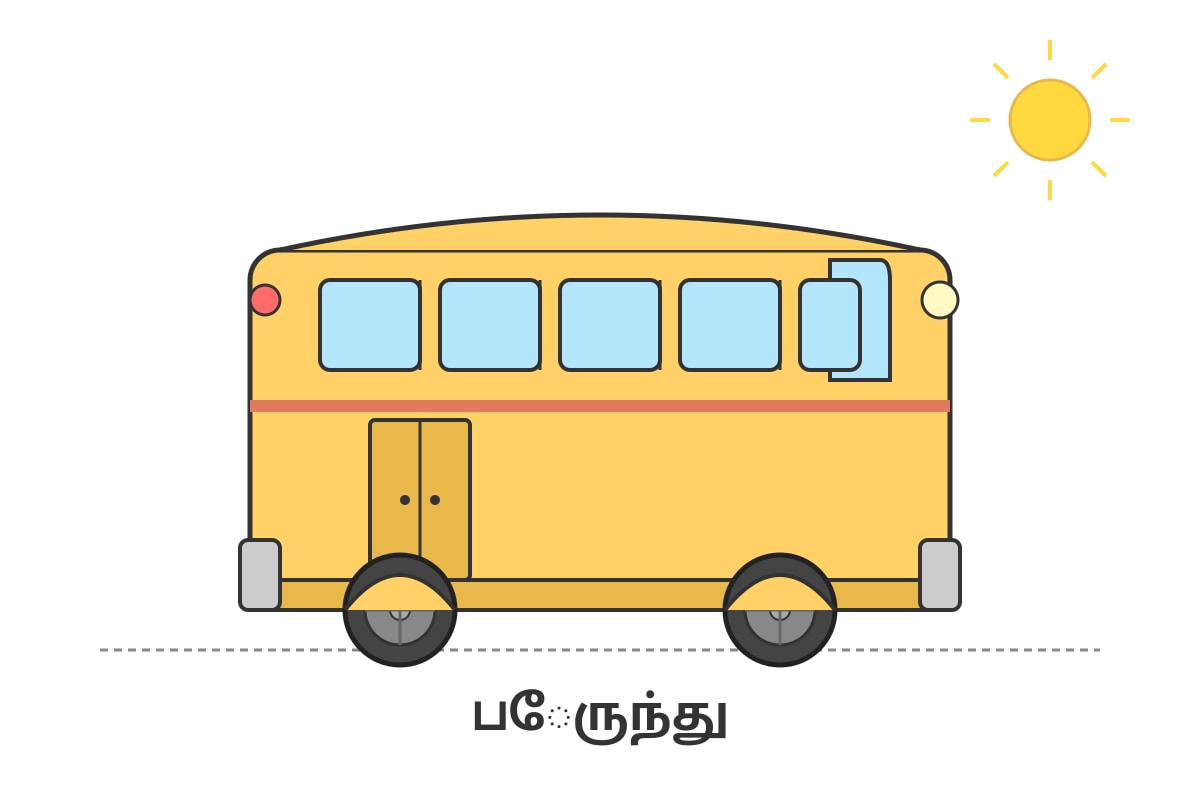
Answer: C) பேருந்து
Marks: 1
Explanation: The picture shows a bus. In Tamil, bus is called "பேருந்து" (perundhu). The other options are மிதிவண்டி (bicycle), கார் (car), and விமானம் (aeroplane), which are different modes of transport.
Teaching Note: "பேர்" means big/large, and "ஊர்தி" means vehicle. பேருந்து is a large vehicle that carries many people.
Question 5
Answer: B) சூரியன்
Marks: 1
Explanation: The picture shows the sun. In Tamil, sun is called "சூரியன்" (sooriyan). The other options are நிலா (moon), நட்சத்திரம் (star), and மேகம் (cloud), which are other things seen in the sky.
Teaching Note: சூரியன் appears in the day sky, while நிலா and நட்சத்திரம் appear at night.
Section B: சிறு பத்தியைப் படித்தல் (Reading a Short Passage) [10 marks]
Question 6
Answer: கண்ணன் பல் துலக்கினான். (Kannan brushed his teeth.)
Marks: 1
Explanation: The first sentence of the passage says, "காலையில் எழுந்ததும் கண்ணன் பல் துலக்கினான்" which means "As soon as he woke up in the morning, Kannan brushed his teeth."
Teaching Note: The word "முதலில்" (first) in the question asks for the first action. The passage clearly states this was the first thing he did after waking up.
Question 7
Answer: கண்ணன் சீருடை அணிந்தான். (Kannan wore his uniform.)
Marks: 1
Explanation: The passage says, "பிறகு குளித்து, சீருடை அணிந்தான்" which means "Then he bathed and wore his uniform." After bathing (குளித்து), he wore his uniform (சீருடை அணிந்தான்).
Teaching Note: "பிறகு" means "after that" or "then". The sequence is: brush teeth → bathe → wear uniform.
Question 8
Answer: கண்ணனின் அம்மா அவனுக்கு இட்லியும் சட்னியும் கொடுத்தாள். (Kannan's mother gave him idli and chutney.)
Marks: 1
Explanation: The passage states, "அவன் அம்மா அவனுக்கு இட்லியும் சட்னியும் கொடுத்தாள்" which means "His mother gave him idli and chutney."
Teaching Note: இட்லி (idli) is a common South Indian breakfast food, and சட்னி (chutney) is a side dish. This is a familiar context for many students.
Question 9
Answer: கண்ணன் தன் பள்ளிப்பையில் புத்தகங்களையும், பென்சில் பெட்டியையும் வைத்தான். (Kannan put books and a pencil box in his school bag.)
Marks: 2
Explanation: The passage says, "அவன் பள்ளிப்பையில் புத்தகங்களையும், பென்சில் பெட்டியையும் வைத்தான்" which means "He put books and a pencil box in his school bag."
Marking: 1 mark for புத்தகங்கள் (books), 1 mark for பென்சில் பெட்டி (pencil box).
Teaching Note: The word "உம்...உம்" (and...and) connects the two items. Students should list both items to get full marks.
Question 10
Answer: கண்ணன் தன் நண்பன் ரவியைச் சந்தித்தான். (Kannan met his friend Ravi.)
Marks: 1
Explanation: The passage says, "பள்ளிக்குச் செல்லும் வழியில் தன் நண்பன் ரவியைச் சந்தித்தான்" which means "On the way to school, he met his friend Ravi."
Teaching Note: "வழியில்" means "on the way". The friend's name is ரவி (Ravi).
Question 11
Answer: கண்ணனும் ரவியும் பள்ளிக்குச் சென்றனர். (Kannan and Ravi went to school.)
Marks: 1
Explanation: The last sentence says, "இருவரும் சேர்ந்து பள்ளிக்குச் சென்றனர்" which means "Both of them went to school together."
Teaching Note: "இருவரும்" means "both of them", referring to Kannan and Ravi. "சேர்ந்து" means "together".
Question 12
Answer: கண்ணன், அவன் அம்மா, ரவி. (Kannan, his mother, and Ravi.)
Marks: 1
Explanation: The characters in the passage are கண்ணன் (Kannan), அவன் அம்மா (his mother), and ரவி (Ravi).
Teaching Note: A கதாபாத்திரம் (character) is a person in a story. Students should identify all three characters mentioned in the passage.
Question 13
Answer: கண்ணன் இட்லியும் சட்னியும் சாப்பிட்டான். (Kannan ate idli and chutney.)
Marks: 1
Explanation: The passage says, "கண்ணன் சாப்பிட்டு முடித்ததும்" which means "After Kannan finished eating." The food mentioned earlier was இட்லியும் சட்னியும் (idli and chutney).
Teaching Note: This question tests whether students can connect the food mentioned earlier with the action of eating.
Question 14
Answer: கண்ணன் பல் துலக்கினான், குளித்தான், சீருடை அணிந்தான், சாப்பிட்டான், பள்ளிப்பையில் புத்தகங்களையும் பென்சில் பெட்டியையும் வைத்தான். (Any two of these: Kannan brushed his teeth, bathed, wore his uniform, ate, put books and pencil box in his school bag.)
Marks: 2
Explanation: The question asks for two things Kannan did before going to school. From the passage, the actions before going to school include: brushing teeth, bathing, wearing uniform, eating, and packing his bag.
Marking: 1 mark for each correct action, up to 2 marks.
Teaching Note: This question tests recall of the sequence of events. Students can choose any two actions from the passage.
Question 15
Answer: கண்ணனின் காலை நேரம் (Kannan's Morning) / கண்ணன் பள்ளிக்குச் செல்லுதல் (Kannan Going to School) / காலைக் கடமைகள் (Morning Routines)
Marks: 1
Explanation: The passage describes Kannan's morning routine from waking up to going to school. Any title that captures this main idea is acceptable.
Teaching Note: A title (தலைப்பு) should summarise the main idea of the passage. Accept any reasonable title that reflects the content.
Marking: Accept any sensible title related to the passage content.
Section C: விளம்பரத்தைப் படித்தல் (Reading an Advertisement) [5 marks]
Question 16
Answer: டிசம்பர் 5, சனிக்கிழமை (December 5, Saturday)
Marks: 1
Explanation: The advertisement states, "நாள்: டிசம்பர் 5, சனிக்கிழமை" which means "Date: December 5, Saturday."
Teaching Note: "நாள்" means date/day. Students should read the date and day from the advertisement.
Question 17
Answer: சிங்கப்பூர் கலையரங்கம் (Singapore Arts Centre / Kallang Theatre)
Marks: 1
Explanation: The advertisement states, "இடம்: சிங்கப்பூர் கலையரங்கம்" which means "Place: Singapore Arts Centre."
Teaching Note: "இடம்" means place/location. Students should identify the venue from the advertisement.
Question 18
Answer: காலை 9 மணி முதல் மாலை 5 மணி வரை (From 9 am to 5 pm)
Marks: 1
Explanation: The advertisement states, "நேரம்: காலை 9 மணி முதல் மாலை 5 மணி வரை" which means "Time: From 9 am to 5 pm."
Teaching Note: "நேரம்" means time. "முதல்...வரை" means "from...to". Students should give the full time range.
Question 19
Answer: Any two of the following:
- பல வகையான தமிழ்ப் புத்தகங்கள் (Many kinds of Tamil books)
- கதை சொல்லும் நேரம் (Storytelling time)
- புத்தகங்களுக்கு 20% தள்ளுபடி (20% discount on books)
Marks: 2
Explanation: The advertisement lists three special features under "சிறப்புகள்" (special features). Students should identify any two.
Marking: 1 mark for each correct feature, up to 2 marks.
Teaching Note: "சிறப்புகள்" means special features. This question tests the ability to extract specific information from a list.
Question 20
Answer: 20% தள்ளுபடி (20% discount)
Marks: 1
Explanation: The advertisement states, "புத்தகங்களுக்கு 20% தள்ளுபடி" which means "20% discount on books."
Teaching Note: "தள்ளுபடி" means discount. Students should read the percentage correctly.
Common Mistakes to Watch For:
- In Question 9, students may list only one item instead of both. Remind them to read for all details.
- In Question 14, students may repeat the same action twice. Encourage them to list different actions.
- In Question 15, accept any reasonable title; do not be too strict.
- In Question 19, students may copy all three features instead of two. The question specifically asks for two.