AI Generated Quiz
Primary 3 Science Systems Quiz
Free P3 Science Systems quiz, HY3 AI version, with questions, answers, and syllabus-aligned practice for Singapore students.
These static practice materials are generated from the site's syllabus and paper-generation workflow, with source and model context shown so students and parents can evaluate the material before use.
Questions
Free quiz and exam paper access
Enter your details to view this paper
Your access is remembered on this device.
Answers
Primary 3 Science Quiz - Systems: Answer Key
Topic: Systems
Version: 1 of 5
Total Marks: 40
Section A: Multiple Choice (1 mark each)
1. B Rose plant
Teaching note: Living things include plants. A rose plant needs water, air, and food, and can grow and reproduce. Toy car, chair, and cup are non-living made by humans.
2. B animals
Teaching note: Both birds and fish are animals. They are living things that move and breathe; plants and fungi are different groups.
3. B Plastic
Teaching note: Plastic is waterproof (does not absorb water), so it keeps the body dry. Paper and tissue absorb water; cotton is not fully waterproof.
4. C Made of metal
Teaching note: Living things are not defined by being metal. They need food, can grow, and reproduce.
5. C fungi
Teaching note: Mushrooms are fungi, not plants (they do not make food from sunlight) and not animals.
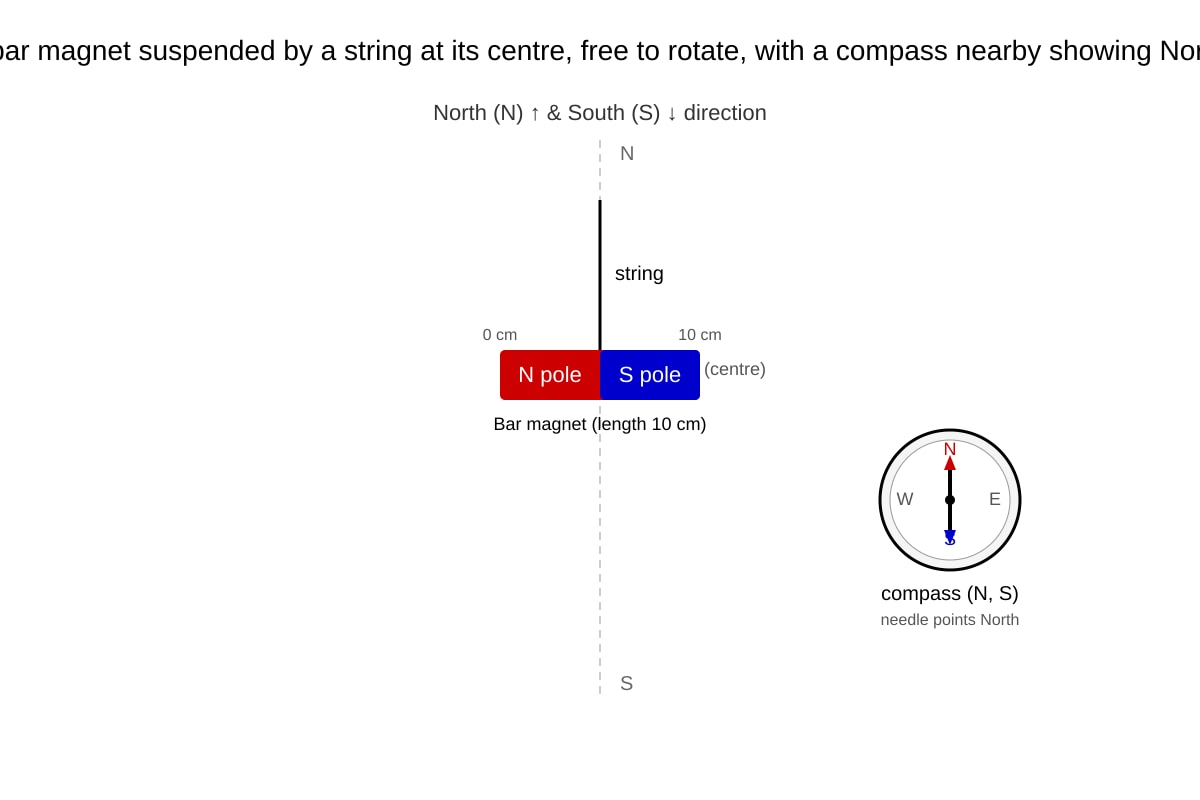
6. B North–South
Teaching note: A freely suspended bar magnet aligns with Earth’s magnetic field, pointing North–South.
7. B North and North
Teaching note: Like poles repel. Unlike poles (N–S) attract. Iron is attracted but not a pole; wood is non-magnetic.
8. B flexible and waterproof
Teaching note: Rubber bends without breaking (flexible) and does not let water through (waterproof).
9. A egg
Teaching note: Butterfly life cycle: egg → caterpillar → pupa → adult butterfly.
10. C Fish
Teaching note: Fish use gills to breathe underwater. Cats use lungs; adult frogs use lungs/skin; butterflies breathe through holes.
Section B: Short Answer (2 marks each)
11. Any two of: needs food/water/air, can grow, can move by itself, can reproduce, responds to changes. (2 marks)
Marking: 1 mark per correct characteristic.
12. Property: transparent / hard / waterproof. Use: window / cup / jar. (2 marks)
Marking: 1 mark property, 1 mark use.
13. Plastic is waterproof / does not break easily / keeps food fresh. (2 marks)
Marking: 1 mark material property, 1 mark link to use.
14. Iron, steel. (2 marks)
Marking: 1 mark each. (Nickel/cobalt not required by syllabus.)
15. (a) Living (1 mark) (b) Non-living (1 mark)
16. Seed → Young plant → Adult plant (2 marks)
Marking: 1 mark each missing stage.
Section C: Structured Questions
17.
(a) North pole and South pole. (2 marks: 1 each)
(b) They repel (push away). (1 mark)
18.
(a) Living: squirrel, fern plant, butterfly. Non-living: metal bench. (2 marks: all correct = 2, partial = 1)
(b) Squirrel can move by itself / fern can grow / butterfly can reproduce. (1 mark)
19.
(a) Rubber. (1 mark)
(b) Plastic keeps water out best because it is waterproof (does not absorb water). (2 marks: 1 material, 1 reason)
20.
(a) North–South. (1 mark)
(b) Magnetic force. (1 mark)
(c) Fridge door seal / magnetic clip / toy. (1 mark)
Image note: Diagram must show magnet pointing N–S with compass N aligned; this confirms Earth’s magnetic pull.