From Real Exams Quiz
Primary 3 Science Plant System Quiz
Free P3 Science Plant System quiz, Exam version, with questions, answers, and syllabus-aligned practice for Singapore students.
These static practice materials are generated from the site's syllabus and paper-generation workflow, with source and model context shown so students and parents can evaluate the material before use.
Questions
Free quiz and exam paper access
Enter your details to view this paper
Your access is remembered on this device.
Answers
Primary 3 Science Quiz - Plant System (Answer Key)
Total Marks: 30
Section A: Multiple-Choice Questions (Questions 1 - 5)
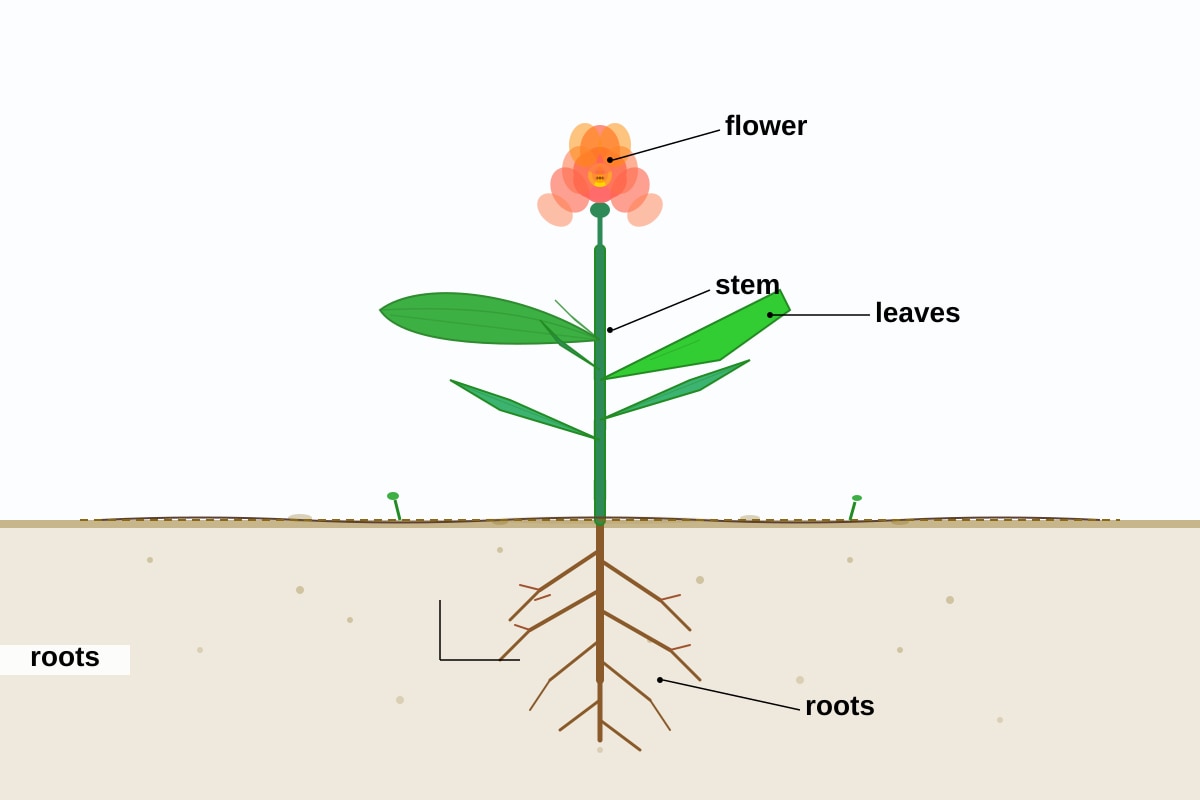
1. C) Root
- Marks: 1
- Explanation: The root is the part of the plant that grows underground. It helps to absorb water and minerals from the soil and holds the plant firmly in place. The leaf, stem, and flower are usually found above the ground.
2. B) make food for the plant
- Marks: 1
- Explanation: The leaf is the main food-making part of the plant. It uses sunlight, water, and carbon dioxide to make food through a process called photosynthesis. The roots absorb water, the stem transports water, and the flower is involved in reproduction.
3. B) can respond to light
- Marks: 1
- Explanation: Plants can respond to changes in their surroundings. When a plant is placed near a window, its leaves will grow towards the light. This is a response to a stimulus (light). This shows that the plant is a living thing that can respond to changes in its environment.
4. D) Soil
- Marks: 1
- Explanation: To make food, a plant needs water, sunlight, and carbon dioxide. Soil is important for providing support and some nutrients, but it is not directly used by the plant to make its own food.
5. C) stem
- Marks: 1
- Explanation: The stem is the part of the plant that transports water and food between the roots and the leaves. It acts like a pipeline, carrying water from the roots up to the leaves and food from the leaves to other parts of the plant.
Section B: Short-Answer Questions (Questions 6 - 15)
6. Any two of the following: (a) Water (b) Sunlight (c) Air (carbon dioxide) (d) Minerals/nutrients from soil
- Marks: 1 mark for each correct answer (Total: 2 marks)
- Explanation: Plants are living things and need certain things to survive and grow healthily. Water is needed for making food and transporting nutrients. Sunlight provides the energy for making food. Air provides carbon dioxide, which is also needed for making food. Minerals from the soil help the plant grow strong and healthy.
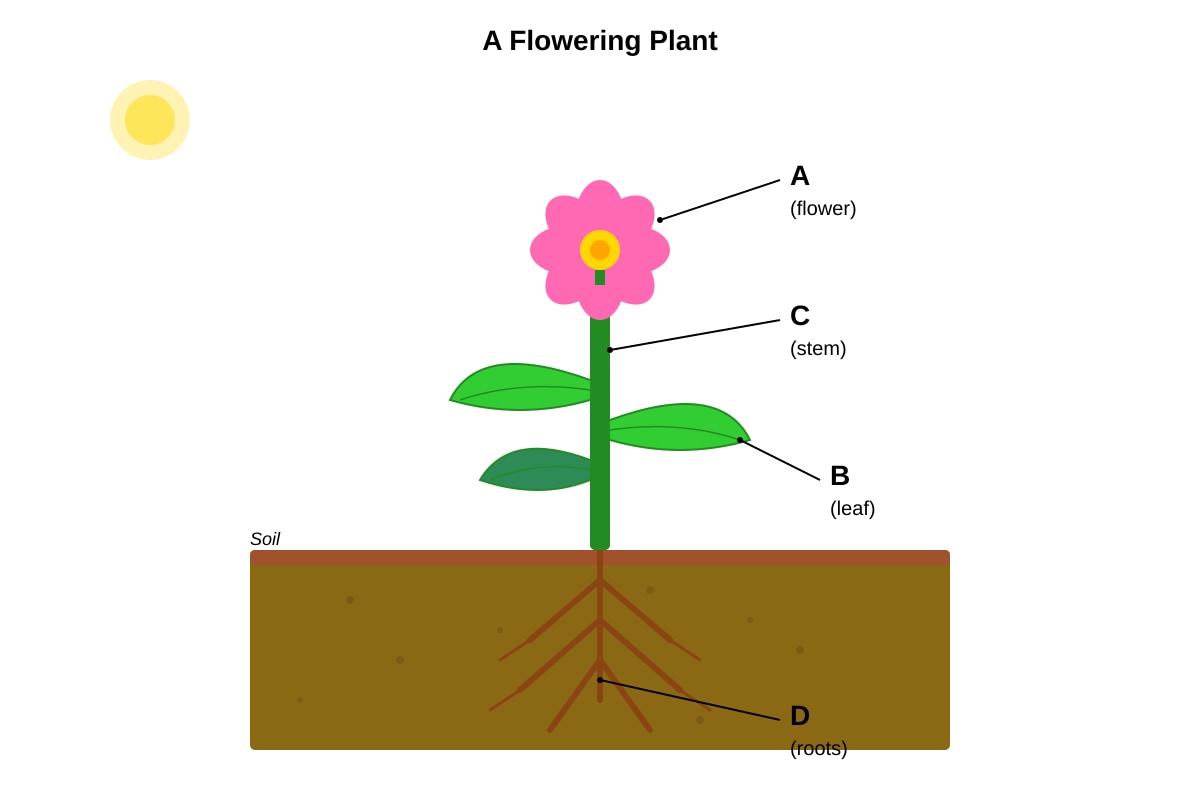
7. | Part of Plant | Main Function | Letter | | :--- | :--- | :--- | | | Makes food for the plant | B | | | Absorbs water from the soil | D |
- Marks: 1 mark for each correct match (Total: 2 marks)
- Explanation: The leaf (B) is the food-making part of the plant. The roots (D) absorb water from the soil. The flower (A) is for reproduction, and the stem (C) transports water and food.
8. The plant will not be able to make food / The plant will turn yellow / The plant will wilt / The plant may die.
- Marks: 2 marks for a correct answer
- Explanation: Plants need sunlight to make food. Without sunlight, the plant cannot make food and will not be able to stay healthy. It will eventually turn yellow, wilt, and may die.
9. Any two of the following:
- A seed is dormant/inactive, while a young plant is actively growing.
- A seed has a seed coat, while a young plant has roots, stem, and leaves.
- A seed does not have leaves, while a young plant has leaves.
- A seed is usually smaller than a young plant.
- Marks: 1 mark for each correct difference (Total: 2 marks)
- Explanation: A seed is the first stage of a plant's life cycle. It contains a young plant inside, protected by a seed coat. When conditions are right, the seed germinates and grows into a young plant. The young plant has visible parts like roots, a stem, and leaves, and is actively growing.
10. (a) Seed
- Marks: 1 mark
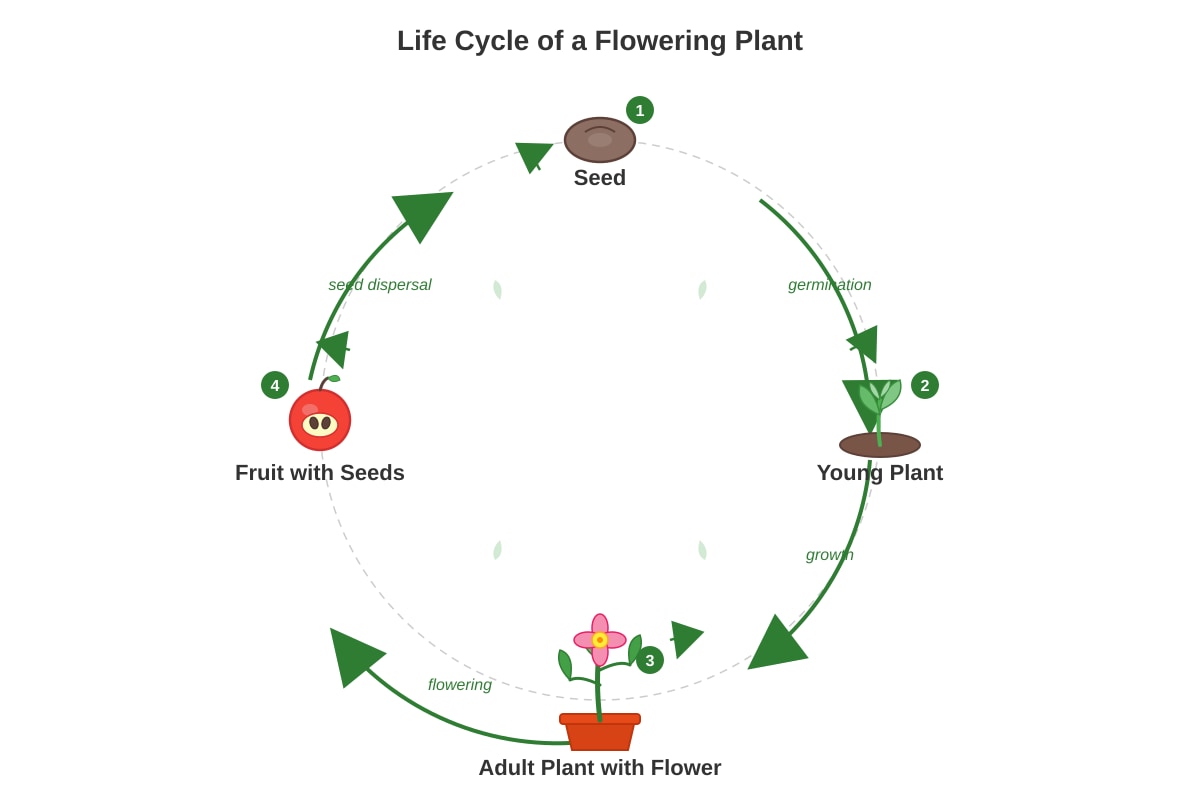
- Explanation: The life cycle of a flowering plant begins with a seed. The seed germinates and grows into a young plant, which then becomes an adult plant. (b) Flower
- Marks: 1 mark
- Explanation: After the flower is pollinated and fertilised, it develops into a fruit. The fruit contains seeds, which can grow into new plants.
11. The plant needs sunlight to make food. Without sunlight, the plant cannot make food and will not be able to survive.
- Marks: 2 marks for a complete explanation
- Explanation: Sunlight provides the energy needed for the plant to make food. Without sunlight, the plant cannot carry out photosynthesis, so it cannot produce its own food. This will cause the plant to weaken and eventually die.
12. This shows that the stem transports water from the roots to the leaves.
- Marks: 2 marks
- Explanation: The coloured water is absorbed by the roots and travels up the stem to the leaves. This demonstrates that the stem acts as a transport system, carrying water (and dissolved minerals) from the roots to the rest of the plant.
13. Any two of the following: (a) Plants provide food for humans (e.g., fruits, vegetables, grains). (b) Plants provide oxygen for humans to breathe. (c) Plants provide materials for humans (e.g., wood for furniture, cotton for clothes). (d) Plants provide medicine.
- Marks: 1 mark for each correct answer (Total: 2 marks)
- Explanation: Plants are very useful to humans. They are a source of food, oxygen, materials, and medicine. This shows the importance of plants in our lives and why we should care for them.
14. Any one of the following:
- Seed
- Stem (e.g., stem cutting)
- Root (e.g., root cutting)
- Leaf (e.g., leaf cutting)
- Marks: 2 marks
- Explanation: Many plants can reproduce from different parts. Seeds are the most common way, but some plants can grow from stems, roots, or leaves. This is a form of reproduction, which is a characteristic of living things.
15. (a) Roots
- Marks: 1 mark
- Explanation: The roots are the part of the plant that grows underground and absorbs water from the soil. (b) Roots
- Marks: 1 mark
- Explanation: The roots also help to hold the plant firmly in the ground, providing support and stability.
Section C: Open-Ended Questions (Questions 16 - 20)
16. Plant Y did not grow well because it did not get water and sunlight. Water is needed for the plant to make food and stay healthy. Sunlight is needed for the plant to make food. Without these, the plant could not make food and wilted.
- Marks: 2 marks for a complete answer mentioning both water and sunlight
- Explanation: This question tests the understanding of the basic needs of plants. Plant X had everything it needed (water and sunlight), so it grew well. Plant Y lacked both water and sunlight, so it could not make food and became unhealthy.
17. The plant is growing. The number of leaves is increasing each week.
- Marks: 2 marks
- Explanation: The data shows a clear pattern: the number of leaves increases by 2 every week. This shows that the plant is growing and developing, which is a characteristic of living things.
18. The plant died because the roots were waterlogged and could not get air to breathe.
- Marks: 2 marks
- Explanation: Plants need air to survive. When the pot has no hole, excess water cannot drain out. The soil becomes waterlogged, and the roots cannot get enough air. This causes the roots to rot and the plant to die.
19. The plant might not be getting enough sunlight or minerals (nutrients) from the soil.
- If it is not getting enough sunlight, it cannot make food, so the leaves turn yellow.
- If it is not getting enough minerals, it cannot grow healthily, and the leaves turn yellow.
- Marks: 2 marks for a correct suggestion and explanation
- Explanation: Yellowing leaves are a common sign of a plant that is not healthy. This can be caused by a lack of sunlight, water, or nutrients. The explanation should link the lack of the resource to the plant's inability to stay healthy.
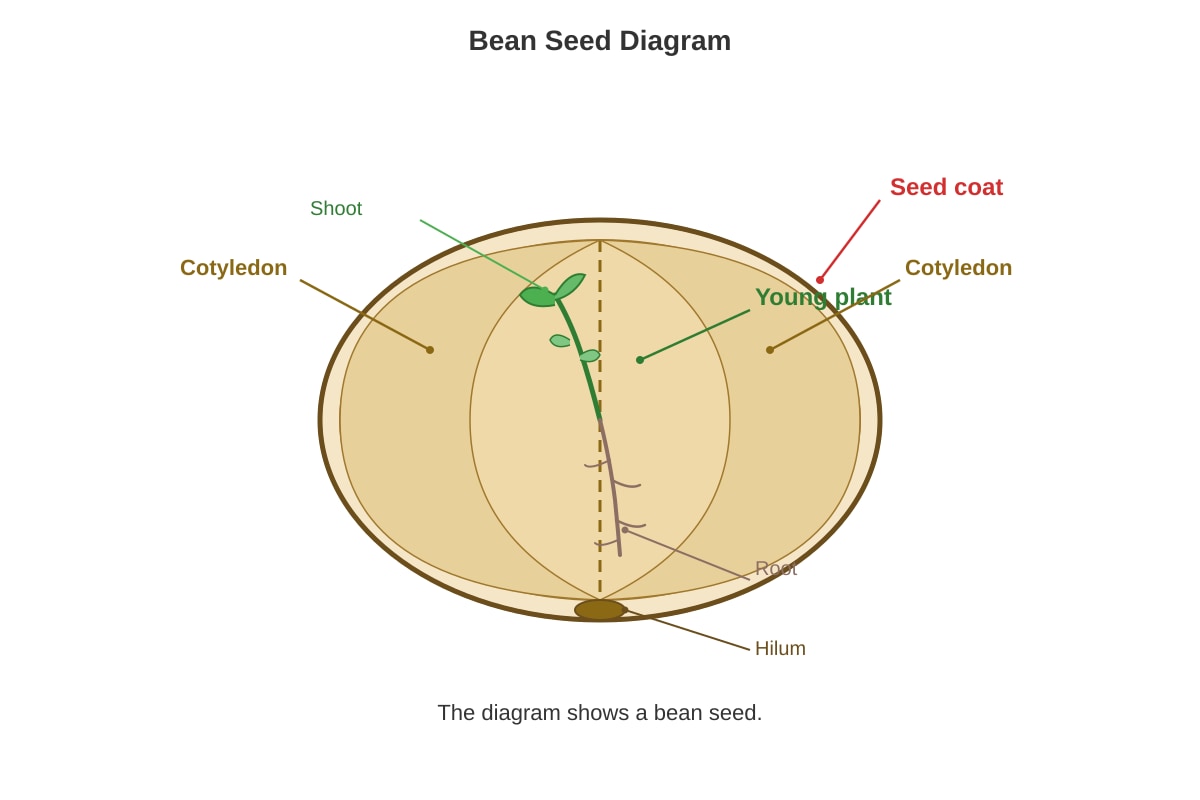
20. (a) The seed coat protects the young plant inside the seed.
- Marks: 1 mark
- Explanation: The seed coat is the tough outer layer of the seed. It protects the young plant (embryo) from damage, drying out, and diseases. (b) The young plant inside the seed will grow into an adult plant.
- Marks: 1 mark
- Explanation: When the seed germinates, the young plant inside will grow and develop into an adult plant. This is the life cycle of a plant.
END OF ANSWER KEY