AI Generated Quiz
Primary 3 Mathematics Geometry Quiz
Free P3 Maths Geometry quiz, HY3 AI version, with questions, answers, and syllabus-aligned practice for Singapore students.
These static practice materials are generated from the site's syllabus and paper-generation workflow, with source and model context shown so students and parents can evaluate the material before use.
Questions
Free quiz and exam paper access
Enter your details to view this paper
Your access is remembered on this device.
Answers
Primary 3 Mathematics Quiz - Geometry (Answer Key)
Total Marks: 40
Topic: Geometry (syllabus-first; not from past papers)
Section A Answers (1 mark each)
1. Right angle
Teaching note: A square corner is a right angle (90°). The corner of a square is the standard example.
2. B) The corner of a book
Teaching note: A book corner is square, so it is a right angle. A sloping roof and pencil tip are not right angles.
3. Parallel
Teaching note: Parallel lines never meet and stay the same distance apart.
4. Perpendicular
Teaching note: Perpendicular lines meet at a right angle (square corner).
5. Acute
Teaching note: An angle smaller than a right angle is called acute. (P3 uses "smaller than a right angle" mainly, but acute is the term.)
6. Obtuse
Teaching note: An angle bigger than a right angle is called obtuse.
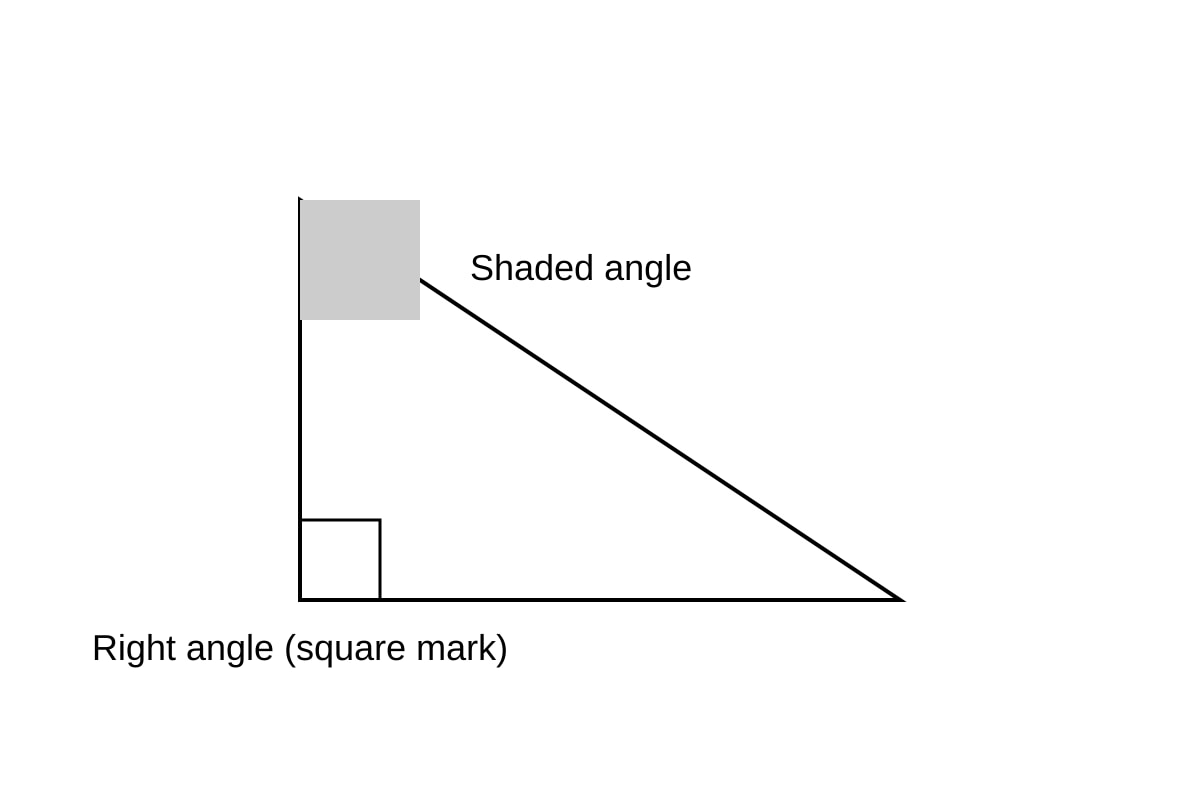
7. Smaller than a right angle
Teaching note: The shaded angle is lightly shaded and the square shows the right angle; shaded is clearly less open than the square corner.
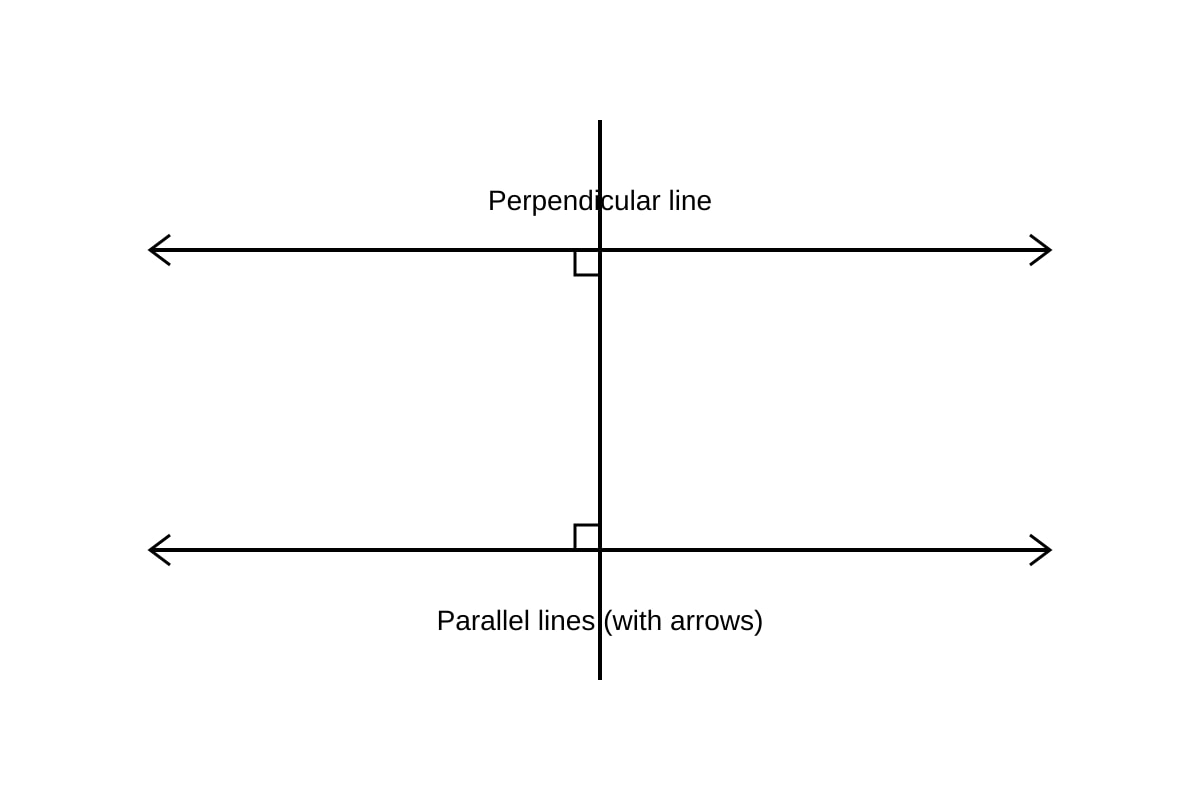
8. Parallel
Teaching note: The two horizontal lines have arrowheads and never meet; they are parallel to each other. The vertical line is perpendicular to them.
9. 4
Teaching note: A rectangle has four square corners, so 4 right angles.
10. B) Square
Teaching note: A square has 4 equal sides and 4 right angles. A rectangle has right angles but not always equal sides.
Section B Answers (2 marks each)
11. [Drawing expected: an L-shape with a small square at the corner]
Marking: 1 m for correct corner shape, 1 m for square mark.
Teaching note: Use ruler to make two lines meeting as a square corner; draw a small square to show it is 90°.
12. Parallel. The two vertical lines of H never meet and are same distance apart.
Marking: 1 m name, 1 m reason.
Teaching note: In H, left and right strokes are vertical and do not touch; they are parallel.
13. Right-angled triangle
Marking: 2 m for correct name.
Teaching note: A 3-sided shape is a triangle; with one right angle it is a right-angled triangle.
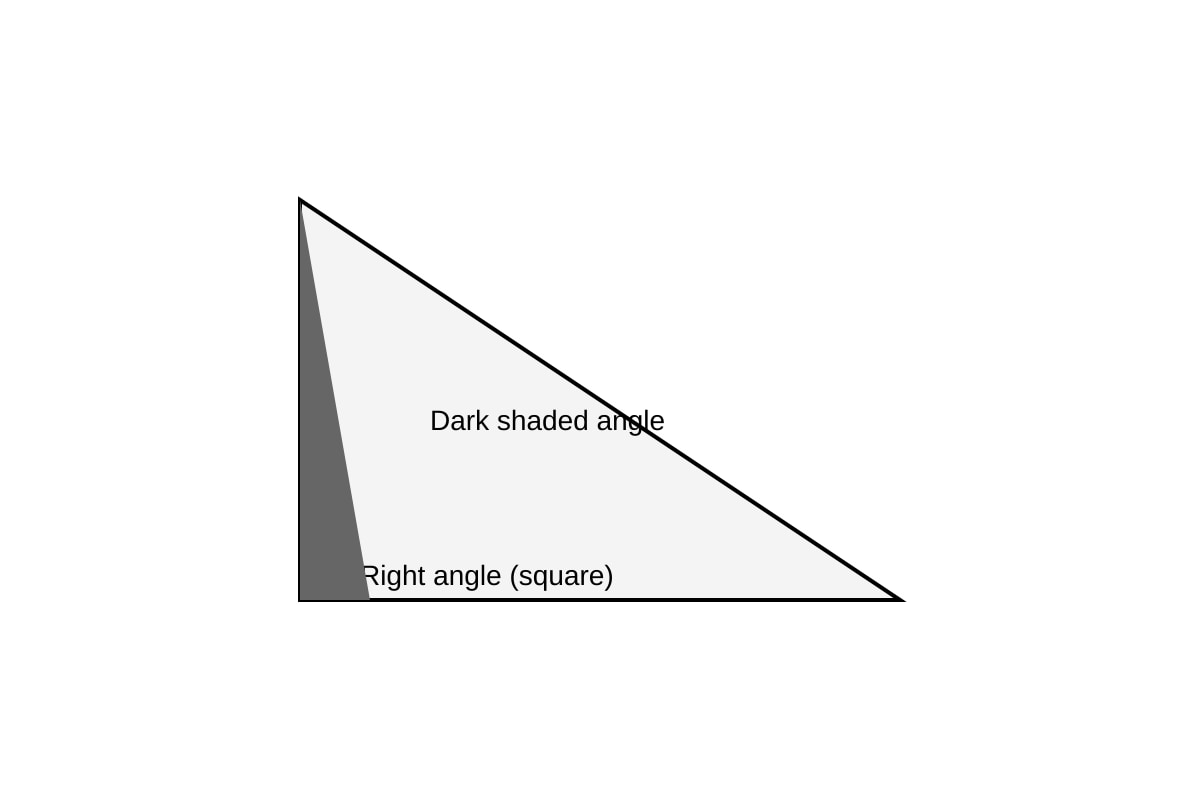
14. Smaller than a right angle
Marking: 2 m for correct comparison using diagram.
Teaching note: Dark shaded corner is less open than the square-marked right angle.
15. Any two, e.g., edge of desk and leg of desk; page of book and spine.
Marking: 1 m each correct object (2 m total).
Teaching note: Perpendicular lines meet at right angles; furniture corners are good examples.
16. Railway tracks run side by side and never meet, always same distance apart, so they are parallel.
Marking: 2 m for correct explanation.
Teaching note: Parallel means no meeting and equal gap; tracks show this.
Section C Answers (3 marks each)
17.
(a) 4 right angles (1 m)
(b) Yes, opposite sides of a rectangle are parallel because they never meet and are equal distance apart. (2 m: 1 for yes, 1 for reason)
Teaching note: Rectangle properties: 4 square corners, opposite sides parallel.
18.
(a) Perpendicular lines (1 m)
(b) Yes, the steps are parallel because they are horizontal, same distance apart, and never meet. (2 m: 1 yes, 1 reason)
Teaching note: Step treads are like parallel lines; side is perpendicular to them.
19. [Drawing: rectangle or square with opposite sides marked with arrows] Name: Rectangle (or Square). (3 m: 1 draw, 1 pairs parallel labelled, 1 name)
Teaching note: Rectangle has 2 pairs of parallel opposite sides and 4 right angles.
20.
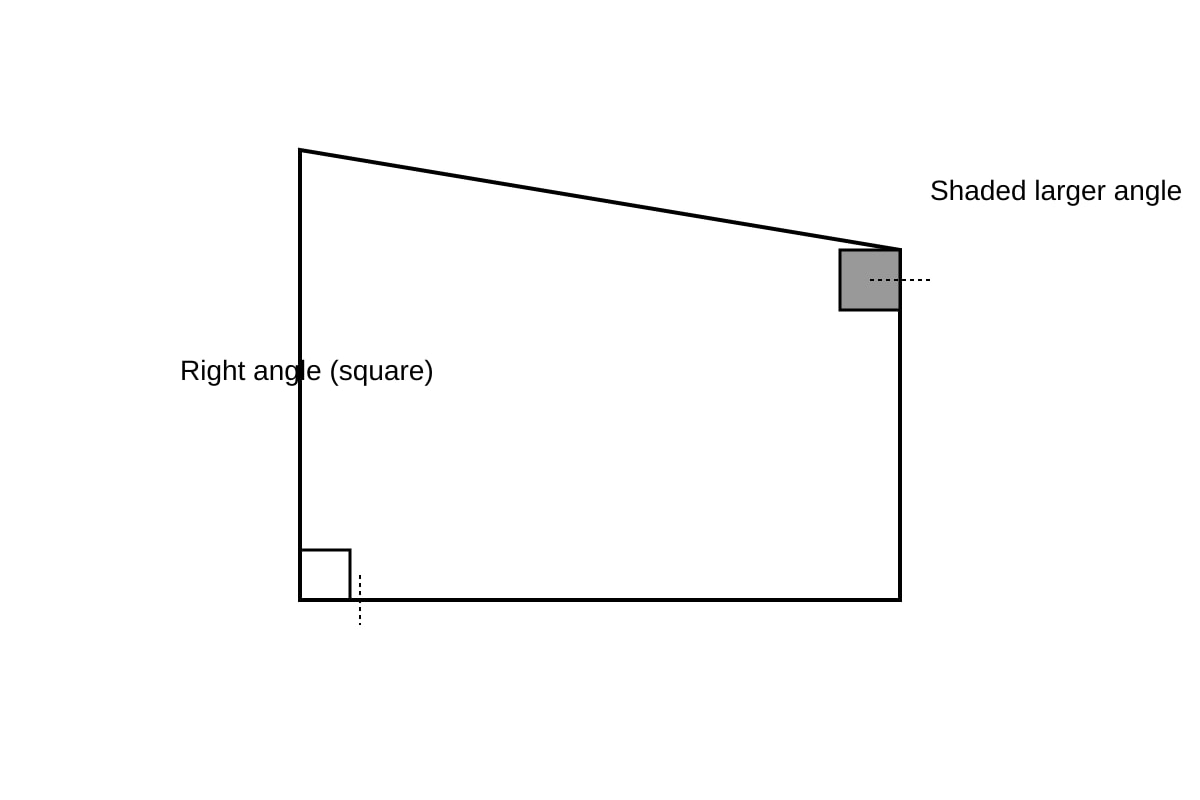
(a) The angle with the square mark (1 m)
(b) Greater than a right angle (1 m)
(c) Any adjacent sides meeting at square mark, e.g., the two lines forming the right angle (1 m)
Teaching note: Square mark = right angle; shaded is more open = greater; those two lines are perpendicular.