From Real Exams Quiz
Primary 3 Mathematics Geometry Quiz
Free P3 Maths Geometry quiz, HY3 Exam version, with questions, answers, and syllabus-aligned practice for Singapore students.
These static practice materials are generated from the site's syllabus and paper-generation workflow, with source and model context shown so students and parents can evaluate the material before use.
Questions
Free quiz and exam paper access
Enter your details to view this paper
Your access is remembered on this device.
Answers
Primary 3 Mathematics Quiz - Geometry (Answer Key)
Total Marks: 40
Topic: Geometry (Angles, Perpendicular and Parallel lines)
Q1. (2 marks)
Answer: Right angle.
Teaching note: A quarter turn from a straight line (which is a straight angle of 180°) makes a 90° turn. This is called a right angle.
Marking: 2 marks for "right angle"; 1 mark if they say "quarter turn" only.
Q2. (2 marks)
Answer: Right angle.
Teaching note: The corner of a book forms a square corner, which is exactly 90°, so it is a right angle.
Marking: 2 marks for correct type.
Q3. (2 marks)
Answer: A square corner.
Teaching note: Square corners are 90° (right angle). Scissors half-open and fan wide-open are not fixed right angles.
Marking: 2 marks for correct choice.
Q4. (2 marks)
Answer: Two lines drawn with arrowheads at ends, same distance apart.
Teaching note: Parallel lines never meet and stay same distance apart.
Marking: 2 marks if pair drawn correctly; 1 mark if drawn but no arrows.
Q5. (2 marks)
Answer: Parallel.
Teaching note: Opposite sides of a rectangle do not meet and are always same distance apart → parallel.
Marking: 2 marks for "parallel".
Q6. (2 marks)
Answer: Smaller (or acute).
Teaching note: Angles less than 90° are smaller than a right angle. In P3 we say "smaller than a right angle".
Marking: 2 marks for "smaller".
Q7. (2 marks)
Answer: Square.
Teaching note: Square has corners that are right angles, so its lines are perpendicular.
Marking: 2 marks for ticking square.
Q8. (2 marks)
Answer: 4.
Teaching note: Each of the 4 corners of a square is a right angle.
Marking: 2 marks for 4.
Q9. (2 marks)
Answer: Parallel.
Teaching note: Parallel lines never meet; perpendicular lines meet at right angles.
Marking: 2 marks for "parallel".
Q10. (2 marks)
Answer: Yes.
Teaching note: The top bar and vertical stem of "T" meet at 90°, so they are perpendicular.
Marking: 2 marks for Yes.
Q11. (2 marks)
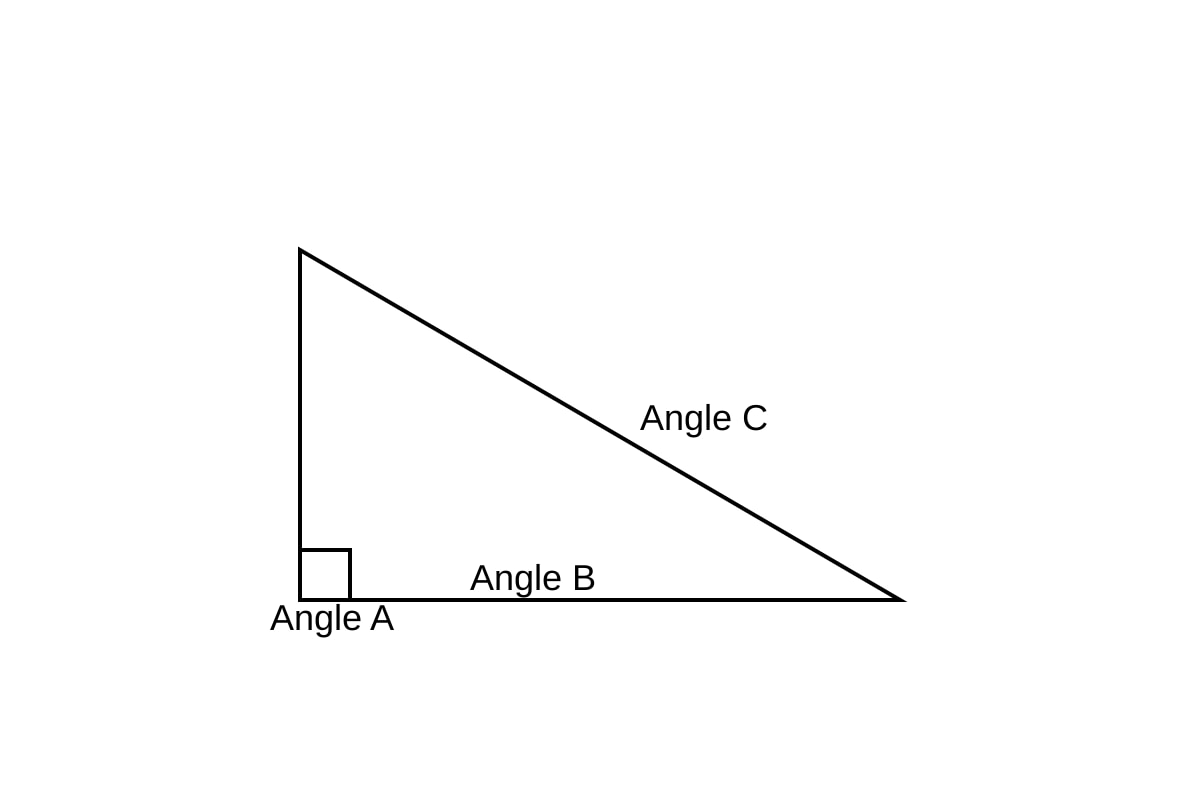
Answer: Smaller than a right angle.
Teaching note: Diagram shows Angle B without square mark and drawn narrower than the right angle at A.
Marking: 2 marks for correct comparison.
Q12. (2 marks)
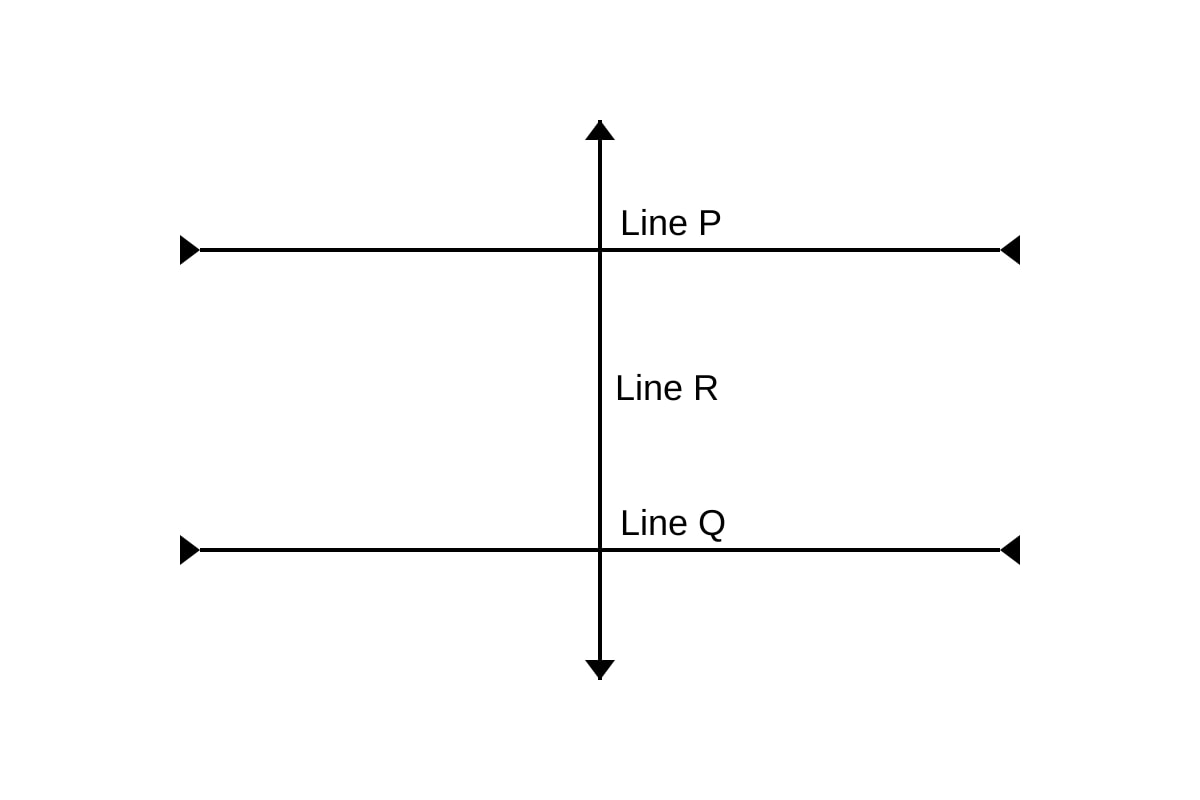
Answer: Line P.
Teaching note: Line P is the other horizontal line with arrowheads, same distance as Q → parallel.
Marking: 2 marks for Line P.
Q13. (2 marks)
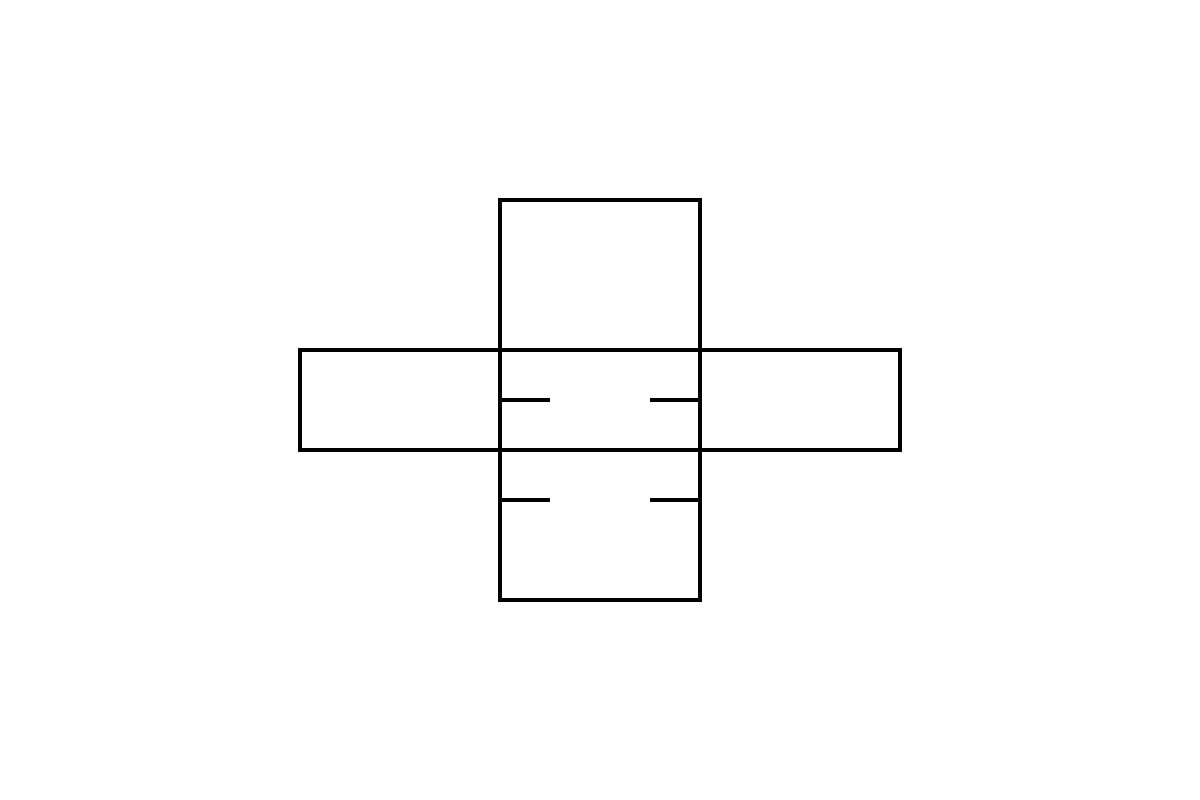
Answer: 4 pairs.
Working: Rectangle has 4 sides: top-bottom (parallel), left-right (parallel). Each corner gives a perpendicular pair: (top, left), (top, right), (bottom, left), (bottom, right) = 4 pairs.
Teaching note: Perpendicular means meet at right angle; each corner is one pair.
Marking: 1 mark for number, 1 mark for brief count.
Q14. (2 marks)
Answer: Any one correct pair from the cross (e.g., horizontal bar and vertical bar).
Teaching note: Lines crossing at right-angle marks are perpendicular.
Marking: 2 marks for naming a valid pair.
Q15. (2 marks)
Answer: Larger than a right angle.
Teaching note: Door corner is right angle; wider open means bigger turn.
Marking: 2 marks for correct.
Q16. (2 marks)
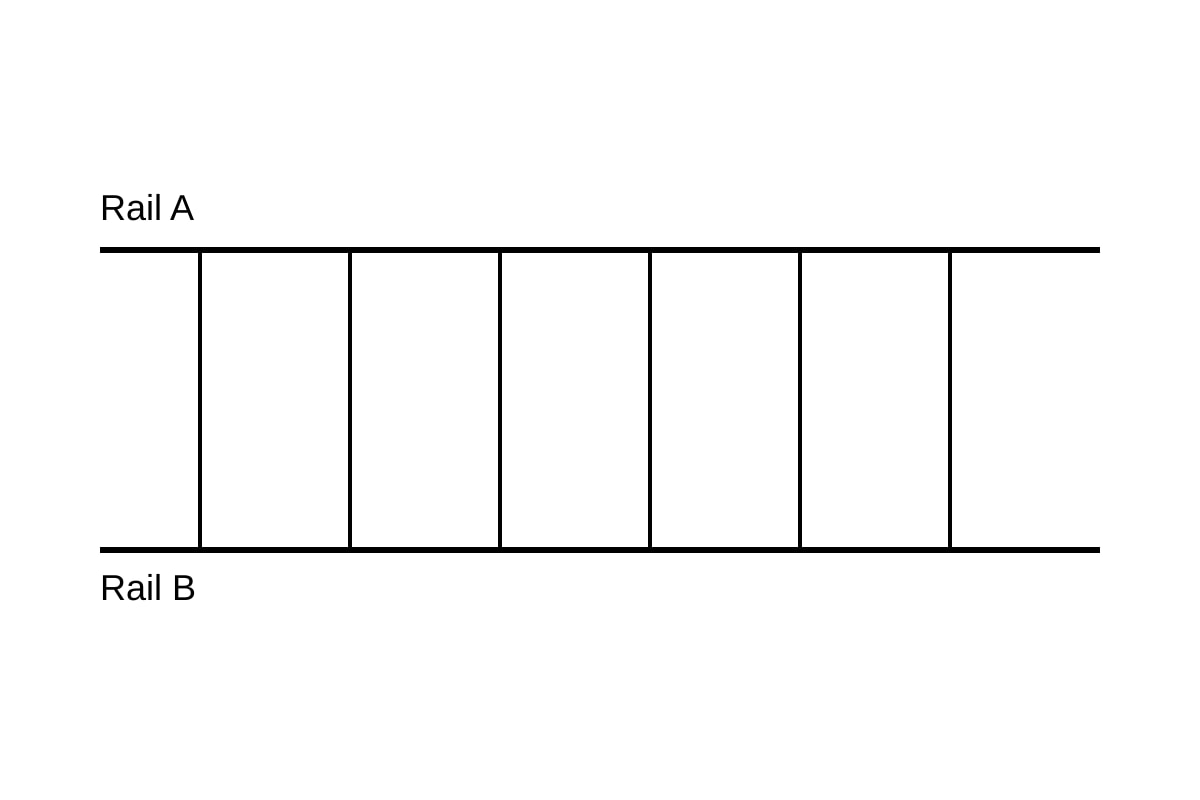
Answer: Parallel.
Teaching note: Rails stay same distance, never meet → parallel.
Marking: 2 marks for "parallel".
Q17. (2 marks)
Answer: Drawing of two lines meeting at 90° with small square at corner.
Teaching note: Right angle marked by square box.
Marking: 2 marks for correct drawing + mark.
Q18. (2 marks)
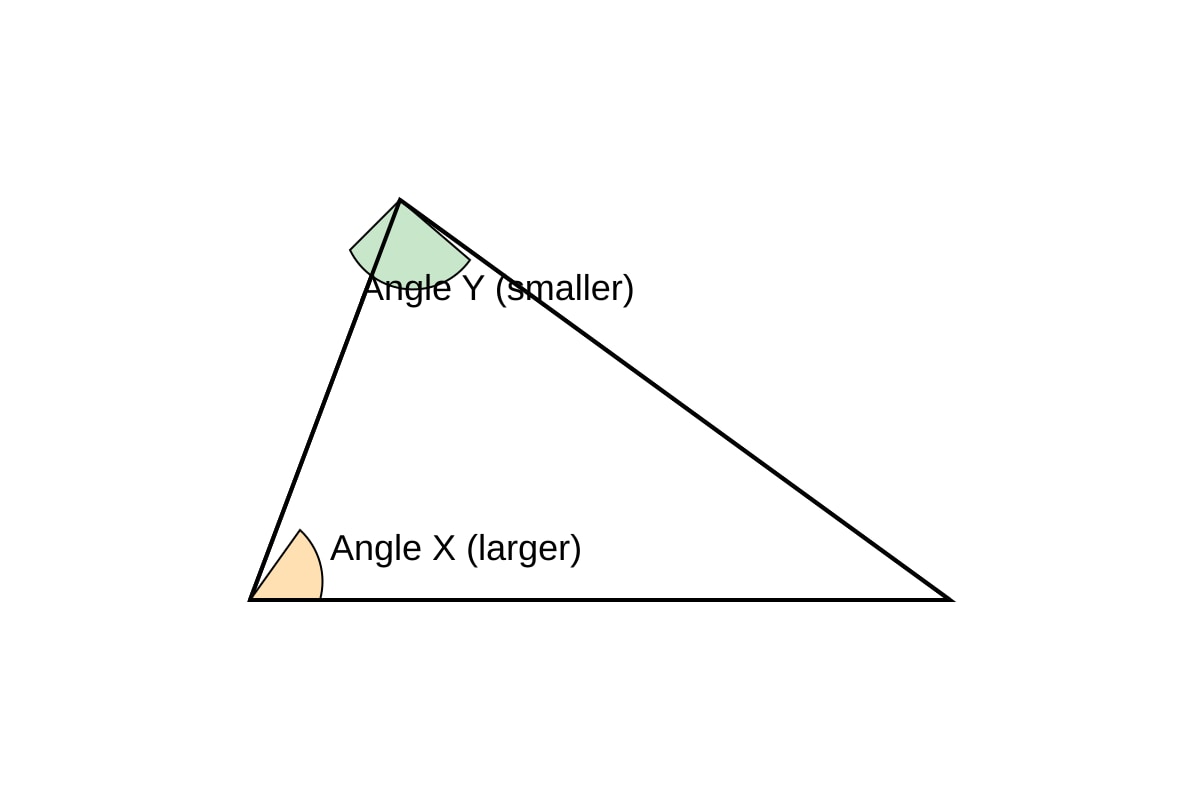
Answer: Angle X.
Teaching note: Diagram shows X drawn wider than right angle.
Marking: 2 marks for Angle X.
Q19. (2 marks)
Answer: They are always same distance apart and never meet.
Teaching note: That is the definition of parallel lines.
Marking: 2 marks for correct reason.
Q20. (2 marks)
Answer: Yes, because they meet at right angles (square corners).
Teaching note: Square corners are 90°, so neighbouring sides are perpendicular.
Marking: 1 mark Yes, 1 mark reason.