AI Generated Quiz
Primary 3 Chinese Vocabulary Quiz
Free P3 Chinese Vocabulary quiz, HY3 AI version, with questions, answers, and syllabus-aligned practice for Singapore students.
These static practice materials are generated from the site's syllabus and paper-generation workflow, with source and model context shown so students and parents can evaluate the material before use.
Questions
Free quiz and exam paper access
Enter your details to view this paper
Your access is remembered on this device.
Answers
Primary 3 Chinese Quiz - Vocabulary (Answer Key)
Total Marks: 20
Duration: 35 minutes
Section A: 辨字测验 (Character Recognition)
Q1. C (渴) — 1 mark
Teaching note: “渴” means thirsty (with 氵water radical). “颗” is a measure word, “科” is subject, “刻” is carve/quarter. Sentence says wants water → thirsty.
Common mistake: Confusing 渴 with 喝 (drink).
Q2. B (拉) — 1 mark
Teaching note: “拉” means pull. “垃” only used in 垃圾 (garbage) but not verb alone; “位” is position; “立” is stand. Pull trash into bin.
Common mistake: Choosing 垃 as it sounds like garbage.
Q3. A (掉) — 1 mark
Teaching note: “掉” means drop/fall. “钓” is fish (with 钅). Cat fell from table.
Common mistake: Mixing 掉 and 钓 by sound.
Q4. B (忘) — 1 mark
Teaching note: “忘” (forget) has 心 radical. “望” is hope/look, “王” king, “往” toward. Forgot to bring book.
Common mistake: 忘 vs 望.
Q5. B (羊) — 1 mark
Teaching note: “羊” is sheep. “样” is appearance, “胖” fat, “半” half. Doll is a sheep.
Common mistake: 羊 vs 样.
Section B: 看图选词 (Picture-Based Vocabulary)
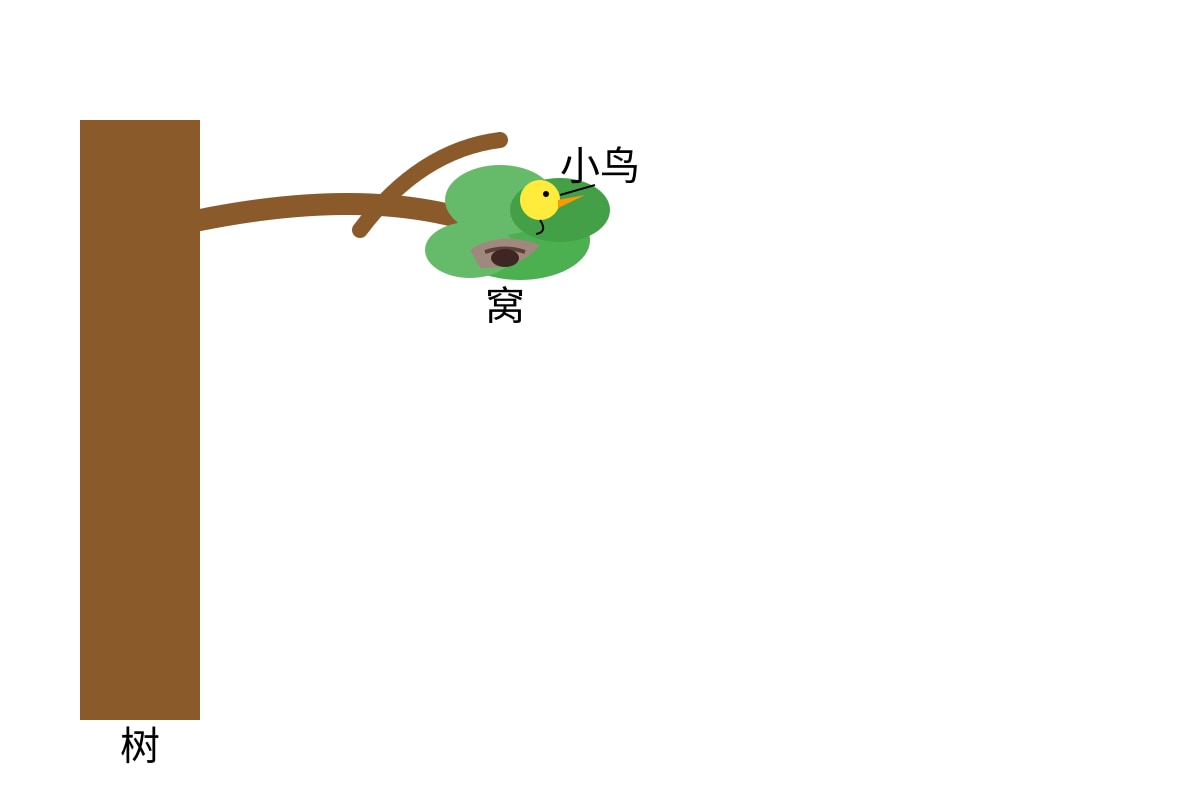
Q6. A (挂) — 1 mark
Teaching note: Bird built and hung nest on tree. Image shows nest on branch → 挂 (hang).
Visual needed: bird, tree, nest on branch.
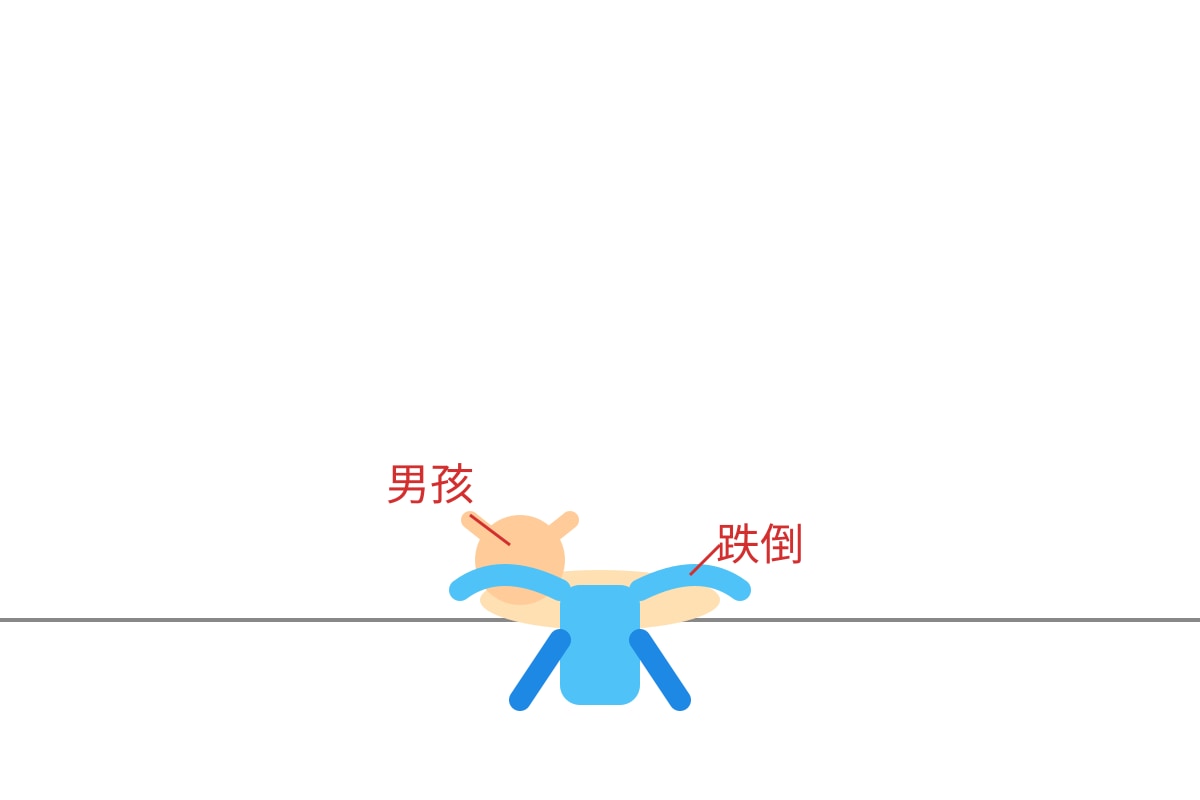
Q7. A (跌倒) — 1 mark
Teaching note: Picture shows boy falling → 跌倒 (fall down). Others: 撞到 (crash), 溜走 (slip away), 离开 (leave).
Visual needed: boy on ground.
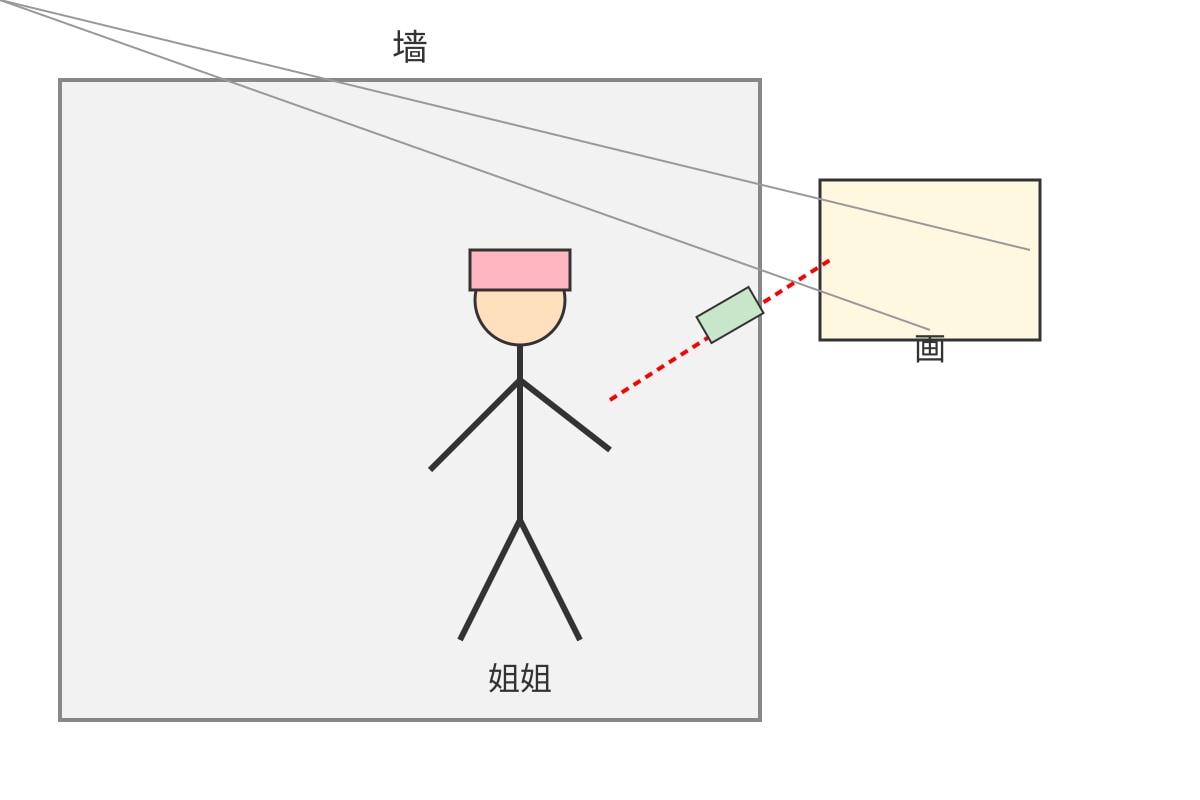
Q8. C (贴) — 1 mark
Teaching note: Girl sticks picture on wall → 贴 (stick). 挂 is hang, 涂 paint, 穿 wear.
Visual needed: girl, picture, wall.
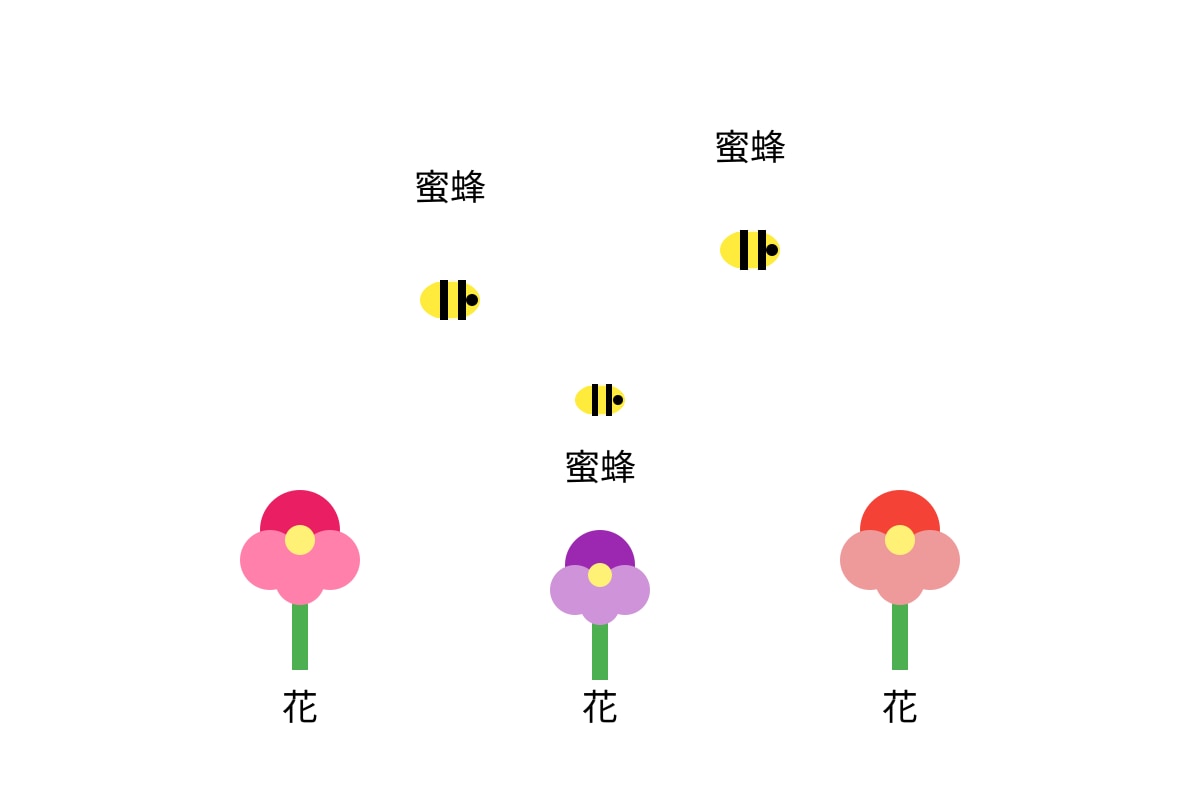
Q9. B (引来) — 1 mark
Teaching note: Flower smell attracted bees → 引来 (attract). 传来 (come), 走过 (walk past), 经过 (pass by).
Visual needed: flowers, bees.
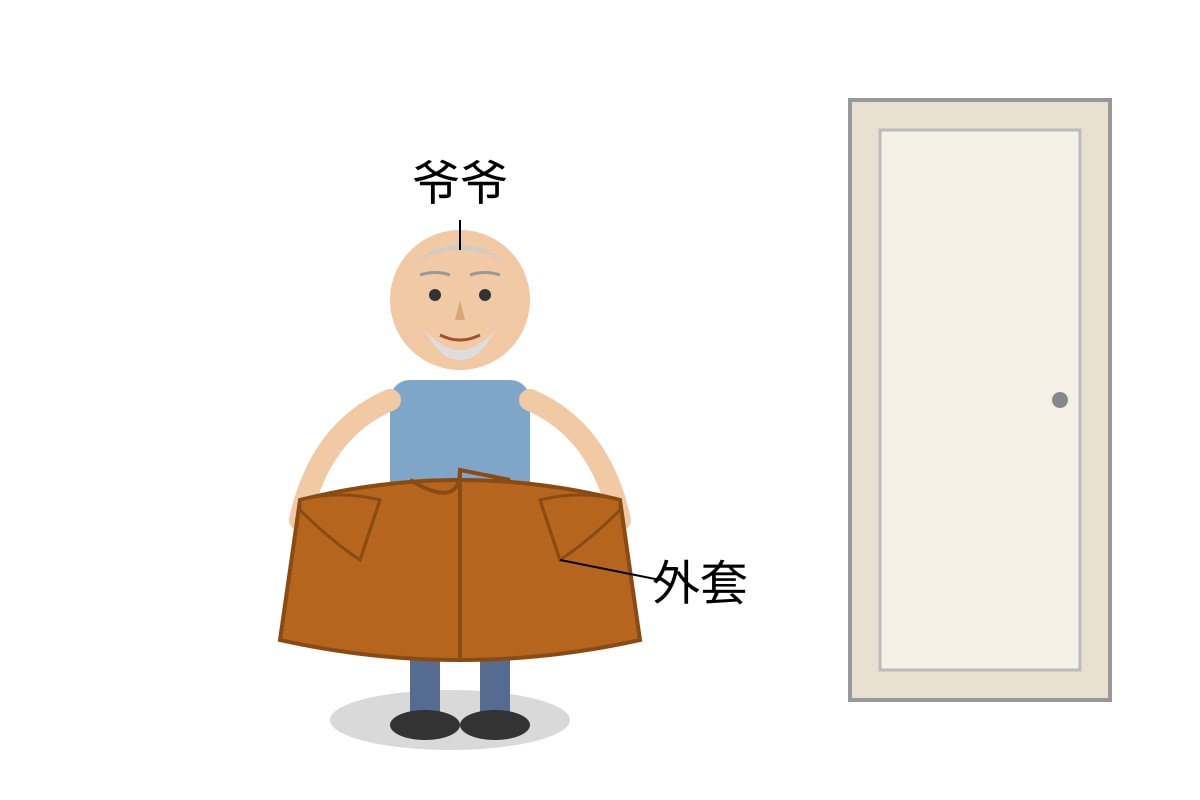
Q10. D (穿) — 1 mark
Teaching note: Grandpa wears coat → 穿 (wear). Others not for clothing.
Visual needed: old man, coat.
Section C: 词语选择 (General Vocabulary)
Q11. A (如果) — 1 mark
Teaching note: “如果” means if (condition). “只有” only if, “果然” as expected, “一直” always. Condition for going park.
Common mistake: 只有 implies stricter condition.
Q12. A (讨论) — 1 mark
Teaching note: “讨论” discuss how to celebrate. “准备” prepare, “合作” cooperate, “谈天” chat. Context: plan together.
Q13. A (相信) — 1 mark
Teaching note: “相信” believe. “原谅” forgive, “爱护” care, “准备” prepare. Mother believes child.
Q14. A (总是) — 1 mark
Teaching note: “总是” always. “已经” already, “以前” before, “将来” future. Habit of early reading.
Q15. D (热闹) — 1 mark
Teaching note: “热闹” lively (crowded with activity). Chinatown at Spring Festival is busy/lively. “美丽” beautiful less precise for crowd.
Section D: 词语搭配 (Word Collocation)
Q16. (1) 爱护 — 1 mark
Note: 爱护动物 = care for animals. Correct collocation.
Q17. (2) 破坏 — 1 mark
Note: 破坏公物 = damage public property.
Q18. (3) 到处 — 1 mark
Note: 到处飞 = fly everywhere.
Q19. (4) 准时 — 1 mark
Note: 准时上学 = go to school on time.
Q20. (6) 回到 — 1 mark
Note: 回到起点 = return to starting point.
(Marking: each correct word from bank = 1 mark; all 5 used once.)