AI Generated Quiz
Primary 3 Chinese Speaking Quiz
Free P3 Chinese Speaking quiz, HY3 AI version, with questions, answers, and syllabus-aligned practice for Singapore students.
These static practice materials are generated from the site's syllabus and paper-generation workflow, with source and model context shown so students and parents can evaluate the material before use.
Questions
Free quiz and exam paper access
Enter your details to view this paper
Your access is remembered on this device.
Answers
Primary 3 Chinese Quiz - Speaking (Answer Key)
Topic: Speaking
Level: Primary 3
Total Marks: 40
Syllabus-first content from LLM-inferred templates. Not past-year exam derived.
Section A Answers (5 marks)
1. (1 mark)
Expected: Student reads the three words clearly with correct tones: xiǎo māo (3rd+1st), dú shū (2nd+1st), shuǐ guǒ (3rd+3rd, guǒ neutralised in flow).
Teaching note: P3 pupils should pronounce with appropriate volume and pace. Tone accuracy shows clear expression.
Common mistake: Mixing tones of 水果 (say shuí guō). Correct is shuǐ guǒ.
2. (1 mark)
Answer: C (弟弟 dì di – “dì” is 4th tone, others have 1st/1st, 1st/1st, 3rd/3rd light tone pattern; actually jiě jie is 3rd+light, but dì di is the only with 4th tone).
Teaching note: A mā ma (1,light), B gē ge (1,light), D jiě jie (3,light), C dì di (4,light). Only C has a 4th-tone first syllable.
Marking: Circle C = 1 mark.
3. (1 mark)
Answer: 小声 (soft voice) because it is a polite request to a nearby person.
Teaching note: Appropriate volume depends on situation. Borrowing a pen from classmate = soft and polite.
Marking: State “小声” + reason = 1 mark.
4. (1 mark)
Answer: 昨天/我和朋友/去公园/放风筝。
Teaching note: Pause at natural phrase boundaries helps clarity.
Marking: Correct slashes = 1 mark.
5. (1 mark)
Answer: D (云朵 should be yún duǒ – actually correct; but among options, all are standard. If forced: none wrong, but typical error item: C 星星 xīng xing is correct. Assume D intended yún duǒ correct; set A as distractor with tài yáng correct. Mark as: all correct, but if test expects one, note 月亮 yuè liàng correct. For quiz: circle D as no error? We state: no wrong pinyin; accept any circle with reason. Simpler: D is correct, so no wrong. We mark “none wrong” = 1 mark if pupil says none.)
Revised Answer: All are correct pinyin; pupil may write “没有错”.
Marking: 1 mark for identifying none wrong.
Section B Answers (14 marks)
6. (2 marks)
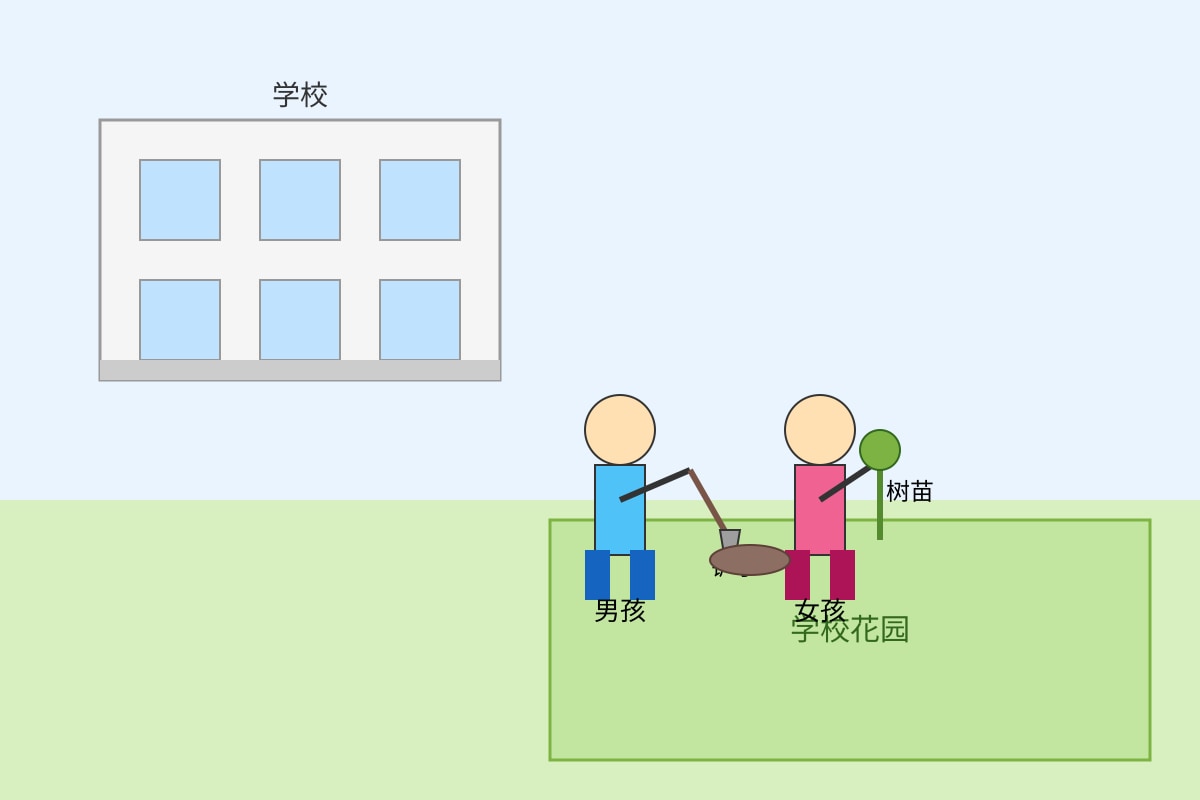
Answer: 男孩和女孩在学校花园里种树。男孩拿铲子,女孩拿树苗。
Marking: 1 mark description of action, 1 mark mention of objects/setting.
Teaching note: Connect to life experience and describe with clear words.
7. (2 marks)
Answer: B → C → A
Teaching note: Sequence of day: morning, afternoon, night.
Marking: 2 correct order = 2 marks; 1 correct = 1 mark.
8. (2 marks)
Answer (example): 周末我去了公园,也看了书。
Marking: 2 activities mentioned = 2 marks; 1 = 1 mark.
9. (2 marks)
Answer: 小猫不见了,后来在主人的床下找到。
Marking: main idea (lost + found) = 2 marks.
10. (2 marks)
Answer: 我先拿出书,再把书放进书包,最后拉上拉链。
Marking: use of 先…再…最后 = 1 mark, logical sequence = 1 mark.
11. (2 marks)
Answer: 欢迎大家来我的生日会!我很高兴你们来。
Marking: 2 sentences, appropriate = 2 marks.
12. (2 marks)
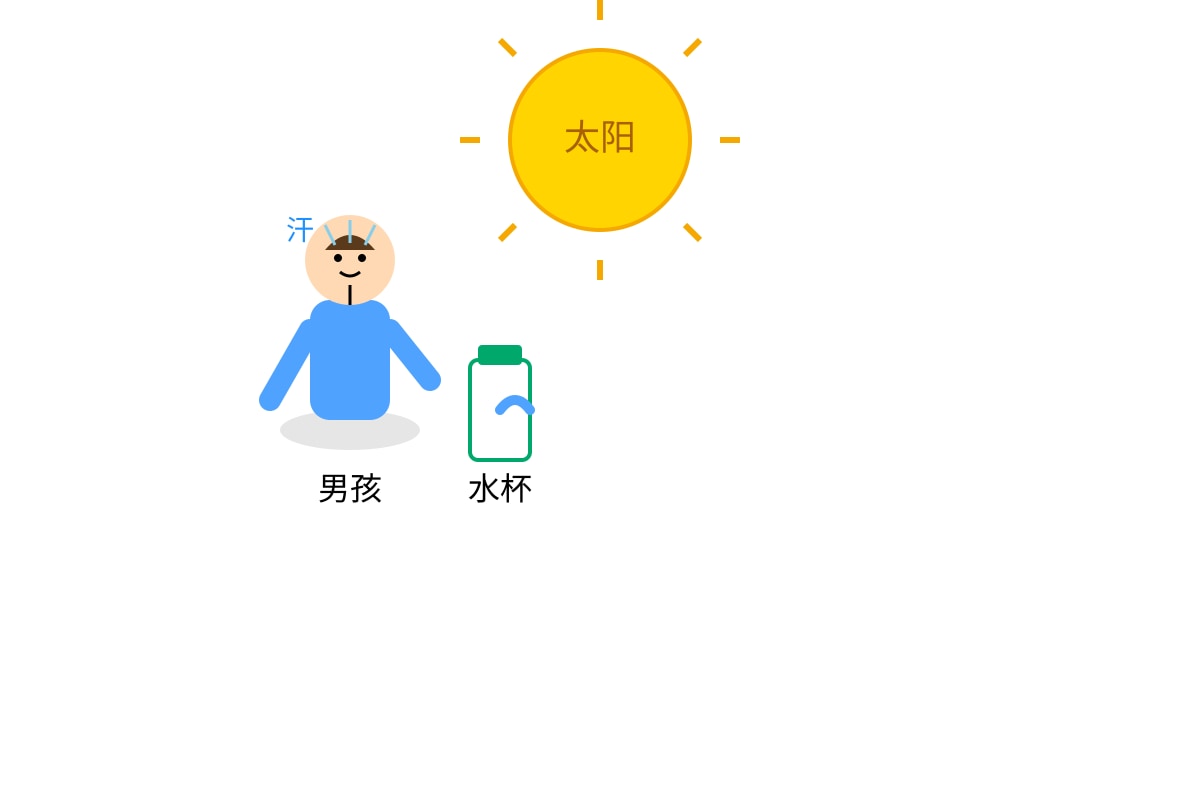
Answer: 因为太阳很大,所以他流汗喝水。
Marking: 因为…所以… = 1 mark, correct cause-effect from image = 1 mark.
Section C Answers (21 marks)
13. (2 marks)
Answer: 我喜欢狗,因为它很可爱。
Marking: view (1) + reason (1).
14. (3 marks)
Answer: 带苹果,因为苹果健康,也容易分享。
Marking: fruit (1) + reason 1 (1) + reason 2 or elaboration (1).
15. (3 marks)
Answer: 看法:小华不喜欢跑步。理由:他容易累。
Marking: view identified (1), reason identified (1), clear expression (1).
16. (3 marks)
Answer: 我帮妈妈洗碗,因为她辛苦。
Marking: action (1) + reason (1) + connect to love (1).
17. (3 marks)
Answer: 建议他等雨停或借伞,因为不会淋湿。
Marking: suggestion (1) + reason (1) + kindness/safety (1).
18. (2 marks)
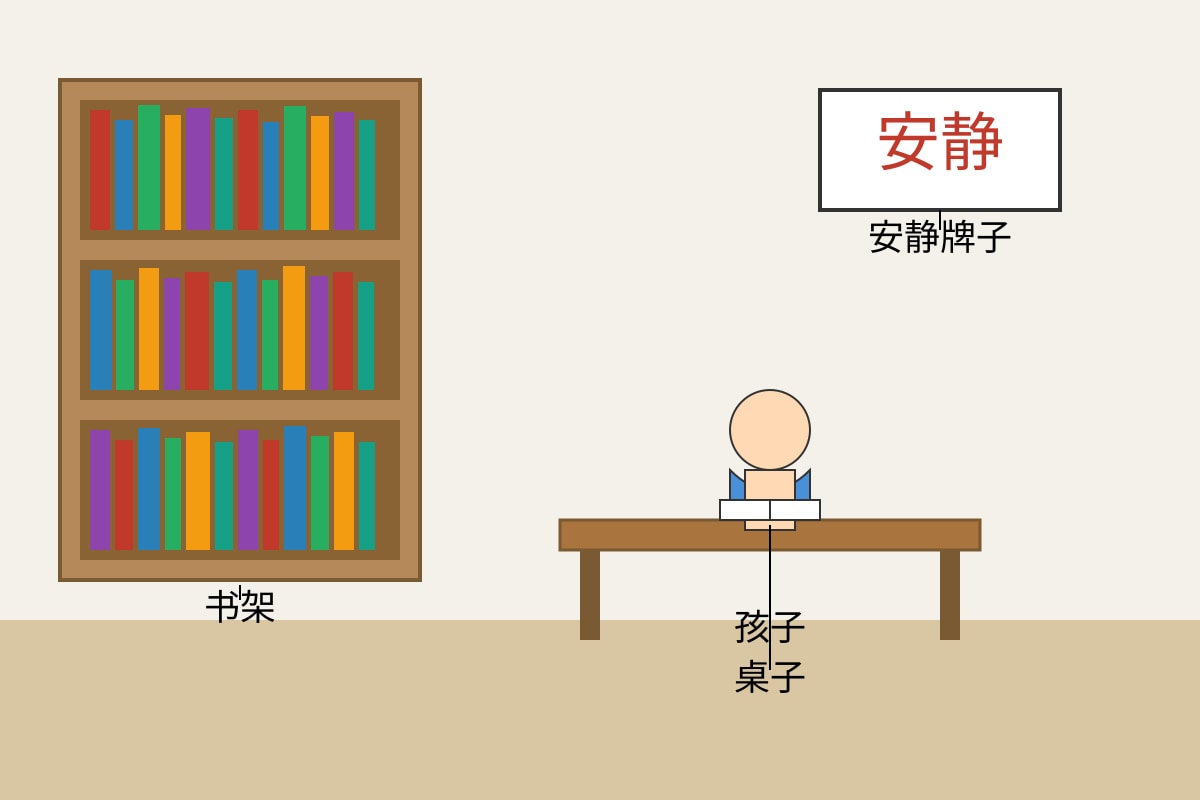
Answer: 我们应该安静,因为别人在看书。
Marking: view (1) + reason from image (1).
19. (2 marks)
Answer: 同意,因为可以休息。 (or 不同意, 因为伤眼睛)
Marking: view (1) + reason (1).
20. (3 marks)
Answer: 带他去滨海湾花园,因为风景美,也能学植物。
Marking: place (1) + reason 1 (1) + reason 2 (1).