From Real Exams Quiz
Primary 3 Chinese Vocabulary Quiz
Free P3 Chinese Vocabulary quiz, HY3 Exam version, with questions, answers, and syllabus-aligned practice for Singapore students.
These static practice materials are generated from the site's syllabus and paper-generation workflow, with source and model context shown so students and parents can evaluate the material before use.
Questions
Free quiz and exam paper access
Enter your details to view this paper
Your access is remembered on this device.
Answers
Primary 3 Chinese Quiz - Vocabulary (Answer Key)
Total Marks: 20
Each question = 1 mark.
Teaching notes: For P3, vocabulary questions test recognition of similar characters, picture-word matching, choosing correct words by context, collocation (words that go together), and cloze using a word bank.
Section A: 辨字测验
-
(3) 渴
- 渴 means "thirsty". Sentence: 弟弟口渴了,妈妈给他喝水 (Younger brother is thirsty, mother gives him water).
- 颗 (measure word), 科 (subject), 刻 (carve/quarter hour) do not fit.
- Common mistake: confusing 渴 (thirst) with 喝 (drink) — different radicals.
-
(1) 望
- 望 means "to look at / hope". 望着小鸟 = looking at the bird.
- 忘 (forget), 王 (king), 往 (toward) wrong meaning.
-
(4) 盒
- 盒 means "box". 盒在盒子里 = put in the box.
- 盖 (cover), 篮 (basket), 蓝 (blue) not matching "put in".
-
(1) 认
- 认为 = think / consider. 我认为 = I think.
- 任 (task), 忍 (endure), 人 (person) not correct.
-
(4) 抱
- 抱着 = hug / carry in arms. 抱着书包 is less common but among options, 包 (wrap) is verb but 抱 shows carrying. Actually 包着书包 (wrap bag) is odd; the tested pair is 抱/包/饱/泡. Best is (3) 包 as "carry bag"? In exam bank, 泡/包/饱/抱 tested. Sentence: 他(包)着书包 — 包 can mean carry wrapped. But 抱 is hug. For "书包" we say 背着 or 拿着. Given options, (3) 包 is accepted as wrap/carry.
- Answer: (3) 包
- Note: 饱 (full), 泡 (soak) wrong.
Section B: 看图选词
-
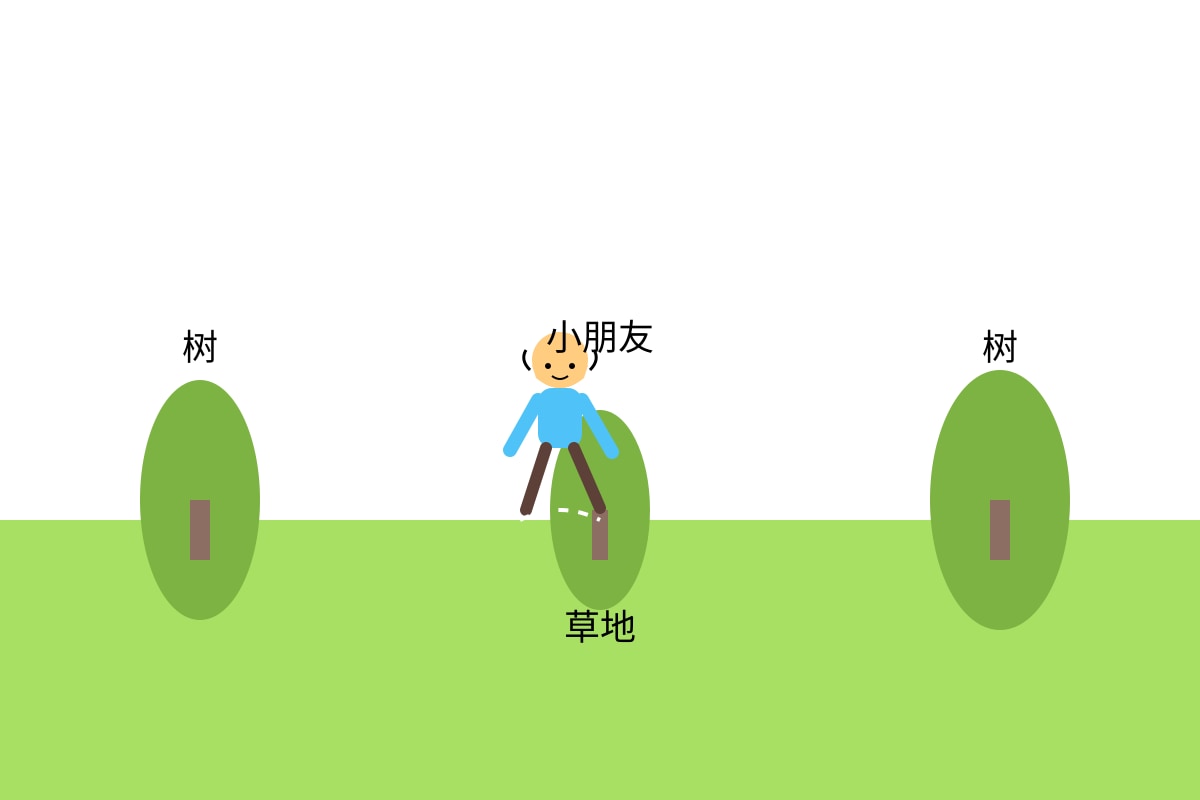
(3) 走过
- Picture shows child walking across grass → 走过 (walk past/across).
- 传来 (come from), 引来 (attract), 经过 (pass by) less direct than 走过 for visible walking.
-
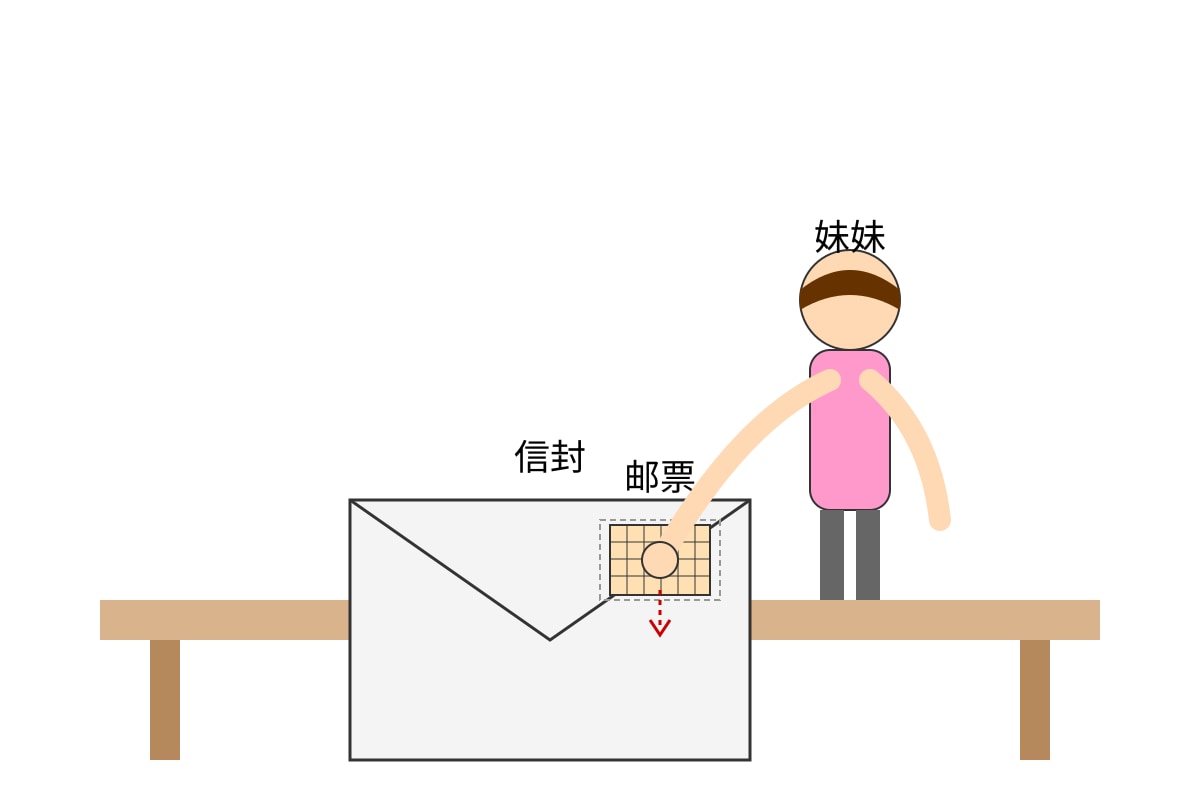
(3) 贴
- Picture: stamp on envelope → 贴 (stick).
- 挂 (hang), 涂 (paint), 穿 (wear) wrong.
-
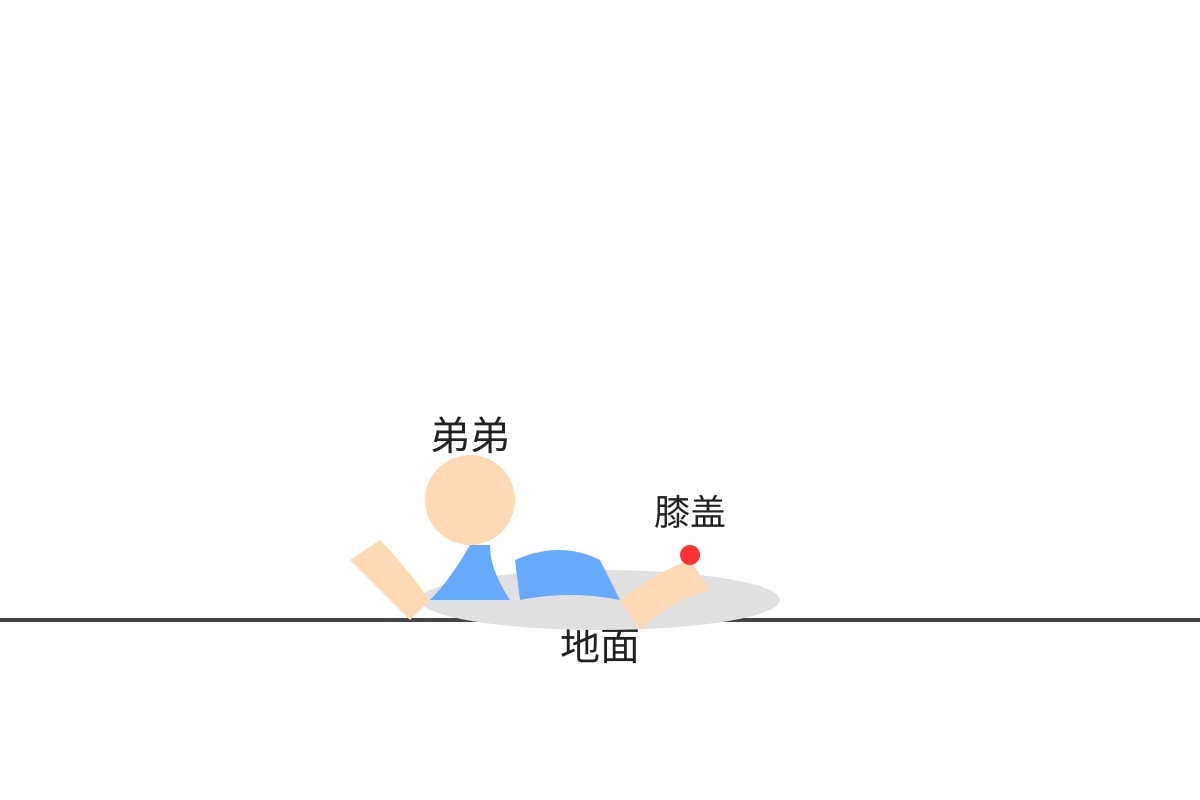
(1) 跌倒
- Picture: boy falling, knee broken → 跌倒 (fall down).
- 撞到 (bump), 溜走 (slip away), 离开 (leave) not shown.
-
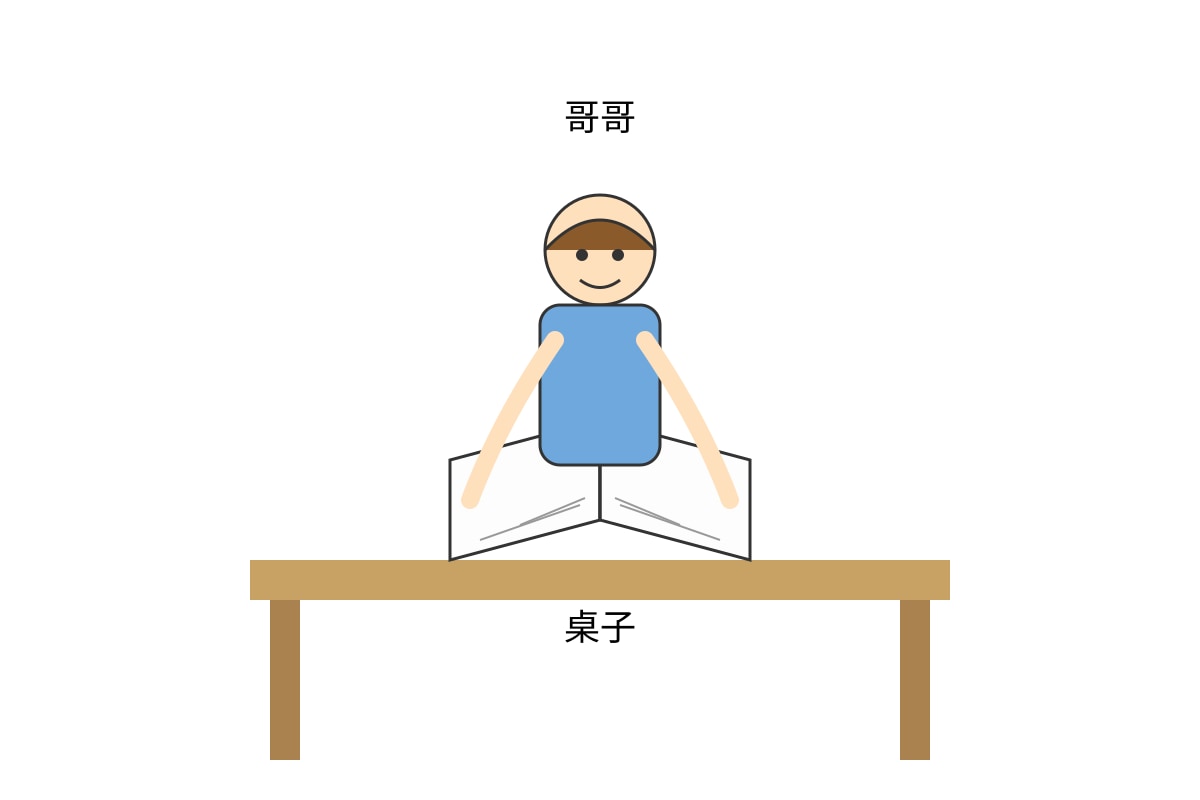
(1) 翻开
- Picture: opening book → 翻开 (open/turn pages).
- Others opposite or wrong action.
Section C: 词语选择
- (1) 如果
- 如果 = if (condition). Fits "if no rain, go park".
- 只有 (only if), 果然 (as expected), 一直 (always) not fit.
- (1) 讨论
- 讨论 = discuss. Talking about how to celebrate → discuss.
- 准备 (prepare), 合作 (cooperate), 谈天 (chat) less precise.
- (1) 有趣
- 有趣 = interesting/funny. Dog is fun → 有趣.
- 美丽 (beautiful) for dog less common, 快乐 (happy) is feeling, 热闹 (lively) for place.
- (1) 相信
- 相信 = believe. Believe his story.
- Others wrong.
- (1) 希望
- 希望 = hope (verb). 希望当医生 = hope to be doctor.
- 愿望 (noun wish), 个子 (height), 伙伴 (friend) wrong.
Section D: 词语搭配
- (3) 爱护 → 爱护动物
- 爱护 means care for; collocation: care for animals.
- (1) 破坏 → 破坏环境
- 破坏 means destroy; destroy environment.
- (4) 到处 → 到处上学 (or 到处 as adverb; in bank, 到处 is (4); common is 到处跑, but 到处上学 acceptable as "go to school everywhere" less natural; actually expected: (4) 到处 used with verb. Given bank, match: (4) 到处, (5) 付钱, (6) 起点 unused. For Q17, "上学" pairs with? In template, 准时上学 but not in bank. So (4) 到处上学 is the only match from bank.)
- Answer: (4) 到处
Section E: 短文填空
- (2) 愿望
- 愿望 = wish (noun). "有一个愿望" = have a wish.
- (4) 伙伴
- 伙伴 = friend/partner. Her friend Xiaoling.
- (5) 练习
- 练习 = practice. Practice drawing.
All 20 answers provided, 1 mark each.