AI Generated Quiz
Primary 2 Tamil Vocabulary Quiz
Free P2 Tamil Vocabulary quiz, Kimi2.6 AI version, with questions, answers, and syllabus-aligned practice for Singapore students.
These static practice materials are generated from the site's syllabus and paper-generation workflow, with source and model context shown so students and parents can evaluate the material before use.
Questions
Free quiz and exam paper access
Enter your details to view this paper
Your access is remembered on this device.
Answers
Primary 2 Tamil Quiz - Vocabulary: Answer Key
Total Marks: 20
Section A: Picture Vocabulary (Questions 1–5)
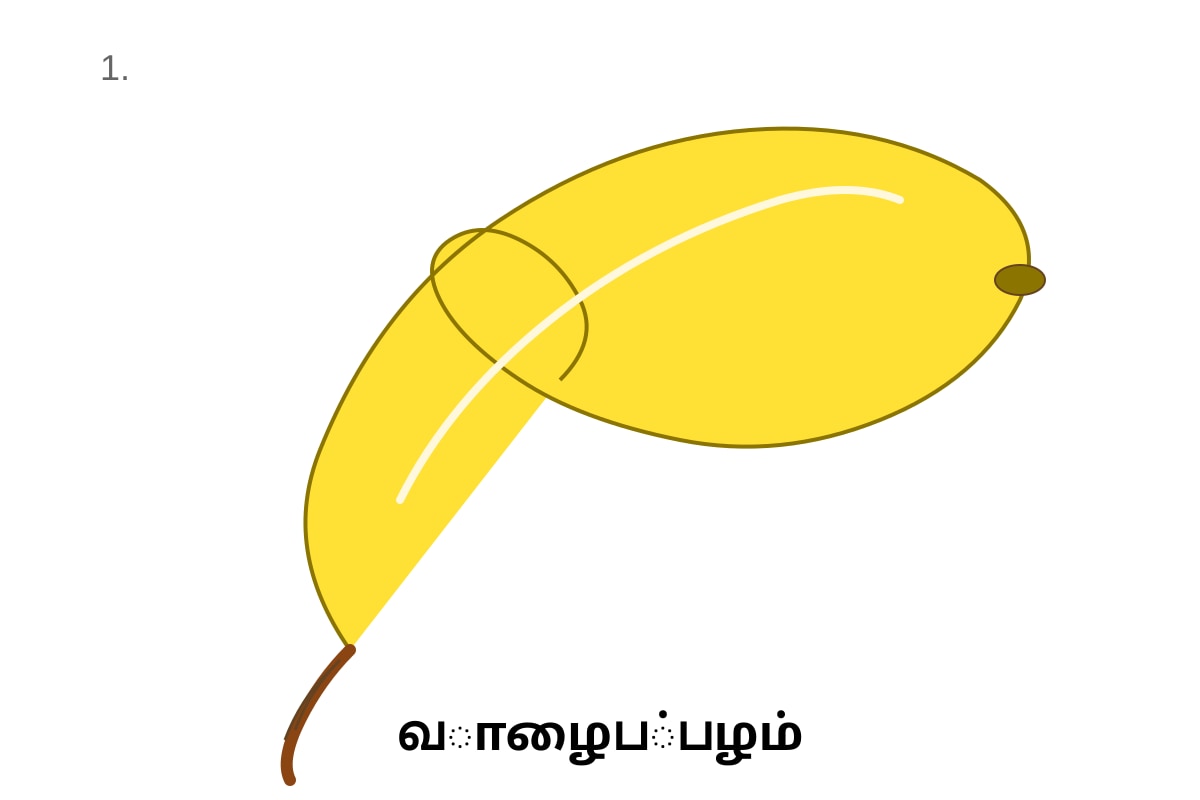
1. Answer: (B) வாழைப்பழம் [1 mark]
- Explanation: The picture shows a banana (வாழைப்பழம்), which is a curved yellow fruit.
- Why other answers are wrong:
- (A) மாம்பழம் = mango (oval shape, not curved like banana)
- (C) திராட்சை = grapes (small round fruits in bunches)
- (D) ஆப்பிள் = apple (round fruit, not curved)
- Teaching note: வாழை means plantain/banana tree; வாழைப்பழம் is the banana fruit. The curved shape distinguishes it from other fruits.
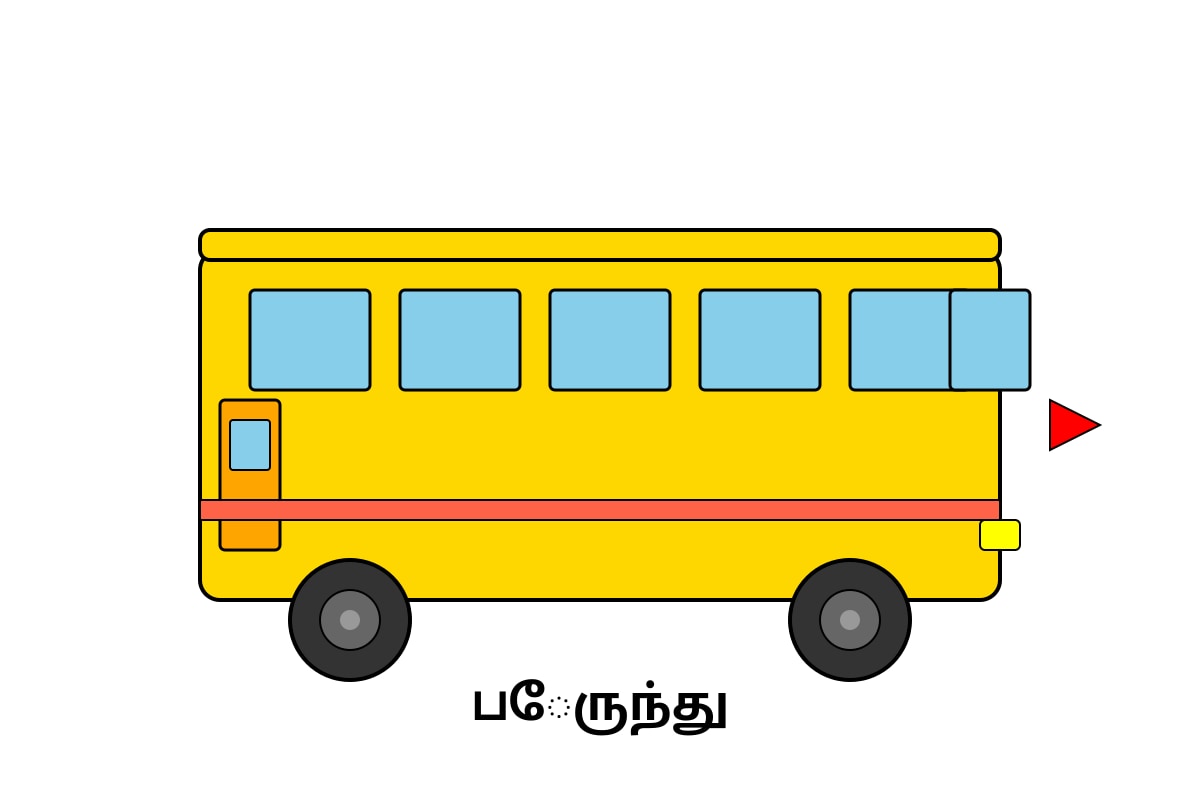
2. Answer: (C) பேருந்து [1 mark]
- Explanation: The picture shows a bus (பேருந்து), a large vehicle that carries many passengers.
- Why other answers are wrong:
- (A) கார் = car (smaller private vehicle)
- (B) வானம் = sky (not a vehicle)
- (D) மோட்டார் சைக்கிள் = motorcycle (two-wheeler, much smaller)
- Teaching note: பேர் means many people; பேருந்து is a public vehicle. Notice the multiple windows showing seats for many passengers.
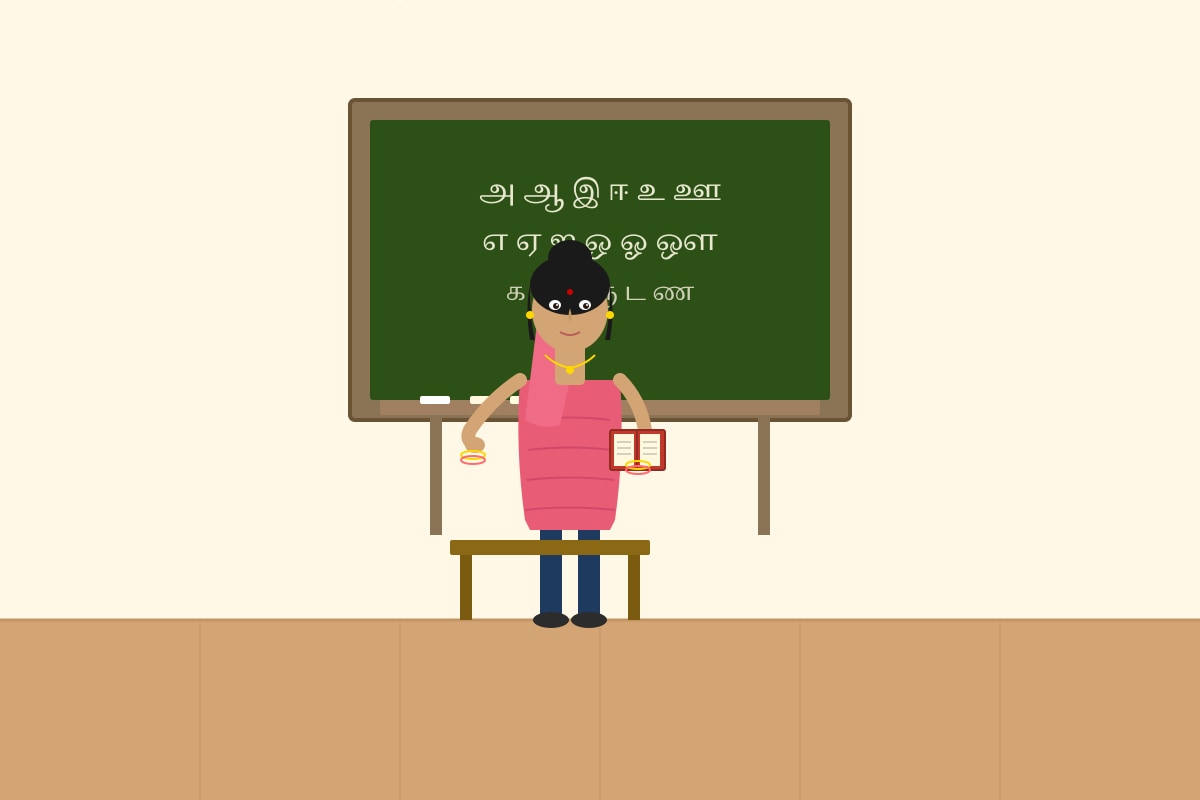
3. Answer: (C) ஆசிரியர் [1 mark]
- Explanation: The picture shows a teacher (ஆசிரியர்), an adult who teaches students in school.
- Why other answers are wrong:
- (A) மாணவன் = student (the person learning, not teaching)
- (B) நண்பன் = friend (peer, not in teaching role)
- (D) தந்தை = father (family member, not necessarily a teacher)
- Teaching note: ஆசிரி means teaching; ஆசிரியர் is the teacher. The blackboard and book are clues for this profession.
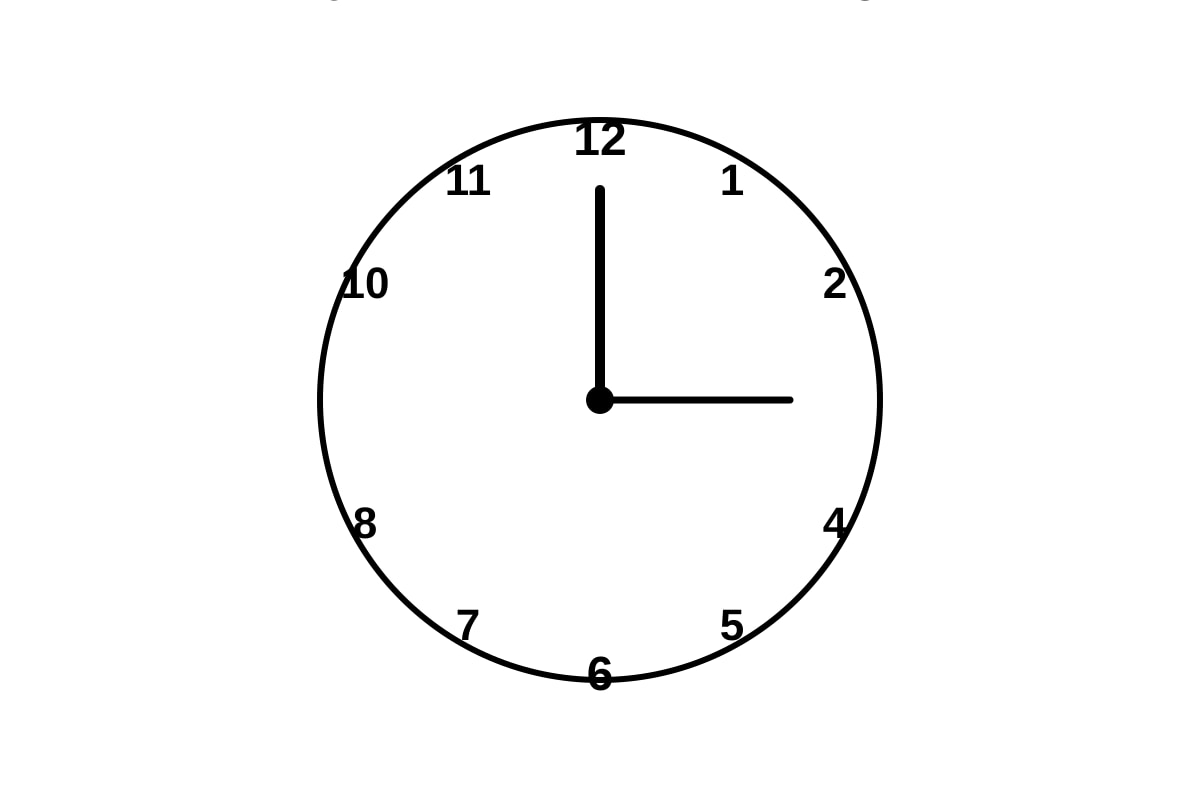
4. Answer: (B) கடிகாரம் [1 mark]
- Explanation: The picture shows a clock (கடிகாரம்) that tells time with hour and minute hands.
- Why other answers are wrong:
- (A) காலண்டர் = calendar (shows dates, not time with hands)
- (C) தொலைபேசி = telephone (communication device)
- (D) கணினி = computer (electronic device for work/games)
- Teaching note: கடி means hour/time; கடிகாரம் shows hours and minutes. The round face with two hands pointing to 3:00 is the key feature.
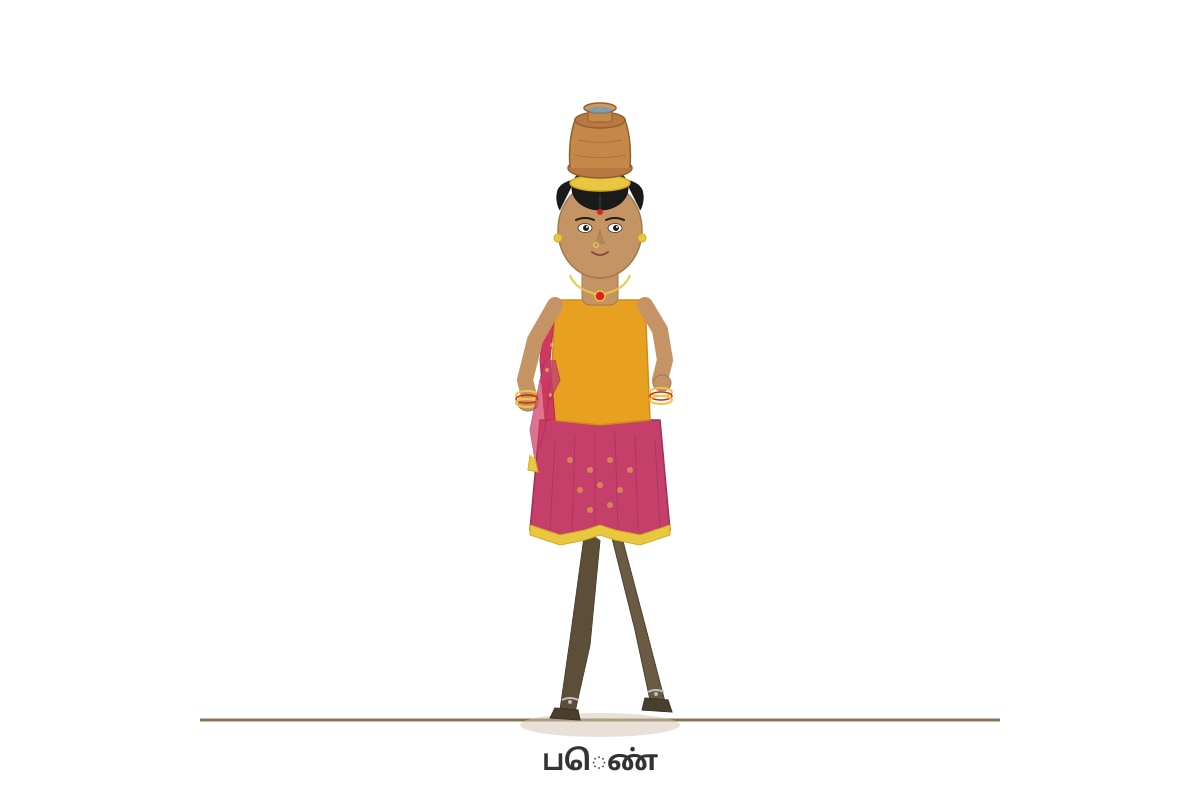
5. Answer: (A) பெண் [1 mark]
- Explanation: The picture shows a woman (பெண்), an adult female person.
- Why other answers are wrong:
- (B) சிறுமி = girl (young female child, not adult)
- (C) முதியவள் = old woman (specifically elderly, picture shows general adult)
- (D) குழந்தை = baby/child (too young, picture shows adult)
- Teaching note: பெண் is the general term for woman/female. The adult size and traditional carrying posture indicate this is a grown woman performing a daily task.
Section B: Matching Meanings (Questions 6–10)
6. Answer: (B) விரும்பு [1 mark]
- Explanation: விரும்பு means "to like" or "to want." The correct answer is the same word since we need a similar meaning.
- Why other answers are wrong:
- (A) வெறு = dry/empty (different meaning, homophone risk — note the different first letter: வெ vs வி)
- (C) same as A
- (D) பார் = see/look (different action entirely)
- Teaching note: விரும்பு comes from விருப்பு (desire/wish). Be careful: வெறு (dry) looks similar but starts with different vowel sound.
7. Answer: (B) சிறிய [1 mark]
- Explanation: சிறிய means "small" or "little." The correct answer is the same word since we need a similar meaning.
- Why other answers are wrong:
- (A) பெரிய = big (opposite meaning)
- (C) நீளமான = long (describes length, not size)
- (D) குறுகிய = narrow (describes width, not general smallness)
- Teaching note: சிறு = small; சிறிய = small (adjective form). This is a fundamental size descriptor in Tamil.
8. Answer: (B) வேகமாக [1 mark]
- Explanation: வேகமாக means "quickly" or "fast." The correct answer is the same word.
- Why other answers are wrong:
- (A) மெதுவாக = slowly (opposite meaning)
- (C) படிப்படியாக = step by step (methodical, not fast)
- (D) இனிமையாக = sweetly/pleasantly (describes taste or manner, not speed)
- Teaching note: வேகம் = speed; வேகமாக = with speed. The -ஆக ending makes it an adverb describing how an action is done.
9. Answer: (A) அழகான [1 mark]
- Explanation: அழகான means "beautiful" or "pretty." The correct answer is the same word.
- Why other answers are wrong:
- (B) வெறுப்பான = disgusting/hateful (opposite emotional reaction)
- (C) கோழையான = cowardly (describes character, not appearance)
- (D) கடுமையான = harsh/severe (describes intensity, not beauty)
- Teaching note: அழகு = beauty; அழகான = beautiful. The -ஆன ending makes it an adjective describing a noun.
10. Answer: (B) புதிய [1 mark]
- Explanation: புதிய means "new." The correct answer is the same word.
- Why other answers are wrong:
- (A) பழைய = old (opposite meaning)
- (C) கிழமை = day of the week (completely different word, though sounds somewhat similar)
- (D) வீணான = useless/wasted (negative quality, not temporal)
- Teaching note: புது = new; புதிய = new (adjective form). Common pair: புதிய/பழைய (new/old) used for objects, clothes, books, etc.
Section C: Opposite Words (Questions 11–15)
11. Answer: (B) கீழே [1 mark]
- Explanation: மேலே means "above" or "up"; கீழே means "below" or "down." These are vertical opposites.
- Why other answers are wrong:
- (A) அருகில் = near (proximity, not vertical position)
- (C) முன்னால் = in front (horizontal position)
- (D) பின்னால் = behind (horizontal position)
- Teaching note: மேல் = top; மேலே = at the top. கீழ் = bottom; கீழே = at the bottom. These are essential spatial descriptors.
12. Answer: (A) குளிர் [1 mark]
- Explanation: வெப்பம் means "heat" or "hot"; குளிர் means "cold." These are temperature opposites.
- Why other answers are wrong:
- (B) நீர் = water (not a temperature)
- (C) காற்று = wind/air (not a temperature)
- (D) தீ = fire (creates heat, not opposite)
- Teaching note: வெப்பம் = heat; குளிர் = cold. In Tamil climate discussions, வெயில் (sun/heat) vs மழைக்காலம் (rainy season/cold) use this opposition.
13. Answer: (B) தோல்வி [1 mark]
- Explanation: வெற்றி means "victory" or "success"; தோல்வி means "defeat" or "failure." These are outcome opposites.
- Why other answers are wrong:
- (A) போர் = war (context of conflict, not opposite)
- (C) போட்டி = competition (setting where victory/defeat occur)
- (D) முயற்சி = effort/trying (process, not outcome)
- Teaching note: வெற்றி comes from வெல் = to win. தோல்வி comes from தோல் = to be defeated. Common in sports and exam contexts.
14. Answer: (C) எளிது [1 mark]
- Explanation: கடினம் means "hard" or "difficult"; எளிது means "easy." These are difficulty opposites.
- Why other answers are wrong:
- (A) இனிப்பு = sweet (taste, not difficulty)
- (B) மென்மை = softness (physical texture, though can metaphorically mean gentle)
- (D) வலுவு = strength (Intensity, not difficulty)
- Teaching note: கடினம் = hard (effort-intensive); எளிது = easy (effort-light). Common descriptors for schoolwork: கடினமான பாடம் (difficult lesson), எளிதான வினா (easy question).
15. Answer: (C) பகைவன் [1 mark]
- Explanation: நண்பன் means "friend"; பகைவன் means "enemy." These are relationship opposites.
- Why other answers are wrong:
- (A) சகோதரன் = brother (family relation, positive like friend)
- (B) அயல் = neighbor (proximity relation, neutral)
- (D) தோழி = female friend (same category, not opposite)
- Teaching note: நண்பன் = male friend; தோழி = female friend. பகை = enmity; பகைவன் = enemy. Important moral vocabulary in Tamil stories.
Section D: Fill in the Blank (Questions 16–18)
16. Answer: (B) சமைத்து [1 mark]
- Explanation: The sentence reads: "Amma is __________ in the kitchen." சமைத்து = cooking (from சமை = to cook).
- Complete sentence: அம்மா சமையலறையில் சமைத்து செய்கிறாள். (Amma is cooking in the kitchen.)
- Why other answers are wrong:
- (A) படித்து = studying (done in study room, not kitchen)
- (C) பேசி = talking (can happen anywhere, but not specific kitchen activity)
- (D) ஓடி = running (physical activity, not kitchen-specific)
- Teaching note: சமையலறை = kitchen (cook-room); சமை = cook. The vocabulary connection: room name and activity share the root சமை.
17. Answer: (C) இருட்டாக [1 mark]
- Explanation: The sentence reads: "When it rains, the sky becomes __________." இருட்டாக = dark.
- Complete sentence: மழை பெய்யும் போது வானம் இருட்டாக இருக்கும். (When it rains, the sky becomes dark.)
- Why other answers are wrong:
- (A) வெள்ளையாக = white (clouds are white, but sky becomes dark with rain clouds)
- (B) நீலமாக = blue (normal clear sky color)
- (D) பச்சையாக = green (not a sky color)
- Teaching note: இருட்டு = darkness; இருட்டாக = darkly/becoming dark. Rain clouds (மழை மேகங்கள்) cover the sun, making the sky dark before and during rain.
18. Answer: (A) புத்தகம் [1 mark]
- Explanation: The sentence reads: "The student goes to school with __________." புத்தகம் = book.
- Complete sentence: மாணவன் பள்ளிக்கு புத்தகம் செல்கிறான். (The student goes to school with a book.)
- Grammar note: Actually more natural Tamil would be புத்தகத்துடன் (with book) or புத்தகங்களுடன், but Primary 2 students learn simple object-verb patterns.
- Why other answers are wrong:
- (B) காலணி = footwear (worn, not carried to school in this construction)
- (C) பை = bag (possible, but less core vocabulary; books are essential)
- (D) வண்டி = vehicle (transportation method, not carried item)
- Teaching note: புத்தகம் = book; பள்ளி = school. The association is fundamental. Students carry புத்தகங்கள் (books) in their பை (bag).
Section E: Word Categories (Questions 19–20)
19. Answer: (D) மீன் [1 mark]
- Explanation: நாய் (dog), பூனை (cat), and மாடு (cow) are all land animals with four legs. மீன் (fish) lives in water and has no legs.
- Why others belong together:
- நாய் = domestic pet/land animal
- பூனை = domestic pet/land animal
- மாடு = farm animal/land animal
- Teaching note: மீன் = fish; நீர் = water. The classification is by habitat: வாழ்விடம் (habitat). மீன் = நீர்வாழ் விலங்கு (water-living animal); others = நிலவாழ் விலங்கு (land-living animal).
20. Answer: (D) சாக்கடை [1 mark]
- Explanation: மஞ்சள் (yellow), நீலம் (blue), and சிவப்பு (red) are all colors (நிறங்கள்). சாக்கடை (drain/sewer) is not a color.
- Why others belong together:
- மஞ்சள் = primary/secondary color
- நீலம் = primary color
- சிவப்பு = primary color
- Teaching note: சாக்கடை = drainage channel (சாக்கு = refuse + அடை = holding place). This tests attention: students must recognize that though all words are nouns, only three share the category "colors."
Total: 20 marks
Common errors to watch for:
- Confusing similar-looking words (விரும்பு/வெறு)
- Mixing up opposites when rushing (remember: opposite means "not this")
- Category questions: don't just check if it's a noun—check the specific category