AI Generated Quiz
Primary 2 Mathematics Fractions Quiz
Free P2 Maths Fractions quiz, AI version, with questions, answers, and syllabus-aligned practice for Singapore students.
These static practice materials are generated from the site's syllabus and paper-generation workflow, with source and model context shown so students and parents can evaluate the material before use.
Questions
Free quiz and exam paper access
Enter your details to view this paper
Your access is remembered on this device.
Answers
Primary 2 Mathematics Quiz - Fractions (Answer Key)
Name: _________________________ Class: _________________________ Date: _________________________ Score: ________ / 20
Section A: Shade the Correct Part (Questions 1 - 5)
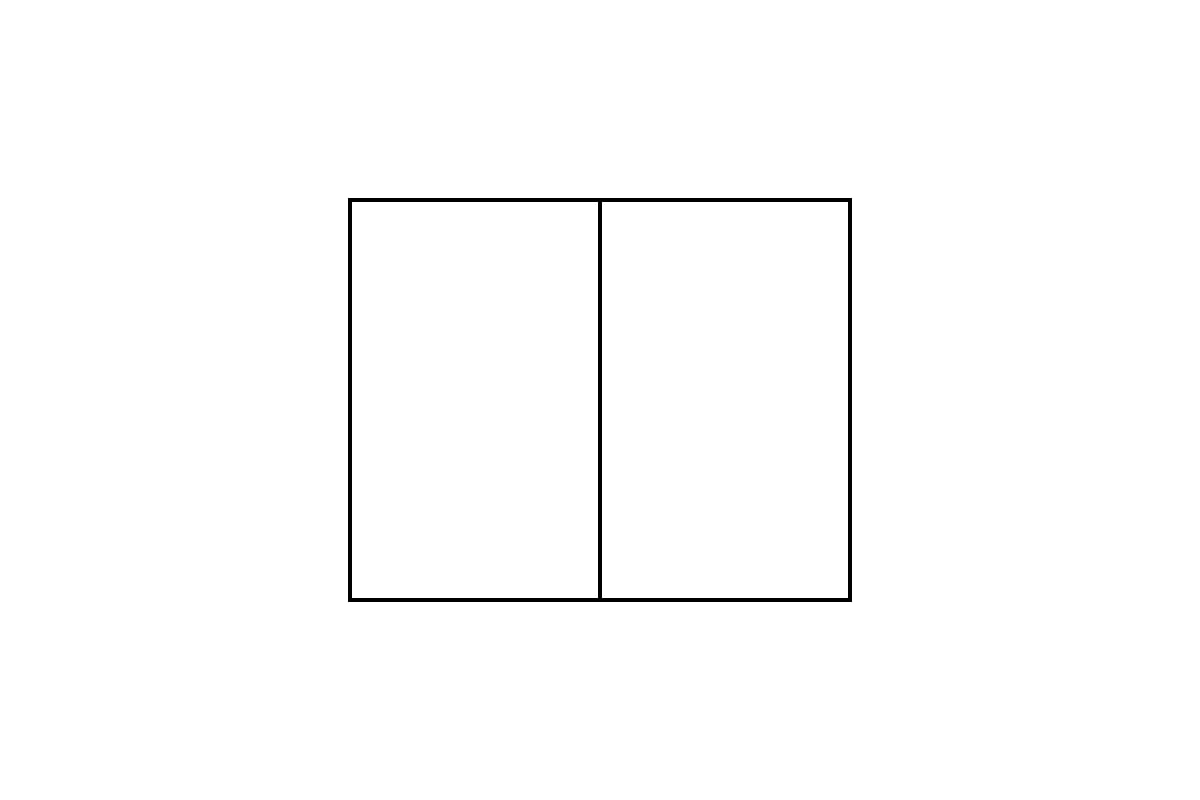
1. Shade 1 part.
- Explanation: The rectangle is divided into 2 equal parts. means 1 part out of 2 equal parts. So, we shade 1 part.
- Marking: 1 mark for the correct number.
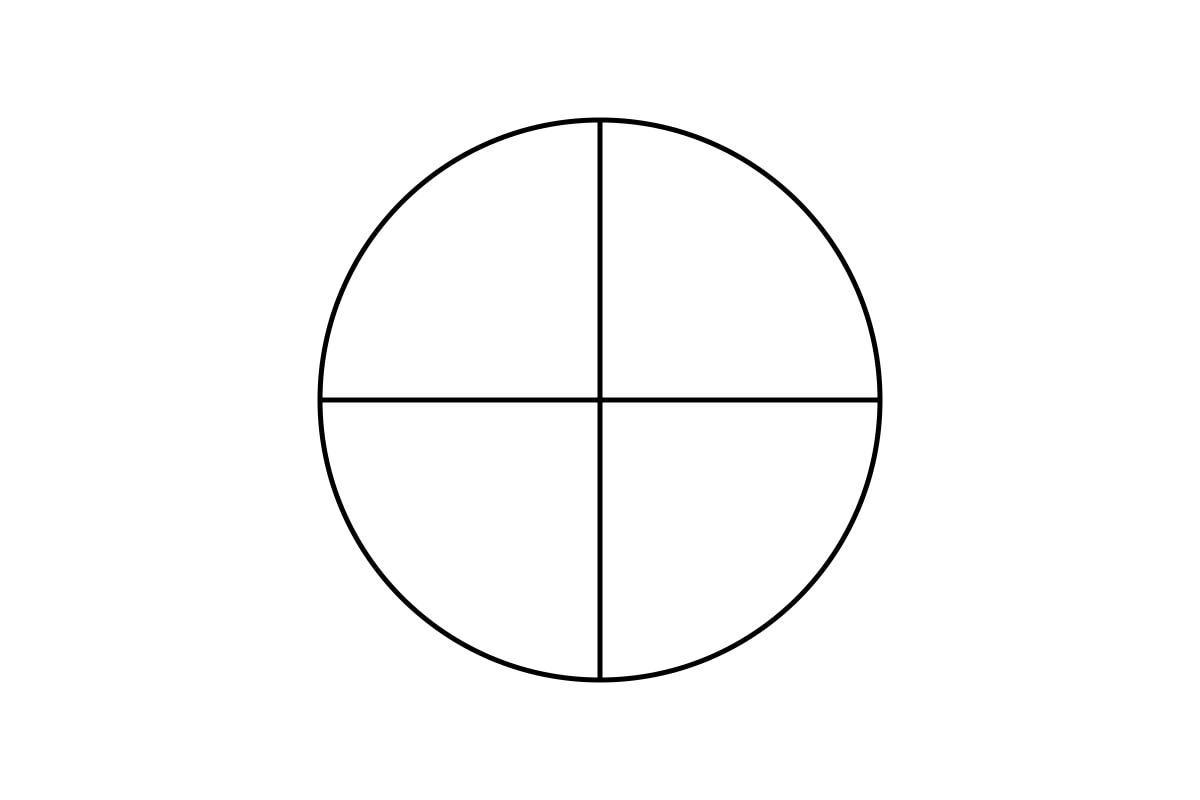
2. Shade 1 part.
- Explanation: The circle is divided into 4 equal parts. means 1 part out of 4 equal parts. So, we shade 1 part.
- Marking: 1 mark for the correct number.
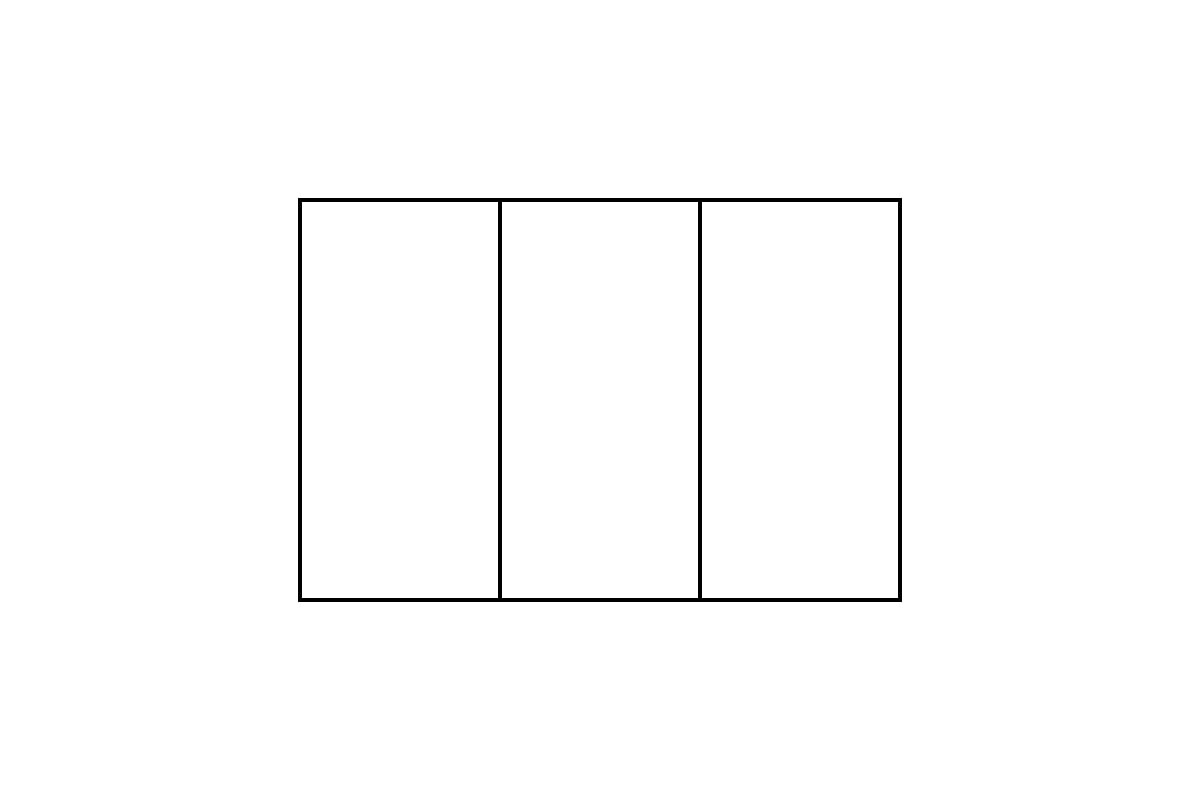
3. Shade 2 parts.
- Explanation: The rectangle is divided into 3 equal parts. The numerator is 2, so we shade 2 parts out of the 3 equal parts.
- Marking: 1 mark for the correct number.
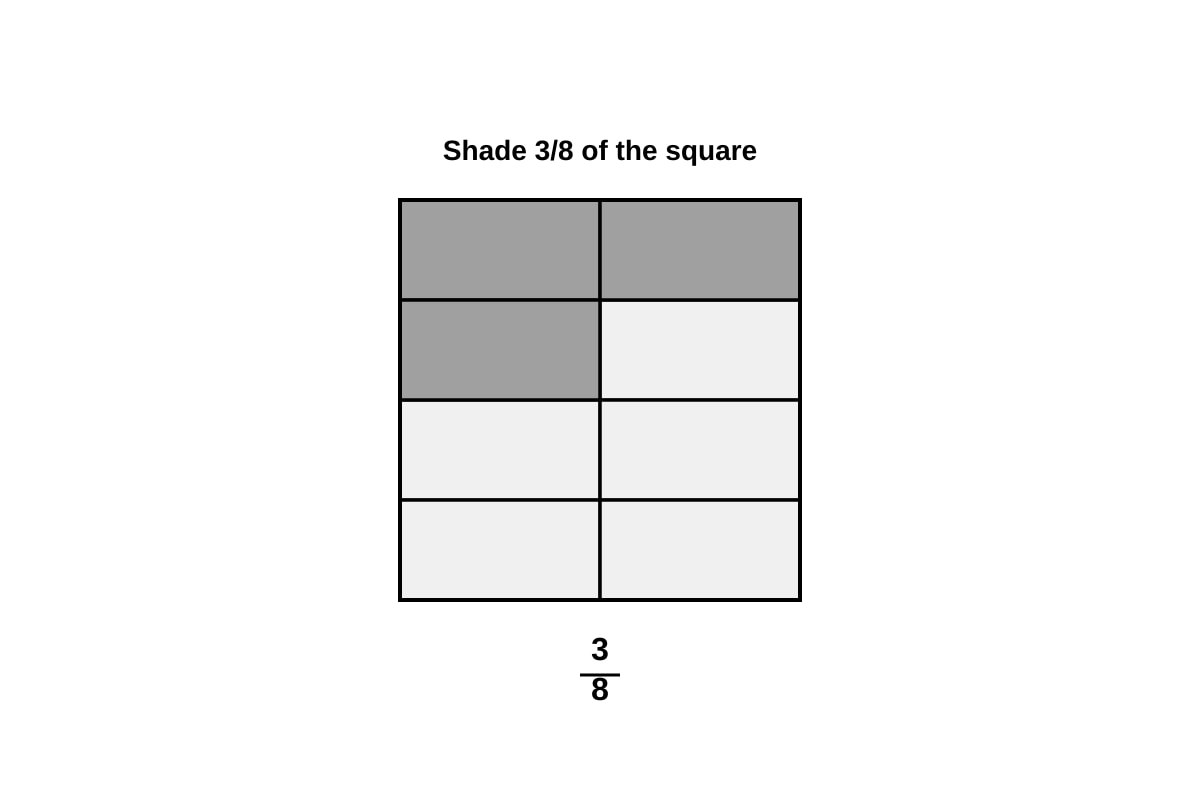
4. Shade 3 parts.
- Explanation: The square is divided into 8 equal parts. The numerator is 3, so we shade 3 parts out of the 8 equal parts.
- Marking: 1 mark for the correct number.
5. Shade 5 parts.
- Explanation: The rectangle is divided into 6 equal parts. The numerator is 5, so we shade 5 parts out of the 6 equal parts.
- Marking: 1 mark for the correct number.
Section B: Write the Fraction (Questions 6 - 10)
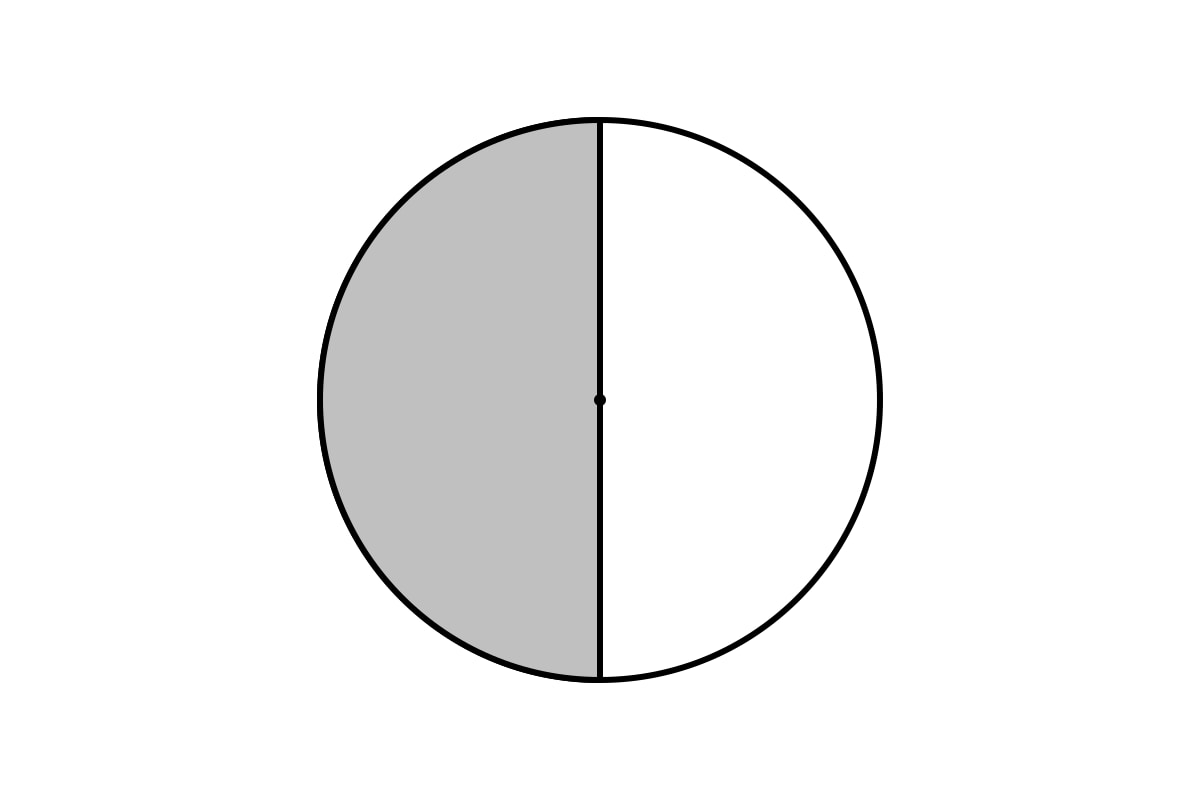
6. Answer:
- Explanation: The circle is divided into 2 equal parts. 1 part is shaded. The fraction is shaded parts / total equal parts = .
- Marking: 1 mark for the correct fraction.
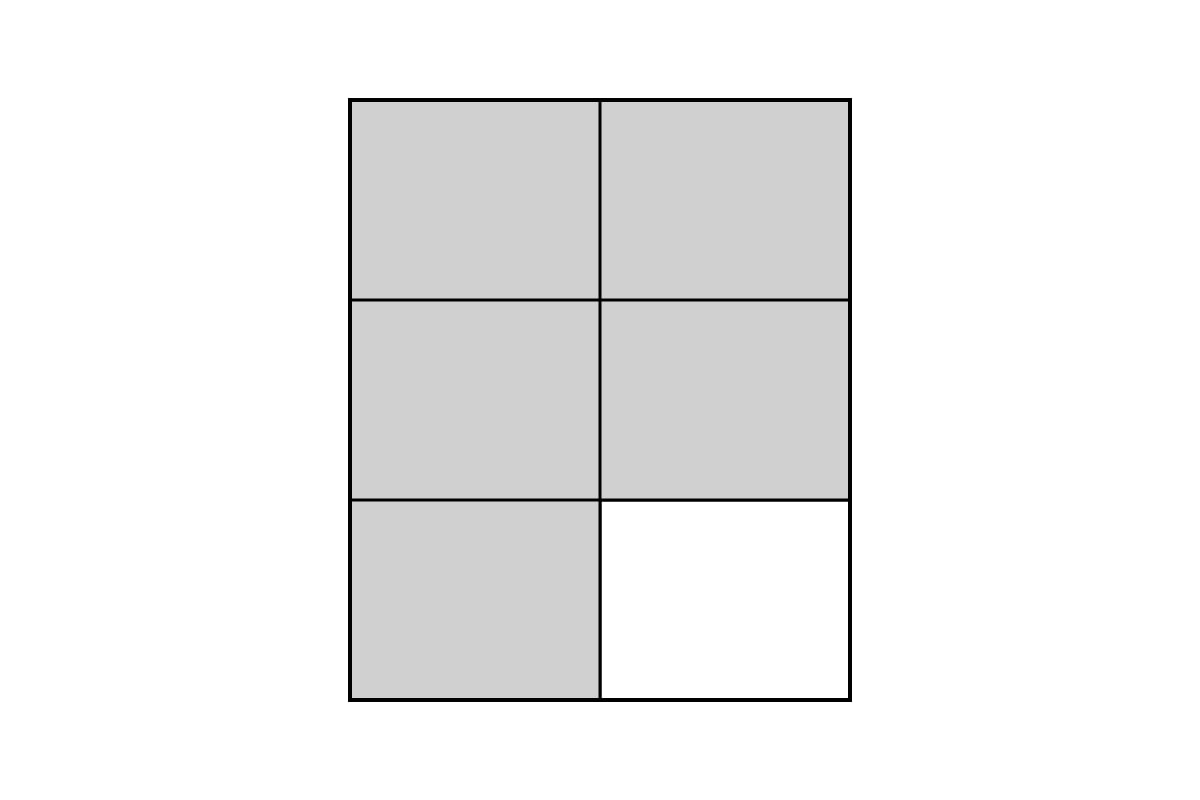
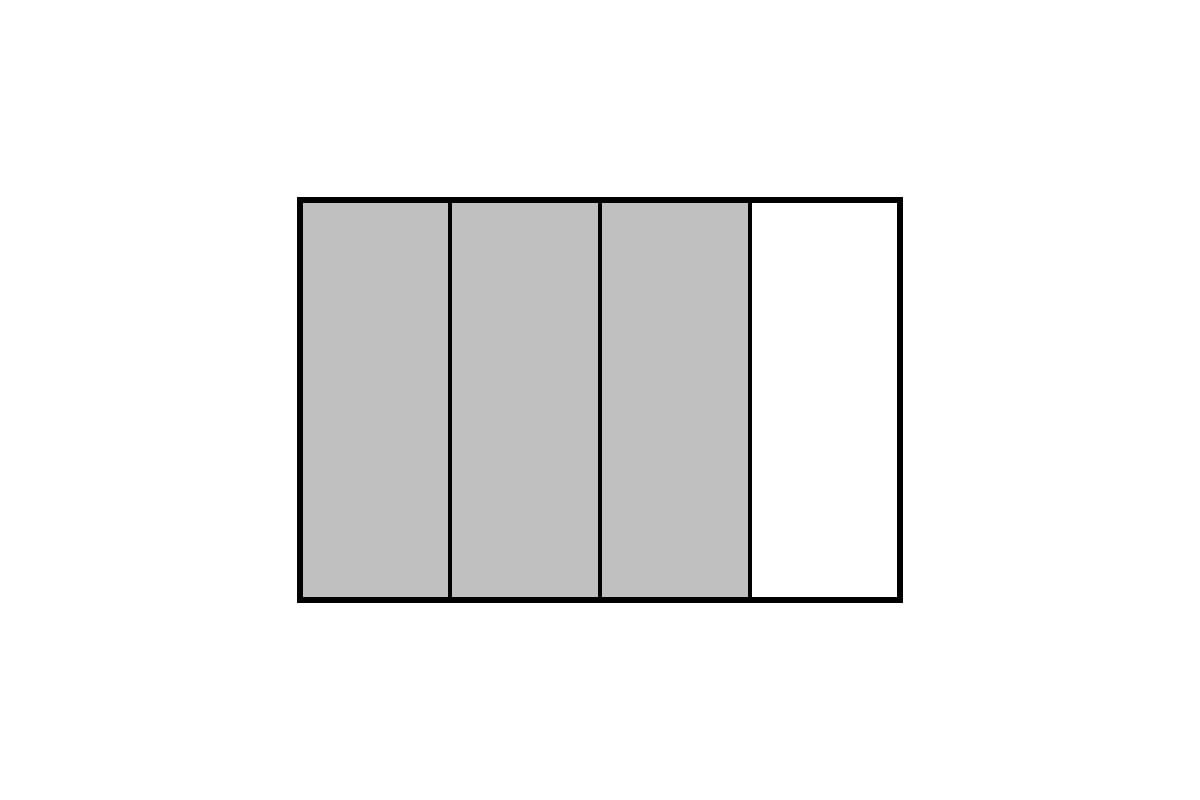
7. Answer:
- Explanation: The rectangle is divided into 4 equal parts. 3 parts are shaded. The fraction is .
- Marking: 1 mark for the correct fraction.
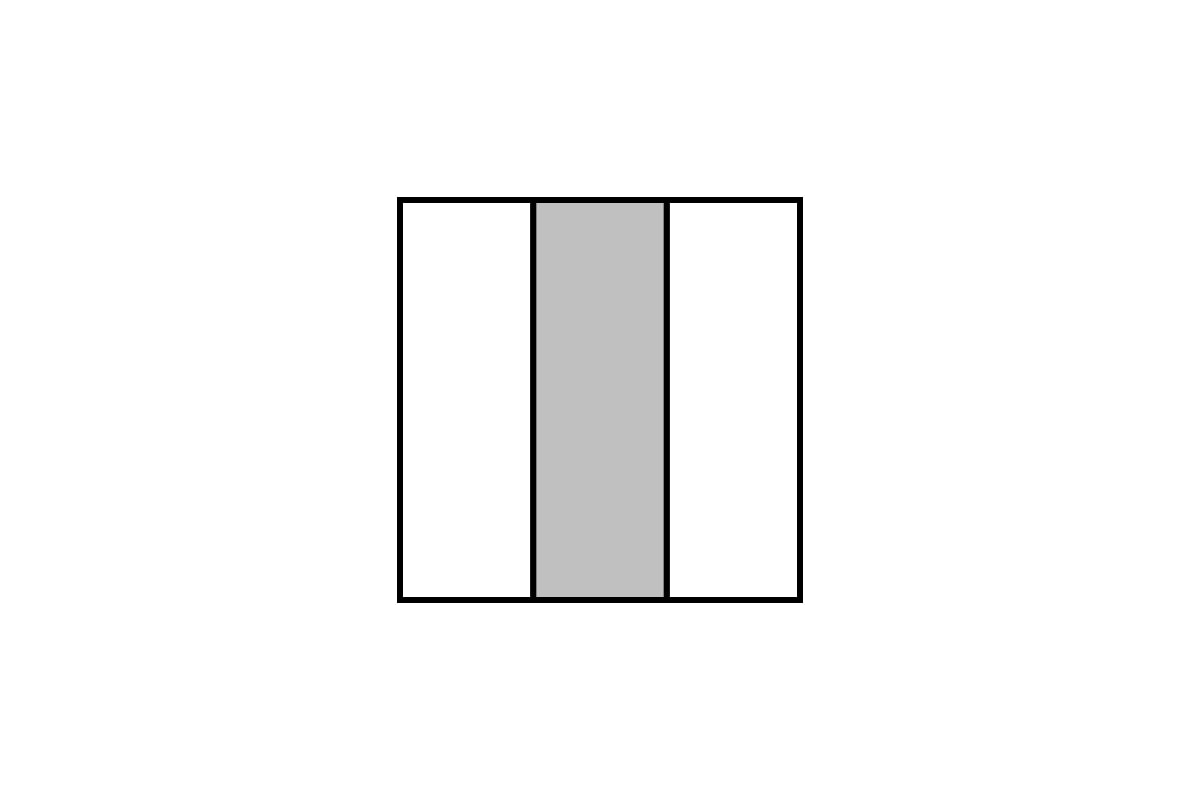
8. Answer:
- Explanation: The square is divided into 3 equal parts. 1 part is shaded. The fraction is .
- Marking: 1 mark for the correct fraction.
9. Answer:
- Explanation: The rectangle is divided into 8 equal parts. 2 parts are shaded. The fraction is .
- Marking: 1 mark for the correct fraction.
10. Answer:
- Explanation: The circle is divided into 6 equal parts. 4 parts are shaded. The fraction is .
- Marking: 1 mark for the correct fraction.
Section C: Comparing and Ordering Fractions (Questions 11 - 15)
11. Answer:
- Explanation: When comparing unit fractions (fractions with 1 as the numerator), the fraction with the smaller denominator is the bigger fraction. This is because the whole is divided into fewer parts, so each part is larger. is bigger than .
- Marking: 1 mark for the correct answer.
12. Answer:
- Explanation: When comparing unit fractions, the fraction with the bigger denominator is the smaller fraction. This is because the whole is divided into more parts, so each part is smaller. is smaller than .
- Marking: 1 mark for the correct answer.
13. Answer: , ,
- Explanation: All are unit fractions. The bigger the denominator, the smaller the fraction. So, from smallest to biggest: (smallest), then , then (biggest).
- Marking: 1 mark for the correct order.
14. Answer:
- Explanation: These are like fractions (same denominator). To compare, we look at the numerator. The biggest numerator is 5, so is the biggest.
- Marking: 1 mark for the correct answer.
15. Answer: , ,
- Explanation: These are like fractions (same denominator). To order from biggest to smallest, we look at the numerators from biggest to smallest: 5, then 4, then 2.
- Marking: 1 mark for the correct order.
Section D: Adding and Subtracting Fractions (Questions 16 - 20)
16. Answer:
- Working:
- Explanation: When adding like fractions (same denominator), we add only the numerators. The denominator stays the same.
- Marking: 1 mark for the correct answer.
17. Answer:
- Working:
- Explanation: Add the numerators (3 + 4 = 7). The denominator stays the same (8).
- Marking: 1 mark for the correct answer.
18. Answer:
- Working:
- Explanation: When subtracting like fractions, we subtract only the numerators. The denominator stays the same.
- Marking: 1 mark for the correct answer.
19. Answer:
- Explanation: The pizza is cut into 5 equal slices, so the denominator is 5. Tom eats 2 slices, so the numerator is 2. The fraction of the pizza Tom eats is .
- Marking: 1 mark for the correct fraction.
20. Answer:
- Working:
- Explanation: The ribbon is cut into 10 equal pieces, so the whole ribbon is . Mary uses 3 pieces, so we subtract from the whole. . So, of the ribbon is left.
- Marking: 1 mark for the correct fraction.
END OF ANSWER KEY