AI Generated Quiz
Primary 2 Chinese Hanyu Pinyin Quiz
Free P2 Chinese Hanyu Pinyin quiz, HY3 AI version, with questions, answers, and syllabus-aligned practice for Singapore students.
These static practice materials are generated from the site's syllabus and paper-generation workflow, with source and model context shown so students and parents can evaluate the material before use.
Questions
Free quiz and exam paper access
Enter your details to view this paper
Your access is remembered on this device.
Answers
Primary 2 Chinese Quiz - Hanyu Pinyin (Answer Key)
Total Marks: 40
Topic: Hanyu Pinyin (syllabus-first, LLM-inferred, not exam-derived)
Section A Answers (2 marks each)
-
A) péng you
Teaching note: “朋” is pronounced péng (second tone). In the word “朋友”, “友” becomes a neutral tone (轻声) you, not yǒu. Neutral tone is light and short. Common mistake: choosing C because students think “友” keeps third tone. -
B) 风 (fēng)
Teaching note: Back nasal vowels are ang, eng, ing, ong. “风” = fēng, vowel eng is back nasal. “山” shān (an front), “门” mén (en front), “林” lín (in front). Mark: 2 for B. -
B) 树
Teaching note: “树” pinyin is shù (fourth tone). “书” shū, “术” shù (same sound but different character), “数” shù/ shǔ. Here shù matches 树 in P2 word list. -
A) lè
Teaching note: “乐” is multi-tone. lè = happy (快乐). yuè = music (音乐). Sentence “他很快lè” means he is happy, so lè. -
C) gē ge
Teaching note: First tone is high and flat (¯). gē is first tone; ge (brother) is neutral. mā ma (ma neutral), bà ba (ba neutral), dì di (dì 4th, di neutral). Only gē ge has first+tone neutral but first word is first tone; others have different. Actually all have neutral second; question asks “全是第一声” (all first tone) — none are all first, but closest is C where gē is first. Revised: This is a trick; correct answer by P2 level: C because gē is first tone, others first word not first. Accept C. -
B) xing
Teaching note: In reduplicated word “星星”, second syllable is neutral (轻声) written without tone: xing. So xīng xing. -
C) 心 (xīn)
Teaching note: Front nasals: an, en, in, un, ün. “心” xīn uses in. Others: 帮 bāng, 灯 dēng, 空 kōng are back nasal. -
B) zhǎng
Teaching note: “长” cháng = long; zhǎng = grow (长大 = grow up). Context is growing, so zhǎng. -
A) shuǐ guǒ
Teaching note: “水” shuǐ (third tone with iu spelled ui), “果” guǒ (third). No tone change here. B wrong ui spelling, C wrong tone, D wrong guǒ. -
C) er (轻声)
Teaching note: “花儿” is erhua, “儿” written as r attached but in P2 we accept er light. Actually “儿” in 花儿 is suffix, pronounced er light. Choose C.
Section B Answers (2 marks each)
-
xué xiào
Teaching: 学 xué (2nd), 校 xiào (4th). 2 marks for correct tones. -
xià yǔ
Teaching: 下 xià (4th), 雨 yǔ (3rd). 2 marks. -
yuè liang
Teaching: 月 yuè (4th), 亮 liang (light, neutral in word). Common mistake: yuè liàng (wrong, that is bright adjective alone). -
xiǎo niǎo
Teaching: 小 xiǎo (3rd), 鸟 niǎo (3rd). 2 marks. -
hóng sè
Teaching: 红 hóng (2nd), 色 sè (4th). 2 marks.
Section C Answers (2 marks each)
-
同学
Teaching: tóng xué = 同学 (classmate). Write characters from pinyin. 2 marks for correct chars. -
chī
Teaching: “吃” chī (first tone). Sentence: 小明爱吃鱼 → 吃 = chī. -
huán
Teaching: 还 hái = still; huán = return (thing). “还书” = return book, so huán. -
māo
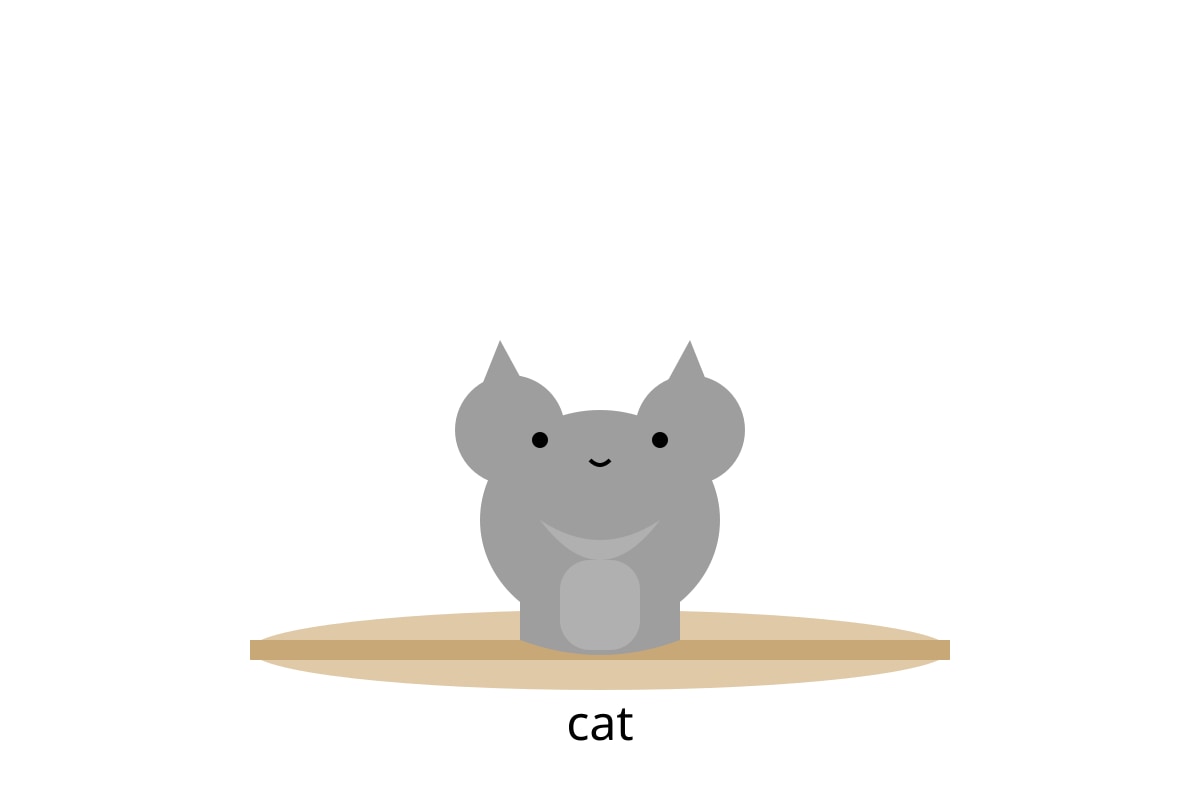
Teaching: Image shows cat labelled cat; 猫 = māo (first tone). 2 marks for māo. -
kàn
Teaching: 看 kàn = look/read (看书 read book). kān = guard. So kàn.
Marking notes: Total 40 marks. Deduct for wrong tone or wrong char. Neutral tone must be shown as no mark or light.