AI Generated Quiz
Primary 2 Chinese Hanyu Pinyin Quiz
Free P2 Chinese Hanyu Pinyin quiz, AI version, with questions, answers, and syllabus-aligned practice for Singapore students.
These static practice materials are generated from the site's syllabus and paper-generation workflow, with source and model context shown so students and parents can evaluate the material before use.
Questions
Free quiz and exam paper access
Enter your details to view this paper
Your access is remembered on this device.
Answers
Primary 2 Chinese Quiz - Hanyu Pinyin (Answer Key)
Total Marks: 40
Section A: Pinyin Basics (Questions 1-5, 10 marks)
Q1. (2 marks) Answer: A) shū
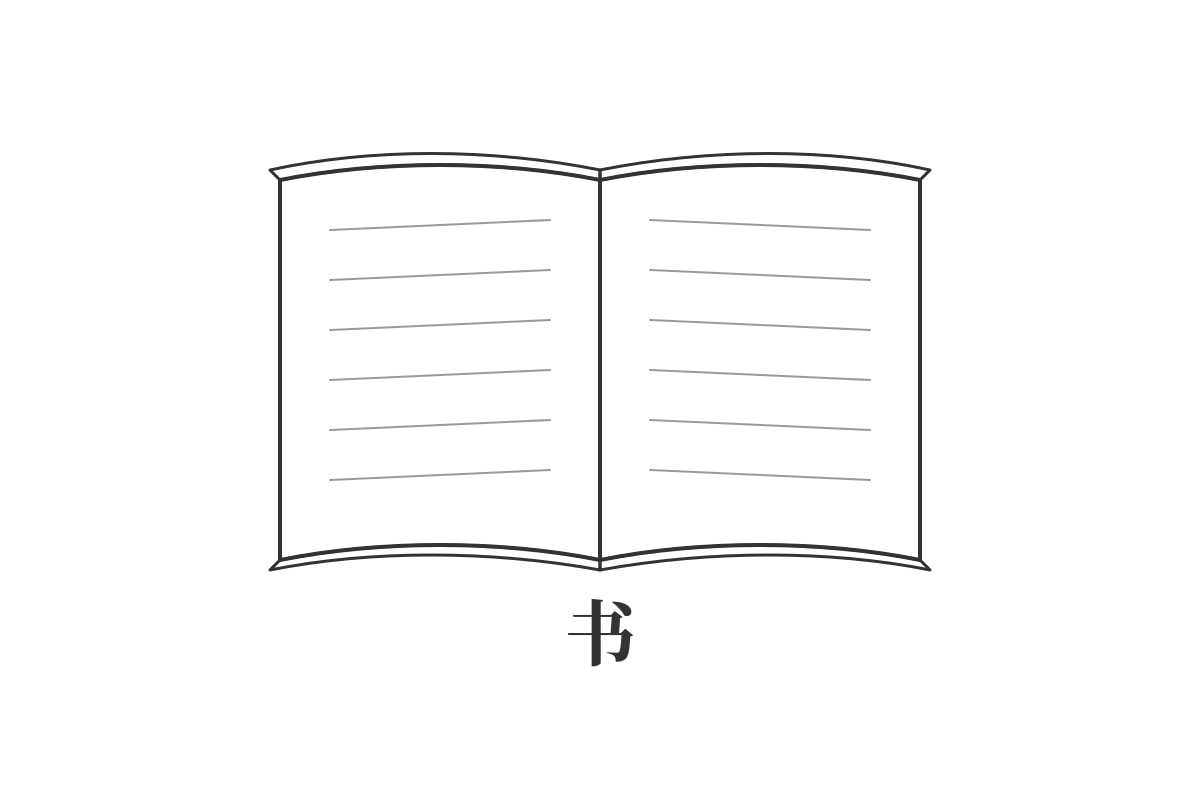
- Explanation: The picture shows a book. The pinyin for "书" (book) is "shū" with a first tone (¯). Option B "shù" is a fourth tone (ˋ) and means "树" (tree). Option C "shǔ" is a third tone (ˇ) and means "数" (to count). Option D "shú" is a second tone (ˊ) and means "熟" (ripe/cooked). The correct pinyin for "书" is shū.
- Marking: 1 mark for correct answer, 1 mark for understanding the tone.
Q2. (2 marks) Answer: A) 猫
- Explanation: The pinyin "māo" with a first tone (¯) corresponds to the character "猫" (cat). Option B "马" is "mǎ" (third tone). Option C "毛" is "máo" (second tone). Option D "帽" is "mào" (fourth tone). The correct match is "猫" (māo).
- Marking: 2 marks for correct answer.
Q3. (2 marks) Answer: péng you
- Explanation: The word "朋友" (friend) is pronounced "péng you". "朋" has a second tone (ˊ) and is pronounced "péng". "友" in this word is pronounced with a neutral tone (轻声, qīng shēng), which means it is said lightly and without a tone mark. The pinyin is written as "péng you" without a tone mark on "you".
- Marking: 1 mark for correct pinyin "péng", 1 mark for correct neutral tone "you". Common mistake: writing "péng yǒu" with a third tone on "友". In the word "朋友", "友" is a neutral tone.
Q4. (2 marks) Answer: A) 电话
- Explanation: The pinyin "diànhuà" (fourth tone + fourth tone) means "电话" (telephone). Option B "电脑" is "diànnǎo". Option C "电视" is "diànshì". Option D "电灯" is "diàndēng". The correct match is "电话".
- Marking: 2 marks for correct answer.
Q5. (2 marks) Answer: A) 写字
- Explanation: The pinyin "xiě zì" (third tone + fourth tone) means "写字" (to write characters). "写" (xiě) means "to write", and "字" (zì) means "character". Option B "洗澡" is "xǐ zǎo". Option C "谢谢" is "xiè xie". Option D "下雨" is "xià yǔ". The correct match is "写字".
- Marking: 2 marks for correct answer.
Section B: Tones and Sounds (Questions 6-10, 10 marks)
Q6. (2 marks) Answer: A) mā ma
- Explanation: The word "妈妈" (mum) is pronounced "mā ma". The first character "妈" has a first tone (¯) and is pronounced "mā". The second character "妈" in this word is a neutral tone (轻声), so it is written without a tone mark as "ma". Option A "mā ma" is correct. Option B "má ma" would be "麻" (hemp). Option C "mǎ ma" would be "马" (horse). Option D "mà ma" would be "骂" (to scold).
- Marking: 2 marks for correct answer. Common mistake: writing "mā mā" with two first tones. The second character in "妈妈" is a neutral tone.
Q7. (2 marks) Answer: A) First tone and fourth tone
- Explanation: The word "吃饭" (chī fàn) has two characters. "吃" (chī) has a first tone (¯). "饭" (fàn) has a fourth tone (ˋ). So the tones are first tone and fourth tone.
- Marking: 2 marks for correct answer. Common mistake: confusing the tone of "饭" (fàn) with a third tone.
Q8. (2 marks) Answer: B) 好 (hǎo)
- Explanation: A third tone (ˇ) is a dipping tone that goes down and then up. The character "好" (hǎo) has a third tone. Option A "书" (shū) has a first tone (¯). Option C "看" (kàn) has a fourth tone (ˋ). Option D "飞" (fēi) has a first tone (¯). The correct answer is "好" (hǎo).
- Marking: 2 marks for correct answer.
Q9. (2 marks) Answer: A) 绿色
- Explanation: The pinyin "lǜ sè" (fourth tone + fourth tone) means "绿色" (green colour). "绿" (lǜ) means "green", and "色" (sè) means "colour". Option B "蓝色" is "lán sè". Option C "红色" is "hóng sè". Option D "黄色" is "huáng sè". The correct match is "绿色".
- Marking: 2 marks for correct answer. Common mistake: confusing "lǜ" with "lù" (路, road).
Q10. (2 marks) Answer: A) 学校
- Explanation: The pinyin "xué xiào" (second tone + fourth tone) means "学校" (school). "学" (xué) means "to learn", and "校" (xiào) means "school". Option B "学生" is "xué shēng". Option C "学习" is "xué xí". Option D "学问" is "xué wèn". The correct match is "学校".
- Marking: 2 marks for correct answer.
Section C: Pinyin and Characters (Questions 11-15, 10 marks)
Q11. (2 marks) Answer: 1-B, 2-A, 3-D, 4-C
- Explanation:
-
- "dà" (fourth tone) matches "大" (big) → B
-
- "xiǎo" (third tone) matches "小" (small) → A
-
- "shàng" (fourth tone) matches "上" (up/above) → D
-
- "xià" (fourth tone) matches "下" (down/below) → C
-
- Marking: 0.5 marks for each correct match (2 marks total).
Q12. (2 marks) Answer: A) tài yáng
- Explanation: The word "太阳" (sun) is pronounced "tài yáng". "太" (tài) has a fourth tone (ˋ). "阳" (yáng) has a second tone (ˊ). Option A "tài yáng" is correct. Option B "tài yǎng" has a third tone on "阳", which is wrong. Option C "tái yáng" has a second tone on "太", which is wrong. Option D "tài yàng" has a fourth tone on "阳", which is wrong.
- Marking: 2 marks for correct answer. Common mistake: confusing the tone of "阳" (yáng, second tone) with "养" (yǎng, third tone).
Q13. (2 marks) Answer: A) 花
- Explanation: The pinyin "huā" (first tone) corresponds to the character "花" (flower). Option B "画" is "huà" (fourth tone). Option C "话" is "huà" (fourth tone). Option D "化" is "huà" (fourth tone). The correct match is "花" (huā).
- Marking: 2 marks for correct answer.
Q14. (2 marks) Answer: xiǎo niǎo
- Explanation: The word "小鸟" (small bird) is pronounced "xiǎo niǎo". "小" (xiǎo) has a third tone (ˇ). "鸟" (niǎo) also has a third tone (ˇ). When two third tones are together, the first one changes to a second tone in speech, but in pinyin, it is still written as "xiǎo niǎo".
- Marking: 1 mark for correct pinyin "xiǎo", 1 mark for correct pinyin "niǎo". Common mistake: writing "xiǎo niǎo" with incorrect tones or forgetting the tone mark on "鸟".
Q15. (2 marks) Answer: A) 看见
- Explanation: The pinyin "kàn jiàn" (fourth tone + fourth tone) means "看见" (to see). "看" (kàn) means "to look", and "见" (jiàn) means "to see". Option B "看书" is "kàn shū". Option C "看病" is "kàn bìng". Option D "看门" is "kān mén" (with a first tone on "看"). The correct match is "看见".
- Marking: 2 marks for correct answer.
Section D: Pinyin in Sentences (Questions 16-20, 10 marks)
Q16. (2 marks) Answer: A) 我喜欢吃苹果。
- Explanation: The pinyin sentence "Wǒ xǐ huān chī píng guǒ" means "我喜欢吃苹果" (I like to eat apples). "我" (wǒ) means "I", "喜欢" (xǐ huān) means "like", "吃" (chī) means "to eat", and "苹果" (píng guǒ) means "apple". Option B "香蕉" is "xiāng jiāo". Option C "西瓜" is "xī guā". Option D "葡萄" is "pú tao". The correct match is "苹果".
- Marking: 2 marks for correct answer.
Q17. (2 marks) Answer: A) dú shū
- Explanation: The sentence "Tā zài ______ (读书)" means "He/She is reading a book". The pinyin for "读书" (dú shū) is "dú shū". "读" (dú) has a second tone (ˊ). "书" (shū) has a first tone (¯). Option A "dú shū" is correct. Option B "dǔ shū" has a third tone on "读", which is wrong. Option C "dù shū" has a fourth tone on "读", which is wrong. Option D "dú shú" has a second tone on "书", which is wrong.
- Marking: 2 marks for correct answer. Common mistake: confusing the tone of "读" (dú, second tone) with "堵" (dǔ, third tone).
Q18. (2 marks) Answer: A) Mā ma zài zuò fàn.
- Explanation: The sentence "妈妈在做饭" means "Mum is cooking". The correct pinyin is "Mā ma zài zuò fàn". "妈妈" (mā ma) has a first tone on the first character and a neutral tone on the second. "在" (zài) has a fourth tone. "做" (zuò) has a fourth tone. "饭" (fàn) has a fourth tone. Option A is correct. Option B has a second tone on "妈" (má), which is wrong. Option C has a third tone on "妈" (mǎ), which is wrong. Option D has a fourth tone on "妈" (mà), which is wrong.
- Marking: 2 marks for correct answer. Common mistake: writing "mā mā" with two first tones instead of "mā ma" with a neutral tone.
Q19. (2 marks) Answer: D) 星期天
- Explanation: The pinyin sentence "Jīn tiān shì xīng qī tiān" means "今天是星期天" (Today is Sunday). "今天" (jīn tiān) means "today", "是" (shì) means "is", and "星期天" (xīng qī tiān) means "Sunday". Option A "星期一" is "xīng qī yī" (Monday). Option B "星期二" is "xīng qī èr" (Tuesday). Option C "星期六" is "xīng qī liù" (Saturday). The correct match is "星期天" (Sunday).
- Marking: 2 marks for correct answer.
Q20. (2 marks) Answer: Dì di zài wán wán jù.
- Explanation: The sentence "弟弟在玩玩具" means "Younger brother is playing with toys". The pinyin is "Dì di zài wán wán jù". "弟弟" (dì di) has a fourth tone on the first character and a neutral tone on the second. "在" (zài) has a fourth tone. "玩" (wán) has a second tone. "玩具" (wán jù) has a second tone on "玩" and a fourth tone on "具".
- Marking: 1 mark for correct pinyin of "弟弟" (dì di), 1 mark for correct pinyin of "玩玩具" (wán wán jù). Common mistake: writing "dì dì" with two fourth tones instead of "dì di" with a neutral tone on the second character.
- End of Answer Key -