AI Generated Quiz
Primary 2 Chinese Hanyu Pinyin Quiz
Free P2 Chinese Hanyu Pinyin quiz, AI version, with questions, answers, and syllabus-aligned practice for Singapore students.
These static practice materials are generated from the site's syllabus and paper-generation workflow, with source and model context shown so students and parents can evaluate the material before use.
Questions
Free quiz and exam paper access
Enter your details to view this paper
Your access is remembered on this device.
Answers
Answer Key - Primary 2 Chinese Quiz - Hanyu Pinyin
Total Marks: 40
Section A: Pinyin Basics (Questions 1-5, 10 marks)
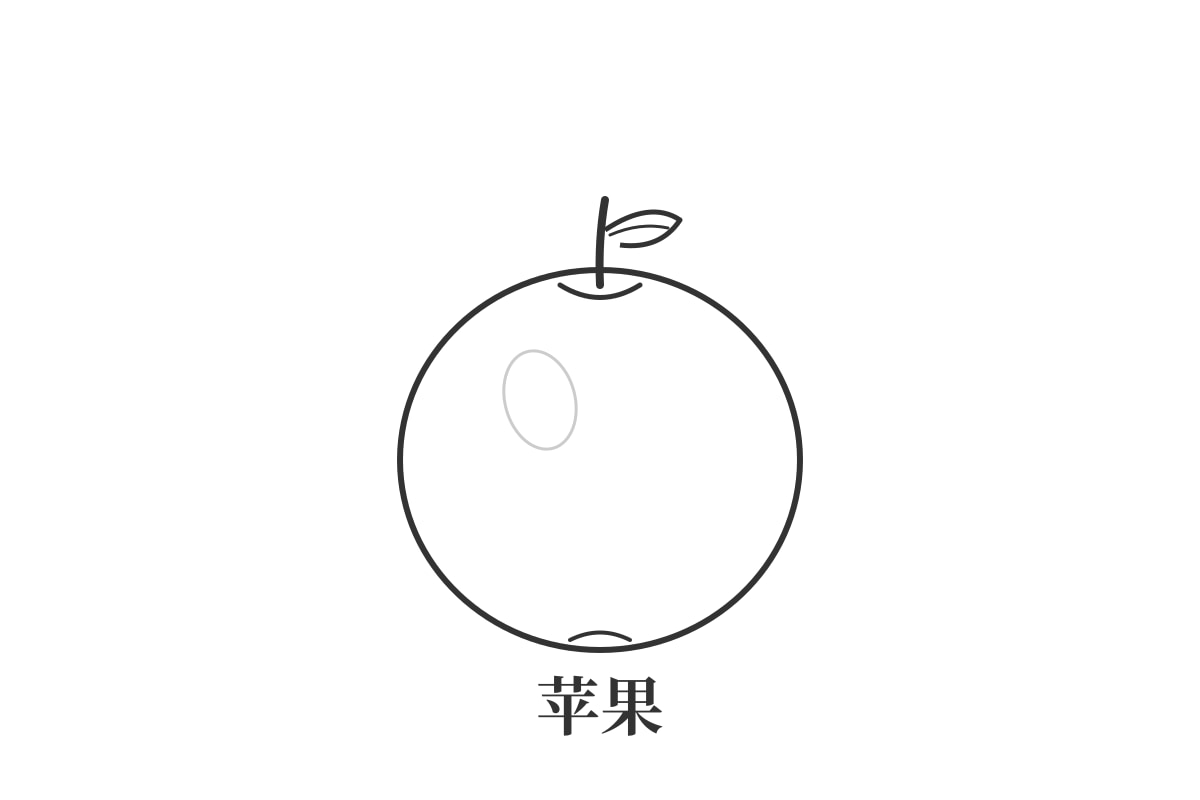
Q1. (2 marks) Answer: A) píng guǒ
Explanation:
- "苹" (apple) is pronounced "píng" with a second tone (rising tone).
- "果" (fruit) is pronounced "guǒ" with a third tone (dipping tone).
- Option B "pín guǒ" has the wrong tone for "苹" (it uses a second tone but with the wrong consonant).
- Option C "píng gǒu" has the wrong character for "果" (gǒu means dog).
- Option D "pín gǒu" has both errors.
Marking: 2 marks for correct answer. 1 mark if student shows partial understanding but circles a close option.
Q2. (2 marks) Answer: A) 妈妈 (mā ma)
Explanation:
- "妈妈" (mother) is correctly written as "mā ma" with the first tone on "妈" and the second "妈" in neutral tone (no tone mark).
- Option B "爸爸 (bà bà)" is incorrect because the second "爸" should be in neutral tone (bà ba).
- Option C "哥哥 (gē gē)" is incorrect because the second "哥" should be in neutral tone (gē ge).
- Option D "姐姐 (jiě jie)" is incorrect because the second "姐" should be in neutral tone (jiě jie).
Common Mistake: Students often forget that in family terms like 妈妈, 爸爸, 哥哥, 姐姐, the second character is pronounced in neutral tone (轻声).
Marking: 2 marks for correct answer.
Q3. (2 marks) Answer: 鱼 (yú)
Explanation:
- The pinyin "yú" with a second tone means "鱼" (fish).
- The sentence "小猫喜欢吃鱼" means "The kitten likes to eat fish."
- "鱼" is a common character that students learn in P2.
Marking: 2 marks for writing the correct character "鱼". 1 mark for writing the correct pinyin "yú" but not the character.
Q4. (2 marks) Answer: A) xué xiào
Explanation:
- "学校" (school) is pronounced "xué xiào".
- "学" has a second tone (xué).
- "校" has a fourth tone (xiào).
- Option B "xüé xiào" is incorrect because "ü" is not used after "x" (it becomes "u").
- Option C "xué xào" has the wrong tone for "校".
- Option D "xüé xào" has both errors.
Key Rule: When "ü" follows "j", "q", "x", or "y", the two dots are removed and it is written as "u" but still pronounced as "ü".
Marking: 2 marks for correct answer.
Q5. (2 marks) Answer: A) 老师 (teacher)
Explanation:
- "lǎo shī" with a third tone on "lǎo" and a first tone on "shī" means "老师" (teacher).
- "老" means old, and "师" means master/teacher.
- Option B "老诗" is not a common word.
- Option C "老狮" means old lion.
- Option D "老实" means honest, but its pinyin is "lǎo shi" (with neutral tone on "实").
Marking: 2 marks for correct answer.
Section B: Tones and Pronunciation (Questions 6-10, 10 marks)
Q6. (2 marks) Answer: A) 吃饭 (chī fàn)
Explanation:
- "吃饭" (to eat a meal) is correctly pronounced "chī fàn".
- "吃" has a first tone (high and level) - chī.
- "饭" has a fourth tone (falling) - fàn.
- Options B, C, and D all have incorrect tone marks.
Tone Review:
- First tone (¯): high and level - mā
- Second tone (´): rising - má
- Third tone (ˇ): dipping then rising - mǎ
- Fourth tone (ˋ): falling - mà
Marking: 2 marks for correct answer.
Q7. (2 marks) Answer: C) Third tone (mǎ)
Explanation:
- "马" (horse) is pronounced with a third tone, written as "mǎ".
- The third tone starts low, dips down, then rises up.
- It is represented by a caron (ˇ) above the vowel.
Tone Practice: Think of the third tone as saying "ma" with a questioning, dipping sound, like "ma...?" but with a rise at the end.
Marking: 2 marks for correct answer.
Q8. (2 marks) Answer: D) bà
Explanation:
- The fourth tone is represented by a grave accent (ˋ) above the vowel.
- "bà" has a fourth tone (falling tone).
- "bā" is first tone (high level).
- "bá" is second tone (rising).
- "bǎ" is third tone (dipping-rising).
Mnemonic: The fourth tone looks like it's falling down (ˋ), and the sound also falls sharply.
Marking: 2 marks for correct answer.
Q9. (2 marks) Answer: zhōng
Explanation:
- "我爱中国" means "I love China."
- "中" (middle/center) is pronounced with a first tone, written as "zhōng".
- The first tone is high and level, like a flat line.
Marking: 2 marks for writing "zhōng" with correct pinyin and tone mark. 1 mark if pinyin is correct but tone mark is missing or wrong.
Q10. (2 marks) Answer: D) 姐姐 (jiě jie)
Explanation:
- 妈妈 (mā ma): first tone + neutral tone
- 爸爸 (bà ba): fourth tone + neutral tone
- 哥哥 (gē ge): first tone + neutral tone
- 姐姐 (jiě jie): third tone + neutral tone
All have a neutral tone on the second syllable, but the tone pattern of the first syllable differs. The question asks which has a "different tone pattern." Actually, all have different first-syllable tones. Let me re-examine.
Wait - the question asks which has a different tone pattern. Looking more carefully:
- 妈妈 (mā ma): 1st + neutral
- 爸爸 (bà ba): 4th + neutral
- 哥哥 (gē ge): 1st + neutral
- 姐姐 (jiě jie): 3rd + neutral
妈妈 and 哥哥 both have first tone on the first syllable. 爸爸 has fourth tone. 姐姐 has third tone. So 姐姐 has the only third tone, making it different from the others which have either first or fourth tone.
Actually, a better explanation: The pattern is that 妈妈, 爸爸, and 哥哥 all have the same tone repeated on both syllables (妈妈: 1st+1st→neutral, 爸爸: 4th+4th→neutral, 哥哥: 1st+1st→neutral), while 姐姐 has a third tone on the first syllable and neutral on the second (3rd+3rd→neutral). The key difference is that 姐姐's first syllable is third tone, which is the only one that changes when followed by another third tone (it becomes a half-third tone).
Marking: 2 marks for correct answer.
Section C: Pinyin Rules (Questions 11-15, 10 marks)
Q11. (2 marks) Answer: B) The two dots disappear
Explanation:
- This is a fundamental rule of Hanyu Pinyin.
- When "ü" follows "j", "q", "x", or "y", the two dots are removed and it is written as "u".
- For example: 去 (qù), not qǜ; 学 (xué), not xüé.
- This rule exists because "j", "q", "x", and "y" never combine with "u" (the regular "u" sound), so there is no confusion.
Common Mistake: Students often forget this rule and write "qǜ" instead of "qù".
Marking: 2 marks for correct answer.
Q12. (2 marks) Answer: A) qù
Explanation:
- "去" (to go) is pronounced "qù" with a fourth tone.
- Since "q" is followed by "ü", the two dots are removed, making it "qù".
- Option B "qǜ" keeps the dots, which is incorrect.
- Option C "qü" has the wrong tone mark placement.
- Option D "qǜ" has both the dots and the wrong tone.
Marking: 2 marks for correct answer.
Q13. (2 marks) Answer: 鱼 (yú)
Explanation:
- The pinyin "yú" with a second tone means "鱼" (fish).
- The sentence "小鱼在河里游" means "The small fish is swimming in the river."
- Note: "yú" follows the rule that when "ü" is at the beginning of a syllable, it is written as "yu" (with the two dots removed).
Marking: 2 marks for writing the correct character "鱼". 1 mark for writing the correct pinyin "yú" but not the character.
Q14. (2 marks) Answer: B) jǔ
Explanation:
- "jǔ" is the correct way to write the pinyin for 举 (to lift) or 矩 (ruler/carpenter's square).
- When "ü" follows "j", the two dots are removed, so it becomes "ju".
- The tone mark goes above the "u".
- Option A "jǚ" incorrectly keeps the dots.
- Option C "jǜ" incorrectly keeps the dots and has wrong tone.
- Option D "jù" has the wrong tone (fourth instead of third).
Marking: 2 marks for correct answer.
Q15. (2 marks) Answer: A) Because "n" is not j, q, x, y
Explanation:
- The rule for removing the two dots from "ü" only applies after "j", "q", "x", and "y".
- "n" (as in "nǚ") is not one of these letters, so "ü" keeps its two dots.
- This is because "n" can combine with both "u" (as in "nú" 奴) and "ü" (as in "nǚ" 女), so the dots are needed to distinguish them.
- Similarly, "l" keeps the dots (lǜ 绿 vs lù 路).
Key Distinction:
- After j, q, x, y: ü → u (no dots needed)
- After n, l: ü stays as ü (dots needed to distinguish from u)
Marking: 2 marks for correct answer.
Section D: Pinyin in Context (Questions 16-20, 10 marks)
Q16. (2 marks) Answer: A) 好
Explanation:
- The pinyin "hǎo" with a third tone means "好" (good).
- "今天天气很好" means "The weather today is very good."
- Option B "号" (hào) means number or mark.
- Option C "毫" (háo) means tiny amount.
- Option D "耗" (hào) means to consume.
Marking: 2 marks for correct answer.
Q17. (2 marks) Answer: 喜 (xǐ)
Explanation:
- The pinyin "xǐ" with a third tone means "喜" (to like/enjoy).
- "我喜欢吃苹果" means "I like to eat apples."
- "喜欢" (xǐ huān) is a common word meaning "to like."
- Note: "xǐ" follows the rule that "ü" after "x" becomes "u" (but here it's "i", not "ü", so no change needed).
Marking: 2 marks for writing the correct character "喜". 1 mark for writing the correct pinyin "xǐ" but not the character.
Q18. (2 marks) Answer: A) 我 (wǒ) 是 (shì) 学生 (xué shēng)。
Explanation:
- "我" is correctly pronounced "wǒ" (third tone).
- "是" is correctly pronounced "shì" (fourth tone).
- "学生" is correctly pronounced "xué shēng" (second tone + first tone).
- Option B has "sì" instead of "shì" for "是".
- Option C has "xüé" instead of "xué" for "学".
- Option D has both errors.
Marking: 2 marks for correct answer.
Q19. (2 marks) Answer: A) 在
Explanation:
- The pinyin "zài" with a fourth tone means "在" (at/in/on).
- "我在家写作业" means "I am at home doing homework."
- Option B "再" (zài) means again, but it's used in different contexts (e.g., 再见 - goodbye).
- Option C "载" (zài) means to carry/load.
- Option D "灾" (zāi) means disaster.
Common Mistake: Students often confuse "在" (at) and "再" (again) because they have the same pinyin "zài".
Marking: 2 marks for correct answer.
Q20. (2 marks) Answer: 跑 (pǎo)
Explanation:
- The pinyin "pǎo" with a third tone means "跑" (to run).
- "他跑得很快" means "He runs very fast."
- "跑" is a common verb that students learn in P2.
Marking: 2 marks for writing the correct character "跑". 1 mark for writing the correct pinyin "pǎo" but not the character.
END OF ANSWER KEY