AI Generated Quiz
Primary 2 Chinese Character Recognition Quiz
Free P2 Chinese Character Recognition quiz, Kimi2.6 AI version, with questions, answers, and syllabus-aligned practice for Singapore students.
These static practice materials are generated from the site's syllabus and paper-generation workflow, with source and model context shown so students and parents can evaluate the material before use.
Questions
Free quiz and exam paper access
Enter your details to view this paper
Your access is remembered on this device.
Answers
Primary 2 Chinese Quiz - Character Recognition: Answer Key
Total Marks: 30
Section A: 看图识字 (Picture to Character Recognition) — 10 marks
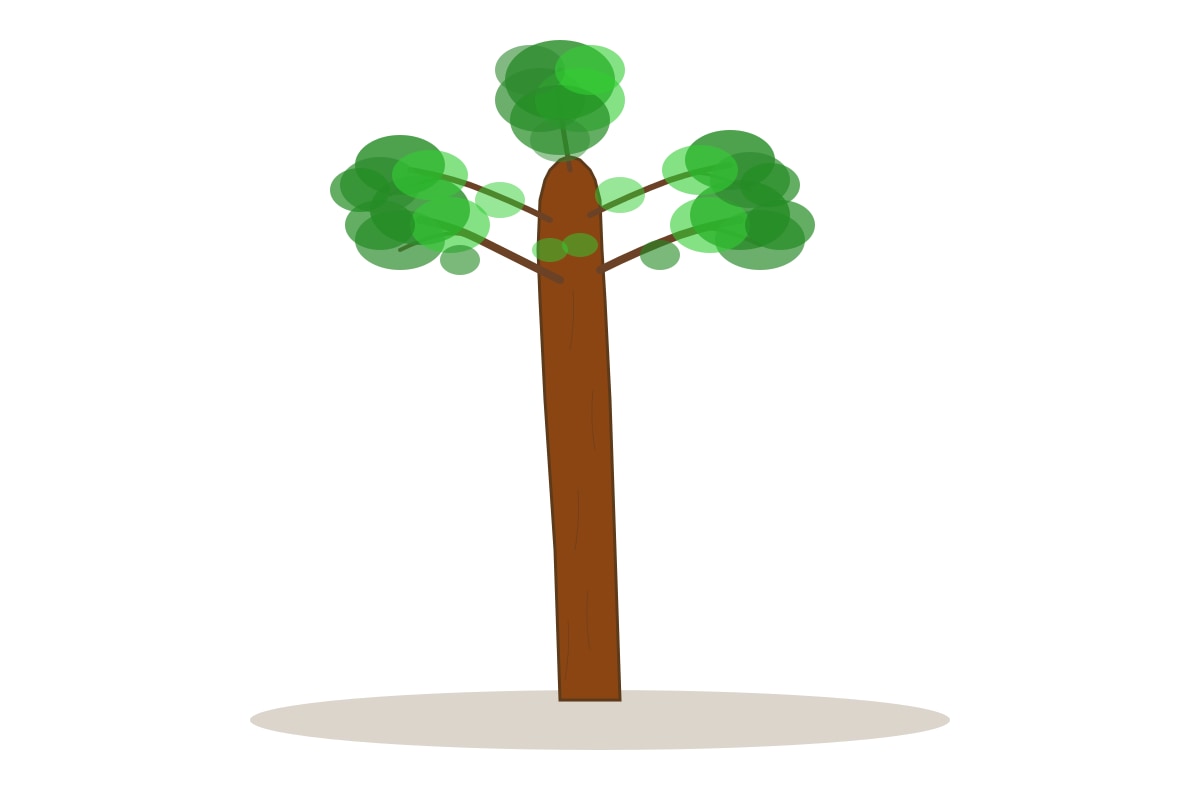
1. B) 树 (2 marks)
- Explanation: The image shows a tree with a trunk, branches, and leaves. "树" (shù) means "tree."
- Why other answers are wrong: "花" (huā) means flower; "草" (cǎo) means grass; "木" (mù) means wood/material but is not commonly used alone to mean tree in modern Chinese (though it is the tree radical).
- Teaching note: "树" is a P2-level character. Students learn that "木" as a radical often indicates something related to trees or wood.
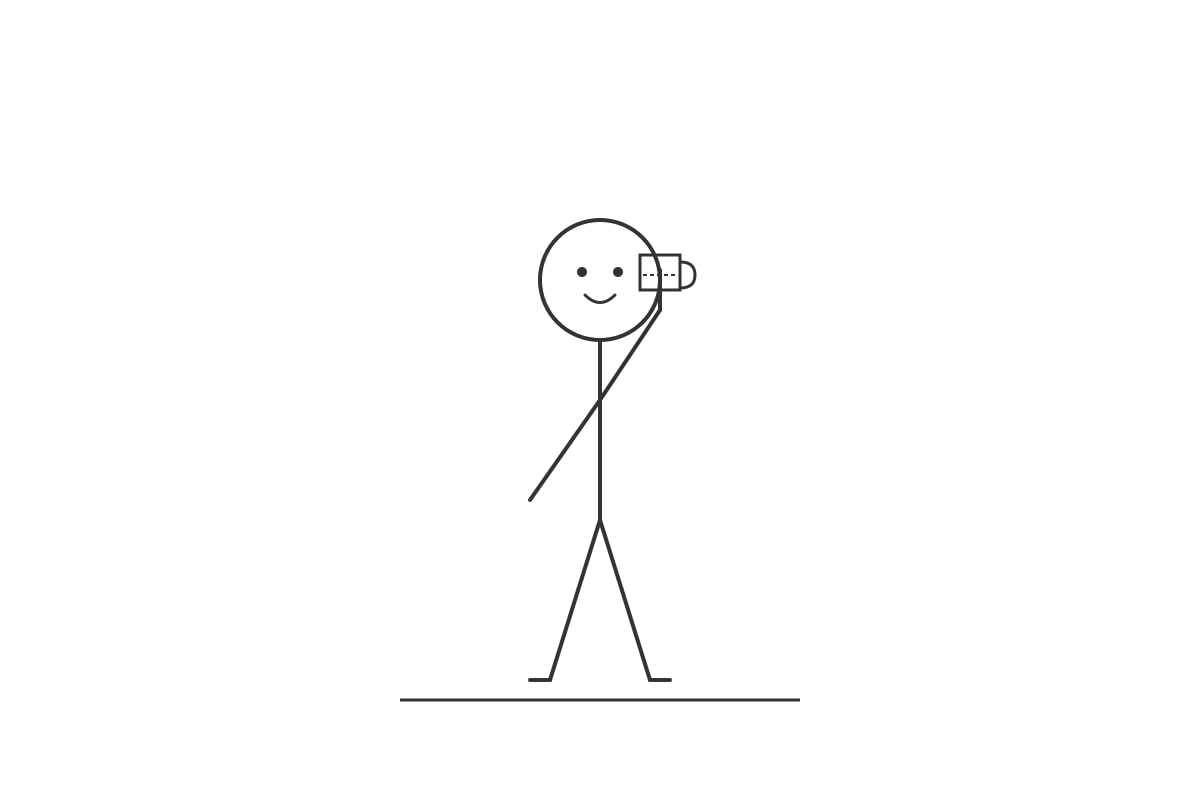
2. B) 喝 (2 marks)
- Explanation: The image shows a person drinking from a cup. "喝" (hē) means "to drink."
- Why other answers are wrong: "吃" (chī) means to eat (food, not drink); "看" (kàn) means to see/look; "说" (shuō) means to speak.
- Teaching note: The mouth radical "口" in "喝" suggests this action is done with the mouth. This helps students remember that many action words involving the mouth contain "口."
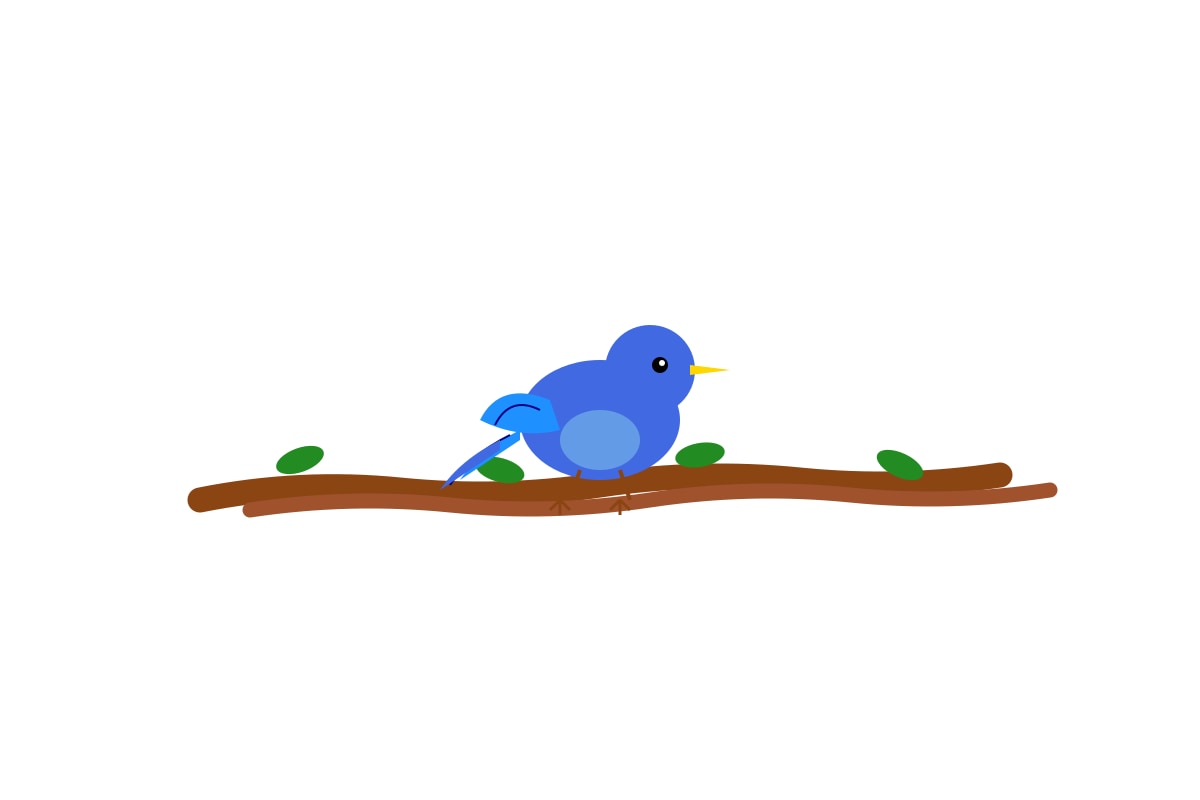
3. C) 鸟 (2 marks)
- Explanation: The image shows a bird with beak, wings, and feathers. "鸟" (niǎo) means "bird."
- Why other answers are wrong: "鱼" (yú) has fins and lives in water; "马" (mǎ) is a horse with four legs and no wings; "羊" (yáng) is a sheep with wool.
- Teaching note: The character "鸟" originally look like a bird in ancient writing. Students can trace how the character evolved from a picture.
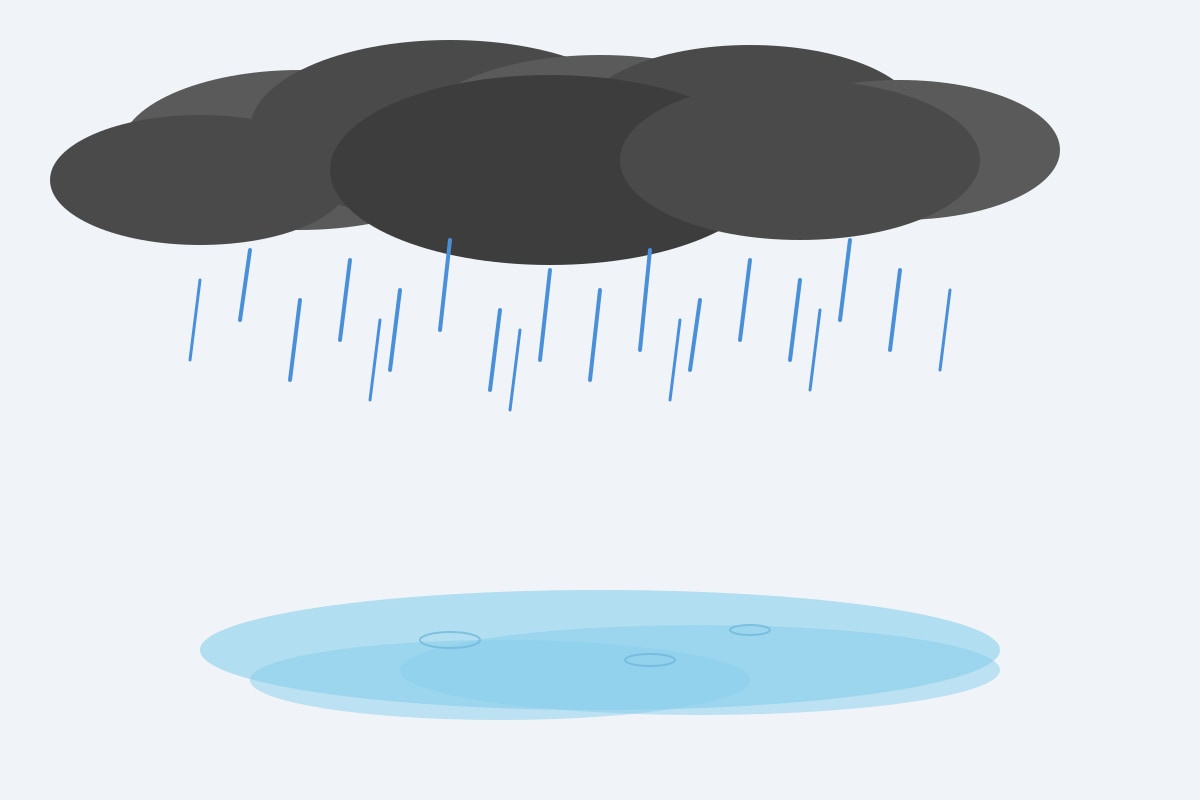
4. C) 雨 (2 marks)
- Explanation: The image shows dark clouds with raindrops falling. "雨" (yǔ) means "rain."
- Why other answers are wrong: "晴" (qíng) means sunny; "阴" (yīn) means cloudy but without rain shown; "雪" (xuě) means snow (would show white flakes, not raindrops).
- Teaching note: The character "雨" looks like rain falling from a cloud. The four dots in the character represent raindrops.
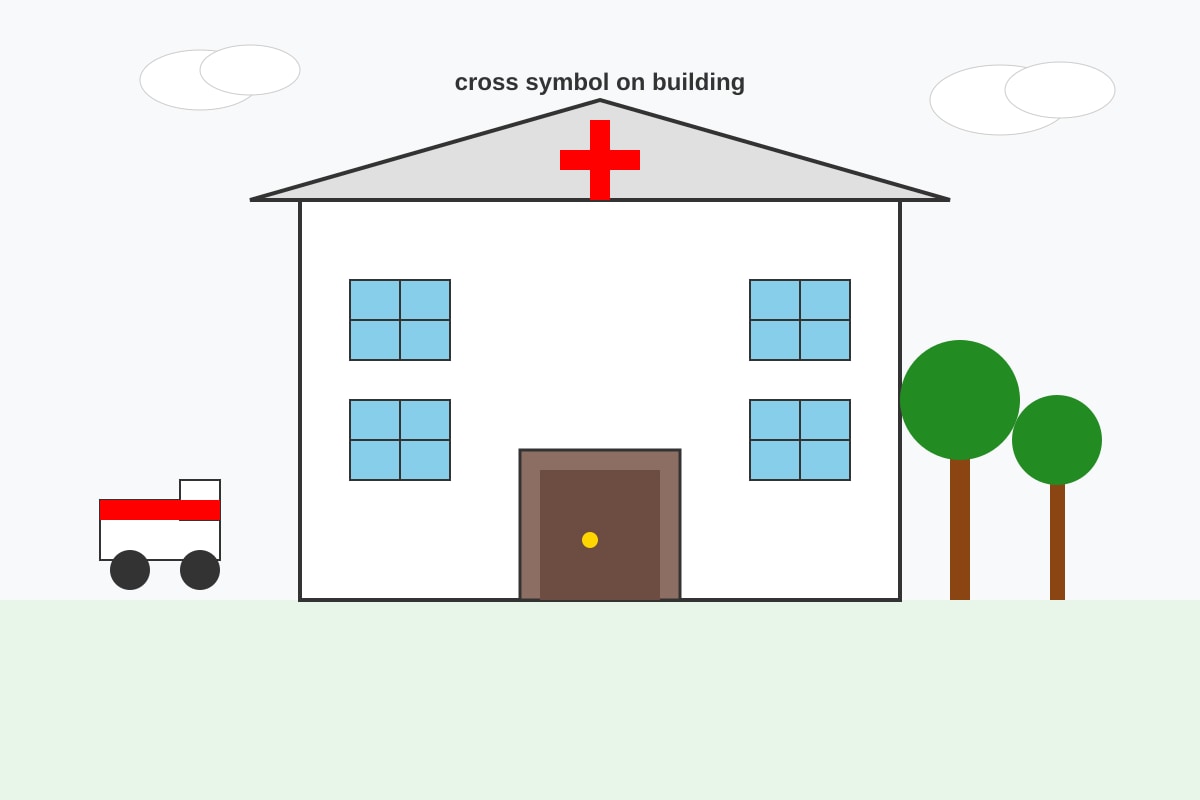
5. C) 医院 (2 marks)
- Explanation: The image shows a building with a cross symbol, which indicates a hospital. "医院" (yīyuàn) means "hospital."
- Why other answers are wrong: "学校" (xuéxiào) is a school (would show books, students); "商店" (shāngdiàn) is a shop; "公园" (gōngyuán) is a park with trees and play equipment.
- Teaching note: The red cross is an international symbol for hospitals. In Singapore, students should recognize this from visits to clinics and hospitals.
Section B: 拼音选字 (Pinyin to Character Selection) — 10 marks
6. B) 猫 (2 marks)
- Explanation: "māo" corresponds to "猫," which means "cat." The first tone (māo) is level and high.
- Why other answers are wrong: "狗" (gǒu) is dog; "鸟" (niǎo) is bird; "鱼" (yú) is fish.
- Teaching note: "猫" has the animal radical "犭" (quǎn páng, dog radical), which appears in many animal characters. Students should connect the pinyin sound to the character shape.
7. C) 水 (2 marks)
- Explanation: "shuǐ" is the third tone, and the character is "水," meaning "water." The tone goes down then up.
- Why other answers are wrong: "火" (huǒ) is fire; "土" (tǔ) is earth/soil; "木" (mù) is wood.
- Teaching note: "水" is a fundamental character. The middle stroke suggests flowing water. Students learn this early as many compound words use "水" (山水, 水果, 喝水).
8. B) 门 (2 marks)
- Explanation: "mén" is the second tone (rising), and the character is "门," meaning "door/gate."
- Why other answers are wrong: "们" (men) is the plural suffix for people (we read it in "我们" wǒmen); "问" (wèn) means ask (different initial sound w-); "闻" (wén) means smell/hear (different initial w-).
- Teaching note: This tests the difference between "n" and "l" sounds, and also similar-looking characters. Students must pay attention to both pronunciation and meaning.
9. B) 吃 (2 marks)
- Explanation: "chī" is the first tone, meaning "to eat." The character is "吃."
- Why other answers are wrong: "喝" (hē) is to drink; "看" (kàn) is to look; "走" (zǒu) is to walk.
- Teaching note: "吃" has the mouth radical "口" plus "乞" (qǐ). The mouth radical helps students remember this is an action done with the mouth.
10. A) 学 (2 marks)
- Explanation: "xué" is the second tone, meaning "to study/learn." The character is "学."
- Why other answers are wrong: "字" (zì) means character; "书" (shū) means book; "校" (xiào) means school.
- Teaching note: "学" appears in common words like "学校" (school), "学生" (student), "学习" (study). Students should recognize this as a high-frequency character.
Section C: 词语认读 (Word Recognition) — 5 marks
11. B) 很好的朋友 (1 mark)
- Explanation: "好朋友" (hǎo péngyou) means "good friend," that is, a very good friend. "好" (hǎo) means good/nice.
- Why other answers are wrong: A contradicts itself (not good + friend); C changes the meaning to old friend; D changes to new friend.
- Teaching note: In P2, students learn that "好" can intensify or positively describe the noun that follows.
12. A) 日光 (1 mark)
- Explanation: "日光" (rìguāng) means "sunlight" — the light of the sun. "日" means sun/day.
- Why other answers are wrong: "月日" is not a standard word order (should be "日月"); "星日" and "云日" are not valid Chinese words.
- Teaching note: Students learn common collocations. "日" + "光" (light) is natural, just as "月" + "光" (月光, moonlight).
13. B) 很高兴 (1 mark)
- Explanation: "开心" (kāixīn) means "happy" or "glad." "开" means open, "心" means heart — heart opening with joy.
- Why other answers are wrong: These are all opposite emotions: "难过" (sad), "生气" (angry), "害怕" (afraid).
- Teaching note: "开心" is a P2 emotion word. The literal meaning "open heart" helps students remember it represents happiness.
14. B) 坐车 (1 mark)
- Explanation: "上车" (shàng chē) means to get on a vehicle. "坐车" (zuò chē) means to sit in/ride a vehicle — both involve being in the vehicle.
- Why other answers are wrong: "下车" (xià chē) is to get off (opposite direction); "开车" (kāi chē) is to drive; "等车" (děng chē) is to wait for transport.
- Teaching note: Students learn that "上/下" indicate direction. "坐车" shares the sense of being inside the vehicle, making it the closest in meaning.
15. C) 早上 (1 mark)
- Explanation: "天亮了" (tiān liàng le) means "the sky has brightened," that is, morning/daybreak has arrived.
- Why other answers are wrong: "晚上" is night (sky darkens); "中午" is noon (already bright); "下午" is afternoon (already bright).
- Teaching note: "亮" (liàng) means bright. The change from dark to bright indicates morning. This tests situational understanding.
Section D: 部首识字 (Radical Recognition) — 3 marks
16. B) 氵,跟水有关 (1 mark)
- Explanation: All three characters contain the "water radical" 氵(three drops). "江" (jiāng, river), "河" (hé, river), and "海" (hǎi, sea) are all bodies of water.
- Why other answers are wrong: 木 is tree radical; 火 is fire radical; 口 is mouth radical — none appear in these characters.
- Teaching note: The three-dot water radical 氵always indicates water-related meanings. This is a key P2 radical recognition skill. Students should accumulate characters by radical groups.
17. C) 嘴巴或声音 (1 mark)
- Explanation: The "mouth radical" 口 indicates characters related to the mouth or sounds made with the mouth. Examples: 吃 (eat), 喝 (drink), 叫 (call out), 听 (listen), 唱 (sing).
- Why other answers are wrong: These are body parts/actions not related to the mouth radical's meaning.
- Teaching note: This tests radical semantic function. Students should classify characters by their radicals to build vocabulary networks.
18. B) 都有"木",跟树木有关 (1 mark)
- Explanation: "林" (lín, forest), "森" (sēn, dense forest), and "树" (shù, tree) all contain "木" (mù, tree/wood). "林" has two 木 (many trees = forest); "森" has three 木 (even more trees = dense forest).
- Why other answers are wrong: These radicals do not appear in all three characters.
- Teaching note: This is a favorite P2 teaching point — how repeated radicals create meaning (木→林→森). Students learn that Chinese characters encode meaning through their components.
Section E: 句子认读与理解 (Sentence Recognition) — 2 marks
19. C) 书 (1 mark)
- Explanation: The sentence says "Mom bought him a new ____." "新书" (xīn shū, new book) is the most natural completion. The context is "going to school to read books" (from Q20's related context about school).
- Why other answers are wrong: "旧" (old) contradicts "新" (new); "新" would repeat; "好" (good) is possible but less specific than "书" in a school context.
- Teaching note: Students use context clues. "去学校读书" (go to school to read books, from Q20) suggests books are relevant to this student's life.
20. C) 学习的地方 (1 mark)
- Explanation: "学校" (xuéxiào) means "school" — a place for learning. The sentence says "I like to go to school to read books (study)."
- Why other answers are wrong: These describe other places: playground (玩), canteen/home (吃饭), bedroom (睡觉).
- Teaching note: This tests functional understanding of common places. Students connect "学校" with "学" (learn/study) to reinforce meaning.
Total: 30 marks