AI Generated Quiz
Primary 2 Chinese Character Recognition Quiz
Free P2 Chinese Character Recognition quiz, AI version, with questions, answers, and syllabus-aligned practice for Singapore students.
These static practice materials are generated from the site's syllabus and paper-generation workflow, with source and model context shown so students and parents can evaluate the material before use.
Questions
Free quiz and exam paper access
Enter your details to view this paper
Your access is remembered on this device.
Answers
Primary 2 Chinese Quiz - Character Recognition (Answer Key)
Total Marks: 40
Section A: Recognising Characters (认字) (10 marks)
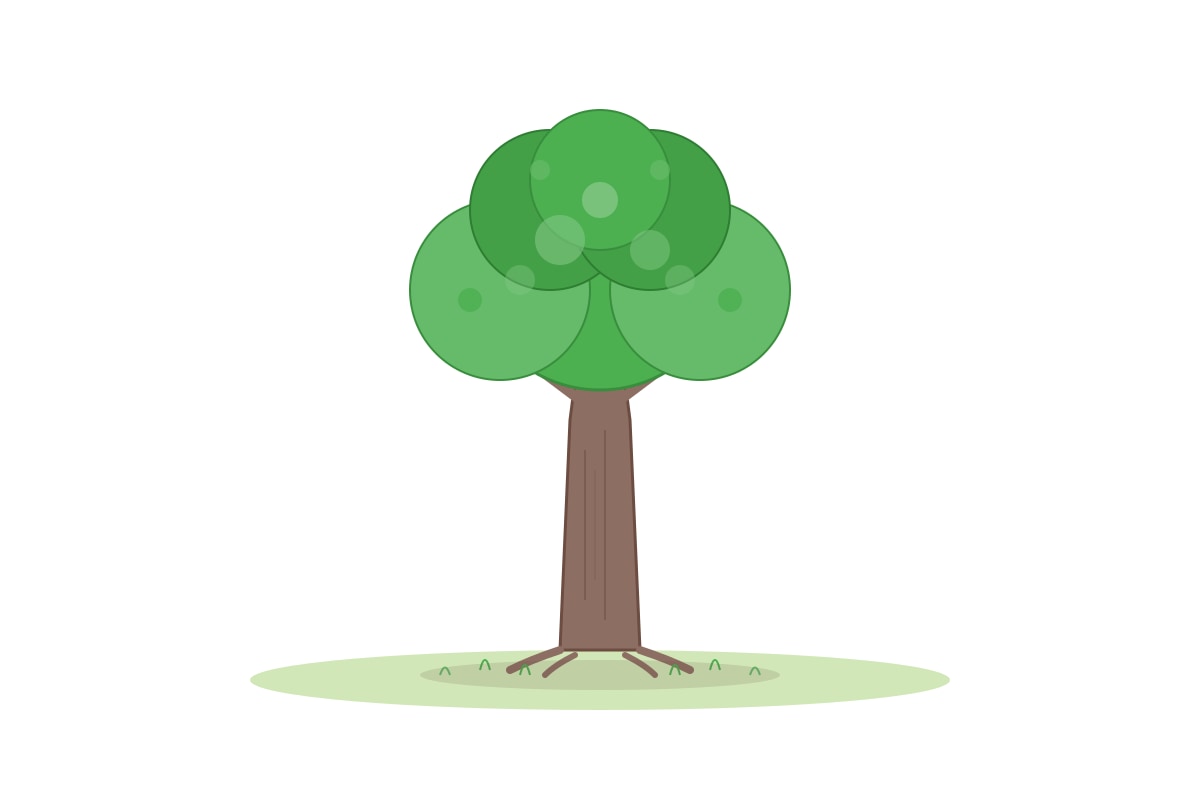
1. Answer: C) 树 Explanation: The picture shows a tree. The character "树" (shù) means "tree". Option A "木" (mù) means "wood", option B "林" (lín) means "forest", and option D "花" (huā) means "flower". The picture clearly shows a whole tree, so "树" is the best answer. Marking: 2 marks for correct answer.
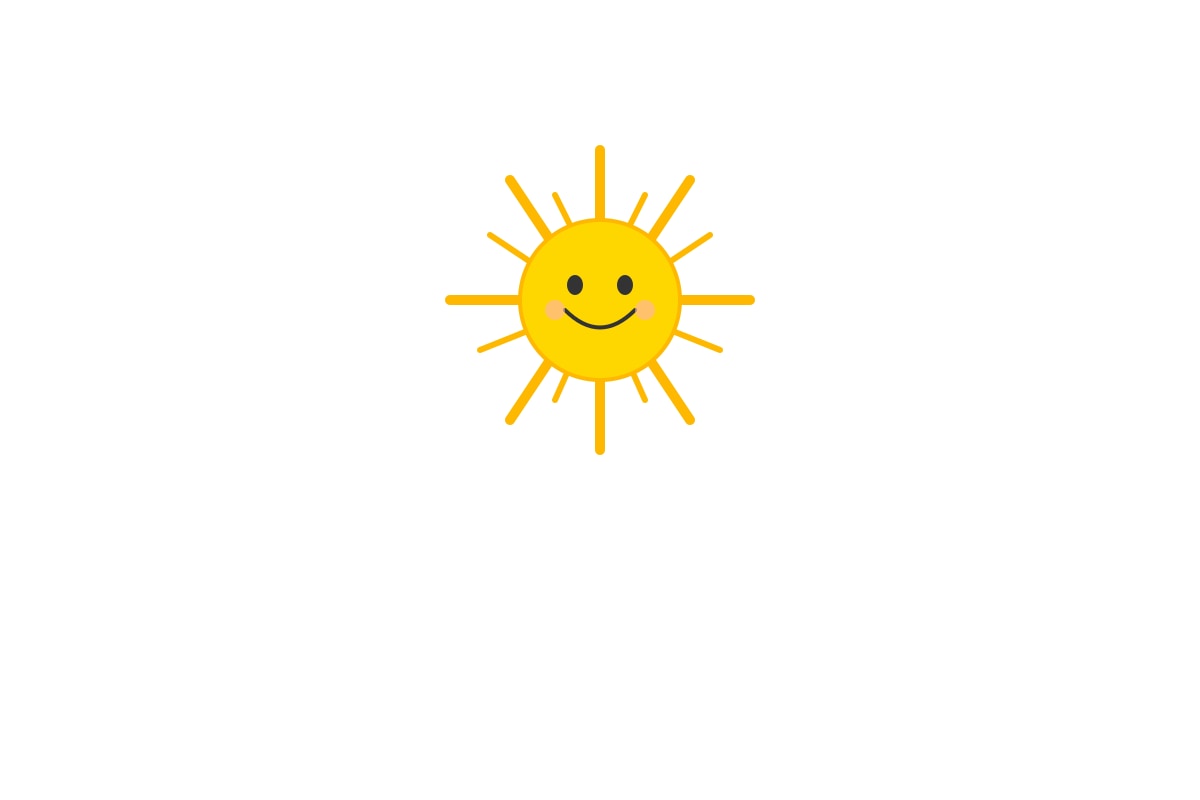
2. Answer: B) 日 Explanation: The picture shows the sun. The character "日" (rì) means "sun" or "day". Option A "月" (yuè) means "moon", option C "星" (xīng) means "star", and option D "云" (yún) means "cloud". The picture shows a smiling sun, so "日" is the correct answer. Marking: 2 marks for correct answer.
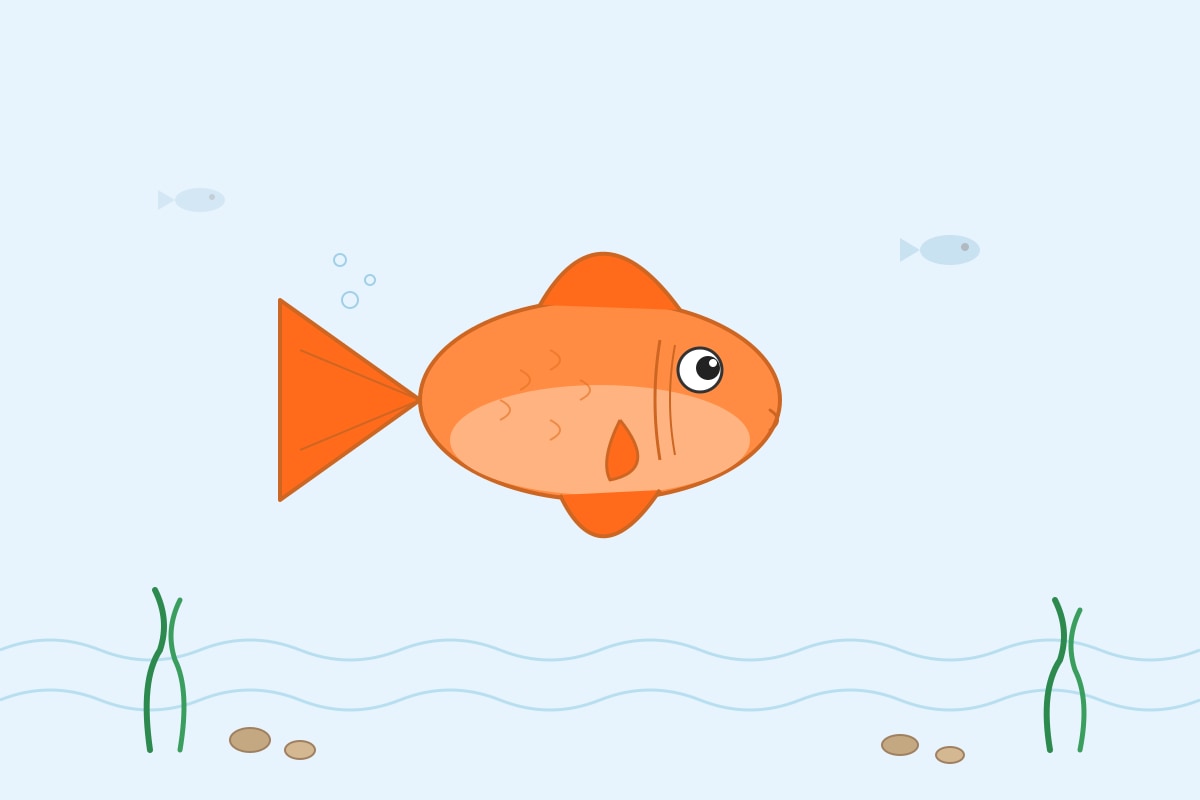
3. Answer: B) 鱼 Explanation: The picture shows a fish. The character "鱼" (yú) means "fish". Option A "鸟" (niǎo) means "bird", option C "虫" (chóng) means "insect", and option D "马" (mǎ) means "horse". The picture clearly shows a fish, so "鱼" is the correct answer. Marking: 2 marks for correct answer.
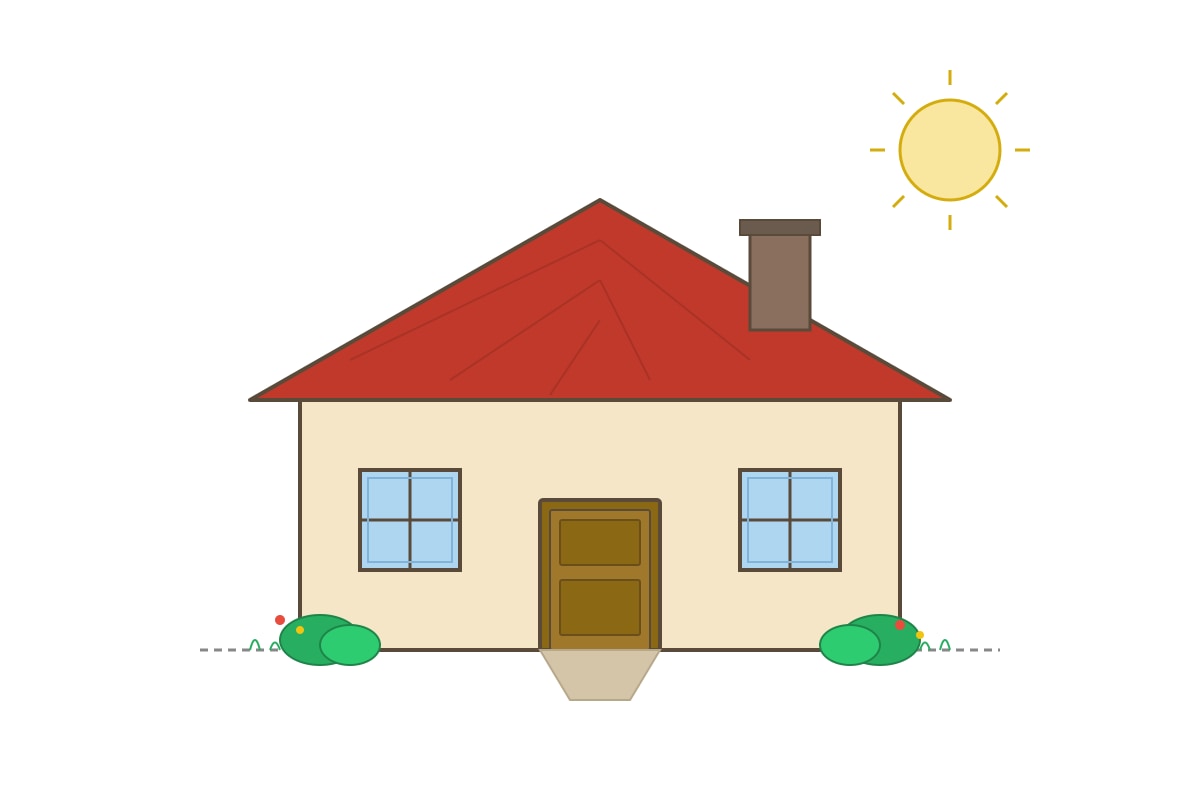
4. Answer: A) 家 Explanation: The picture shows a house. The character "家" (jiā) means "home" or "house". Option B "房" (fáng) also means "house" or "room", but "家" is the more common and basic character for "home". Option C "门" (mén) means "door", and option D "车" (chē) means "car". The picture shows a whole house, so "家" is the best answer. Marking: 2 marks for correct answer. Accept "房" as an alternative correct answer if the student can justify it, but the intended answer is "家".
5. Answer: B) 书 Explanation: The picture shows an open book. The character "书" (shū) means "book". Option A "本" (běn) is a measure word for books, option C "笔" (bǐ) means "pen", and option D "纸" (zhǐ) means "paper". The picture shows a book, so "书" is the correct answer. Marking: 2 marks for correct answer.
Section B: Character and Pinyin Matching (字与拼音配对) (10 marks)
6-10. Answers:
- 跑 → pǎo
- 绿 → lǜ
- 星 → xīng
- 饭 → fàn
- 快 → kuài
Explanation:
- "跑" (pǎo) means "to run". The pinyin is pǎo with a third tone.
- "绿" (lǜ) means "green". The pinyin is lǜ with a fourth tone. Note the umlaut over the 'u'.
- "星" (xīng) means "star". The pinyin is xīng with a first tone. The 'ng' ending is a back nasal sound.
- "饭" (fàn) means "rice" or "meal". The pinyin is fàn with a fourth tone.
- "快" (kuài) means "fast" or "quick". The pinyin is kuài with a fourth tone.
Marking: 2 marks for each correct match. Total 10 marks.
Section C: Building Characters (组字) (10 marks)
11. Answer: 林 Explanation: "木" (mù) means "wood" or "tree". When you put two "木" characters together side by side, you get "林" (lín), which means "forest" or "grove". This is a common way to build new characters in Chinese. Marking: 2 marks for writing the correct character "林".
12. Answer: 明 Explanation: "日" (rì) means "sun" and "月" (yuè) means "moon". When you put them together, you get "明" (míng), which means "bright" or "clear". The sun and moon together make light, so the character means "bright". Marking: 2 marks for writing the correct character "明".
13. Answer: 吕 Explanation: "口" (kǒu) means "mouth". When you put two "口" characters together, you get "吕" (lǚ), which is a surname. Another common answer could be "回" (huí) meaning "to return", but that is a square shape, not two mouths side by side. The most direct answer from two "口" side by side is "吕". Marking: 2 marks for writing the correct character "吕". Accept "回" if the student explains it as two mouths, one inside the other, but the intended answer is "吕".
14. Answer: 从 Explanation: "人" (rén) means "person". When you put two "人" characters together, one following the other, you get "从" (cóng), which means "to follow" or "from". It shows one person following another. Marking: 2 marks for writing the correct character "从".
15. Answer: 早 Explanation: "日" (rì) means "sun" and "十" (shí) means "ten". When you put them together with "日" on top and "十" on the bottom, you get "早" (zǎo), which means "early" or "morning". The sun rising over a line (the horizon) represents morning. Marking: 2 marks for writing the correct character "早".
Section D: Using Characters in Context (字在句子中的运用) (10 marks)
16. Answer: A) 日 Explanation: The sentence is "今天是我的生日,我很开心。" which means "Today is my birthday, I am very happy." The word for "birthday" is "生日" (shēng rì). "日" (rì) means "day". Option B "月" (yuè) means "month", option C "星" (xīng) means "star", and option D "天" (tiān) means "sky" or "day". The correct word for "birthday" is "生日", so "日" is the correct answer. Marking: 2 marks for correct answer.
17. Answer: B) 朵 Explanation: The sentence is "妈妈买了一朵花。" which means "Mum bought a flower." The measure word for flowers is "朵" (duǒ). Option A "棵" (kē) is for trees, option C "只" (zhǐ) is for small animals, and option D "条" (tiáo) is for long, thin objects like fish or roads. "一朵花" is the correct collocation. Marking: 2 marks for correct answer.
18. Answer: A) 游 Explanation: The sentence is "我喜欢游泳。" which means "I like swimming." The word for "swim" is "游泳" (yóu yǒng). Option B "跑" (pǎo) means "run", option C "跳" (tiào) means "jump", and option D "走" (zǒu) means "walk". Only "游" can be used with "泳" to form the word for swimming. Marking: 2 marks for correct answer.
19. Answer: A) 里 Explanation: The sentence is "哥哥在里面看书。" which means "Brother is reading inside." The word "里面" (lǐ miàn) means "inside". Option B "外" (wài) means "outside", option C "上" (shàng) means "above" or "on", and option D "下" (xià) means "below" or "under". The context suggests the brother is inside a room, so "里" is the correct answer. Marking: 2 marks for correct answer.
20. Answer: A) 上 Explanation: The sentence is "小鸟在天上飞。" which means "The little bird is flying in the sky." The word "天上" (tiān shàng) means "in the sky" or "above". Option B "下" (xià) means "below", option C "里" (lǐ) means "inside", and option D "外" (wài) means "outside". Birds fly in the sky, which is above us, so "上" is the correct answer. Marking: 2 marks for correct answer.
Common Mistakes to Note:
- In Question 1, students may confuse "树" (tree) with "木" (wood). Remind them that "树" is the whole living tree, while "木" is just the material.
- In Question 17, students often confuse measure words. Practice common measure words with different nouns (一朵花, 一棵树, 一只鸟, 一条鱼).
- In Question 19, students may confuse "里" and "外". Use physical examples to show the difference between inside and outside.
- In Question 20, "上" in "天上" is a special usage meaning "in the sky", not literally "above". Explain this idiomatic usage to students.
Marking Scheme Summary:
- Section A: 5 questions × 2 marks = 10 marks
- Section B: 5 questions × 2 marks = 10 marks
- Section C: 5 questions × 2 marks = 10 marks
- Section D: 5 questions × 2 marks = 10 marks
- Total: 40 marks