AI Generated Quiz
Primary 2 Chinese Character Recognition Quiz
Free P2 Chinese Character Recognition quiz, AI version, with questions, answers, and syllabus-aligned practice for Singapore students.
These static practice materials are generated from the site's syllabus and paper-generation workflow, with source and model context shown so students and parents can evaluate the material before use.
Questions
Free quiz and exam paper access
Enter your details to view this paper
Your access is remembered on this device.
Answers
Answer Key: Primary 2 Chinese Quiz - Character Recognition
Total Marks: 40 (2 marks per question)
Section A: Recognise the Character (Questions 1-10)
Question 1
- Answer: B) 树
- Marks: 2
- Explanation: The pinyin "shù" corresponds to the character "树" (tree). "书" is "shū" (book), "术" is "shù" (technique/art), and "数" is "shù" (number). Although "术" and "数" also share the same pinyin "shù", in Primary 2, "树" is the most common character for this sound. Students should remember that "树" means tree and is a frequently used character.
- Common mistake: Students might confuse "树" with "书" because they look similar. Remind students to pay attention to the tone marks: "树" is shù (4th tone), while "书" is shū (1st tone).
Question 2
- Answer: C) 阳
- Marks: 2
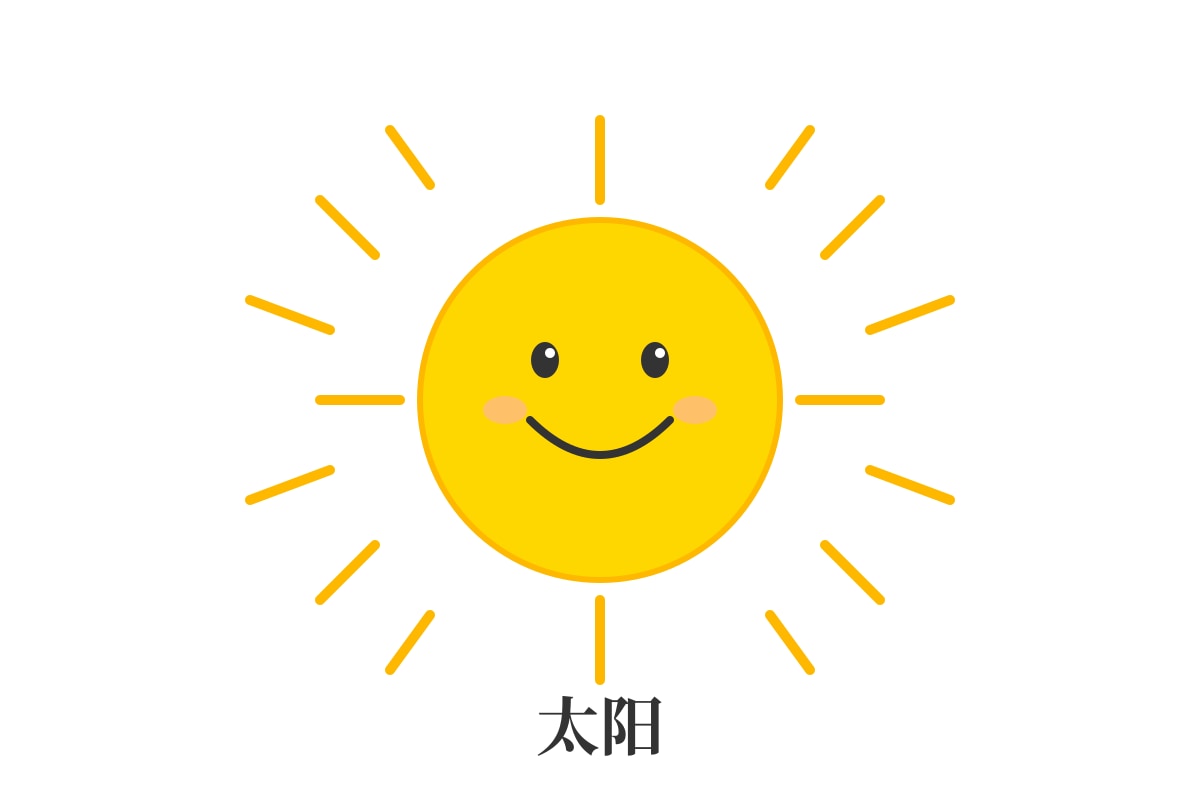
- Explanation: The picture shows the sun. "阳" (yáng) means sun or sunshine. "月" (yuè) is moon, "星" (xīng) is star, and "云" (yún) is cloud. The sun is the most direct match for the picture.
- Common mistake: Students might choose "星" (star) because both the sun and stars are in the sky. Remind them that the picture clearly shows a sun with rays, not a star.
Question 3
- Answer: D) 朋
- Marks: 2
- Explanation: The character "朋" (péng) is part of the word "朋友" (péng yǒu, friend). "明" (míng) means bright, "用" (yòng) means use, and "月" (yuè) means moon. "朋" is made of two "月" characters side by side.
- Teaching note: Help students remember "朋" by noting that it looks like two moons (月) side by side, representing two friends together.
Question 4
- Answer: C) 鸟
- Marks: 2
- Explanation: The pinyin "niǎo" corresponds to the character "鸟" (bird). "马" (mǎ) is horse, "鱼" (yú) is fish, and "虫" (chóng) is insect/worm.
- Teaching note: The character "鸟" looks like a bird with a head, body, and tail. This visual connection can help students remember it.
Question 5
- Answer: A) 风
- Marks: 2
- Explanation: The pinyin "fēng" corresponds to the character "风" (wind). "几" (jǐ) means a few/how many, "飞" (fēi) means fly, and "方" (fāng) means square/direction.
- Common mistake: Students might confuse "风" (fēng) with "飞" (fēi) because both involve air. Remind them that the pinyin and tones are different.
Question 6
- Answer: C) 好
- Marks: 2
- Explanation: The pinyin "hǎo" corresponds to the character "好" (good). The sentence means "The weather is good today." "女" (nǚ) is woman, "子" (zǐ) is child, and "妈" (mā) is mother.
- Teaching note: "好" is made of "女" (woman) and "子" (child), which together represent something good.
Question 7
- Answer: B) 爱
- Marks: 2
- Explanation: The pinyin "ài" corresponds to the character "爱" (love). The sentence means "I love my mother." "受" (shòu) means receive, "安" (ān) means peace/safe, and "按" (àn) means press.
- Common mistake: Students might confuse "爱" (ài) with "受" (shòu) because they look similar. Point out that "爱" has a heart shape (心) in the middle.
Question 8
- Answer: C) 花
- Marks: 2
- Explanation: The pinyin "huā" corresponds to the character "花" (flower). The sentence means "The flowers have bloomed, so beautiful!" "化" (huà) means change, "画" (huà) means draw/picture, and "话" (huà) means speech/words.
- Teaching note: "花" has the "艹" (grass radical) on top, which is a clue that it relates to plants.
Question 9
- Answer: A) 在
- Marks: 2
- Explanation: The pinyin "zài" corresponds to the character "在" (at/in). The sentence means "He is reading at home." "再" (zài) means again, "才" (cái) means just/then, and "来" (lái) means come.
- Common mistake: Students often confuse "在" and "再" because they have the same pinyin. "在" indicates location or ongoing action, while "再" means "again" or "then".
Question 10
- Answer: B) 跑
- Marks: 2
- Explanation: The pinyin "pǎo" corresponds to the character "跑" (run). The sentence means "Let's go jogging together." "包" (bāo) means bag, "抱" (bào) means hug, and "炮" (pào) means cannon/firecracker.
- Teaching note: "跑" has the "足" (foot) radical on the left, which is a clue that it relates to feet or movement.
Section B: Understanding Character Structure and Meaning (Questions 11-15)
Question 11
- Answer: B) 左右结构
- Marks: 2
- Explanation: "明" (míng) is a left-right structure character. It is made of "日" (sun/day) on the left and "月" (moon) on the right. The combination of sun and moon represents brightness.
- Teaching note: Left-right structure means the character can be split vertically into two parts. Other examples include "林" (lín), "好" (hǎo), and "妈" (mā).
Question 12
- Answer: A) 河、湖、海 —— 和水有关
- Marks: 2
- Explanation: The characters "河" (river), "湖" (lake), and "海" (sea) all have the "氵" (three-dot water radical) on the left. This radical indicates that these characters are related to water.
- Teaching note: The three-dot water radical (氵) is a simplified form of "水" (water). When students see this radical, they can guess the character might be related to water or liquids.
Question 13
- Answer: A) 两个 "木"
- Marks: 2
- Explanation: "林" (lín, forest) is made of two "木" (mù, tree/wood) characters placed side by side. Two trees together form a forest.
- Teaching note: This is a great example of how Chinese characters combine simpler characters to create new meanings. "木" + "木" = "林" (forest). Three "木" together make "森" (sēn, dense forest).
Question 14
- Answer: B) 女
- Marks: 2
- Explanation: "妈" (mā, mother) has the "女" (woman/female) radical on the left side. The right side is "马" (mǎ, horse), which gives the character its pronunciation.
- Teaching note: "妈" is a pictophonetic character (形声字): the left part "女" indicates meaning (mother is female), and the right part "马" indicates the sound (mā).
Question 15
- Answer: C) 花
- Marks: 2
- Explanation: "花" (huā, flower) is an up-down structure character. The top part is "艹" (grass radical) and the bottom part is "化" (huà). "明" (A) and "林" (B) are left-right structures. "好" (D) is also left-right structure.
- Teaching note: Up-down structure means the character can be split horizontally into two parts. Other examples include "星" (xīng, star), "音" (yīn, sound), and "爸" (bà, father).
Section C: Applying Character Knowledge (Questions 16-20)
Question 16
- Answer: A) 包
- Marks: 2
- Explanation: The pinyin "bāo" corresponds to the character "包" (bag). The sentence means "Mom bought me a new school bag." "抱" (bào) means hug, "跑" (pǎo) means run, and "饱" (bǎo) means full (after eating).
- Common mistake: Students might confuse "包" (bāo) with "抱" (bào) because they look similar and both relate to holding/carrying. The tone is different: "包" is 1st tone, "抱" is 4th tone.
Question 17
- Answer: B) 喜
- Marks: 2
- Explanation: The pinyin "xǐ" corresponds to the character "喜" (like/enjoy). The sentence means "I like drawing." "洗" (xǐ) means wash, "西" (xī) means west, and "细" (xì) means thin/fine.
- Common mistake: "喜" (xǐ) and "洗" (xǐ) have the same pinyin and tone, which can be confusing. "喜" is about emotions (like/happy), while "洗" is an action (wash). Context helps distinguish them.
Question 18
- Answer: B) 昨
- Marks: 2
- Explanation: The pinyin "zuó" corresponds to the character "昨" (yesterday). The sentence means "Yesterday was Sunday." "作" (zuò) means do/make, "做" (zuò) means do/make, and "坐" (zuò) means sit.
- Teaching note: "昨" has the "日" (sun/day) radical on the left, which is a clue that it relates to time or days. "昨天" (zuó tiān) means yesterday.
Question 19
- Answer: A) 多
- Marks: 2
- Explanation: The pinyin "duō" corresponds to the character "多" (many/much). The sentence means "There are many flowers in the park." "都" (dōu) means all/both, "对" (duì) means correct/toward, and "到" (dào) means arrive.
- Common mistake: Students might confuse "多" (duō) with "都" (dōu) because both can indicate quantity. "多" means "many", while "都" means "all".
Question 20
- Answer: C) 身
- Marks: 2
- Explanation: The pinyin "shēn" corresponds to the character "身" (body). The sentence means "Xiao Ming's body is very healthy." "声" (shēng) means sound/voice, "生" (shēng) means life/birth, and "升" (shēng) means rise/ascend.
- Teaching note: "身体" (shēn tǐ) means body. "健康" (jiàn kāng) means healthy. This is a common phrase in Primary 2 about health and well-being.
— End of Answer Key —