AI Generated Exam Paper
Primary 2 Chinese Practice Paper 2
Free P2 Chinese Practice Paper 2, GLM5.3 AI version, with questions, answers, and syllabus-aligned practice for Singapore students.
These static practice materials are generated from the site's syllabus and paper-generation workflow, with source and model context shown so students and parents can evaluate the material before use.
Questions
Free quiz and exam paper access
Enter your details to view this paper
Your access is remembered on this device.
Answers
TuitionGoWhere Practice Paper - Chinese Primary 2 — Answer Key (Version 2 of 5)
Topic: Hanyu Pinyin (汉语拼音) · Total Marks: 40 · Duration: 40 minutes
General Marking Notes (评分说明)
- Sections A, B and D: 2 marks for the correct letter; 0 marks for a wrong or missing letter.
- Section C: marks are split per syllable or per character, as shown below.
- Accept neat handwriting; tone marks must sit on the correct letter. A missing or wrong tone mark loses the mark for that syllable.
- This key is for an AI-generated syllabus-based practice paper, not a past-year paper.
Section A: Choose the Correct Pinyin (Questions 1–5)
1. C) huā yuán (2 marks) Teaching note: 花 is first tone huā (flat, high tone). 园 is second tone yuán (rising tone), and in "yuan" the tone mark always sits on a, never on u. Why the others are wrong: A uses fourth tone yuàn (wrong tone); B uses f- instead of h-; D puts the tone mark on u, which is not how yuan is written. Common mistake: writing "yúan" — remind students the mark goes on the main vowel a.
2. B) lǎo shī (2 marks) Teaching note: 老 is third tone lǎo (dip down then up). 师 begins with the curved sound sh-, not plain s-, and is first tone shī. A is wrong because lào is not a sound used here; C misses the h (sī ≠ shī); D confuses l- with n-. Common mistake: mixing up shī and sī — practise saying them with the tongue curled back for sh.
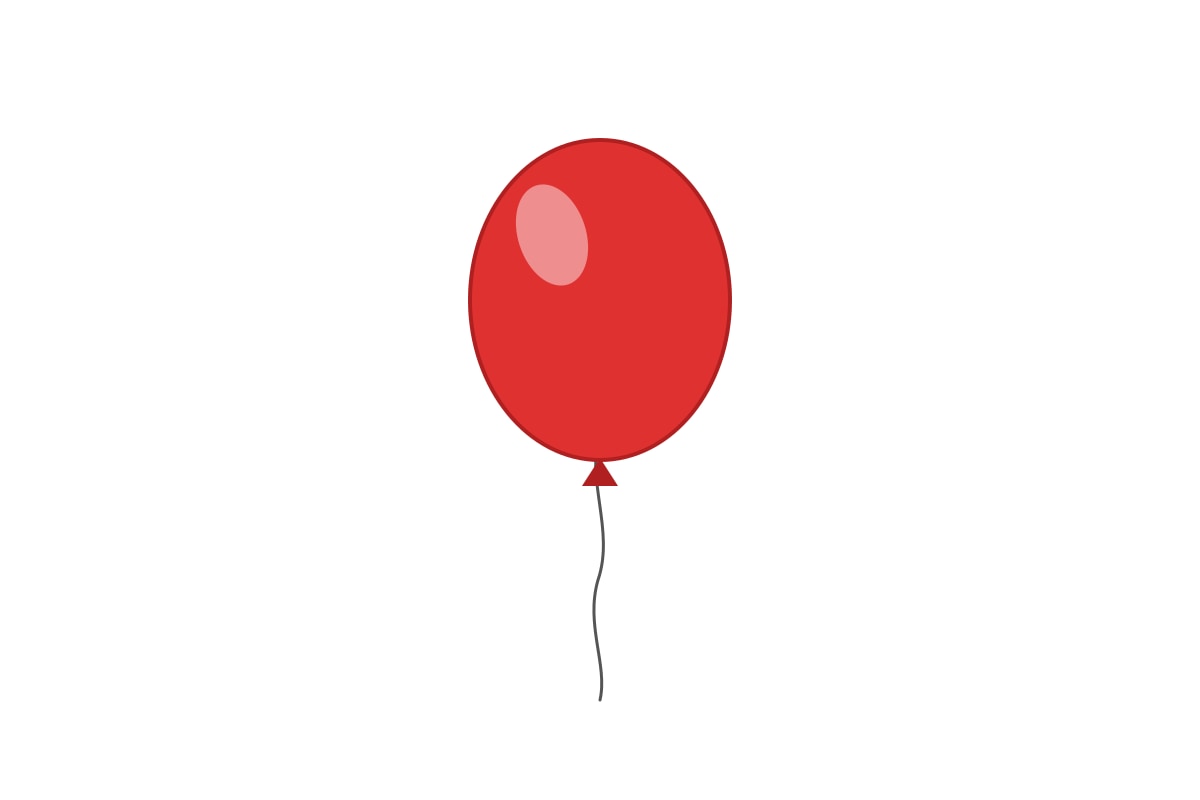
3. A) qì qiú (2 marks) Expected visual: the picture shows one clear red balloon on a string, so the word is 气球. Teaching note: 气 is fourth tone qì (sharp falling tone). 球 is second tone qiú (rising tone). B wrongly uses j-; C uses "giú", which is impossible because g never combines with iu this way in these words; D uses first tone qī. Marking: 2 marks for A; 0 for any other letter.
4. D) niú nǎi (2 marks) Teaching note: 牛 is niú (n + iu, second tone). 奶 is nǎi (n + ai, third tone). A wrongly uses liú (l- instead of n-); B changes 奶 to lǎi; C puts the tone mark on i in "niǔ" — remember the rule “i、u 并列标在后”: when i and u appear together, the tone mark goes on the later letter, so it is niú, not niǔ.
5. B) xuě rén (2 marks) Teaching note
<stage5_exam_answers_md>
TuitionGoWhere Practice Paper - Chinese Primary 2 — Answer Key (Version 2 of 5)
Topic: Hanyu Pinyin (汉语拼音) · Total Marks: 40 · Duration: 40 minutes
General Marking Notes (评分说明)
- Sections A, B and D: 2 marks for the correct letter; 0 marks for a wrong or missing letter.
- Section C: marks are split per syllable or per character, as shown below.
- Accept neat handwriting; tone marks must sit on the correct letter. A missing or wrong tone mark loses the mark for that syllable.
- This key is for an AI-generated syllabus-based practice paper, not a past-year paper.
Section A: Choose the Correct Pinyin (Questions 1–5)
1. C) huā yuán (2 marks) Teaching note: 花 is first tone huā; 园 is second tone yuán, with the tone mark on a ("yuan" never carries a mark on u). A uses fourth tone yuàn; B uses f- instead of h-; D wrongly writes "yúan". Common mistake: writing "yúan" — remind students the mark goes on the main vowel a.
2. B) lǎo shī (2 marks) Teaching note: 老 is third tone lǎo; 师 begins with curved sh- and is first tone shī. A uses lào (wrong); C misses the h (sī ≠ shī); D confuses l- with n-. Common mistake: mixing up shī and sī — practise curling the tongue back for sh.
3. A) qì qiú (2 marks) Expected visual: one clear red balloon on a string → 气球. Teaching note: 气 is fourth tone qì; 球 is second tone qiú. B wrongly uses j-; C uses impossible "giú"; D uses first tone qī.
4. D) niú nǎi (2 marks) Teaching note: 牛 is niú; 奶 is nǎi. A uses liú (l- instead of n-); B changes 奶 to lǎi; C writes niǔ — apply the rule “i、u 并列标在后”: when i and u appear together, the tone mark goes on the later letter, so it is niú, not niǔ.
5. B) xuě rén (2 marks) Teaching note: 雪 is third tone xuě (x + üe); 人 is second tone rén. A uses suě (s- cannot combine with üe); C wrongly writes léng; D uses xiě (x- instead of x+üe spelling). Common mistake: forgetting that ü after j/q/x is written as u — here xuě keeps the ue spelling because it follows x.
Section B: Listen and Tell the Sounds (Questions 6–10)
6. D) 风 fēng (2 marks) Teaching note: 后鼻音 endings are -ng. 风 fēng ends in eng (back nasal). 山 shān (-an), 门 mén (-en) and 林 lín (-in) are all front nasal sounds.
7. A) 天 tiān (2 marks) Teaching note: 天 tiān ends in -an (front nasal). 糖 táng (-ang), 虫 chóng (-ong) and 明 míng (-ing) all end in -ng, which are back nasal sounds. Common mistake: hearing "tian" as "tiang" — remind students there is no g sound at the end.
8. D) 月亮 yuè liang (2 marks) Teaching note: In 月亮, the second syllable liang is read with 轻声, short and light, no tone mark. 大海 dà hǎi, 高山 gāo shān and 白云 bái yún both syllables carry full tones.
9. B) zhǎng (2 marks) Teaching note: In “长高了”, 长 means "to grow" and is third tone zhǎng. It is only cháng when it means "long". A gives the meaning-based trap answer; C and D use wrong initials.
10. C) hái (2 marks) Teaching note: In “还有”, 还 means "still/also" and is second tone hái. It is huán only in words like 还书. B (huái) and D (hán) are incorrect readings.
Section C: Write the Pinyin / Write the Characters (Questions 11–15)
11. 书包 = shū bāo (2 marks — 1 per syllable) Teaching note: 书 first tone shū; 包 first tone bāo. Both tone marks required for full marks.
12. 西瓜 = xī guā (2 marks — 1 per syllable) Teaching note: 西 first tone xī; 瓜 first tone guā. Watch that the mark sits on the a in guā, not on u.
13. 今天 (2 marks — 1 per character) Sentence: 今天是星期六。 Teaching note: jīn tiān → 今 天. Both characters must be written correctly; 今 must not be confused with 令 or 念.
14. 同学 (2 marks — 1 per character) Sentence: 我和同学一起玩游戏。 Teaching note: tóng xué → 同 学. Common mistake: writing 童 or 洞 for tóng.
15. D) 姐姐 jiě jiě is wrong (2 marks) Teaching note: The correct pinyin is jiě jie — in reduplicated family words like 哥哥、弟弟、妹妹、姐姐, the second syllable is read in 轻声 with no tone mark. A, B and C correctly show the neutral-tone second syllable (ge, di, mei); D wrongly repeats the tone mark on the second syllable.
Section D: Pinyin Rules and Reading (Questions 16–20)
16. B) qù (2 marks) Teaching note: 去 is fourth tone qù. When ü follows j, q, x, the two dots are dropped, so we write qù, not qǖ. A uses third tone; C wrongly keeps the dots; D uses the wrong initial ch-.
17. D) 红 hóng (2 marks) Teaching note: 红 = hóng ✓. A 树 is shù (not sù); B 绿 is lǜ (not lù — remember ü after l keeps its dots); C 蓝 is lán (not làn — wrong tone).
18. C) a (2 marks) Teaching note: Tone marks always sit on the main vowel. In "xiǎo", the vowel letters are i, a, o; by the rule “有 a 找 a”, the mark goes on a: xiǎo.
19. B) zhòng (2 marks) Teaching note: In “种花”, 种 is a verb meaning "to plant" and is fourth tone zhòng. It is zhǒng (third tone) only when it means "seed/kind" (种子). A is the meaning-trap answer; C and D use wrong initials.
20. A) 我的妹妹喜欢唱歌。(2 marks) Teaching note: Reading word by word: Wǒ de mèimei = 我的妹妹; xǐhuan = 喜欢; chàng gē = 唱歌. B swaps 唱歌 for 跳舞; C misreads mèimei as 弟弟; D misreads mèimei as 姐姐 and chàng gē as 画画.
Mark Summary (分数总表)
| Section | Questions | Marks each | Total |
|---|---|---|---|
| A | 1–5 | 2 | 10 |
| B | 6–10 | 2 | 10 |
| C | 11–15 | 2 | 10 |
| D | 16–20 | 2 | 10 |
| Total | 20 | — | 40 |
Grading guide: 36–40 Excellent · 30–35 Good · 24–29 Fair · below 24 Revise pinyin tones and nasal endings, then retry Version 3 of this series.