AI Generated Exam Paper
Primary 1 Tamil Practice Paper 5
Free P1 Tamil Practice Paper 5, Kimi2.6 AI version, with questions, answers, and syllabus-aligned practice for Singapore students.
These static practice materials are generated from the site's syllabus and paper-generation workflow, with source and model context shown so students and parents can evaluate the material before use.
Questions

Free quiz and exam paper access
Enter your details to view this paper
Your access is remembered on this device.
Answers
TuitionGoWhere Practice Paper Answers - Tamil Primary 1 (Version 5)
Subject: Tamil Language
Level: Primary 1
Paper: Practice Paper - Vocabulary Focus
Total Marks: 40
Version: 5 of 5
Section A: Picture-Word Matching (Questions 1–8)
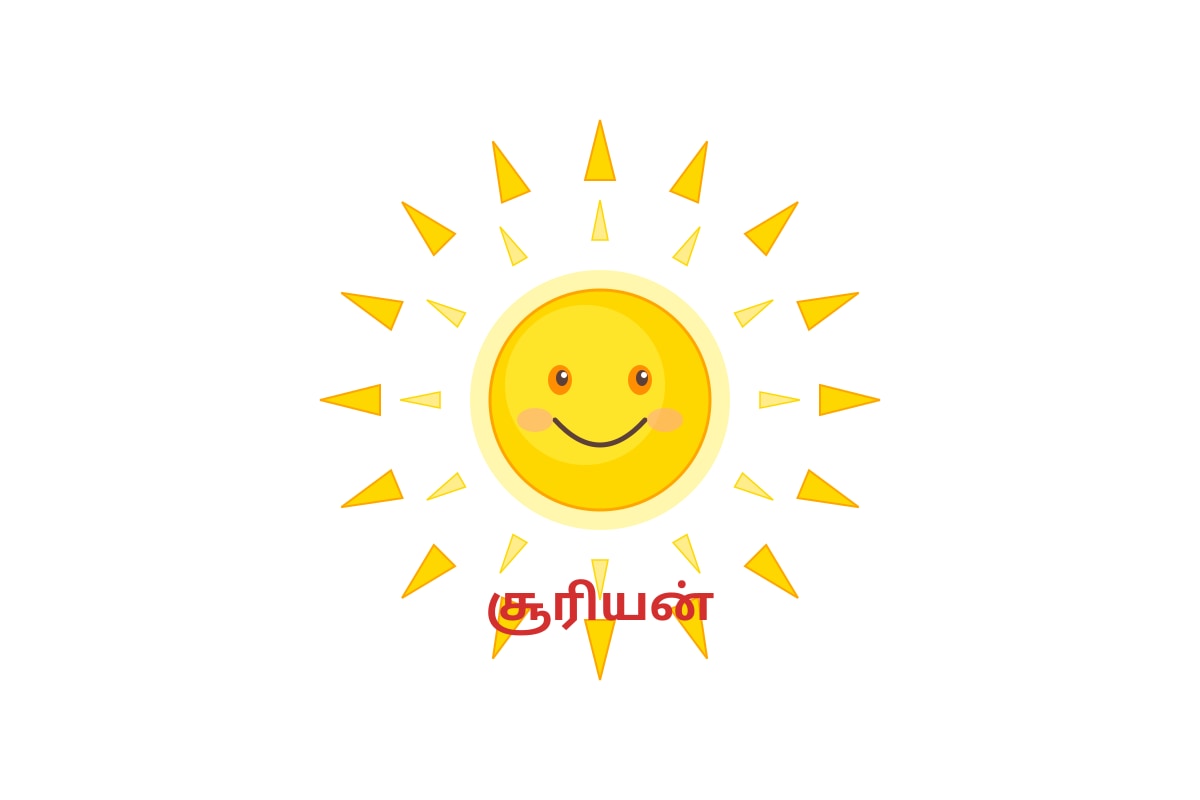
Q1. Answer: சூரியன் (1 mark)
Teaching note: சூரியன் means "sun" in Tamil. It is a common noun that Primary 1 students learn early. The word combines the letter சூ with the mei letter ரி and the ending யன். Students should recognize the sun as a bright, warm object in the sky. Common mistake: Some students may write சன் (from English) or describe it with color words only.
Expected visual from Q1-fig1: Round yellow sun with radiating rays.
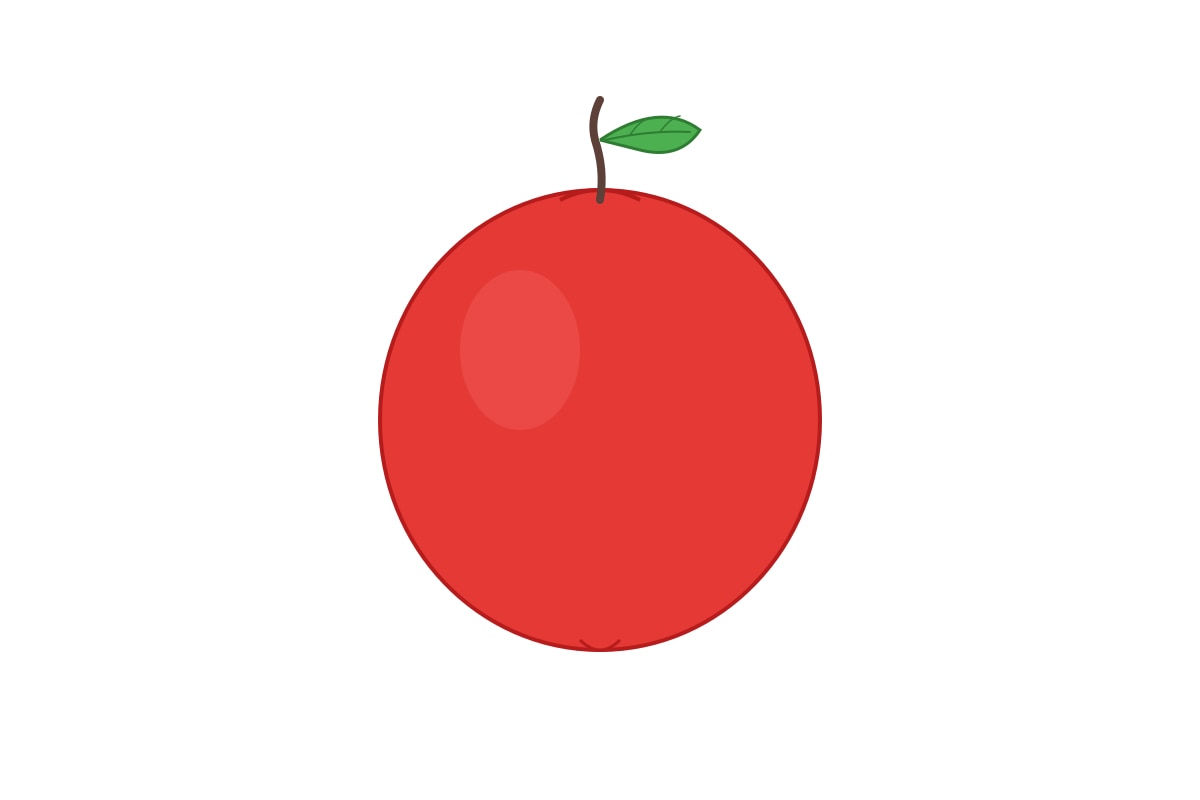
Q2. Answer: ஆப்பிள் (1 mark)
Teaching note: ஆப்பிள் means "apple" in Tamil. This is a loan word adapted into Tamil script. The long ஆ sound at the beginning (ஆப்) helps distinguish it. Students learn this as a common fruit name. Common mistake: Confusion with மா (mango) or திராட்சை (grape).
Expected visual from Q2-fig1: Red apple with a small leaf on top.
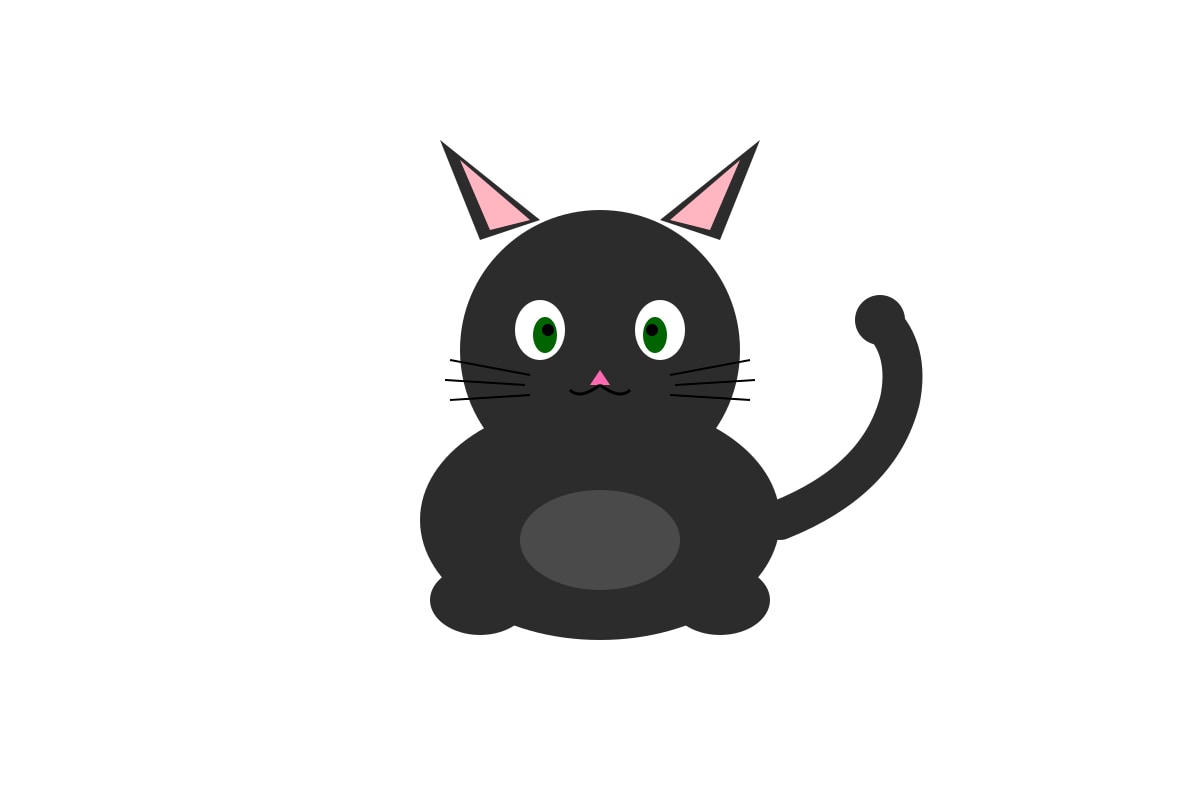
Q3. Answer: பூனை (1 mark)
Teaching note: பூனை means "cat" in Tamil. The word begins with பூ (puu) which relates to soft/small, and ends with னை (nai). This is a familiar animal for young learners. Students should connect the pet animal with this specific Tamil word. Common mistake: Writing மீன் (fish) or நாய் (dog) instead.
Expected visual from Q3-fig1: Black cat with pointed ears, tail, and whiskers sitting.
Q4. Answer: பந்து (1 mark)
Teaching note: பந்து means "ball" in Tamil. This is a simple, common word used in playground contexts. The letters ப, ந், து combine with the explicit sound marker. Students learn this in relation to games and play. Common mistake: Some may write கோல் (stick/rod) or describe the color instead of giving the noun.
Expected visual from Q4-fig1: Round ball, simple and clearly recognizable.
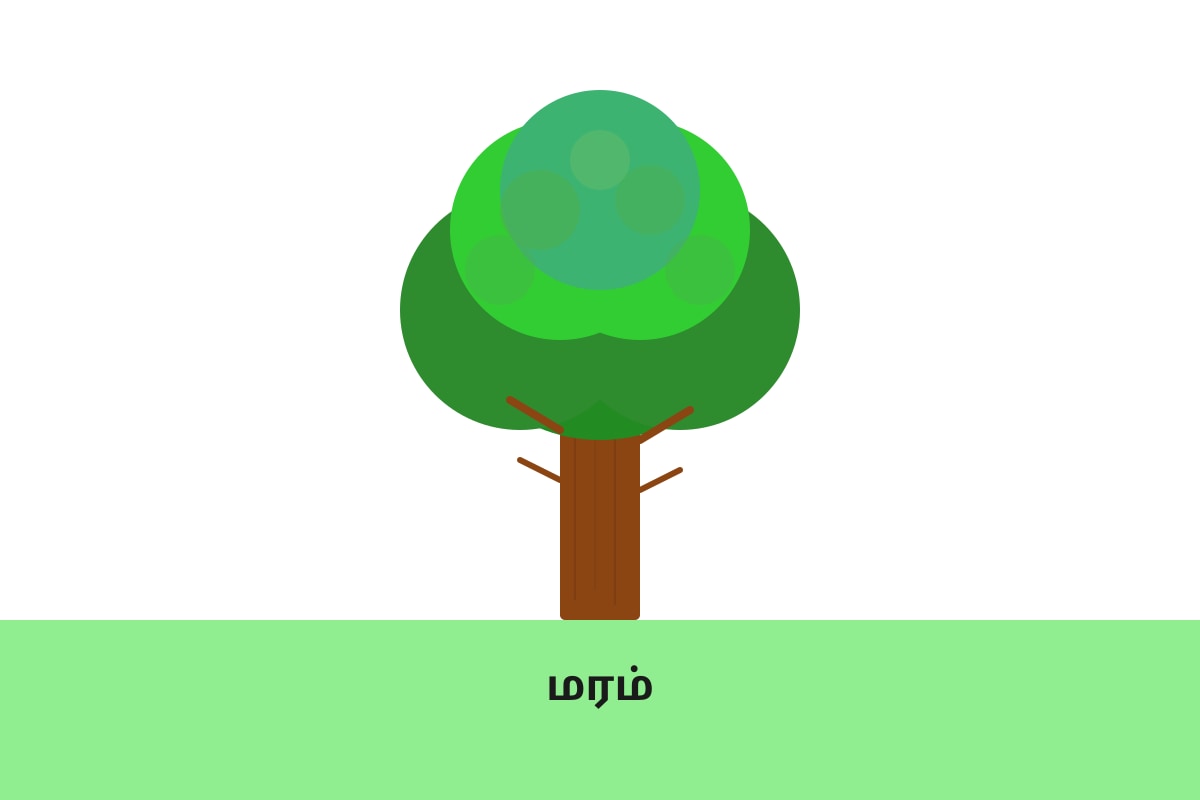
Q5. Answer: மரம் (1 mark)
Teaching note: மரம் means "tree" in Tamil. The word contains the consonant ம (ma) with the ara sound (ர), making மர, plus the am ending. Students learn nature vocabulary including this fundamental word. The tree provides shade and is common in Tamil poetry and stories. Common mistake: Confusion with பூ (flower) or ilai (leaf) — writing parts instead of the whole.
Expected visual from Q5-fig1: Green tree with brown trunk, leafy top.
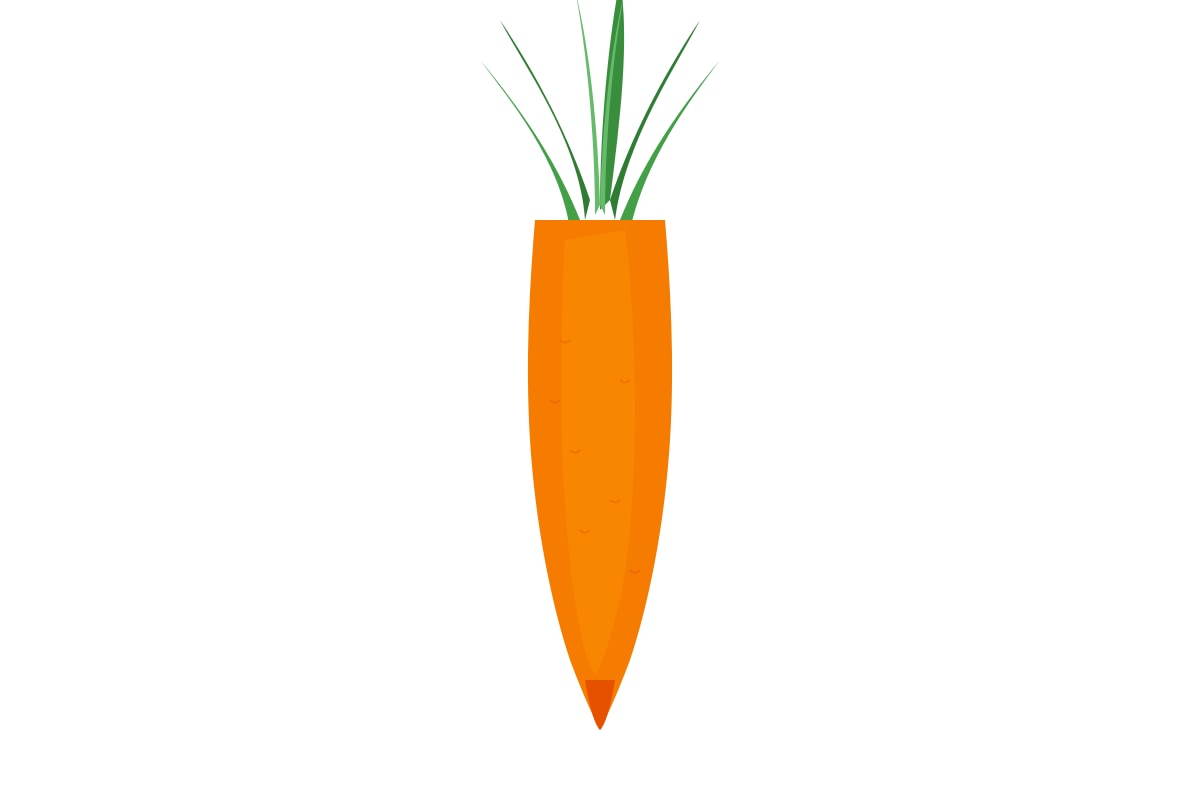
Q6. Answer: கேரட் (1 mark)
Teaching note: கேரட் means "carrot" in Tamil. This is another adapted loan word. The long sound கே (kē) begins the word. Students learn vegetable names alongside fruit names. The orange color is distinctive. Common mistake: Writing வெங்காயம் (onion) or palate (potato) — other root vegetables.
Expected visual from Q6-fig1: Orange carrot with green leaves on top.
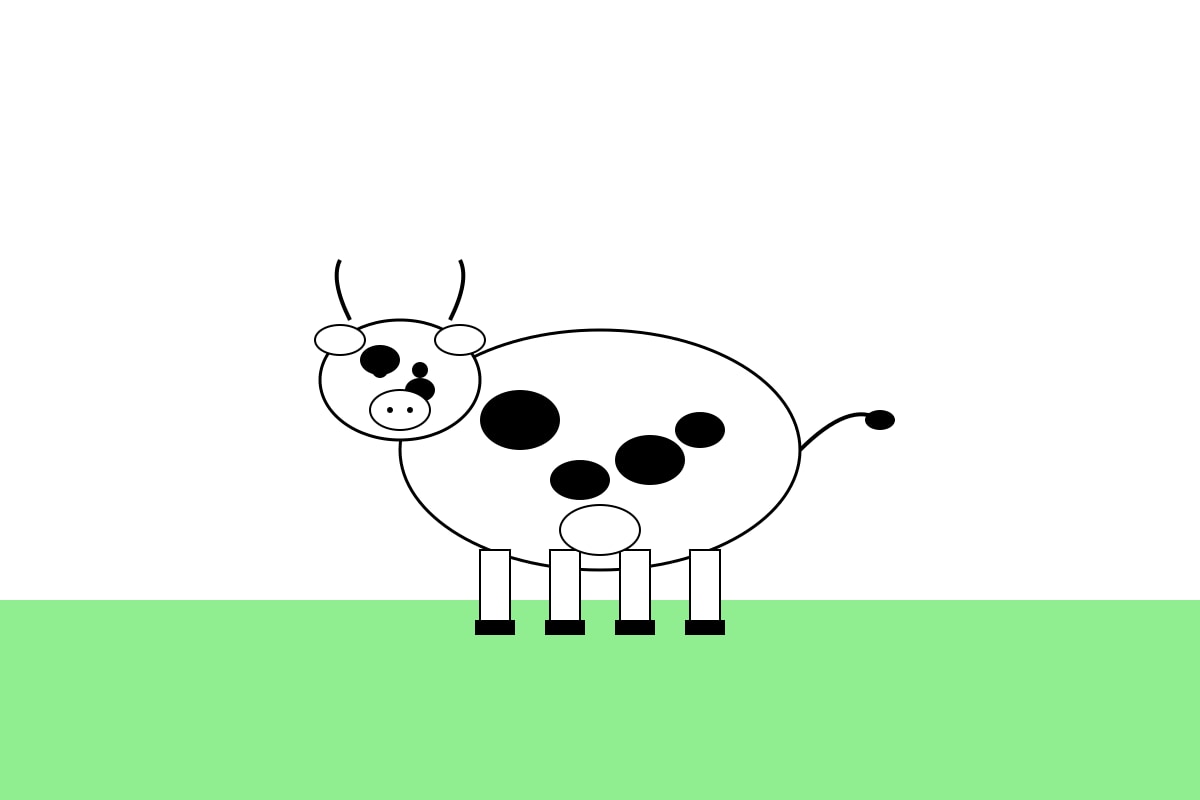
Q7. Answer: மாடு (1 mark)
Teaching note: மாடு means "cow" in Tamil. This is an important animal in Tamil culture and agriculture. The word is short and combines மா (maa, long 'a') with டு (du). Students often learn this with other farm animals. Common mistake: Writing யானை (elephant) or குதிரை (horse) — other four-legged animals.
Expected visual from Q7-fig1: White cow with black spots, four legs, tail visible.
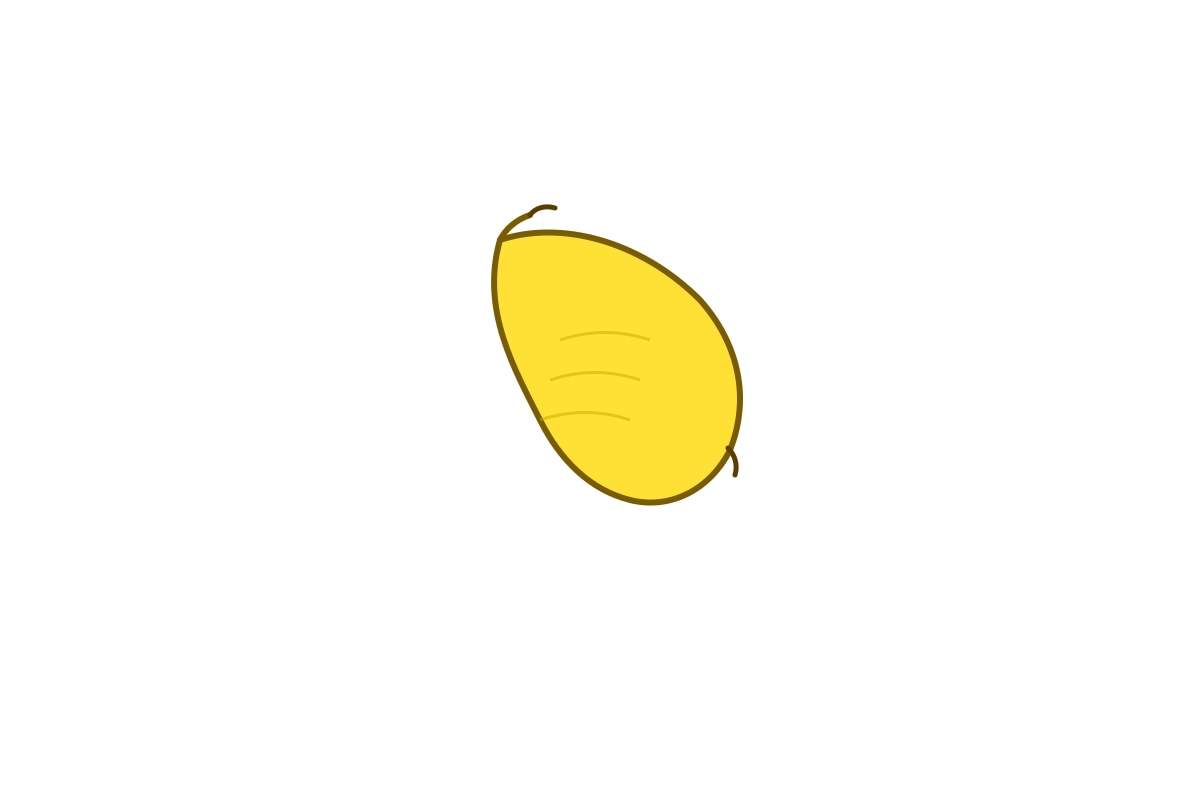
Q8. Answer: வாழைப்பழம் (1 mark)
Teaching note: வாழைப்பழம் means "banana" in Tamil. This is a compound word: வாழை (vaazhai = banana tree/plant) + பழம் (pazham = fruit). The full word specifies banana fruit. Students learn this as a very common fruit in Tamil households. Common mistake: Writing simply வாழை (the plant, not the fruit) or just பழம் (fruit, generic).
Expected visual from Q8-fig1: Yellow curved banana.
Section A Total: 8 marks
Section B: Word Recognition and Meaning (Questions 9–14)
Q9. Model Answer: என் அம்மா அழகானவள். (My mother is beautiful.) OR அம்மா சமையலறையில் இருக்கிறார். (Mother is in the kitchen.) OR any grammatically acceptable simple sentence with "அம்மா". (2 marks)
Marking scheme:
- 2 marks: Complete sentence in Tamil with "அம்மா" used correctly in context
- 1 mark: Phrase with "அம்மா" but not a complete sentence, or sentence with significant errors
- 0 marks: Missing "அம்மா", or answer in wrong language
Teaching note: அம்மா means "mother" — the most fundamental family term in Tamil. Students should construct simple subject-verb or subject-adjective sentences. The word அம்மா functions as a noun and can be the subject or object. Encourage students to add simple descriptors (என் = my, நல்ல = good, அழகான = beautiful) to show understanding beyond mere repetition. Common mistake: Writing only "அம்மா" with no sentence structure, or using English word order.
Q10. Model Answer: நான் பள்ளிக்குச் செல்கிறேன். (I go to school.) OR பள்ளி வளாகம் பெரியது. (The school compound is big.) OR any grammatically acceptable simple sentence with "பள்ளி". (2 marks)
Marking scheme:
- 2 marks: Complete sentence in Tamil with "பள்ளி" used correctly
- 1 mark: Phrase with "பள்ளி" but not complete sentence, or significant grammatical errors
- 0 marks: Missing "பள்ளி", or answer in wrong language
Teaching note: பள்ளி means "school" — from the historical Tamil Buddhist/Pallava school tradition, now used universally. The word takes locative case பள்ளிக்கு (to school) or can be used as subject. Students should show they understand this as a place of learning. Common mistake: Confusion with வீடு (house) or writing only "I like school" in English.
Q11. (a) Answer: ஆ (1 mark)
(b) Answer: இ (1 mark)
Teaching notes: These are the first four uyir ezhuthu (வரிசை எழுத்துக்கள்) in Tamil: அ (a - short), ஆ (aa - long), இ (i - short), ஈ (ii - long).
- ஆ has the long 'a' sound as in "father" — visually it is அ with an extra stroke (ா)
- இ has the short 'i' sound as in "sit" — visually distinct with two dots or a small form
Students must distinguish short and long vowels, which is fundamental to Tamil pronunciation and meaning. Common mistake: Confusing இ and ஈ (both have 'i' sounds but different lengths), or selecting அ for (a) because it is the first letter without recognizing the "long" requirement.
Total: 2 marks
Q12. (a) Answer: நான் நீர் குடிக்கிறேன். OR நான் தண்ணீர் குடிக்கிறேன். (1 mark)
(b) Answer: [Drawing of water/wave/tap] OR தண்ணீர் (1 mark)
Teaching notes:
- நீர் (neer) is the classical/formal word for water in Tamil, seen in place names like நீர்க்கோவில்.
- தண்ணீர் (than-neer) is the everyday spoken term — literally "cool-water."
- Both answers acceptable at Primary 1 level. The sentence structure needs: நான் (I) + object + verb குடிக்கிறேன் (drink-present continuous).
Common mistake: Writing just "குடிக்கிறேன்" without subject, or confusing with வெந்நீர் (hot water).
Total: 2 marks
Q13. Answers: (i) B, (ii) A, (iii) D, (iv) C (2 marks total, 0.5 mark each)
Teaching note: Tamil family terms show respect and precise relationship marking:
| Term | Meaning | Root/Note |
|---|---|---|
| அப்பா | Father | Intimate term, also அக்காரன் (formal) |
| பாட்டி | Grandmother | From பாட்டு (story/song) — the storyteller |
| தாத்தா | Grandfather | Respected elder term |
| அண்ணன் | Older brother | From அன்னியன் — distinguishes from தம்பி (younger brother) |
The Tamil kinship system is more precise than English, marking elder/younger distinction for siblings. Students learn these through family role-play. Common mistake: Swapping grandmother and grandfather (பாட்டி/தாத்தா), or confusing அண்ணன் with அப்பா.
Total: 2 marks
Q14. (a) Answer: பச்சை (1 mark)
(b) Answer: மஞ்சள் (1 mark)
Teaching notes: Tamil color words with cultural associations:
- சிவப்பு (sivappu): Red — auspicious color, associated with marriage, bravery (சிவப்பு மாலை = red garland)
- மஞ்சள் (manjal): Yellow/Turmeric — sacred color, used in ceremonies (மஞ்சள் நீராட்டு = turmeric bath)
- பச்சை (pachchai): Green — from பசு (fertile), associated with nature and growth
- நீலம் (neelam): Blue/Indigo — the dark portion of twilight, also a gemstone
Students should connect colors to everyday objects: பச்சை இலை (green leaf), மஞ்சள் மலர் (yellow flower). Common mistake: Confusing மஞ்சள் with orange (ஆரஞ்சு — actually from English) or confusing all warm colors.
Total: 2 marks
Section B Total: 12 marks
Section C: Simple Sentences and Usage (Questions 15–18)
Q15. (a) Answer: அம்மா (1 mark)
(b) Model Answer: என் அம்மா வீட்டில் இருக்கிறார். OR என் தாய் வீட்டில் உளார். (2 marks)
Marking scheme for (b):
- 2 marks: Correct sentence with என் (my) + அம்மா/தாய் + வீட்டில் + appropriate verb
- 1 mark: Correct meaning but grammatical errors (missing என், wrong verb ending, etc.)
- 0 marks: Unintelligible or wrong language
Teaching notes:
- அம்மா is the answer for (a) — direct extraction from the given sentence.
- For (b), students must transform "அம்மா" to "என் அம்மா" (my mother) or use the more formal தாய் (thaay = mother, literary/respectful).
- The verb இருக்கிறார் (irukkiraar) is present tense for respected female — Tamil verbs honor status and gender.
Common mistake in (b): Writing "என் அம்மா" without completing the sentence, or using என் with wrong form (should precede, not follow).
Total: 3 marks
Q16. Answer: நான் பள்ளிக்குப் போகிறேன். (3 marks)
Marking scheme:
- 3 marks: Perfect word order with proper case marking (பள்ளிக்குப் with demonstrative/pu pulli)
- 2 marks: Correct words but minor error in case ending (பள்ளிக்கு without pu pulli) or spacing
- 1 mark: Words present but jumbled order, or major grammatical error
- 0 marks: Missing key words or wrong language
Teaching notes: Tamil word order is Subject-Object-Verb (SOV), unlike English SVO. The correct structure:
- நான் (naan) = I — subject, first person singular
- பள்ளிக்கு (pallikku) = to school — dative/destination case, marked with -க்கு
- போகிறேன் (pogirein) = am going — first person singular present continuous
The பு pulli (்) on க்குப் is a sandhi rule: when a word ending in 'u' is followed by a word beginning with 'p', the consonant assimilates. This is advanced for P1 but exposing students to proper forms builds foundation.
Common mistake: English word order "பள்ளிக்கு நான் போகிறேன்" (understood but ungrammatical) or missing the case ending entirely.
Total: 3 marks
Q17. (a) Answer: பென்சில் (1 mark)
(b) Answers: புத்தகம், மேஜை (2 marks — 1 mark each word in correct position)
Marking scheme for (b):
- 2 marks: Both words correct with proper order (book first, then table)
- 1 mark: Correct words but wrong order, or one word missing
- 0 marks: Wrong words entirely
Teaching notes:
- பென்சில் (pencil) — loan word from English, with explicit Tamil pronunciation marking
- புத்தகம் (book) — from புத்த (buddha, wisdom) + அகம் (interior), originally any written work
- மேஜை (table) — from Portuguese mesa via trade connections
Sentence (b) structure: புத்தகம் மேஜை மேல் இருக்கிறது. (The book is on the table.)
The postposition மேல் (mel = on/above) requires the object to precede it. Students learn spatial relationships: மேல் (on), கீழ் (under), உள்ளே (inside), வெளியே (outside).
Common mistake: Using பென்சில் in (b) because it's familiar, or writing மேஜை first (would mean "table is on the book").
Total: 3 marks
Q18. (a) Answer: வணக்கம் (1 mark)
(b) Model Answer: காலை வணக்கம் OR சுபோதயம் (2 marks)
Marking scheme for (b):
- 2 marks: Appropriate morning greeting in Tamil
- 1 mark: Generic வணக்கம் (not specifically morning) or slight error
- 0 marks: English greeting or inappropriate phrase
Teaching notes:
- வணக்கம் (vanakkam) — from வணங்கு (to bow/respect), the universal Tamil greeting with palms together. The response to வணக்கம் is the same word.
- காலை வணக்கம் (kaalai vanakkam) = "morning respect" — specific morning greeting
- சுபோதயம் (subothayam) = "good dawn" — Sanskrit-derived formal morning greeting, common in schools
The greeting system reflects Tamil culture's emphasis on respect and time-appropriateness. Students learn that வணக்கம் literally means "I bow to you" (the divine in you).
Common mistake: Writing நன்றி (thanks) or பரவாயில்லை (it's okay) — wrong context entirely. Some may say "குட் மார்னிங்" in English script.
Total: 3 marks
Section C Total: 12 marks
Section D: Listening and Response (Questions 19–20)
Q19. (a) Answer: [Drawing of black bird with beak, wings, tail] OR காகம் கருப்பு நிறப் பறவை. வலுவான அலகு உடையது. OR equivalent description (2 marks)
(b) Answer: கருப்பு OR black (2 marks)
Marking scheme for (a):
- 2 marks: Recognizable drawing or accurate Tamil description mentioning key features (black color, beak, bird type)
- 1 mark: Partial recognition (wrong bird but black, or right bird wrong color)
- 0 marks: Completely wrong animal
Teaching notes:
- காகம் (kaagam) = crow — the most common bird in Tamil poetry and folklore, often symbolizing foresight or messengers
- Key identifying features: all-black plumage, strong curved beak (அலகு), distinctive "kaa-kaa" call
- In Tamil literature, crows are associated with: feeding ancestors (காக்கைக்கு தினம் ஒன்று), rain prediction, and loyalty
Students should connect the spoken word to visual/conceptual knowledge. The listening component tests phonemic awareness (கா-கம் has distinctive sounds).
Common mistake: Drawing a parrot (கிளி) or pigeon (புறா) — other common birds. Some may write "bird" in English without specifying.
Total: 4 marks
Q20. (a) Answer: எழுதுகோல் OR பென்சில் (2 marks)
(b) Answer: என் பெயர் OR என் பெயரை (2 marks)
Marking scheme:
- (a) 2 marks: Correct Tamil word for writing instrument; 1 mark if description given but not exact word; 0 marks if wrong
- (b) 2 marks: Correct object with case marking; 1 mark for பெயர் without possessive; 0 marks if wrong
Teaching notes: The instruction breaks into two audible chunks:
-
"எழுதுகோலை எடு" (ezhutukolai edu) = "Take the writing instrument"
- எழுதுகோல் (ezhuthukol) = writing stick/pen/pencil — compound of எழுது (write) + கோல் (stick/rod)
- எடு (edu) = take (imperative, informal)
- The accusative case -ஐ (ai) marks the object being taken
-
"நோட்டில் உன் பெயரை எழுது" (noottil un peyrai ezhuthu) = "In the notebook, your name write"
- நோட்டில் (noottil) = in the notebook — locative case
- உன் (un) = your — informal singular possessive
- பெயரை (peyarai) = name — accusative case (thing being written)
- எழுது = write
Students must understand imperative commands and case markers through listening. This tests real classroom functionality.
Common mistake: Writing "book" (புத்தகம்) instead of "notebook" (நோட்/நோட்டு), or missing the possessive உன் (your) in the response.
Total: 4 marks
Section D Total: 8 marks
GRAND TOTAL: 40 MARKS
Section breakdown:
- Section A: 8 marks
- Section B: 12 marks
- Section C: 12 marks
- Section D: 8 marks
Overall performance guidance:
- 36–40 marks: Excellent foundation in P1 Tamil vocabulary
- 28–35 marks: Good progress, some areas need reinforcement
- 20–27 marks: Developing, focus on letter-sound recognition and basic sentences
- Below 20 marks: Additional support needed in listening and basic vocabulary
Answer key Version 5. Generated for syllabus-aligned Primary 1 Tamil practice.