AI Generated Exam Paper
Primary 1 Tamil Practice Paper 3
Free P1 Tamil Practice Paper 3, Kimi2.6 AI version, with questions, answers, and syllabus-aligned practice for Singapore students.
These static practice materials are generated from the site's syllabus and paper-generation workflow, with source and model context shown so students and parents can evaluate the material before use.
Questions



Free quiz and exam paper access
Enter your details to view this paper
Your access is remembered on this device.
Answers
Primary 1 Tamil Quiz - Vocabulary (Answer Key)
Total Marks: 20
Section A: Picture-Word Matching (Questions 1–5)
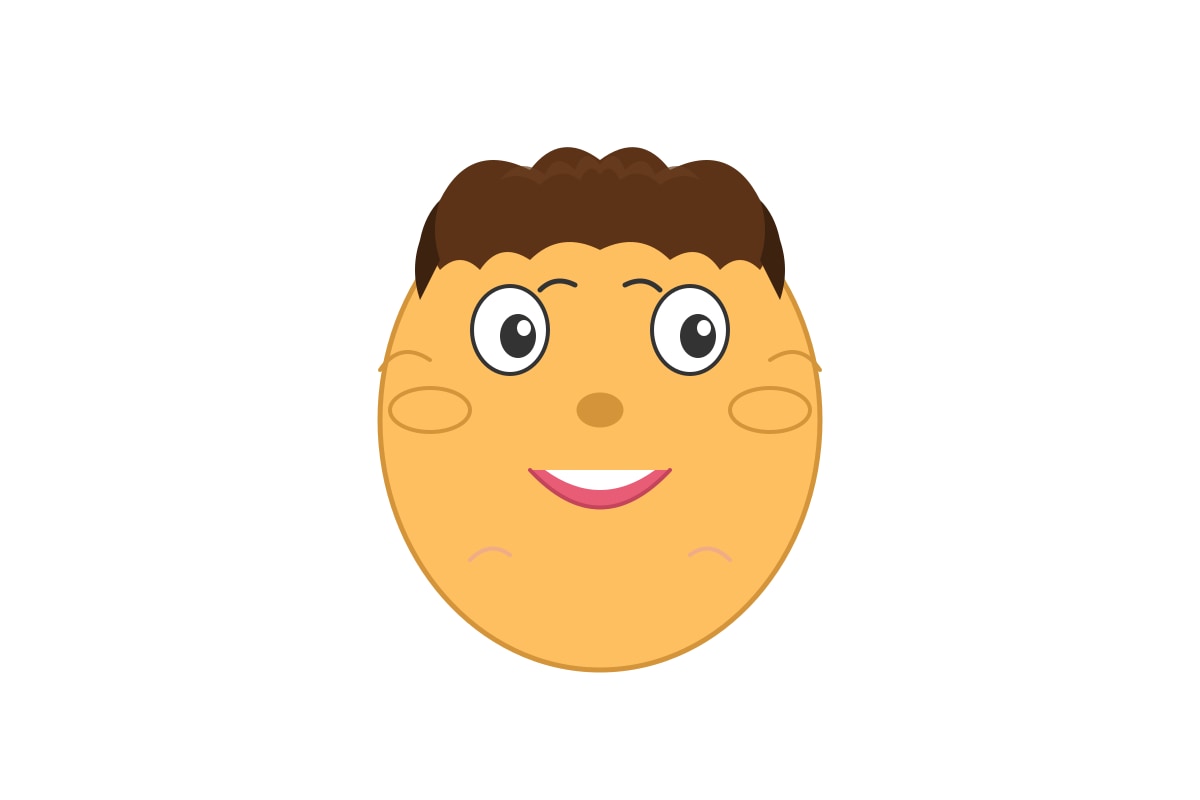
1. சிறுவன் (1 mark)
Teaching note: This picture shows a young boy. The Tamil word சிறுவன் (ciṟuvaṉ) means "boy." At Primary 1 level, students learn basic family and people vocabulary. Common mistake: confusing with சிறுமி (girl). Look for the hair style and facial features typical of a boy in the illustration.
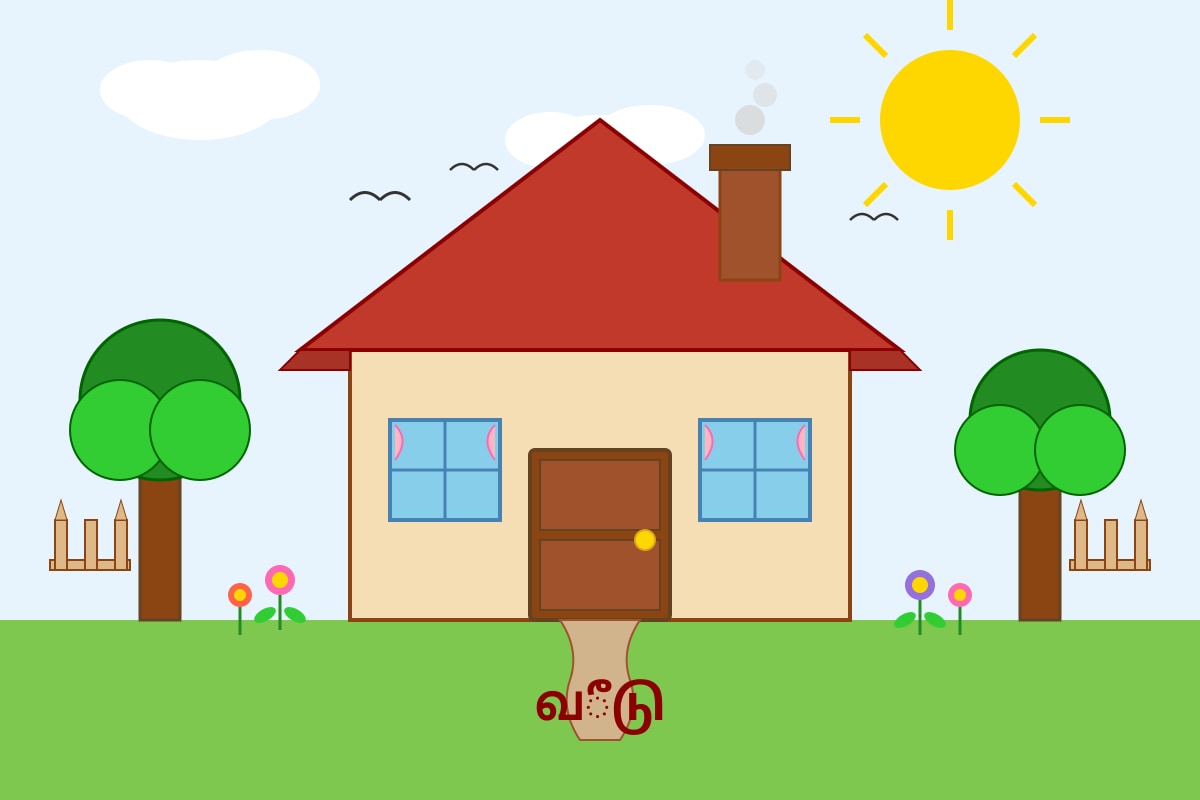
2. வீடு (1 mark)
Teaching note: The picture shows a house. The Tamil word வீடு (vīṭu) means "house" or "home." This is foundational vocabulary for talking about family and daily life. Common mistake: writing வீடி (incorrect spelling). Remember: டு is the correct ending sound.
3. பந்து (1 mark)
Teaching note: The picture shows a red ball. The Tamil word பந்து (pantu) means "ball." This is a common play vocabulary word. Common mistake: confusing with பல் (tooth) or பன்றி (pig). Look at the round shape for a ball.
4. மரம் (1 mark)
Teaching note: The picture shows a tree. The Tamil word மரம் (maram) means "tree." Nature vocabulary is introduced early in Primary 1. Common mistake: confusing மரம் (tree) with புல் (grass). The tall trunk with leafy top identifies it as a tree.
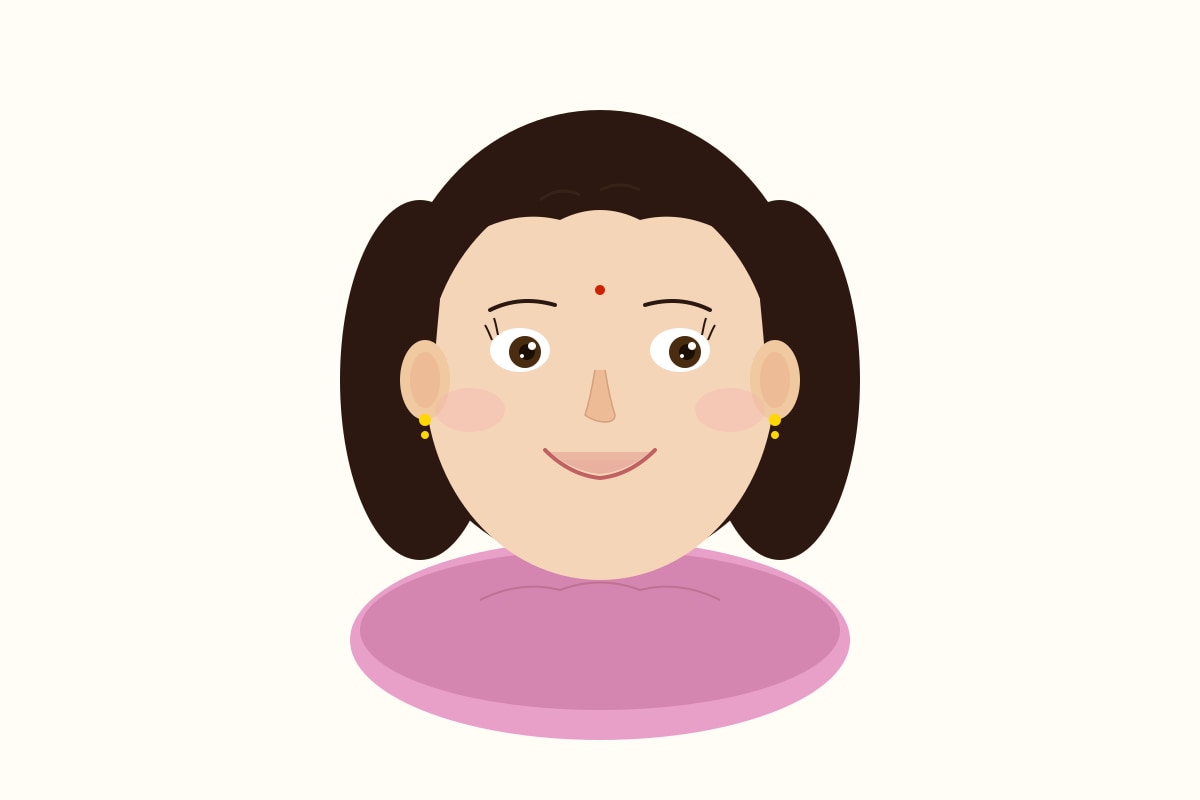
5. அம்மா (1 mark)
Teaching note: The picture shows a mother. The Tamil word அம்மா (ammā) means "mother." Family vocabulary is essential for Primary 1 Tamil. Common mistake: confusing with அப்பா (father) — look for gentle, motherly features in the illustration; mothers typically have longer hair in traditional depictions.
Section B: Tamil-to-English Meaning Matching (Questions 6–10)
6. B (flower) — 1 mark
Teaching note: மலர் (malar) means "flower." The ம் + ல + ர் combination makes this word. Students should recognize this as nature vocabulary.
7. A (water) — 1 mark
Teaching note: நீர் (nīr) means "water." This is a very common word used in daily conversation and prayers. Note: நீர் is also a respectful form of "you" in formal Tamil, but in basic vocabulary contexts it means water.
8. D (book) — 1 mark
Teaching note: புத்தகம் (puttakam) means "book." This is school vocabulary. The word has four syllables: பு-த்-த-கம். Common mistake: matching with "school" because books are found in schools, but the word specifically means book.
9. C (school) — 1 mark
Teaching note: பள்ளி (paḷḷi) means "school." This is where students learn. Common mistake: confusing with பள்ளம் (pit/hole) — note the ending ளி not ளம்.
10. E (sun) — 1 mark
Teaching note: சூரியன் (cūriyaṉ) means "sun." This is nature/celestial vocabulary. The word contains the ூ long vowel sound. Common mistake: misreading as சூடு (heat).
Section C: Fill in the Missing Letter (Questions 11–15)
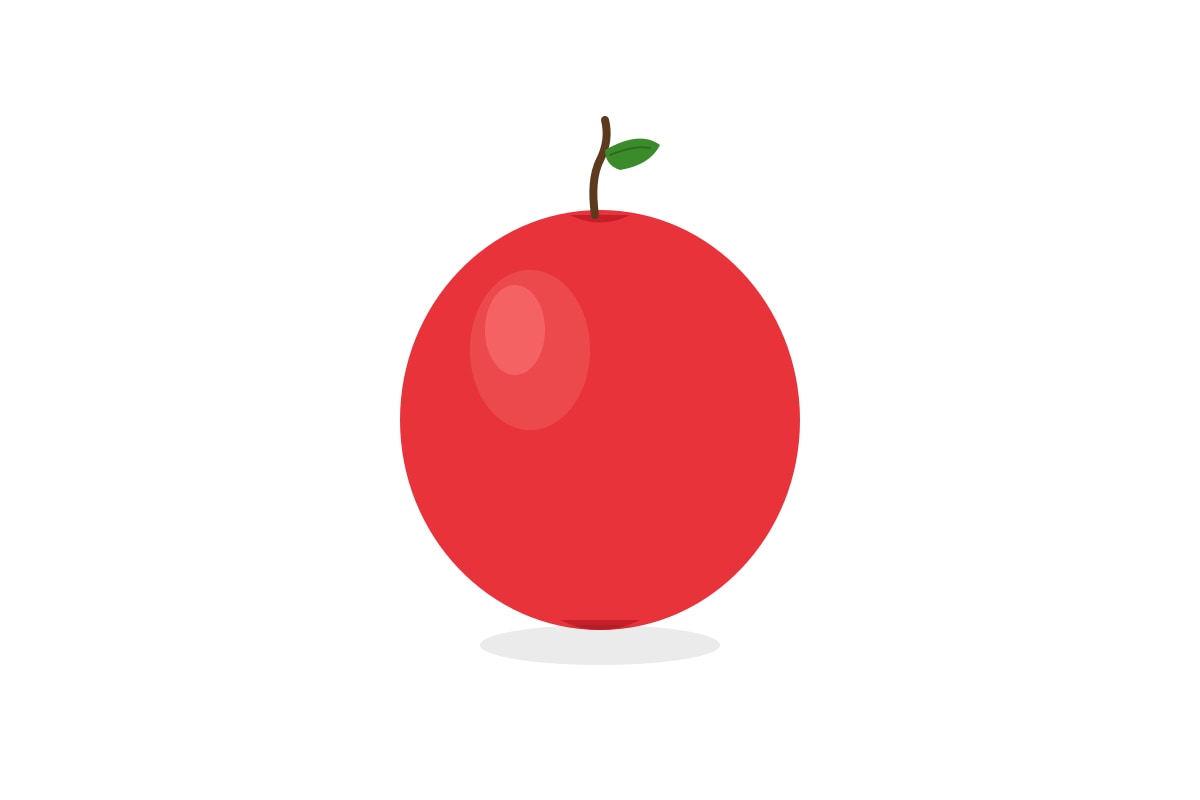
11. ஆப்பிள் பழம் or அ (1 mark)
Teaching note: The picture shows an apple. The complete word is ஆப்பிள் பழம் (apple fruit) or accept அப்பிள் as young learners may write. The missing first letter is ஆ or அ.
For full answer: ஆப்பிள் — the first letter ஆ is the long 'a' vowel. Common mistake: Using அ (short 'a') instead of ஆ. Both may be accepted at Primary 1 level as learners are still mastering vowel length distinctions.
12. யானை (1 mark)
Teaching note: The picture shows an elephant. The complete word is யானை (yāṉai). The missing first letter is யா.
Breakdown: ய் + ஆ + ன் + ஐ = யானை. The ஐ (ai) ending is the special noun-ending for animals in some cases. Common mistake: writing எ instead of யா — remember elephants start with the 'ya' sound, not 'e'.
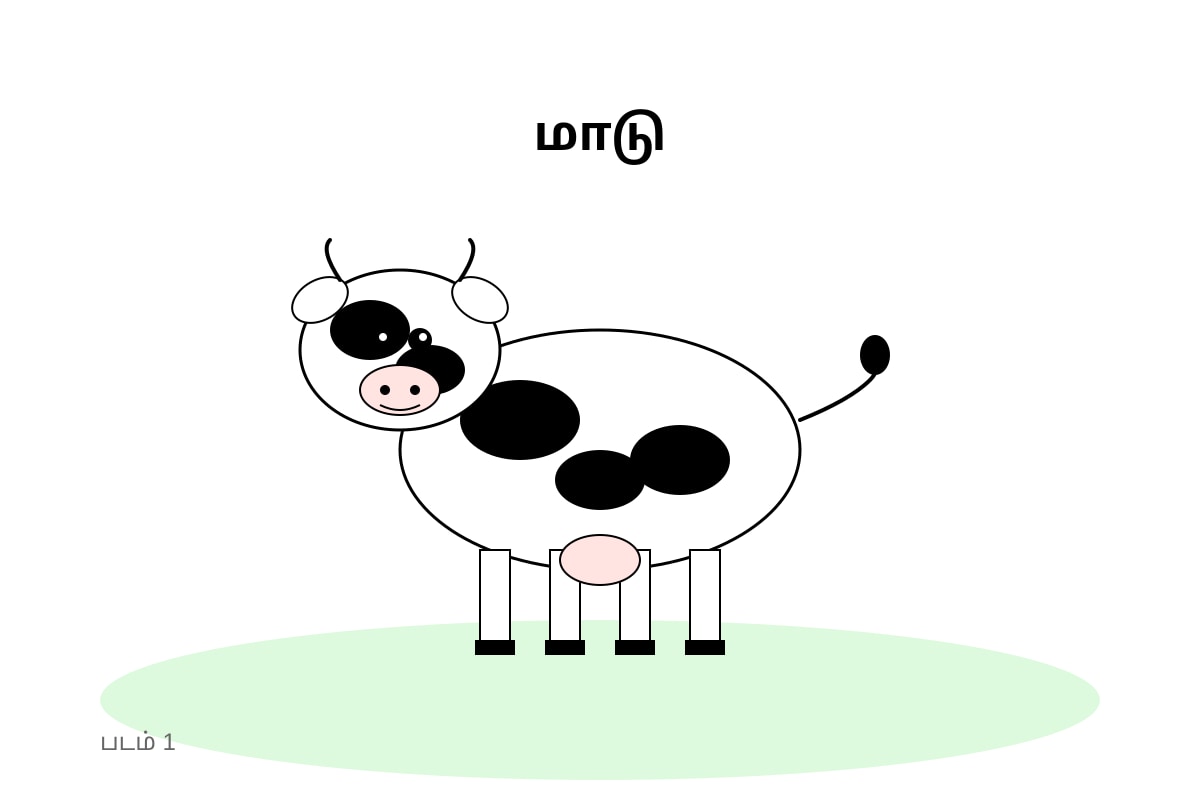
13. மாடு (1 mark)
Teaching note: The picture shows a cow. The complete word is மாடு (māṭu). The missing first letter is மா.
Breakdown: ம் + ஆ + ட் + உ = மாடு. The long ஆ vowel is important. Common mistake: using short ம (ma) instead of long மா (mā). Also note டு ending, not று — these are different consonants in Tamil.
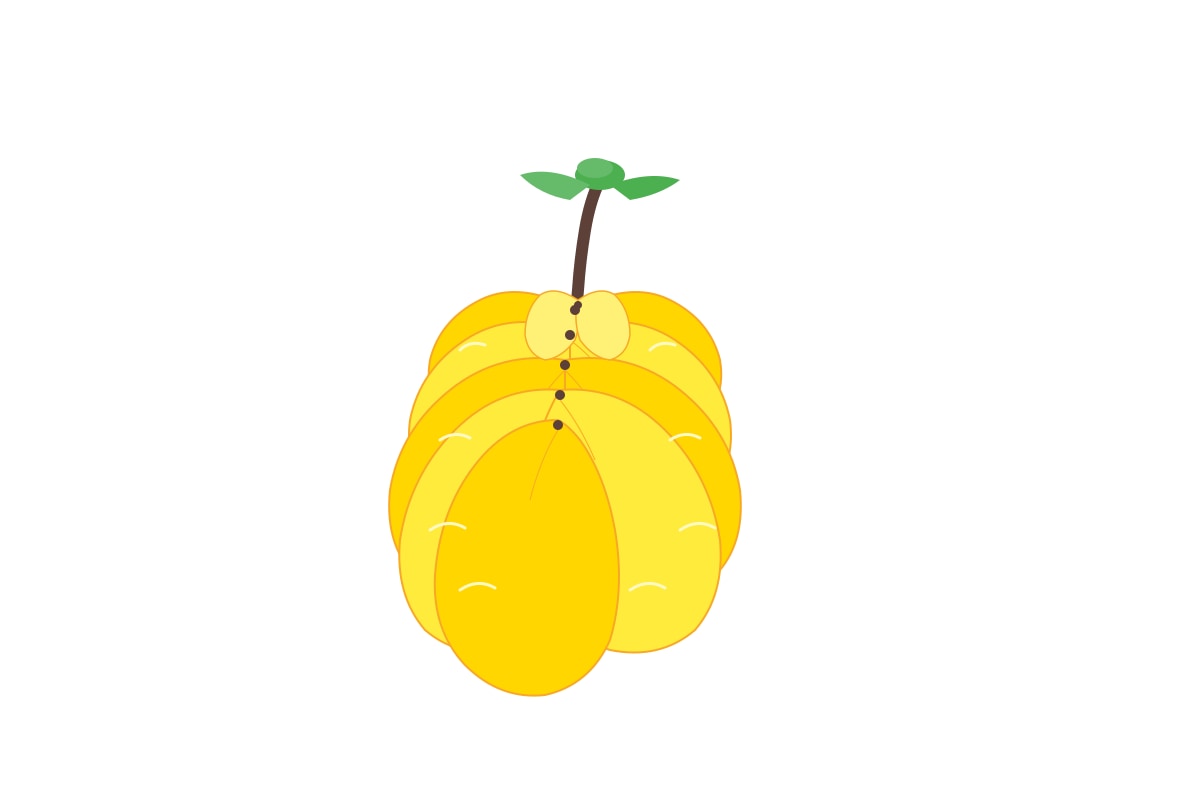
14. வாழைப்பழம் or வாழை (1 mark)
Teaching note: The picture shows bananas. The complete word is வாழைப்பழம் (banana fruit) or simply வாழை (banana). The missing first letters are வா.
The word வாழை contains the ழ (ḻ) sound, which is a distinctive Tamil retroflex approximant that non-native speakers often find challenging. Common mistake: using ல (la) instead of ழ (ḻa) — this changes the word's pronunciation and meaning significantly.
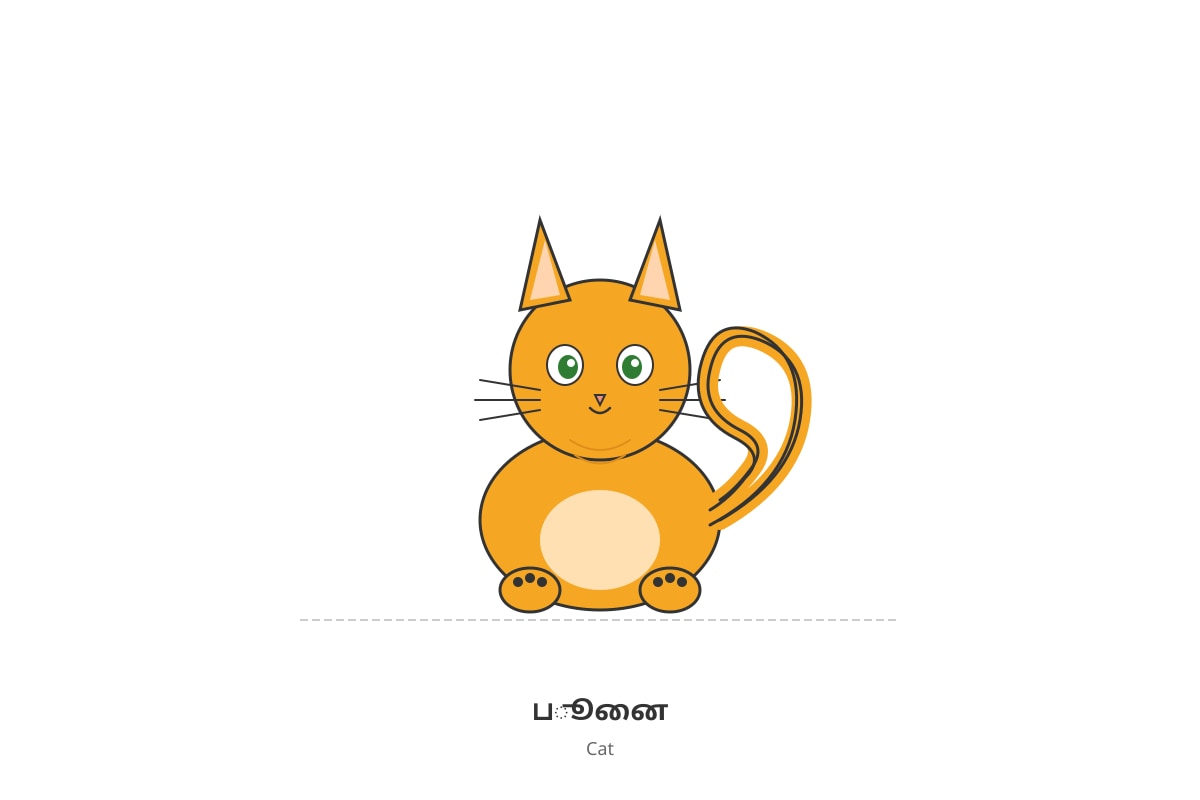
15. பூனை (1 mark)
Teaching note: The picture shows a cat. The complete word is பூனை (pūṉai). The missing first letter is பூ.
Breakdown: ப் + ஊ + ன் + ஐ = பூனை. The ஊ (long 'u'/oo sound) is crucial. Common mistake: using பு (short 'u') instead of பூ (long 'ū'). Also note the னை ending — cats in Tamil end with this special sound combination.
Section D: Choose the Correct Word (Questions 16–20)
16. அண்ணன் (1 mark)
Teaching note: The sentence reads: "My ________'s name is Raju." அண்ணன் (aṇṇaṉ) means "older brother."
Context clue: "Raju" is a male name, so we need a male family member. தம்பி (younger brother) could also fit grammatically, but "my younger brother's name" would be less common phrasing for self-introduction. அம்மா (mother) is female and doesn't match "Raju."
Common mistake: Choosing தம்பி without considering that the sentence structure "My older brother's name is..." is the standard introduction pattern taught in Primary 1.
17. காலை (1 mark)
Teaching note: The sentence reads: "Say ________ greeting." The word காலை (kālai) means "morning," so காலை வணக்கம் means "good morning."
Context clue: The sentence itself contains காலை as a choice, and "morning greeting" logically pairs with "morning." The other option இரவு (night) appears twice as a distractor — once correctly and once as a trick. Students should recognize that காலை is the word that matches with itself in the sentence structure.
Common mistake: Selecting இரவு because it appears first, or not noticing that இரவு is repeated to test attention.
18. பழம் (1 mark)
Teaching note: The sentence reads: "I eat ________." பழம் (paḻam) means "fruit," which is something we eat.
Context analysis: நீர் (water) is drunk, not eaten. மலர் (flower) is not typically eaten in normal contexts. Therefore பழம் is the only logical choice for something "eaten." This tests both vocabulary knowledge and real-world reasoning.
Common mistake: Choosing நீர் and ignoring the verb — in Tamil, we use different verbs for drinking (குடி) versus eating (சாப்பிடு), so the verb itself provides a clue.
19. தமிழ் (1 mark)
Teaching note: The sentence reads: "________ is our country's language." தமிழ் (tamiḻ) means "Tamil," one of Singapore's four official languages and the Mother Tongue being studied.
Context clue: Singapore has four official languages, but this is a Tamil class, so the answer must be தமிழ். ஆங்கிலம் (English) is also an official language, but the sentence structure "our country's language" in a Tamil context points specifically to Tamil as the heritage language. மலாய் (Malay) is the national language of Singapore, not typically identified this way in Tamil instruction contexts.
Common mistake: Choosing ஆங்கிலம் because it is widely spoken — students need to understand that Mother Tongue classes emphasize heritage language identity.
20. ஆசிரியர் (1 mark)
Teaching note: The sentence reads: "In school, the ________ teaches." ஆசிரியர் (āciriyar) means "teacher."
Context analysis: மாணவன் (male student) and மாணவி (female student) are the ones who learn, not teach. Only an ஆசிரியர் performs the action of teaching. This tests both vocabulary and understanding of school roles.
Common mistake: Confusing மாணவன் with ஆசிரியர் — remember that the -ன் and -ர் endings indicate different roles. The -ர் ending is a respectful suffix for teachers and respected persons.
Total: 20 marks