AI Generated Quiz
Primary 1 Mathematics Addition Subtraction Quiz
Free P1 Maths Addition Subtraction quiz, Kimi2.6 AI version, with questions, answers, and syllabus-aligned practice for Singapore students.
These static practice materials are generated from the site's syllabus and paper-generation workflow, with source and model context shown so students and parents can evaluate the material before use.
Questions
Free quiz and exam paper access
Enter your details to view this paper
Your access is remembered on this device.
Answers
Primary 1 Mathematics Quiz - Addition Subtraction: Answer Key
Total Marks: 30 marks
Section A: Simple Addition and Subtraction
[10 marks total]
1. 7
[1 mark]
Explanation: Start with 3, then count on 4 more: 4, 5, 6, 7. Or use your fingers: hold up 3 fingers, then hold up 4 more, count all fingers showing.
2. 4
[1 mark]
Explanation: Start with 9, count backwards 5: 8, 7, 6, 5, 4. Or think: "What number plus 5 makes 9?" Since , then .
3. 13
[1 mark]
Explanation: Use the "make 10" strategy. can be split as . Or count on 7 from 6: 7, 8, 9, 10, 11, 12, 13.
4. 4
[1 mark]
Explanation: Start with 12, count backwards 8: 11, 10, 9, 8, 7, 6, 5, 4. Or use number bonds: since , then .
5. 19
[1 mark]
Explanation: Add the ones: 5 ones + 4 ones = 9 ones. The tens stay the same: 1 ten. So .
6. 14
[1 mark]
Explanation: Start with 20, count backwards 6: 19, 18, 17, 16, 15, 14. Or break it down: , but that's too much, so .
7. 17
[1 mark]
Explanation: Use "make 10" strategy. . Or , so (one less).
8. 8
[1 mark]
Explanation: Use "make 10" strategy for subtraction. . Or think: , so .
9. 28
[1 mark]
Explanation: Add the ones: 3 ones + 5 ones = 8 ones. The tens stay the same: 2 tens. So .
10. 24
[1 mark]
Explanation: Break 31 into 20 and 11. Then , and . Or count backwards from 31: 30, 29, 28, 27, 26, 25, 24 (7 steps).
Section B: Number Bonds and Making Tens
[10 marks total]
11. 2
[1 mark]
Explanation: Number bonds of 10: two numbers that add up to 10. Think "What goes with 8 to make 10?" Count on from 8: 9, 10. That's 2 more. So .
12. 9
[1 mark]
Explanation: Think "What number plus 6 equals 15?" or reverse the addition: . Check: ✓
13. 8
[1 mark]
Explanation: Think "What number taken away from 14 leaves 6?" or "What plus 6 equals 14?" Since , then .
14. 16
[1 mark]
Explanation: Reverse the subtraction: what number minus 9 equals 7? This means . Check: ✓
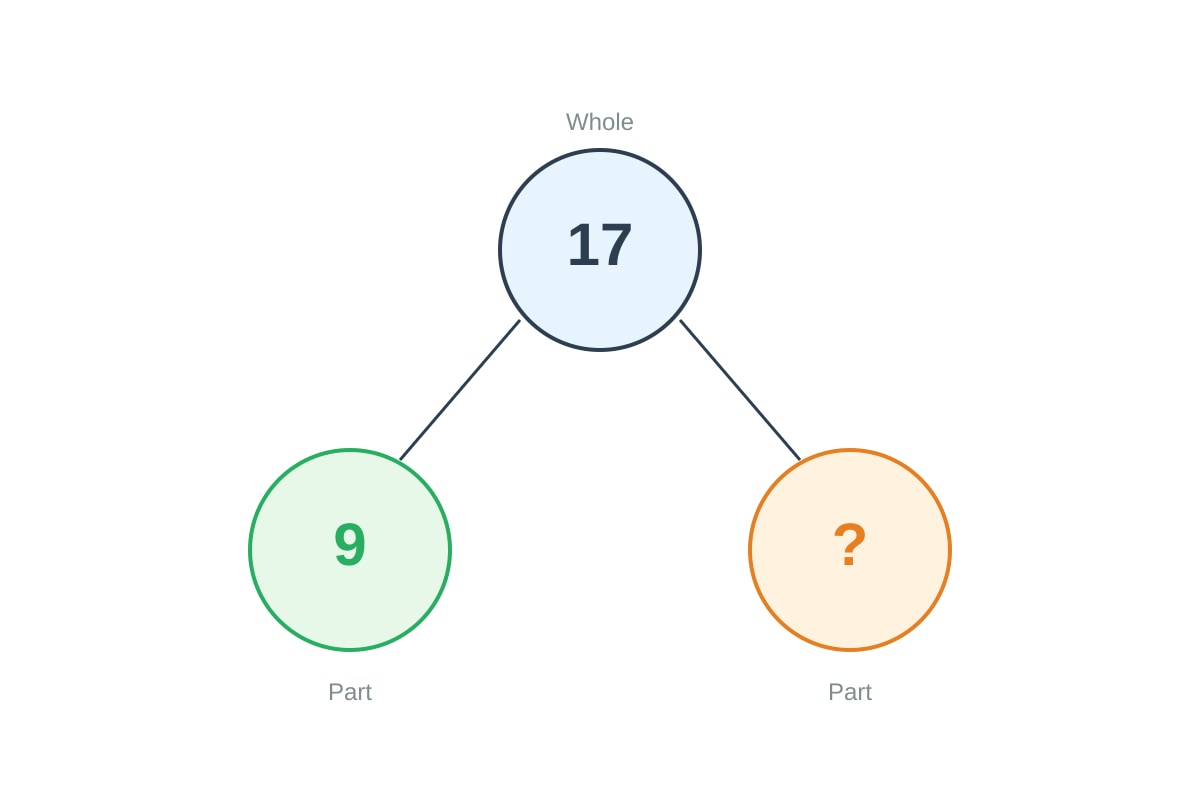
15. The missing number is 8
[2 marks]
Explanation: In a number bond, the top number (whole) equals the sum of the two bottom numbers (parts). So part = whole − other part.
Step 1: Identify the whole (17) and one part (9) Step 2: Missing part = Step 3: (using make 10: , then )
Common mistake: Writing 8 in the circle but not showing understanding of the number bond relationship.
Marking: 1 mark for correct answer, 1 mark for showing number bond understanding
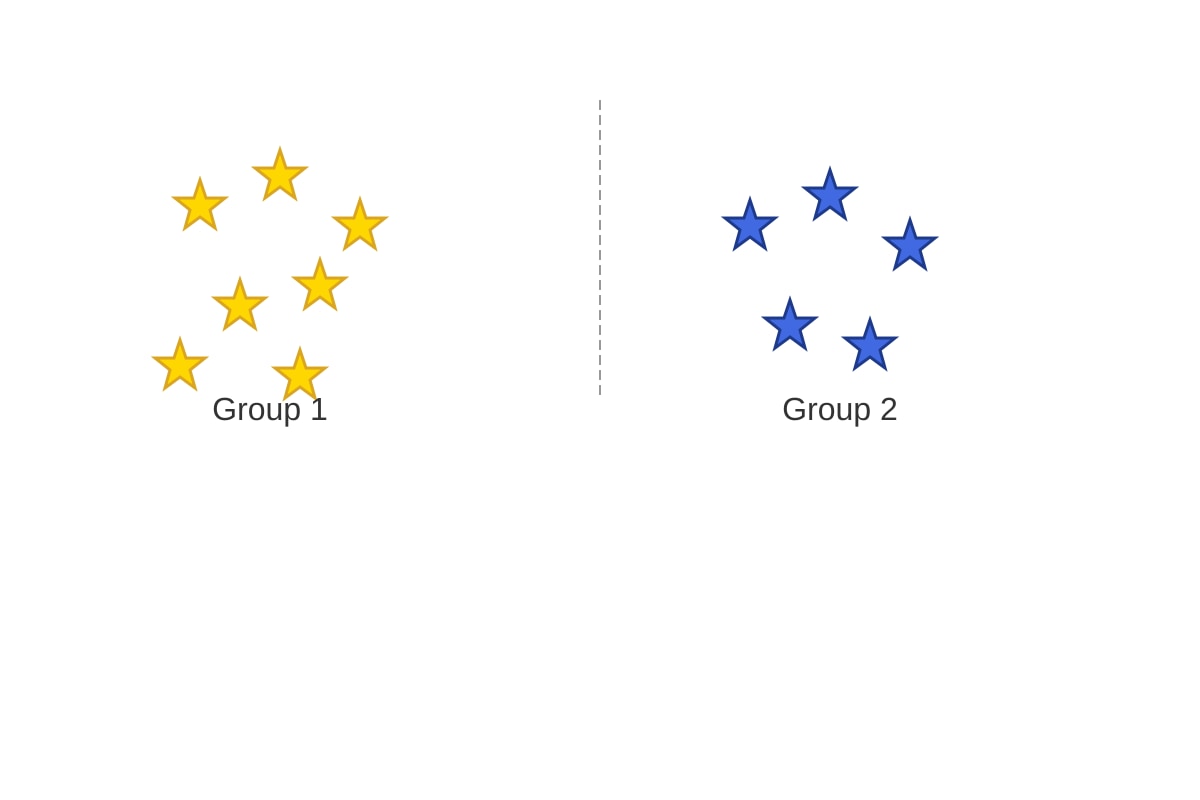
16. 7 5 12
There are 12 stars altogether.
[2 marks]
Explanation: Count the stars in each group from the image. First group has 7 stars, second group has 5 stars. "Altogether" means we add.
Step 1: Count stars in first group = 7 Step 2: Count stars in second group = 5 Step 3: Add:
Use "make 10":
17.
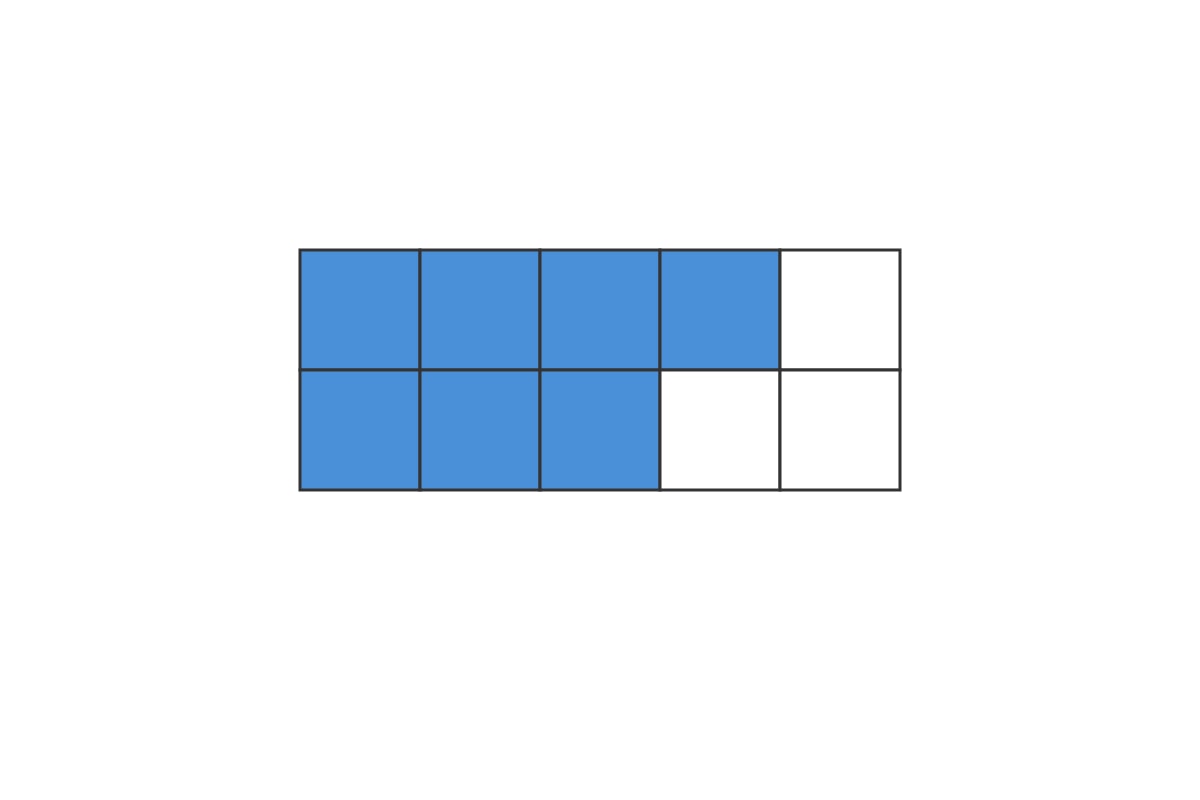
(a) 7 boxes are filled
(b) 3 boxes are empty
(c) 7 3 (or )
[2 marks]
Explanation: A 10-frame always has 10 boxes total. Count the filled (shaded) boxes: 7. The empty boxes are the rest: . The addition sentence shows both parts make the whole: .
Section C: Word Problems
[10 marks total]
18. Mei Ling has 8 stickers left.
[3 marks]
Working:
Step-by-step explanation:
Step 1: Understand the problem. Mei Ling starts with 14 stickers. "Gives away" means we subtract — she has fewer stickers now.
Step 2: Identify the numbers. Start: 14 stickers. Given away: 6 stickers.
Step 3: Choose the operation. "Gives away" → subtraction.
Step 4: Calculate:
Method: Make 10: , then . So .
Step 5: Answer the question. Mei Ling has 8 stickers left.
Marking breakdown:
- 1 mark: Correct operation identified (subtraction) or correct setup
- 1 mark: Correct working shown
- 1 mark: Correct final answer with units
Common mistake: Adding instead of subtracting (). Watch for "gives away," "left," "remaining" — these mean subtraction.
19. There are 17 balloons altogether.
[3 marks]
Working:
Step-by-step explanation:
Step 1: Understand the problem. We have two groups of balloons. "Altogether" means we need to find the total — we add.
Step 2: Identify the numbers. Red balloons: 8. Blue balloons: 9.
Step 3: Choose the operation. "Altogether" → addition.
Step 4: Calculate:
Method: Make 10: . Or , so .
Step 5: Answer the question. There are 17 balloons altogether.
Marking breakdown:
- 1 mark: Correct operation identified (addition) or correct setup
- 1 mark: Correct working shown
- 1 mark: Correct final answer with units
Common mistake: Subtracting instead of adding. Watch for "altogether," "total," "in all" — these mean addition.
20. Raju has 8 more marbles than Kai Wen.
[4 marks]
Working:
Or:
Step-by-step explanation:
Step 1: Understand the problem. We need to compare two amounts. "How many more" means we find the difference — we subtract the smaller number from the larger number.
Step 2: Identify the numbers. Raju: 25 marbles (more). Kai Wen: 17 marbles (fewer).
Step 3: Choose the operation. "How many more" → subtraction (larger − smaller).
Step 4: Calculate:
Method: Break it down. , then . Or: . Or: add up from 17: , , so .
Step 5: Answer the question. Raju has 8 more marbles than Kai Wen.
Marking breakdown:
- 1 mark: Correct understanding (find the difference / "how many more")
- 1 mark: Correct numbers chosen (25 − 17, not 25 + 17)
- 1 mark: Correct working with valid method shown
- 1 mark: Correct final answer with correct wording ("more marbles")
Common mistakes:
- Adding instead: — this would be the total if they combined marbles
- Getting confused with "more than" wording — remember "how many more" always means subtraction of the two numbers
End of Answer Key