AI Generated Exam Paper
Primary 1 Mathematics Practice Paper 5
Free P1 Maths Practice Paper 5, Nemo3 AI version, with questions, answers, and syllabus-aligned practice for Singapore students.
These static practice materials are generated from the site's syllabus and paper-generation workflow, with source and model context shown so students and parents can evaluate the material before use.
Questions
Free quiz and exam paper access
Enter your details to view this paper
Your access is remembered on this device.
Answers
TuitionGoWhere Practice Paper - Mathematics Primary 1 (Answer Key)
Subject: Mathematics
Level: Primary 1
Paper: Practice Paper — Numbers (up to 100)
Total Marks: 40
Section A: Multiple Choice Questions (10 marks)
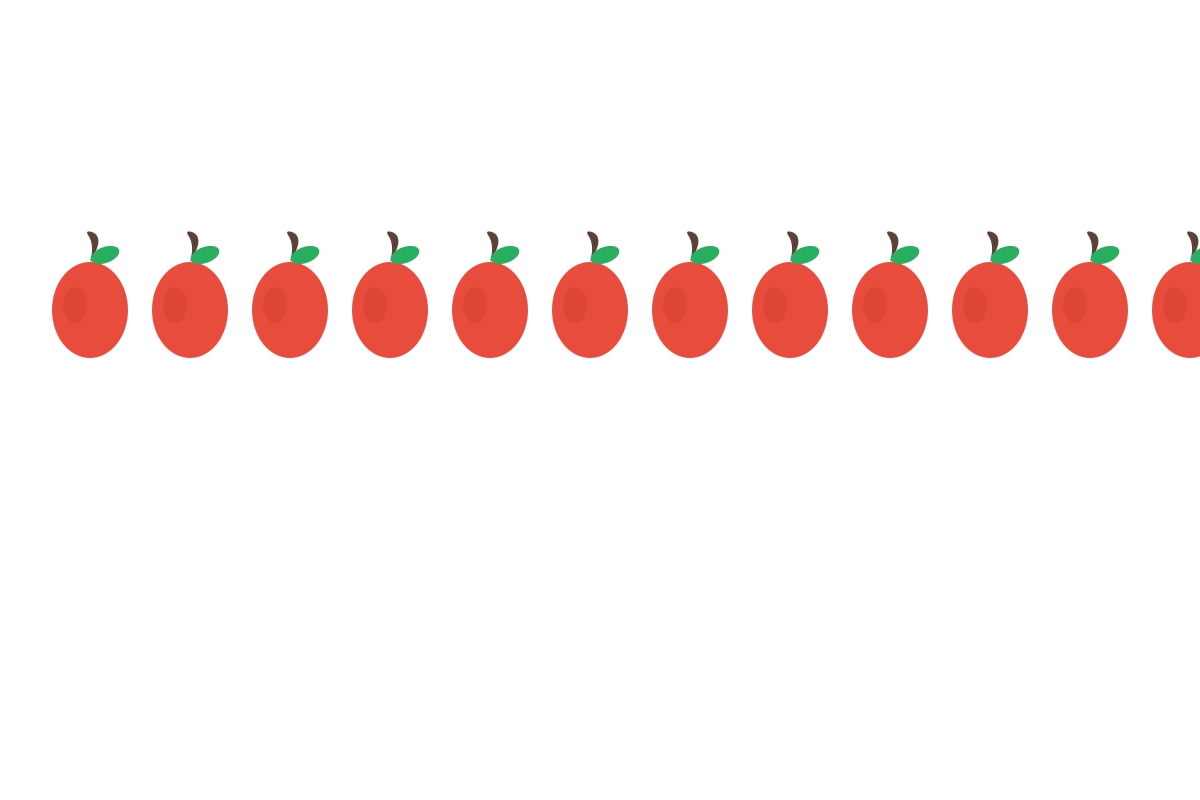
1. Answer: (3)
Explanation: Count each apple one by one. There are 12 apples in total.
Marking: 1 mark for correct option.
2. Answer: (3)
Explanation: In the number 58, the digit 5 is in the tens place. Its value is 5 × 10 = 50. The digit 8 is in the ones place (value 8).
Common mistake: Choosing (1) 5 (confusing digit with value) or (2) 8 (wrong place).
Marking: 1 mark for correct option.
3. Answer: (2)
Explanation: Compare the tens digit first. 24 has 2 tens; 34, 42, 43 have 3 or 4 tens. So 24 is the smallest.
Marking: 1 mark for correct option.
4. Answer: (3)
Explanation: The pattern increases by 5 each time: 15 (+5) → 20 (+5) → 25 (+5) → 30 (+5) → 35.
Marking: 1 mark for correct option.
5. Answer: (3)
Explanation: 2 packets × 36 stickers = 72 stickers. (36 + 36 = 72)
Marking: 1 mark for correct option.
6. Answer: (1)
Explanation: 4 tens = 40, 7 ones = 7. 40 + 7 = 47.
Marking: 1 mark for correct option.
7. Answer: (1)
Explanation: Compare tens: 35 (3 tens), 48 (4 tens), 53 (5 tens), 84 (8 tens). Order: 35, 48, 53, 84.
Marking: 1 mark for correct option.
8. Answer: (2)
Explanation: Count positions from left: 1st 🐶, 2nd 🐱, 3rd 🐭, 4th ★, 5th 🐰, 6th 🐹. The star is at the 4th position.
Marking: 1 mark for correct option.
9. Answer: (1)
Explanation: Total children = 28. Boys = 15. Girls = 28 − 15 = 13.
Marking: 1 mark for correct option.
10. Answer: (3)
Explanation: 10 more than 64 means 64 + 10 = 74.
Marking: 1 mark for correct option.
Section B: Short Answer Questions (20 marks)
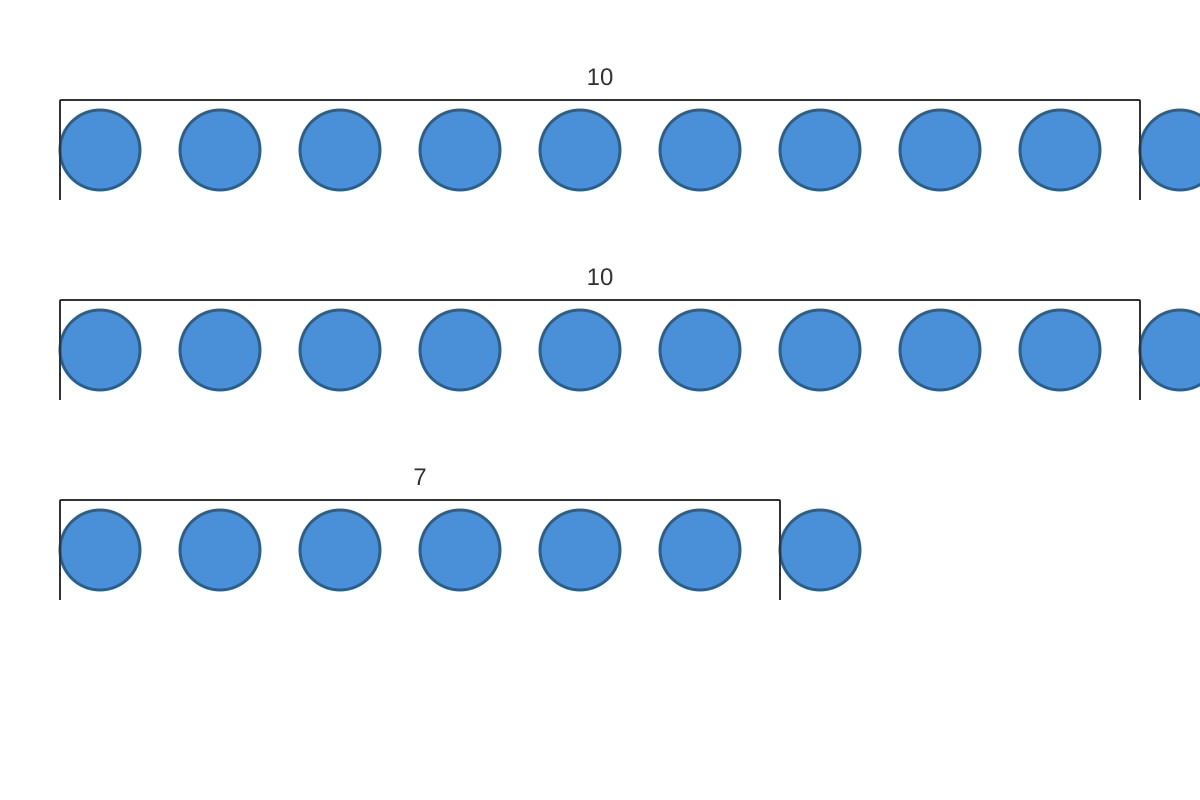
11. Numerals: 27
Words: twenty-seven
Explanation: Count by grouping: first row 10, second row 10, third row 7. 10 + 10 + 7 = 27. Write in words: "twenty-seven" (hyphen between twenty and seven).
Marking: 1 mark for correct numeral, 1 mark for correct spelling in words.
12. (a) 63 = 6 tens 3 ones
(b) 80 = 8 tens 0 ones
Explanation: For 63, the digit 6 is in tens place (6 tens = 60), digit 3 in ones place. For 80, digit 8 is in tens place (8 tens = 80), digit 0 in ones place.
Marking: 1 mark each part (½ mark per blank).
13. 46 < 64
Explanation: Compare tens: 46 has 4 tens, 64 has 6 tens. 4 tens < 6 tens, so 46 < 64.
Marking: 2 marks for correct symbol. (1 mark if correct reasoning shown but wrong symbol).
14. 60, 52
Explanation: Pattern decreases by 4 each time: 72 (−4) → 68 (−4) → 64 (−4) → 60 (−4) → 56 (−4) → 52.
Marking: 1 mark per correct missing number.
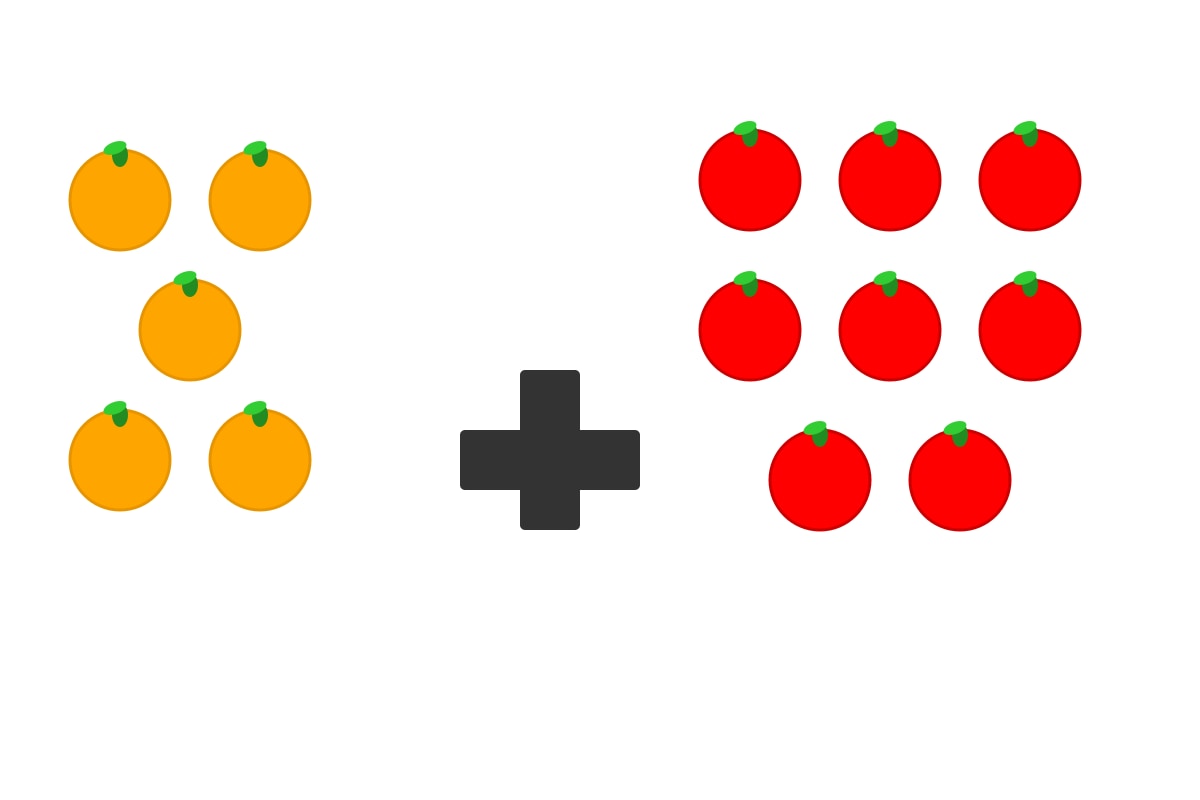
15. 5 + 8 = 13
Explanation: Count oranges (5) and apples (8). Add to find total: 5 + 8 = 13 fruits altogether.
Marking: 1 mark for correct numbers in blanks, 1 mark for correct total.
16. 52 − 19 = 33
Explanation: Subtract ones: 2 − 9 (cannot, so regroup 1 ten from 5 tens → 4 tens, 12 ones). 12 − 9 = 3 ones. Subtract tens: 4 − 1 = 3 tens. Answer: 33.
Marking: 1 mark for correct equation setup, 1 mark for correct answer with regrouping shown.
17. 45 − 17 = 28
Explanation: 45 marbles − 17 taken = 28 left. Regroup: 15 − 7 = 8 ones, 3 − 1 = 2 tens.
Marking: 1 mark for correct equation, 1 mark for correct answer.
18. (a) 10 more than 39 is 49
(b) 10 less than 70 is 60
Explanation: (a) 39 + 10 = 49 (tens digit increases by 1). (b) 70 − 10 = 60 (tens digit decreases by 1).
Marking: 1 mark per part.
19. Circle 92 (greatest), underline 29 (smallest)
Explanation: Compare tens: 92 (9 tens) > 65 (6 tens) > 56 (5 tens) > 29 (2 tens). Greatest = 92, Smallest = 29.
Marking: 1 mark for circling 92, 1 mark for underlining 29.
20. 36 + 28 = 64
Explanation: Morning: 36, Afternoon: 28. Total = 36 + 28. Add ones: 6 + 8 = 14 (1 ten 4 ones). Add tens: 3 + 2 + 1 (carried) = 6 tens. Answer: 64.
Marking: 1 mark for correct equation, 1 mark for correct answer with carrying shown.
Section C: Word Problems (10 marks)
21. Working:
42 − 15 = 27
(Regroup: 12 − 5 = 7 ones, 3 − 1 = 2 tens)
Answer: 27 stickers
Marking: 1 mark for correct subtraction with working, 1 mark for correct answer with unit.
22. Working:
6 × 10 = 60
or 10 + 10 + 10 + 10 + 10 + 10 = 60
Answer: 60 crayons
Explanation: 6 boxes, each with 10 crayons. This is 6 groups of 10. Count in tens: 10, 20, 30, 40, 50, 60.
Marking: 1 mark for correct method (multiplication or repeated addition), 1 mark for correct answer with unit.
23. Working:
85 − 30 = 55
(Subtract tens: 8 tens − 3 tens = 5 tens, ones unchanged)
Answer: 55 cm
Marking: 1 mark for correct subtraction, 1 mark for correct answer with unit.
24. Working:
Step 1: 27 + 13 = 40 (Ben buys more)
Step 2: 40 − 10 = 30 (Ben gives away)
Answer: 30 toy cars
Explanation: Two-step problem. First add the cars bought, then subtract the cars given away.
Marking: 1 mark for correct first step (27+13=40), 1 mark for correct final answer with unit. (If only final answer correct but steps missing, award 1 mark only).
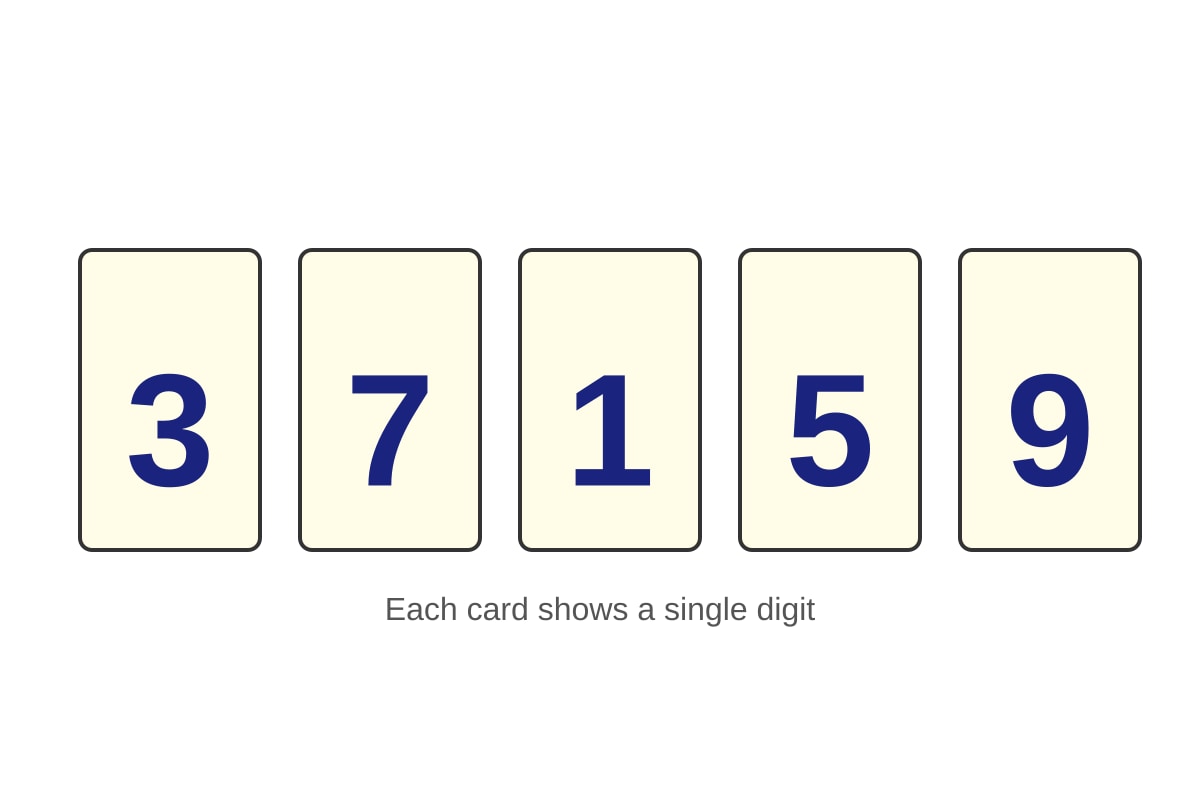
25. (a) Greatest 2-digit number: 97 (use digits 9 and 7, put larger digit in tens place)
(b) Smallest 2-digit number: 13 (use smallest non-zero digit 1 in tens place, next smallest 3 in ones place)
Explanation: For greatest, choose two largest digits (9, 7) and put 9 in tens place. For smallest, choose two smallest digits (1, 3) — cannot use 0 as first digit — put 1 in tens place.
Marking: 1 mark per part.
Total: 40 marks