AI Generated Quiz
Primary 1 Malay Vocabulary Quiz
Free P1 Malay Vocabulary quiz, Kimi2.6 AI version, with questions, answers, and syllabus-aligned practice for Singapore students.
These static practice materials are generated from the site's syllabus and paper-generation workflow, with source and model context shown so students and parents can evaluate the material before use.
Questions


Free quiz and exam paper access
Enter your details to view this paper
Your access is remembered on this device.
Answers
Primary 1 Malay Quiz - Vocabulary: Answer Key
Total Marks: 20
Duration: 20 minutes
Section A: Choose the Correct Word (Questions 1–5)
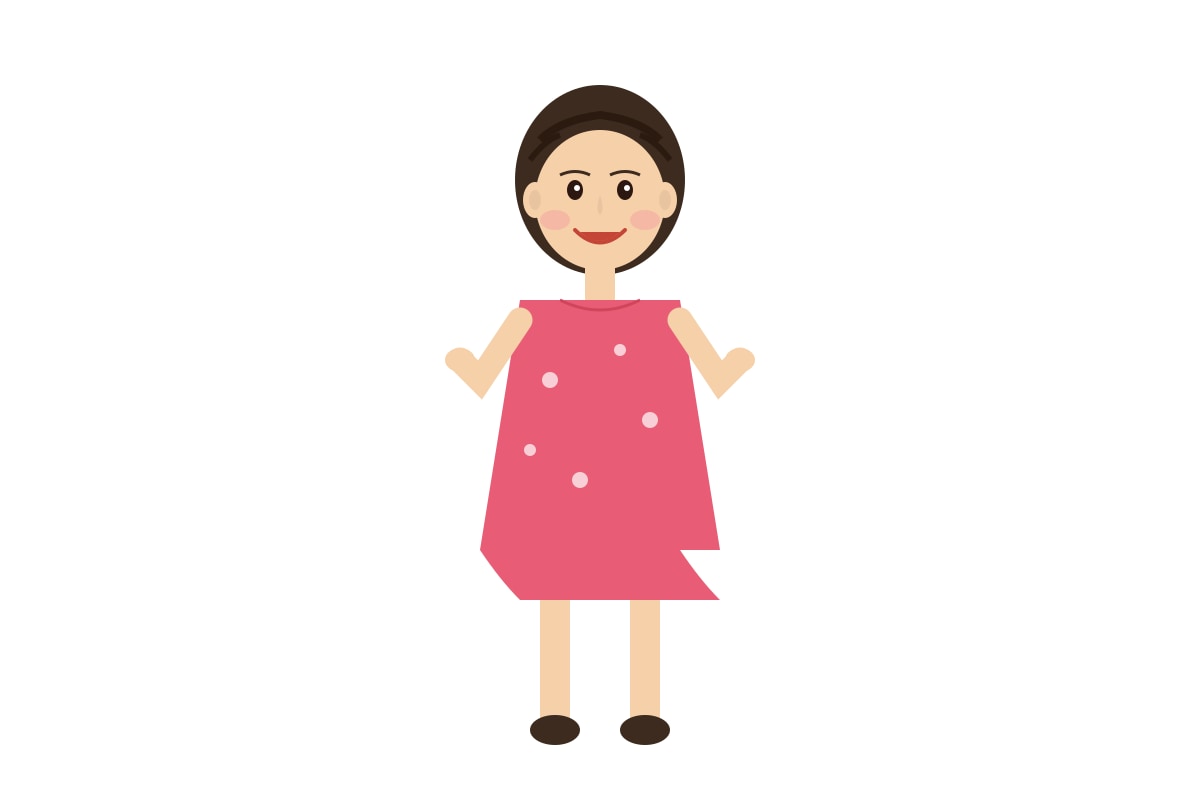
Q1. Answer: B) perempuan (1 mark)
Explanation: The image shows a woman, which is "perempuan" in Malay. "Lelaki" means man, and "kanak-kanak" means child. Students should look for clues like longer hair, a dress, and a grown-up body shape to identify this as a female adult.
Teaching note: "Perempuan" is used for all females—girls, women, and female animals. The -wan ending in "lelaki" (man) vs. the -puan ending helps distinguish gender words.
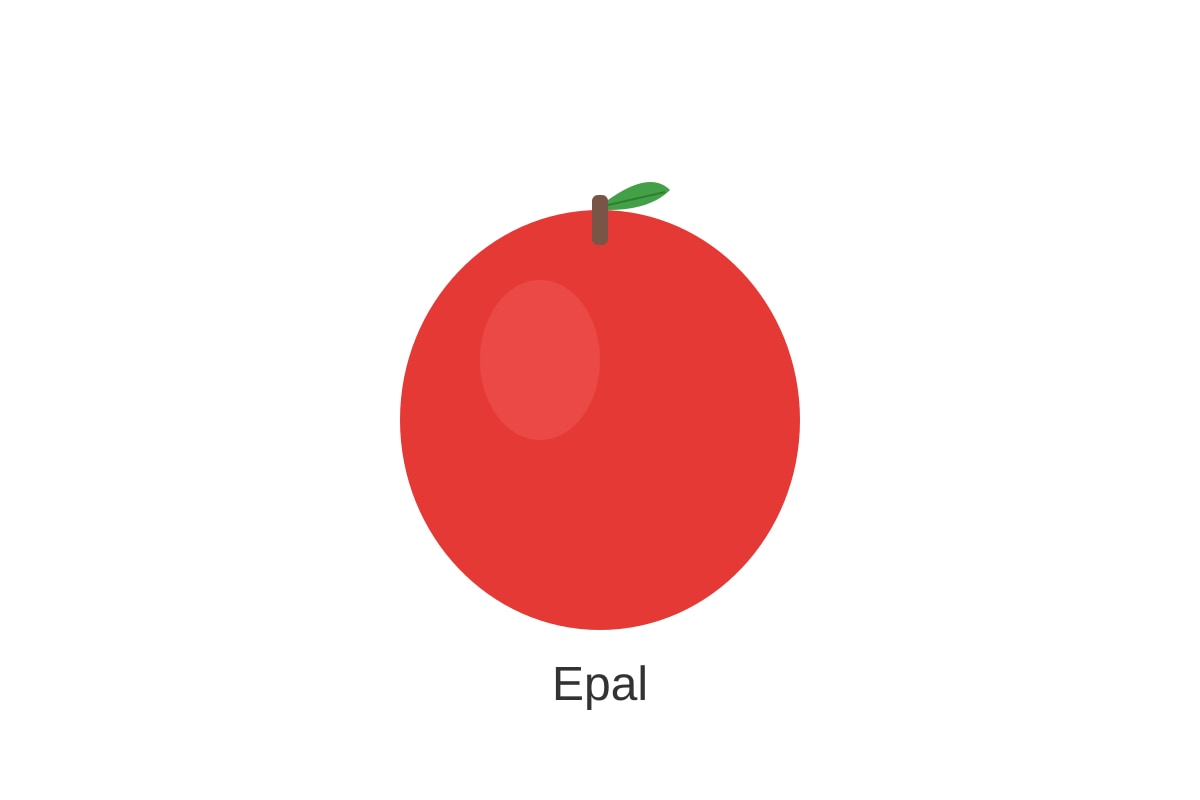
Q2. Answer: A) epal (1 mark)
Explanation: The image shows a red, round fruit with a leaf on top—this is an apple, "epal" in Malay. "Pisang" is a long, curved yellow banana. "Oren" is a round orange citrus fruit with orange skin.
Teaching note: "Epal" is a loan word from English "apple." Malay borrows many fruit names. The shape (round) and color (red) are the key visual clues here.
Q3. Answer: B) kucing (1 mark)
Explanation: The image shows a cat sitting with pointed ears, whiskers, and a curled tail. "Kucing" is cat. "Anjing" is dog—usually shown with floppy ears, longer snout, and tongue out. "Burung" is bird, which has wings and flies.
Teaching note: "Kucing" has the cute "cing" sound, like the soft meow. Pointed ears and whiskers are cat signature features. Dogs ("anjing") typically have different ear shapes in illustrations.
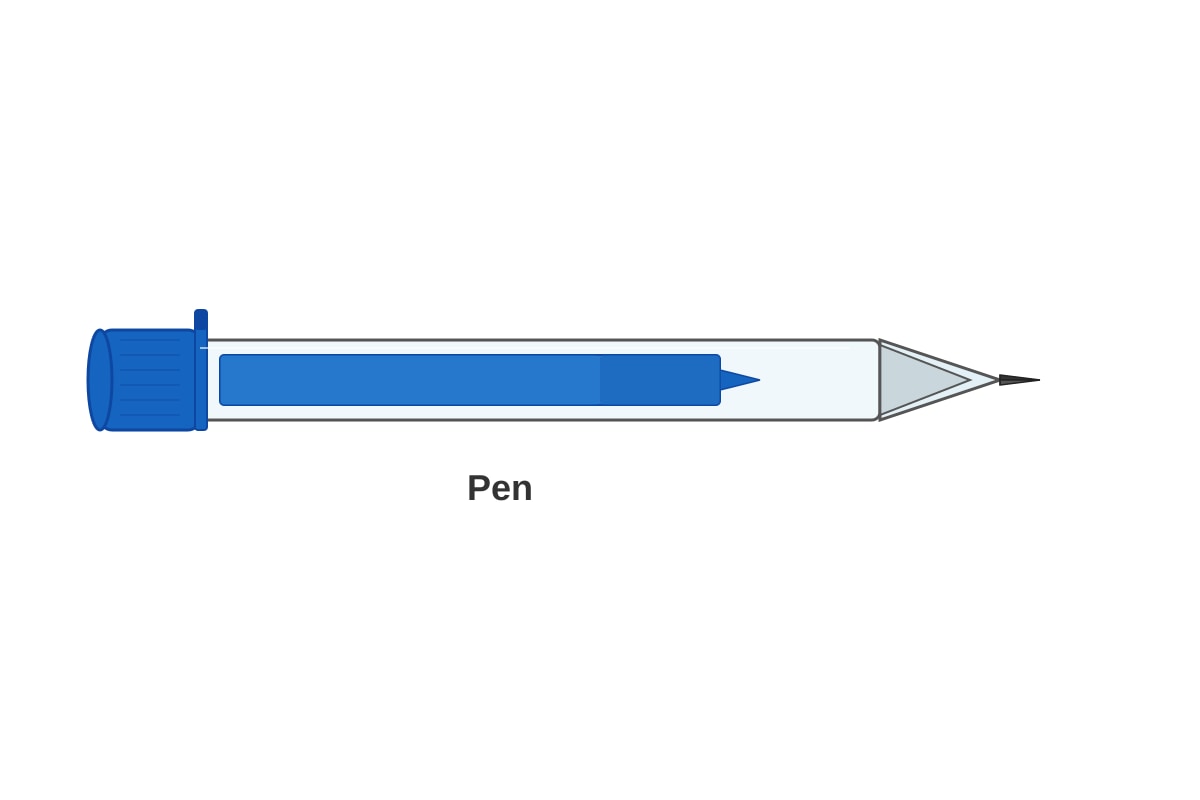
Q4. Answer: C) pen (1 mark)
Explanation: The image shows a ballpoint pen with a cap and ink inside. "Pen" in Malay directly means pen. "Pensel" is pencil (usually yellow with eraser, no ink). "Buku" is book, which is flat with pages.
Teaching note: "Pen" is a direct equivalent. Notice the transparent body showing ink—that's a pen feature. Pencils have wood or colored bodies and graphite lead, not liquid ink.
Q5. Answer: A) rumah (1 mark)
Explanation: The image shows a house with a triangular roof, door, windows, and chimney with smoke. "Rumah" is house/home. "Sekolah" is school (usually larger building with flagpole, many windows). "Masjid" is mosque (dome-shaped roof, minaret tower).
Teaching note: "Rumah kuat" means "my house is strong" in a common children's song. The triangular roof and chimney are typical house indicators in simple drawings.
Section B: Match the Words (Questions 6–10)
Q6. Answer: B) mother (1 mark)
Explanation: "Ibu" means mother/mom. The "i" sound is soft and nurturing. This is the most fundamental family word children learn.
Q7. Answer: A) father (1 mark)
Explanation: "Bapa" means father/dad. Note the formal "Bapa" (used in schools) vs. informal "Ayah" or "Abah" (used at home). In school assessments, "bapa" is the standard written form.
Q8. Answer: D) older sister (1 mark)
Explanation: "Kakak" specifically means older sister. Malay distinguishes older/younger siblings strictly. The repeated "ka" sound makes it memorable. "Adik" is the opposite—younger sibling.
Common mistake: Students confuse "kakak" (older) with "adik" (younger). Remember: "Ka-kak" starts with K, and K comes before A? No—actually think: "Kakak" is taller, "adik" is shorter in typical family drawings.
Q9. Answer: C) younger brother/sister (1 mark)
Explanation: "Adik" means younger sibling (brother or sister). It is gender-neutral—you must say "adik lelaki" (younger brother) or "adik perempuan" (younger sister) to specify.
Teaching note: "Adik" is often the baby of the family in picture books. The "di" sound is small and quick, like a small child.
Q10. Answer: E) grandfather (1 mark)
Explanation: "Datuk" means grandfather. This is the formal/written term. "Nenek" is grandmother. Together: "datuk nenek" = grandparents.
Common mistake: Do not confuse with "Datuk" as a Malaysian honorific title. In family context, it's grandfather. The d-t-k ending sounds firm and elderly.
Section C: Fill in the Blank (Questions 11–15)
Q11. Answer: biru (1 mark)
Explanation: The sky (langit) is blue. "Langit di atas adalah warna biru" = "The sky above is blue color." "Biru" is the standard word for blue in Malay.
Teaching note: "Biru" sounds like "blue"—a helpful sound similarity for English speakers. Think of the ocean and sky together, both biru.
Q12. Answer: hijau (1 mark)
Explanation: Tree leaves (daun) are green. "Pokok daunnya berwarna hijau" = "The tree's leaves are green color." "Hijau" means green.
Teaching note: "Hijau" is essential for nature descriptions. The "ja-u" sound flows like leaves in wind. Traffic light: "hijau" means go!
Q13. Answer: kuning (1 mark)
Explanation: Sunflowers (bunga matahari—literally "flower eye-day/sun") are yellow. "Bunga matahari berwarna kuning" = "The sunflower is yellow color."
Teaching note: "Kuning" = yellow. Think: "Kuning" starts with K like "King"—the sun is king of the sky, and sunflowers follow the sun.
Q14. Answer: merah (1 mark)
Explanation: Many balls (bola) are red—footballs, rubber balls commonly use red. "Bola saya berwarna merah" = "My ball is red color." Any color from word bank is acceptable with reasonable justification, but merah is the expected answer as it's the most common ball color in textbooks.
Alternative acceptable: If student writes "biru" or another color with a reasonable personal connection (e.g., "my ball at home is blue"), accept with 1 mark. However, in standard assessment context without personal information, merah is designated correct.
Teaching note: "Merah" is the first color many children learn—it signals danger (fire, stop sign) and excitement.
Q15. Answer: putih (1 mark)
Explanation: Cotton (kapas) is soft and white. "Kapas itu lembut dan berwarna putih" = "The cotton is soft and white color." "Putih" is the only remaining word, and cotton is universally white in illustrations.
Teaching note: "Putih" = white, like "putih telur" (egg white). Keep "putih" linked to "pure" and "soft" images—clouds, cotton, clean paper.
Section D: What Am I? (Questions 16–20)
Q16. Answer: burung (1 mark)
Explanation: "I am an animal. I fly in the sky. I chirp. What am I?" → burung (bird).
Key clues: (1) haiwan = animal, (2) terbang di langit = fly in sky, (3) berkicau = chirp. Only birds fit all three. "Burung" is the general term—all flying, chirping creatures.
Teaching note: "Berkicau" is specifically bird vocalization. Insects buzz ("bunyi dengung"), owls hoot ("burung hantu menguak"), but "berkicau" is the beautiful morning song of birds.
Q17. Answer: kopi (1 mark)
Explanation: "I am a drink. I am hot. People drink me in the morning. I am brown in color." → kopi (coffee).
Key clues: (1) minuman = drink, (2) panas = hot, (3) pagi = morning, (4) coklat = brown. Hot chocolate ("coklat panas") is also hot, morning, and brown, but coffee is the traditional Malay breakfast drink. Kopi is designated answer; coklat panas acceptable with explanation.
Teaching note: "Kopi O" is famous Singapore/Malaysia coffee (black with sugar). The word "kopi" comes from Hokkien/Chinese trade influence, showing Malay's rich borrowing history.
Q18. Answer: dapur gas / ketuhar / periuk (1 mark)
Explanation: "I am in the kitchen. I heat food. I have fire. What am I?" → dapur gas (gas stove) is the expected answer. Also acceptable: ketuhar (oven) or periuk (cooking pot on fire).
Key clues: (1) dapur = kitchen, (2) panaskan makanan = heat food, (3) ada api = has fire. The fire element strongly suggests stove/gas cooker.
Teaching note: "Dapur" means both kitchen and stove in different contexts. "Dapur gas" specifies the gas stove with visible blue flame. Safety note: "Api" is dangerous—children learn "jauhi api" (stay away from fire).
Q19. Answer: kasut (1 mark)
Explanation: "I am worn on the feet. I protect feet while walking. I have laces/straps. What am I?" → kasut (shoe).
Key clues: (1) dipakai di kaki = worn on feet, (2) melindungi kaki = protect feet, (3) ada tali = has laces. Socks ("stokin") don't protect well and don't have laces. Slippers ("selipar") lack laces.
Teaching note: "Kasut" has the hard "k" and "t" sounds like footsteps. "Tali kasut" = shoelaces. Common phrase: "ikat tali kasut" = tie your shoelaces.
Q20. Answer: tilam / katil (1 mark)
Explanation: "I am in the bedroom. I am for sleeping. I am soft and long. What am I?" → tilam (mattress) is primary answer. Katil (bed) also acceptable if student explains bed includes the soft mattress.
Key clues: (1) bilik tidur = bedroom, (2) untuk tidur = for sleeping, (3) empuk = soft, (4) panjang = long. "Empuk" especially suggests mattress/pillow quality. "Katil" is the frame plus mattress; "tilam" is specifically the soft sleep surface.
Teaching note: "Tilam" comes from English "mattress" via Tamil/Portuguese trade routes—another loan word! "Empuk" is the quality word for softness (like "lembut" but more cushiony).
Total: 20 marks — End of Answer Key —