AI Generated Exam Paper
Primary 1 English Practice Paper 2
Free P1 English Practice Paper 2, MiniMax AI version, with questions, answers, and syllabus-aligned practice for Singapore students.
These static practice materials are generated from the site's syllabus and paper-generation workflow, with source and model context shown so students and parents can evaluate the material before use.
Questions


Free quiz and exam paper access
Enter your details to view this paper
Your access is remembered on this device.
Answers
TuitionGoWhere Practice Paper - English Primary 1 — Answer Key (Version 2)
Total Marks: 30 Subject: English Language Level: Primary 1
Marking notes:
- This is a practice paper, syllabus-first and AI-inferred.
- All phonics answers are based on Standard English letter-sound correspondences appropriate for P1 (single-letter consonants and short vowels, plus a few common long-vowel spellings like ee in tree and bee).
- For Section C, accept the word in lower or upper case, but the spelling must match.
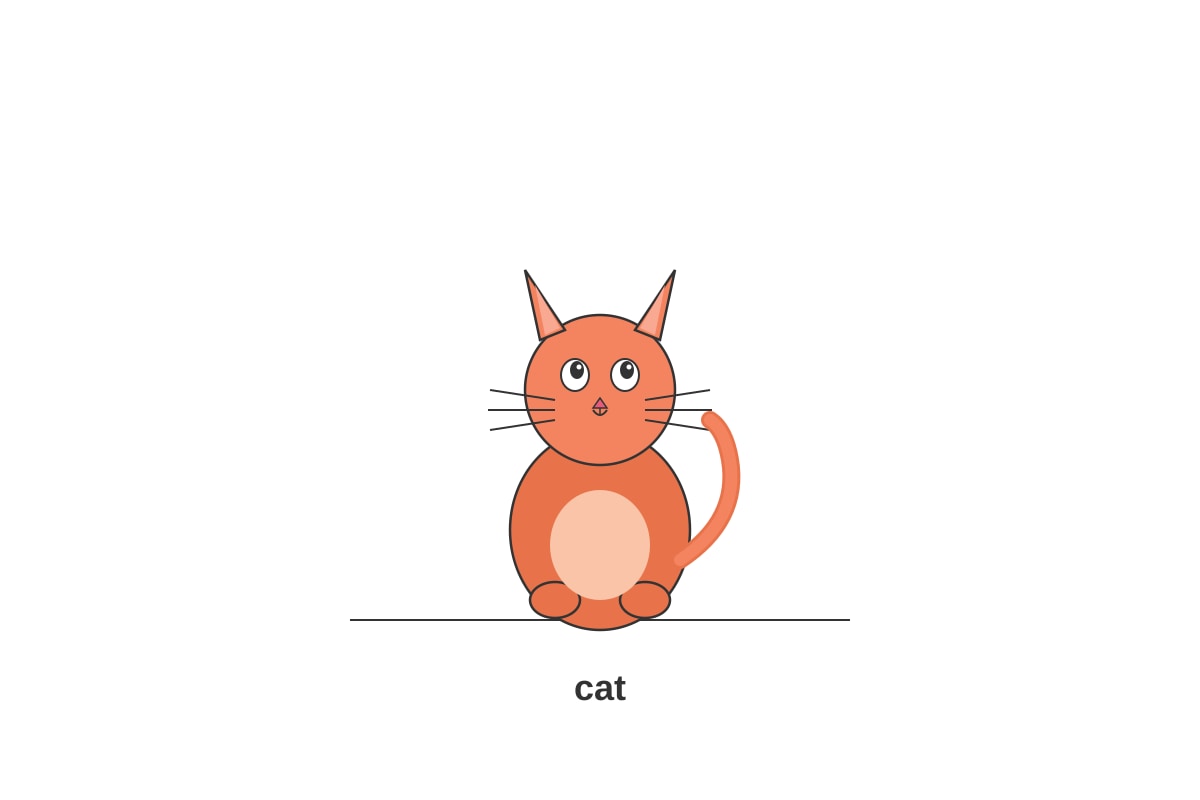
Section A: Letter Sounds (1 mark each — 5 marks)
1. A — s Concept: The letter s stands for the /s/ sound in sun. Why not the others: t = /t/, n = /n/, p = /p/. None of these make the /s/ sound.
2. B — c Concept: The letter c stands for the /k/ sound in cat (when followed by a, o, u, or another consonant). Why not the others: g = /g/, o = /o/, a = /a/. The question asks for the /k/ sound at the start of cat.
3. D — g Concept: The letter g stands for the /g/ sound at the end of dog. Why not the others: d = /d/ (the start of dog), o = /o/ (the middle), p = /p/ (a different end sound). The question asks for the final sound.
4. D — e Concept: The middle sound /e/ in hen is made by the letter e. Why not the others: a, i, o are other vowel letters; they do not match the /e/ sound in hen.
5. B — i Concept: The middle sound /i/ in pig is made by the letter i. Why not the others: e, u, o are other vowel letters; they do not match the /i/ sound in pig.
Section B: Sound It Out (1 mark each — 5 marks)
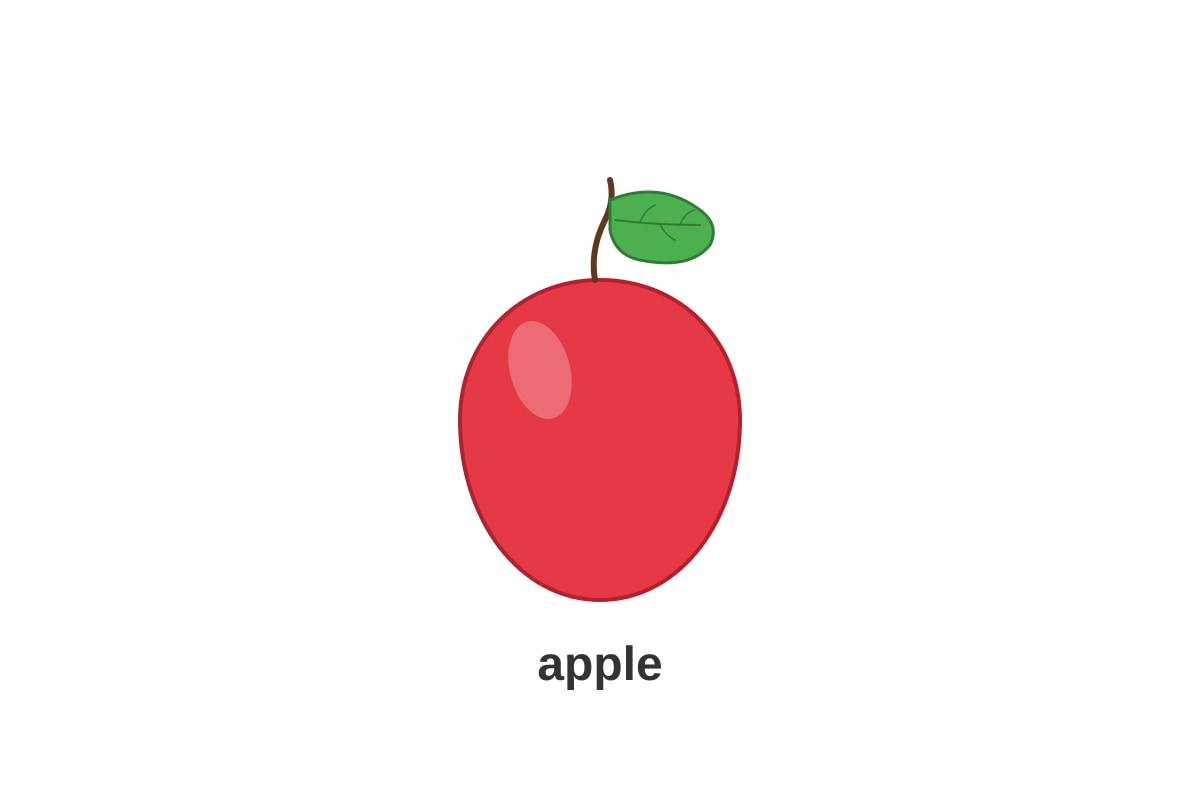
6. p (first letter of a p p l e) Visual needed: A clear drawing of an apple. Students write the first letter of the spoken word apple. Mark: 1 mark for the correct letter p.
7. k (last letter of d u c k) Visual needed: A clear drawing of a duck. Mark: 1 mark for the correct letter k.
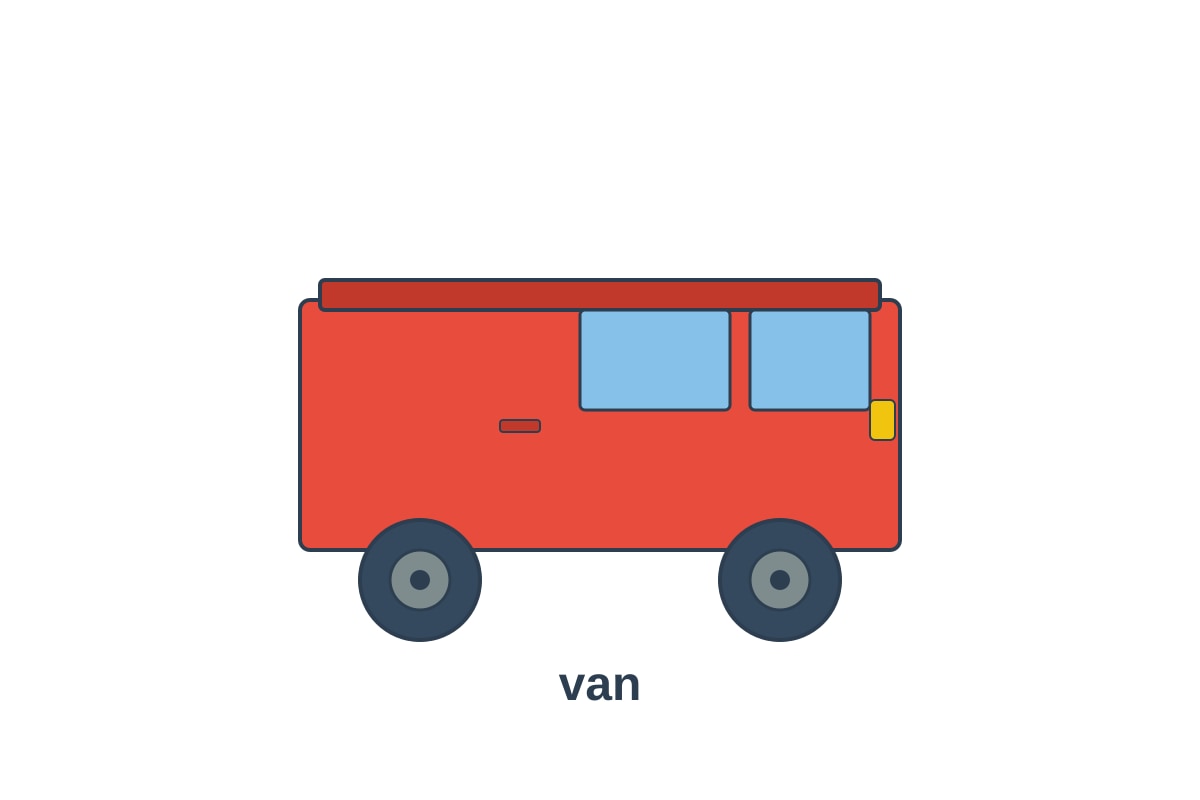
8. a (middle letter of v a n) Visual needed: A clear drawing of a van. Mark: 1 mark for the correct letter a.
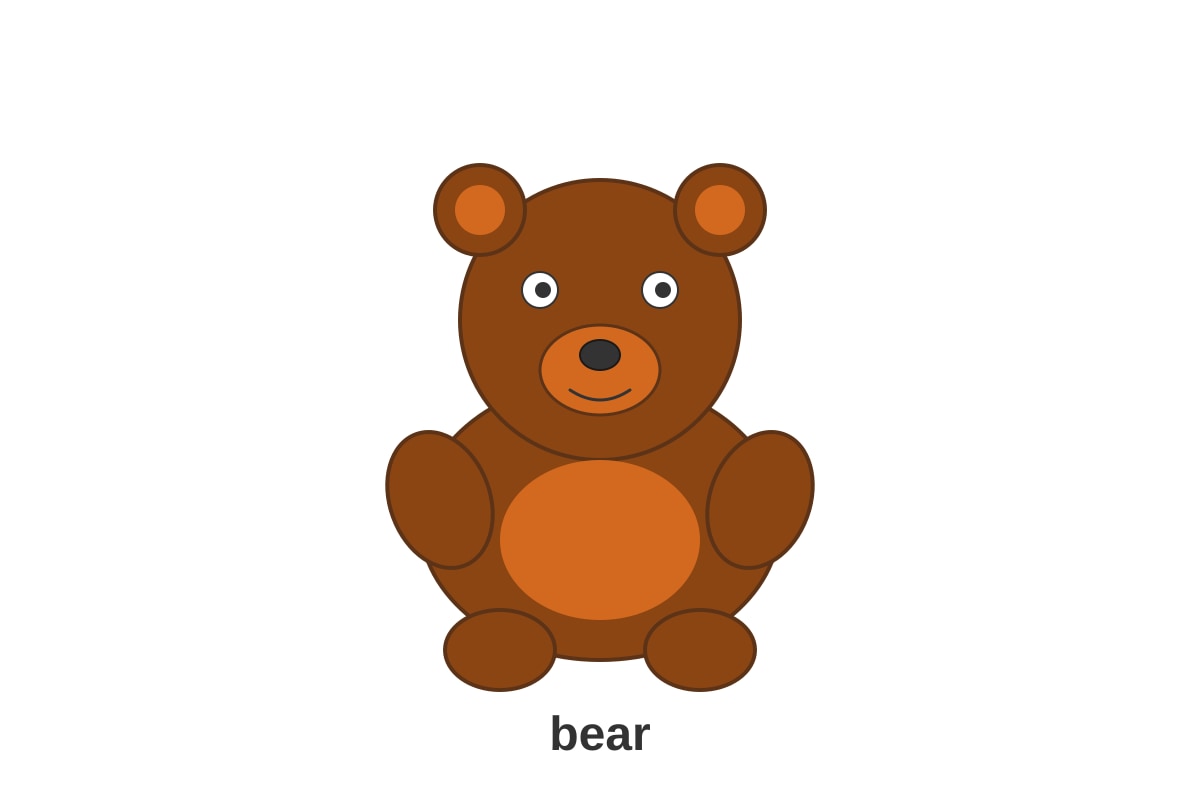
9. b (the /b/ sound at the start of b e a r) Visual needed: A clear drawing of a bear. Mark: 1 mark for the correct letter b.
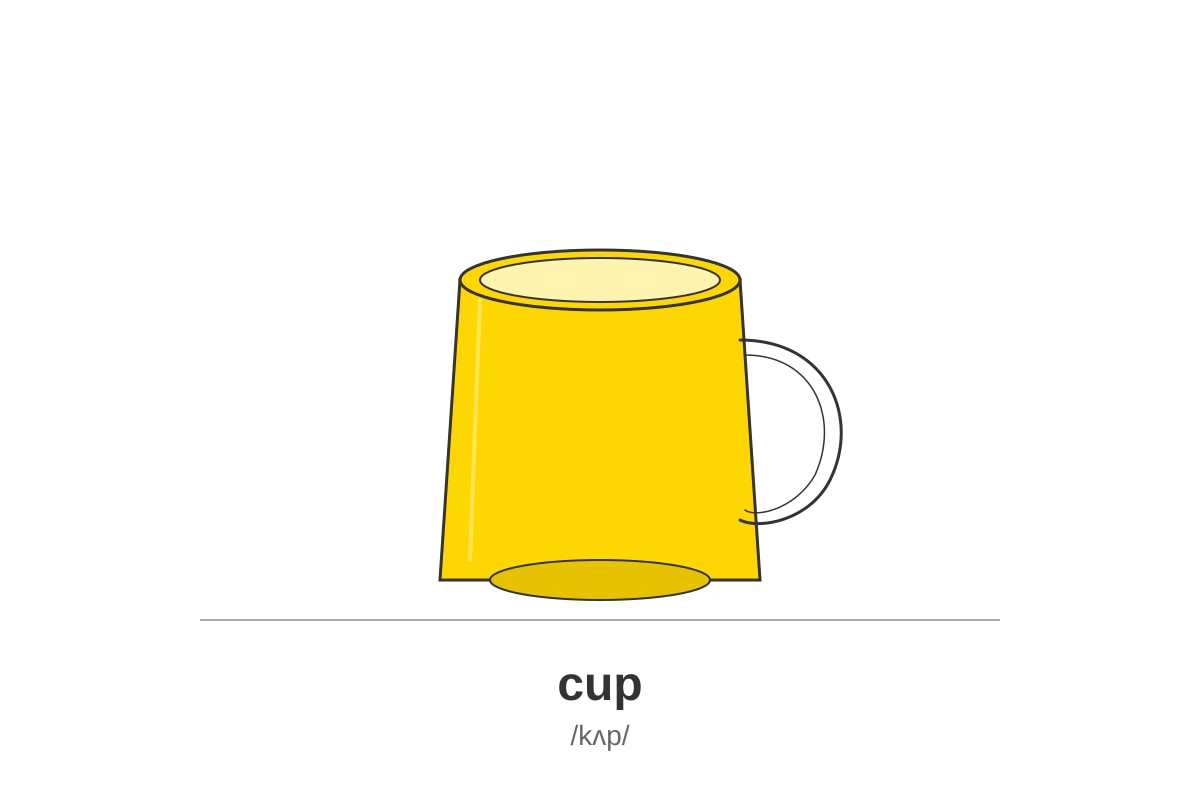
10. c (the /k/ sound at the start of c u p) Visual needed: A clear drawing of a cup. Mark: 1 mark for the correct letter c. Note: the letter c makes the /k/ sound when it is followed by a, o, u, or another consonant (as in cup).
Section C: Blend and Read (2 marks each — 8 marks)
Marking rule for this section: Award 2 marks for a fully correct spelling of the word. Award 1 mark if 1–2 letters are correct but the word is not fully spelled. Award 0 marks if the word is wrong or blank. Accept lower- or upper-case.
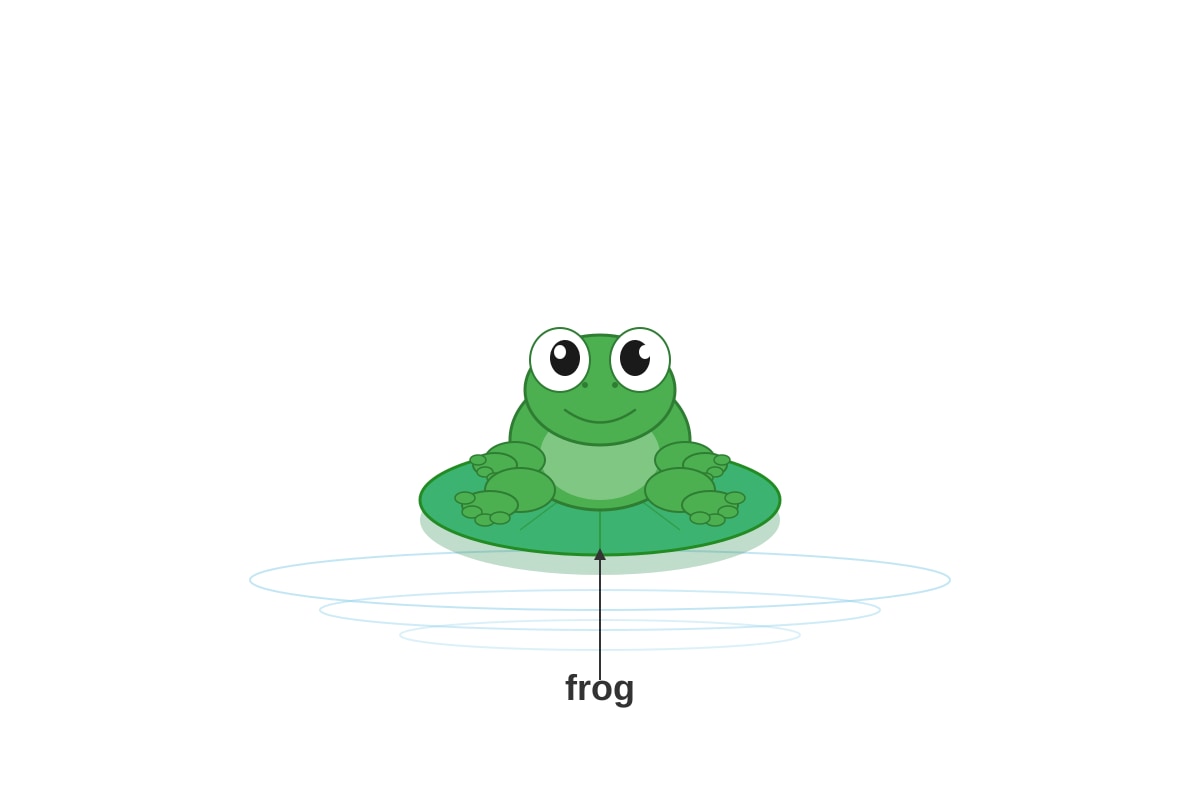
11. frog (from f - r - o - g) Visual needed: A green frog on a lily pad. Students blend /f/ + /r/ + /o/ + /g/ to read the whole word. Mark: 2 marks for frog.
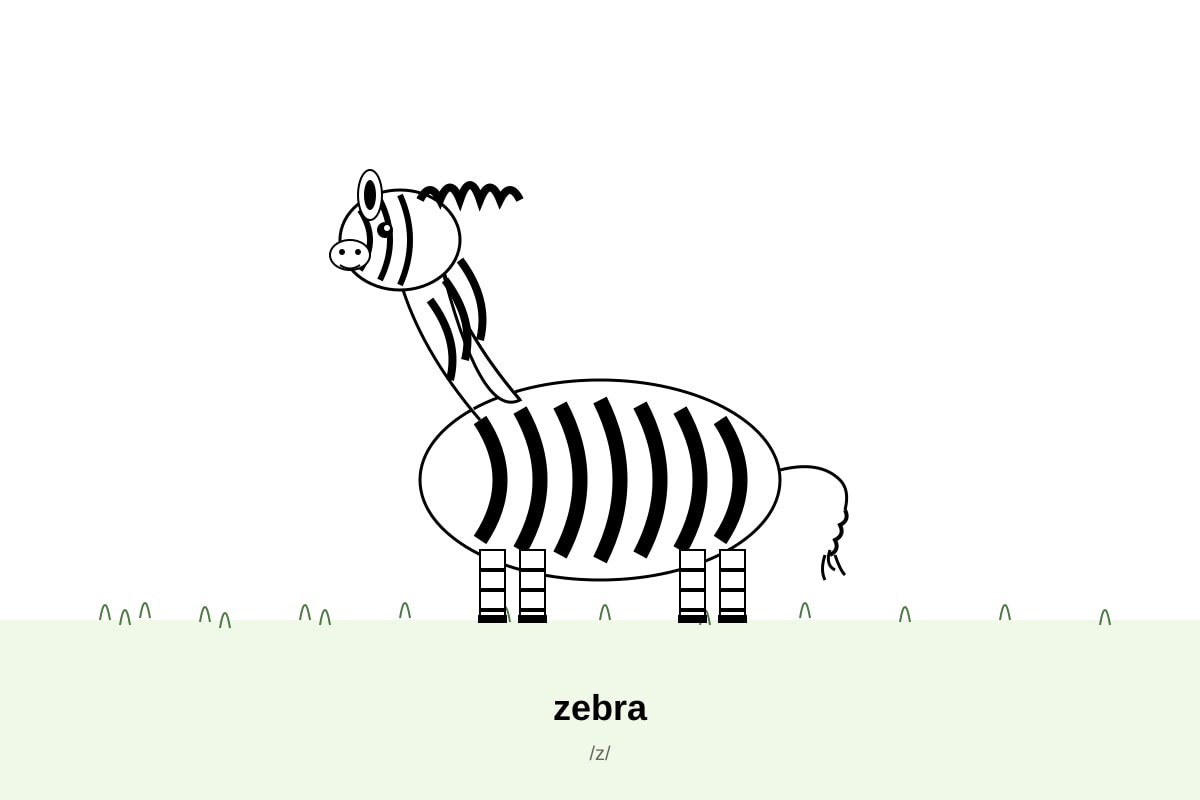
12. zebra (from z - e - b - r - a) Visual needed: A zebra. This is a stretch item; the initial /z/ sound is the new challenge. Mark: 2 marks for zebra. Common error: confusing z with s; remind students that z "buzzes" like a bee.
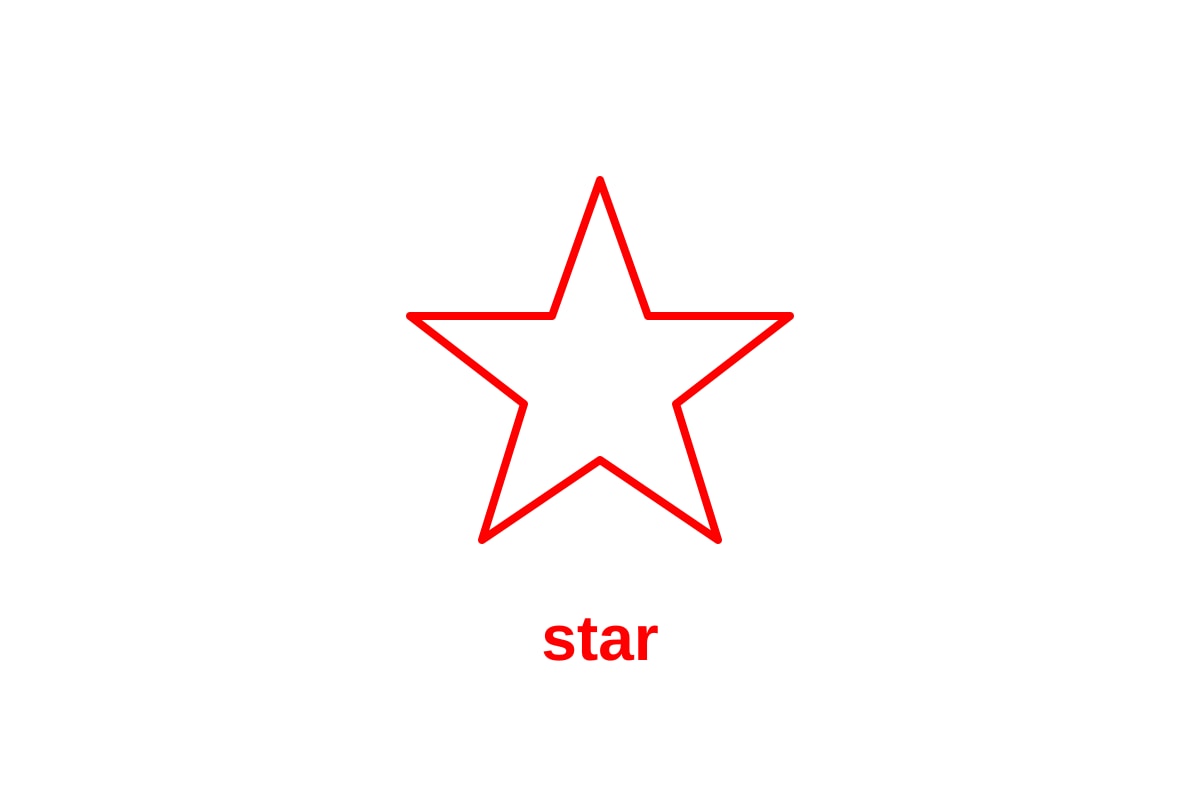
13. star (from s - t - a - r) Visual needed: A star shape. Mark: 2 marks for star. Note: the st here is treated as a blend only by ear; spelling is still letter-by-letter for P1.
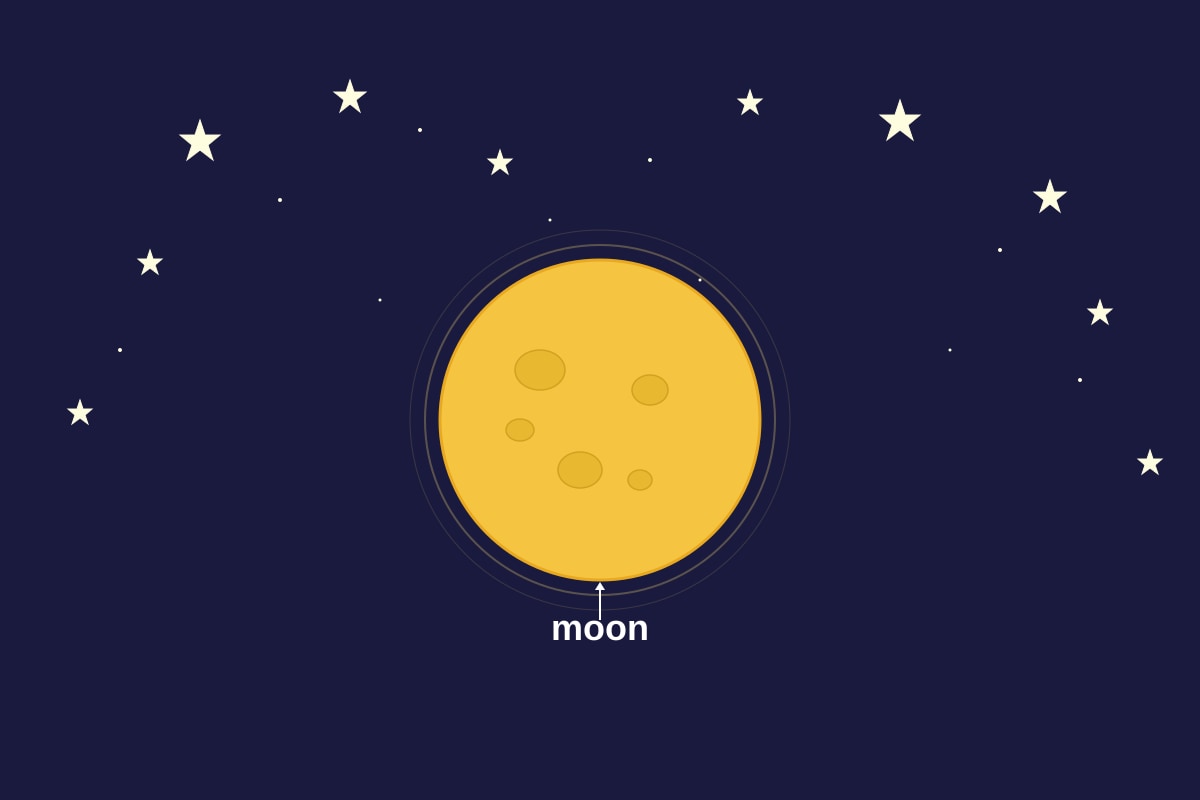
14. moon (from m - oo - n) Visual needed: A moon. The long /oo/ sound is written with two letters oo. Mark: 2 marks for moon. Common error: writing mon — remind students that moon has two o's to make the long /oo/ sound.
Section D: Rhyming Fun (2 marks each — 8 marks)
Marking rule: 1 mark for the correct option letter, and 1 mark for being able to explain the rhyme (not required in writing, but confirm the student is matching the ending sound, not just guessing).
15. B — hat Concept: cat and hat share the ending sound /at/. Why not the others: dog ends in /og/, fish ends in /ish/, sun ends in /un*.
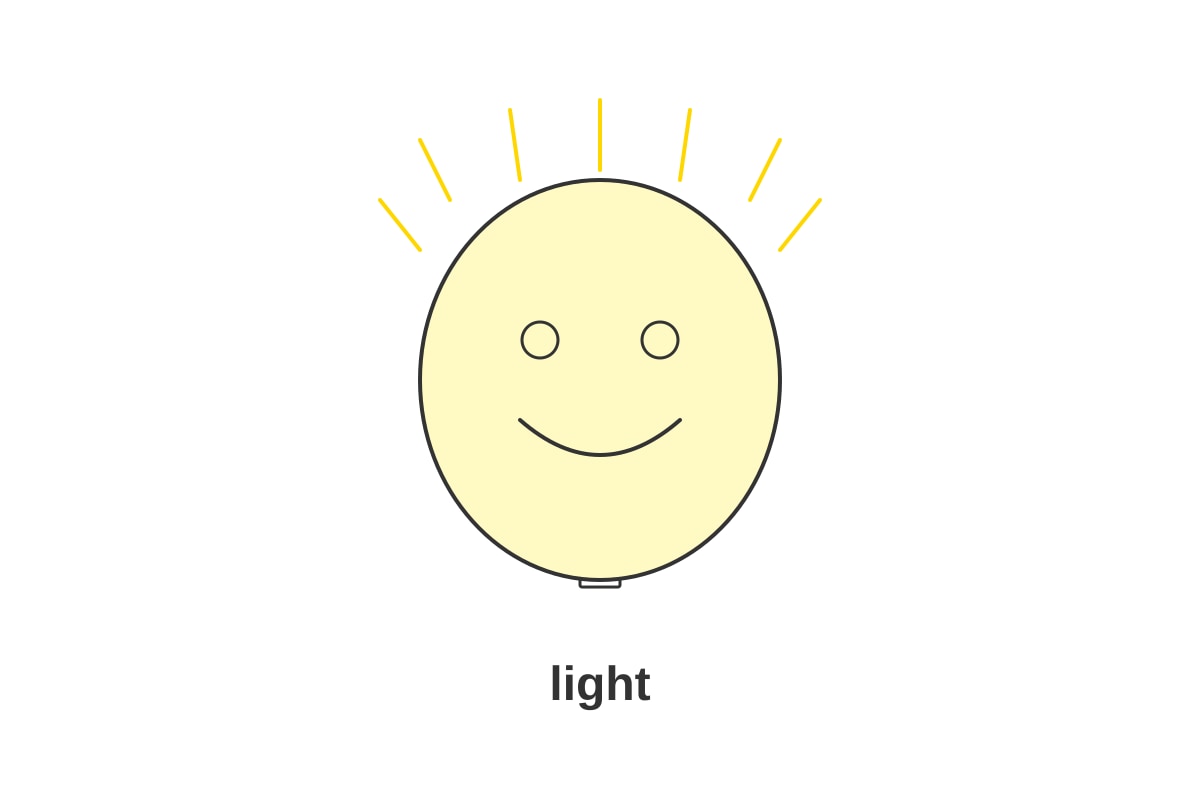
16. A — night Concept: light and night share the ending sound /ight/. Why not the others: cake ends in /ake/, dog in /og/, bus in /us/.
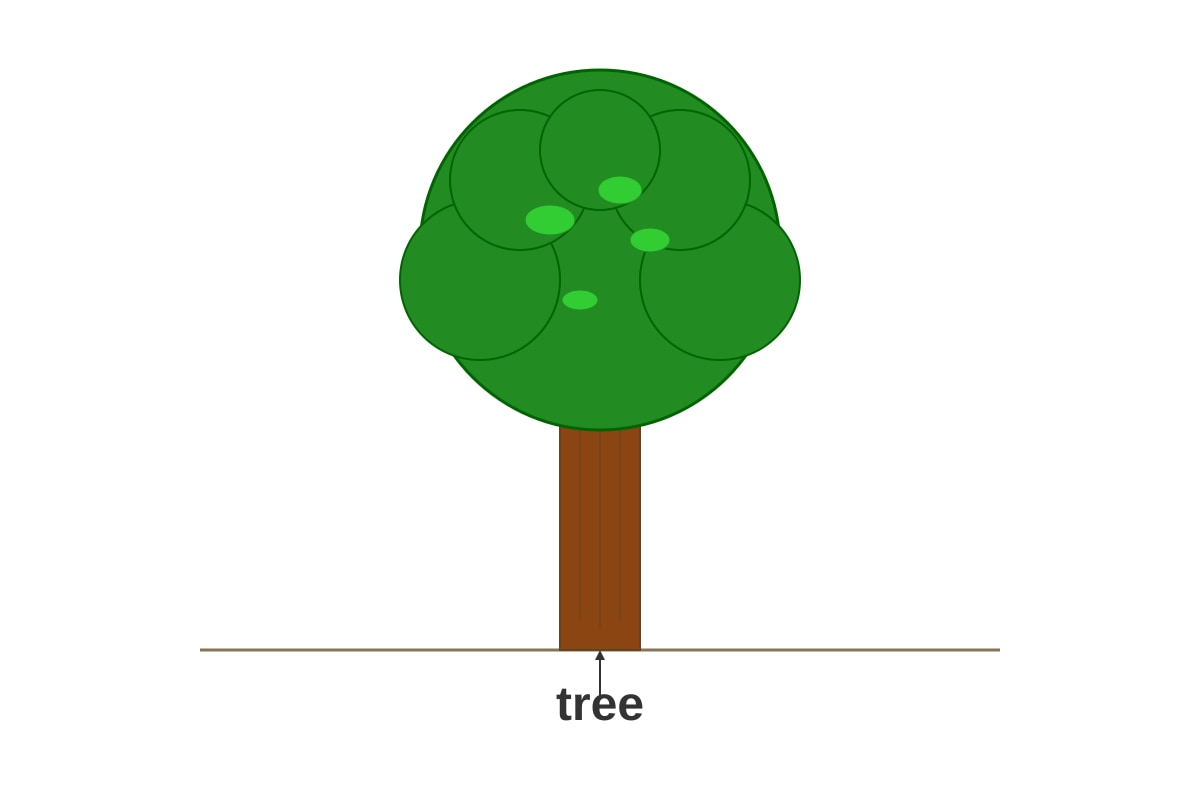
17. B — bee Concept: tree and bee share the ending sound /ee/. Why not the others: car ends in /ar/, hat in /at/, sun in /un/. (Note: bee uses the long /ee/ spelling, tree uses ee as well — both end in the same /ee/ sound.)
18. C — third Concept: bird and third share the ending sound /ird/. Why not the others: cat ends in /at/, fish in /ish/, dog in /og/. This is a stretch item because third has a t before the h, but the th digraph is not required — students only need to hear the same ending sound.
Section E: Read and Match (2 marks each — 4 marks)
Marking rule: 1 mark for each correctly matched pair. Each part (a)–(d) is worth 1 mark. Total 4 marks per question, 2 questions.
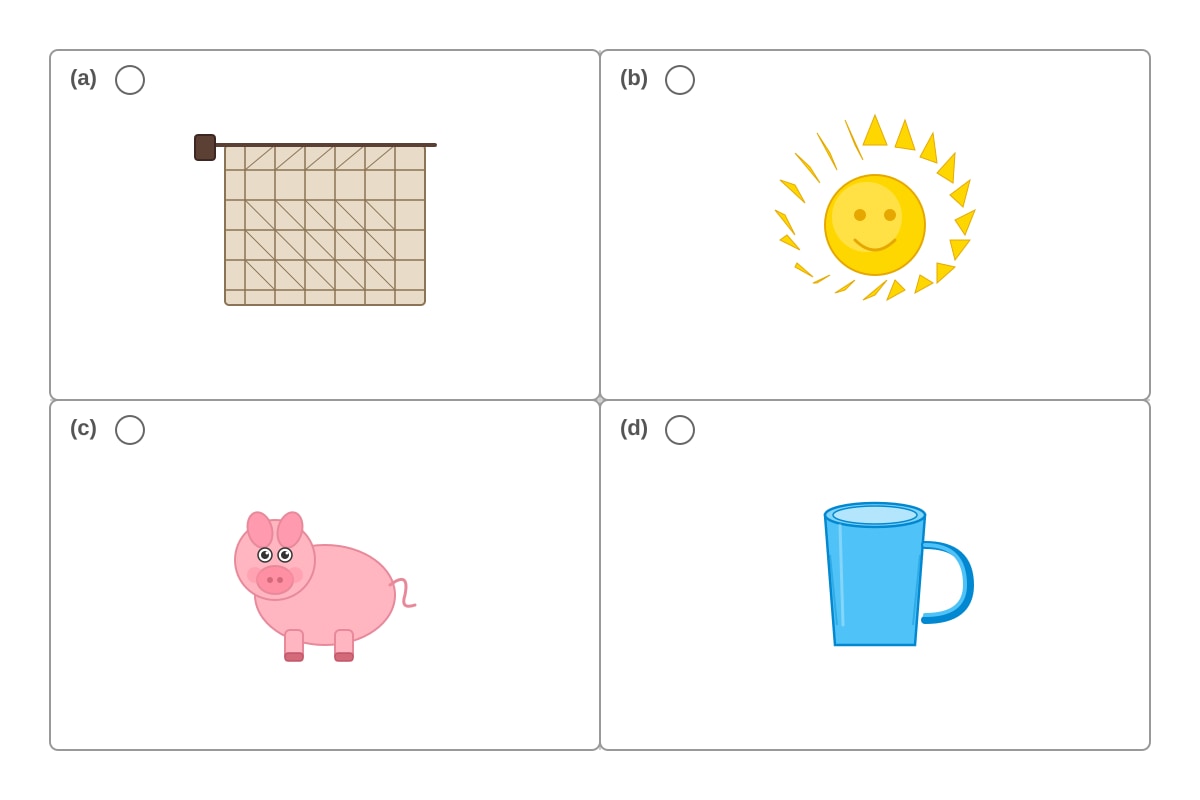
19. Matching:
- (a) net → picture of the fishing net (top-left)
- (b) sun → picture of the sun (top-right)
- (c) pig → picture of the pig (bottom-left)
- (d) cup → picture of the cup (bottom-right)
Visual needed: A 2x2 grid with (1) a fishing net, (2) a sun with rays, (3) a small pig, (4) a cup with a handle. No labels on the pictures themselves.
Concept check: Students sound out each CVC word and look for the matching picture.
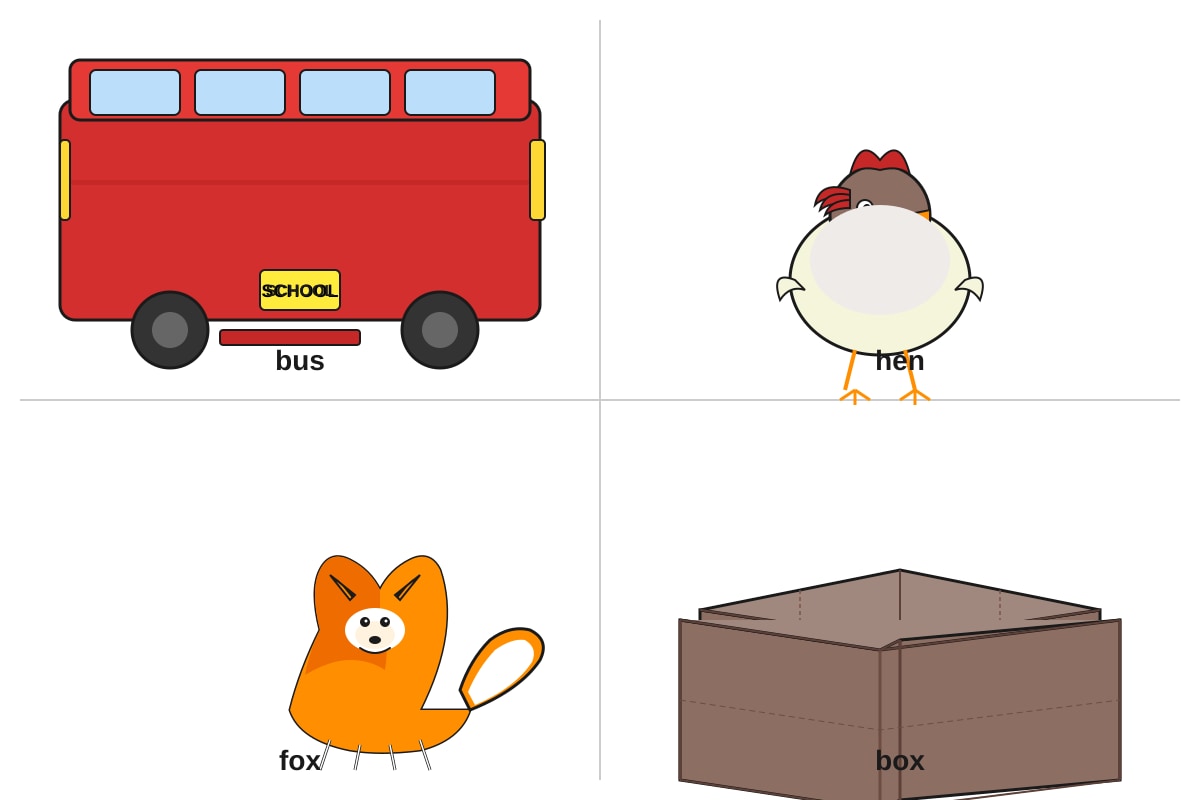
20. Matching:
- (a) bus → picture of the red bus (top-left)
- (b) hen → picture of the hen (top-right)
- (c) fox → picture of the fox (bottom-left)
- (d) box → picture of the box (bottom-right)
Visual needed: A 2x2 grid with (1) a school bus, (2) a hen, (3) a fox, (4) a box. No labels on the pictures.
Concept check: Students sound out each CVC word and look for the matching picture. Box ends in /ks/ — a slightly more complex end sound but still a single-syllable word suitable as a P1 stretch.
Mark Summary
| Section | Questions | Marks per Q | Subtotal |
|---|---|---|---|
| A: Letter Sounds | 1–5 | 1 | 5 |
| B: Sound It Out | 6–10 | 1 | 5 |
| C: Blend and Read | 11–14 | 2 | 8 |
| D: Rhyming Fun | 15–18 | 2 | 8 |
| E: Read and Match | 19–20 | 2 (×4 parts) | 4 |
| Total | 30 |
Total declared in paper: 30 marks. ✓ Matches.
Teaching Notes (for the teacher / parent)
- Section A tests letter-sound knowledge: students should be able to look at a letter and say its sound, and to listen to a sound and name the matching letter.
- Section B tests phoneme position: students need to know first, middle, and last sounds in a CVC word.
- Section C tests blending: students stretch a word out sound-by-sound and then push the sounds together to read the whole word.
- Section D tests rhyming / same-ending-sound awareness: a key phonemic awareness skill that supports later spelling.
- Section E tests blending in context: students match the spoken/ written word to a picture, which adds meaning.
If a student struggles, the best support is to say the word slowly (segmenting) and then say it fast (blending). For example: "f-f-f-f … frog!" Use picture cards, magnetic letters, or alphabet blocks to make the sounds physical.