AI Generated Quiz
Primary 1 Chinese Vocabulary Quiz
Free P1 Chinese Vocabulary quiz, MiniMax AI version, with questions, answers, and syllabus-aligned practice for Singapore students.
These static practice materials are generated from the site's syllabus and paper-generation workflow, with source and model context shown so students and parents can evaluate the material before use.
Questions
Free quiz and exam paper access
Enter your details to view this paper
Your access is remembered on this device.
Answers
Primary 1 Chinese Quiz - Vocabulary — Answer Key
TuitionGoWhere Quiz (AI) — Answer Key Subject: Chinese Level: Primary 1 Topic: Vocabulary (词语) Total Marks: 30
Marking notes for teachers:
- This quiz is AI-generated and syllabus-first (no past-paper evidence for P1 Chinese). It uses words from the P1 《欢乐伙伴 2.0》 recognition list (Lessons 1–19).
- All answers are short (1–2 words or a single letter). Accept flexible but correct wording, e.g. "喜欢" and "喜爱" are both accepted for Q1.
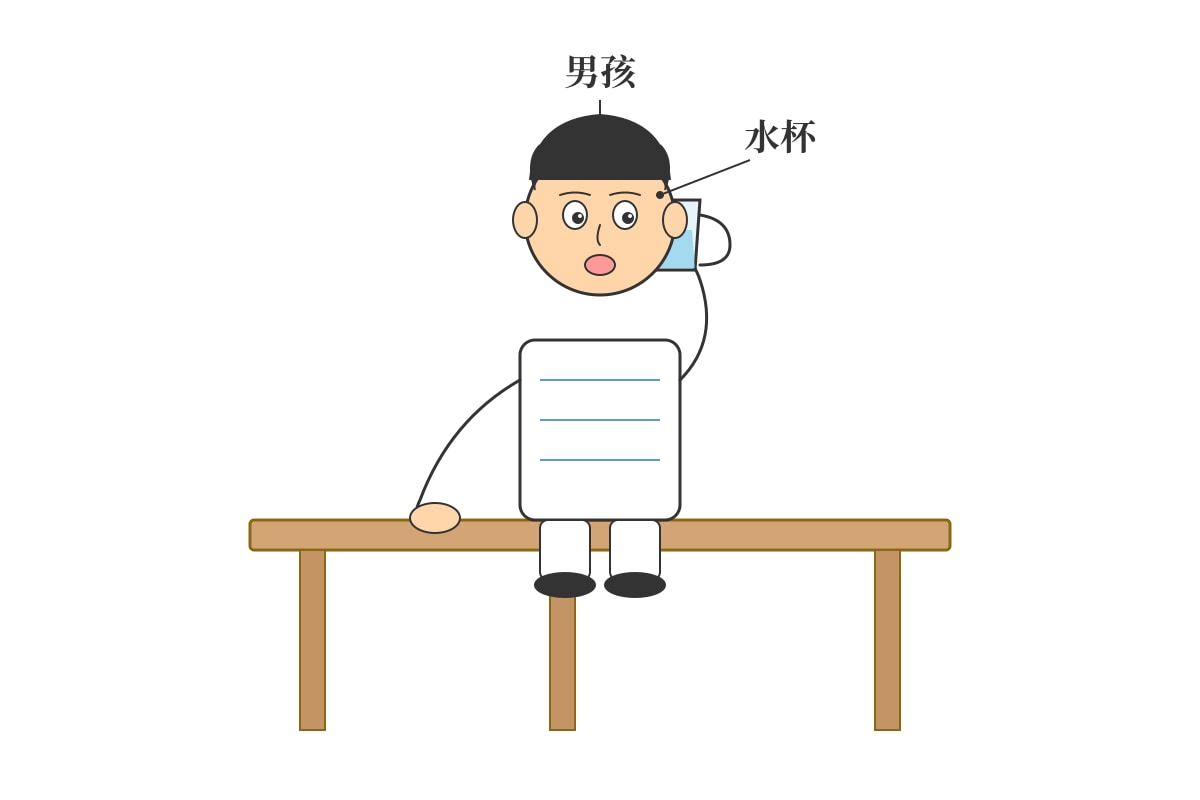
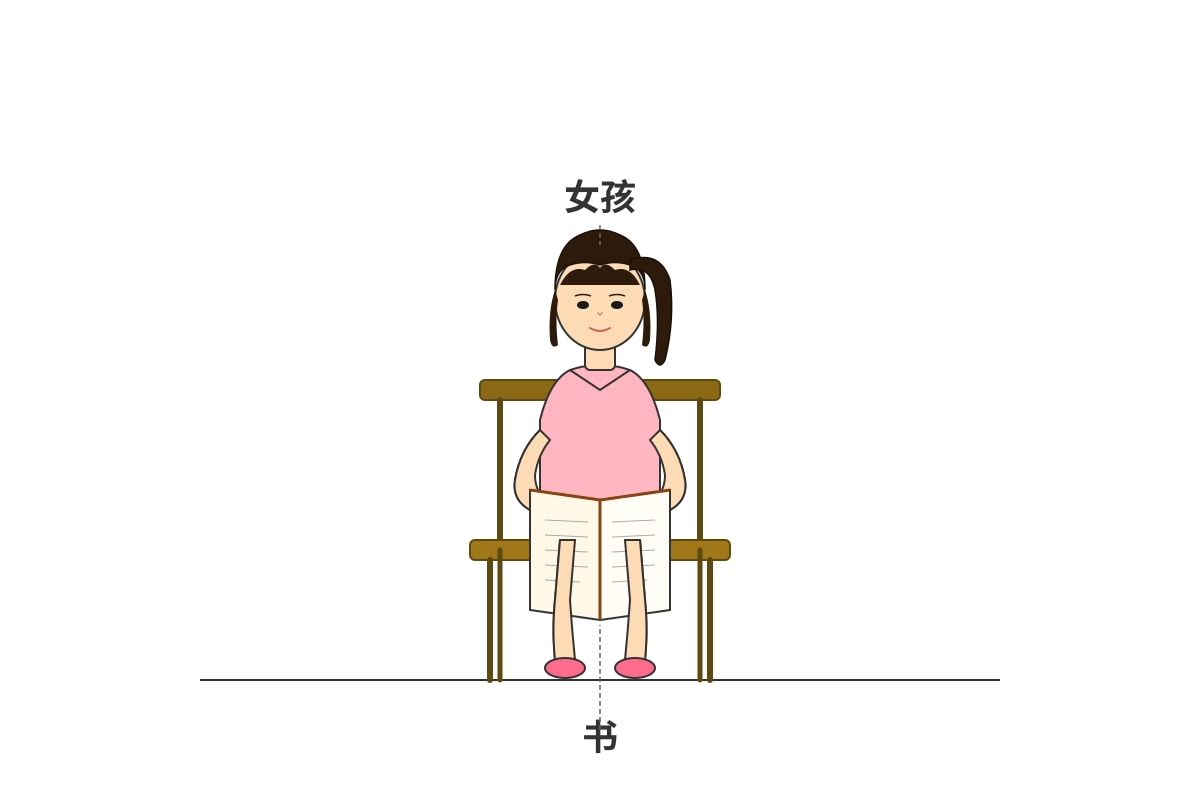
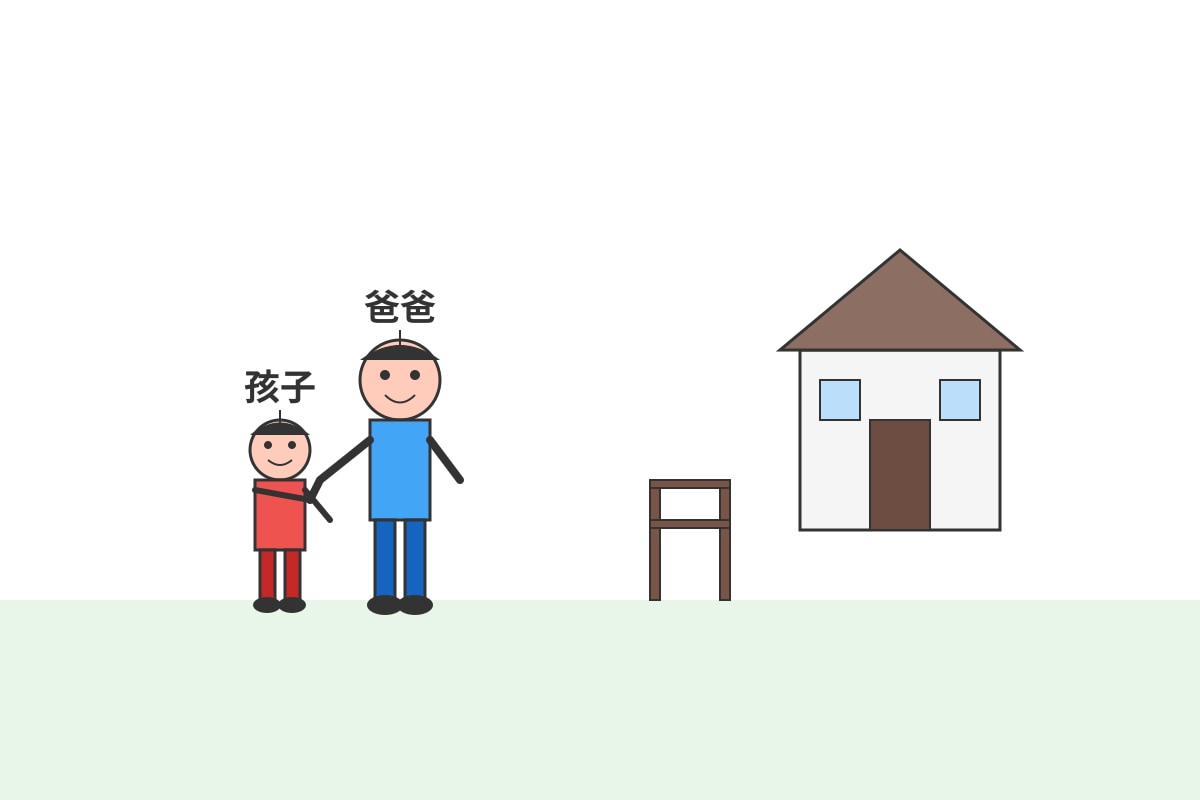
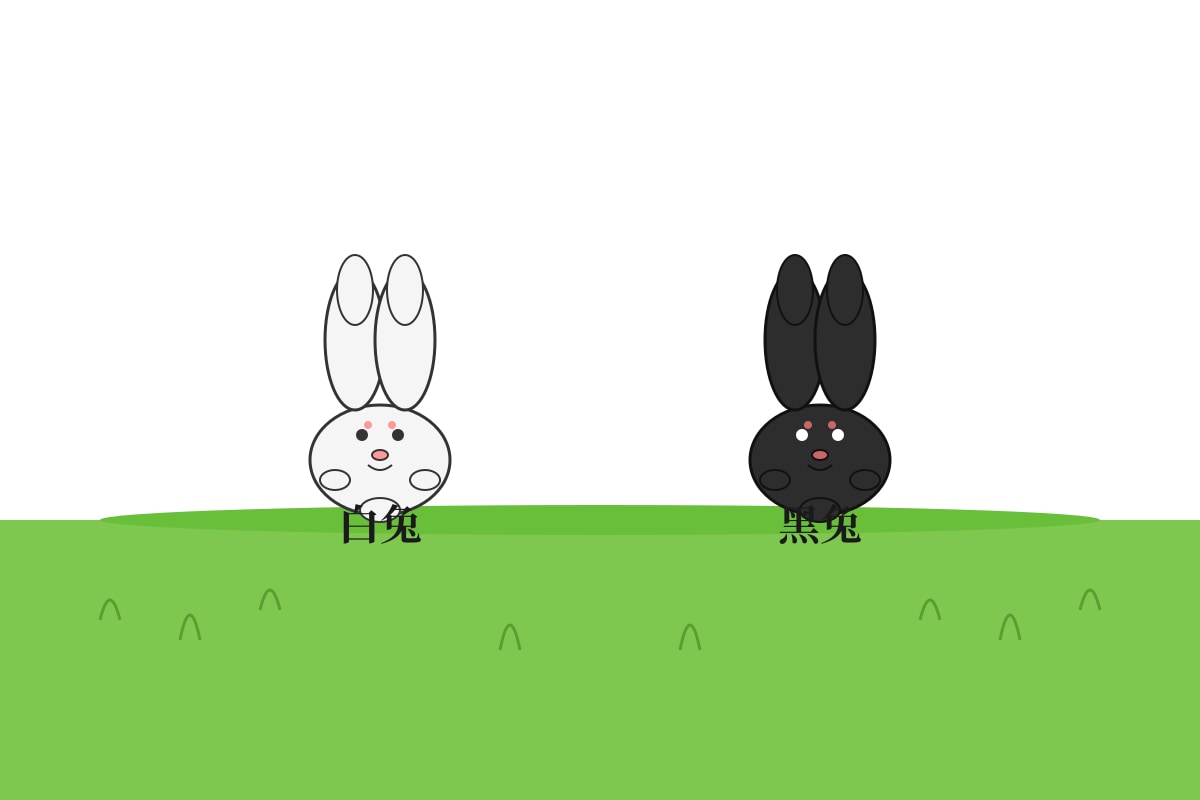
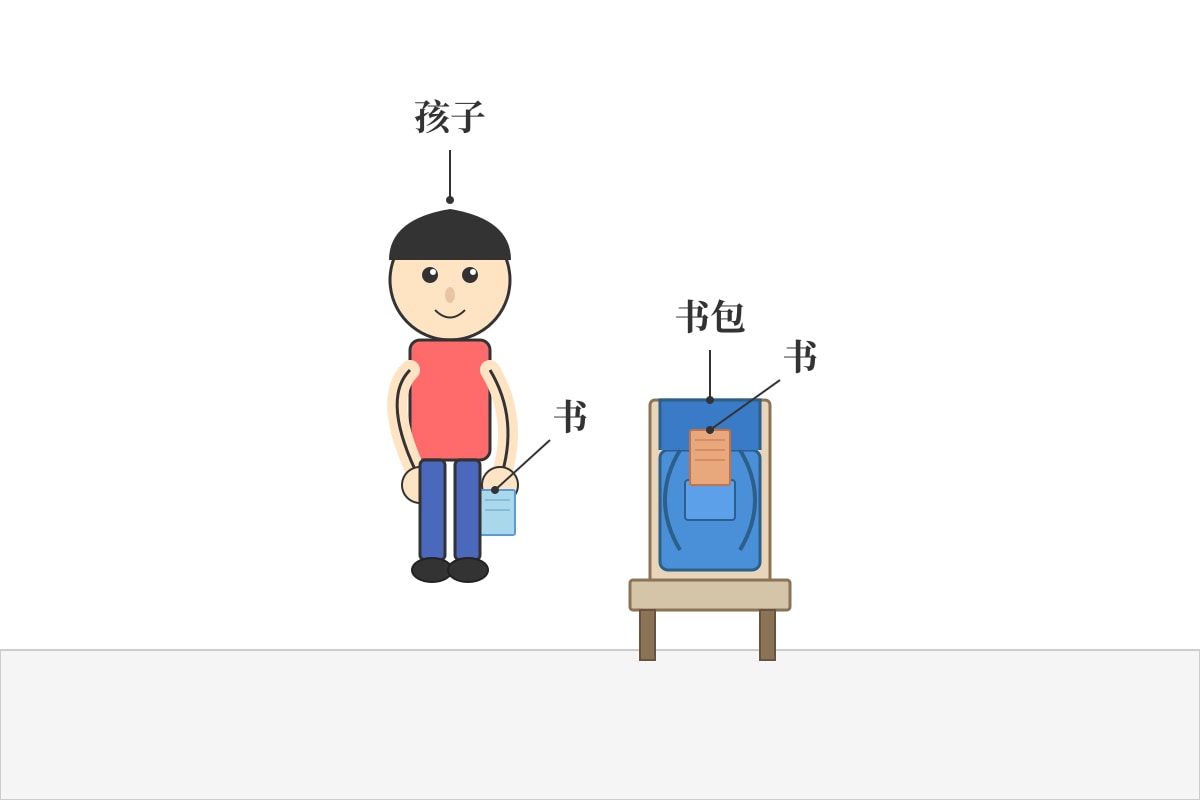
- For Section C, students must look at the picture first; the picture is essential to choose the right word.
- For Section E Q20, the picture must show four distinct self-care actions; partial credit (1 mark) is acceptable if 3 out of 4 are correct.
Section A: 选择合适的词 (1 mark each = 5 marks)
1. B. 喜爱
- 喜欢 (xǐhuān) means "to like / to be fond of".
- 喜爱 (xǐ'ài) also means "to like / to love". Same meaning, so B is the synonym (意思相近).
- A. 讨厌 (yànwù) = "to dislike" — opposite, not same.
- C. 想要 (xiǎngyào) = "to want" — different meaning.
- D. 知道 (zhīdào) = "to know" — different meaning.
- Common mistake: students pick 讨厌 because they know it is a "feeling" word. Remind them: the question asks for same meaning, not different meaning.
2. D. 妈妈
- 弟弟 (dìdi) = "younger brother". The word for a female parent who is older than the child is 妈妈 (mother).
- A. 姐姐 = older sister (female, same generation).
- B. 哥哥 = older brother (male, same generation).
- C. 妹妹 = younger sister (female, same generation).
- D. 妈妈 = mother (parent generation, female) — the closest family member in meaning/role at P1 level.
- Common mistake: students may pick 姐姐 because both end in 姐. Teach: 弟 = brother (with 日 radical), 妹 = sister.
3. C. 许多
- 很多 (hěn duō) = "a lot of / many".
- 许多 (xǔduō) = "many / a lot of" — same meaning.
- A. 一些 = "some" (less than 很多).
- B. 一点儿 = "a little" (much less).
- D. 很少 = "very few" — opposite.
- Common mistake: students may pick 一些 because it is also a "number word". Teach: 很多 = many (large amount), 一些 = some (medium), 很少 = few (small).
4. D. 冷
- 好 (hǎo) in "天气好" means "good / nice". The opposite is 坏 (bad) for adjectives like 好/坏.
- A. 坏 = "bad" — opposite of 好, but it is not about weather temperature.
- B. 大 = "big" — different meaning.
- C. 小 = "small" — different meaning.
- D. 冷 = "cold" — the antonym of 暖/热, but the question asks for the meaning most opposite to "weather is good".
- The cleanest P1 answer is A. 坏 (good vs. bad). Accept either A or D only if the school teaches a paired set. Default answer: A. 坏.
- Common mistake: students may pick 大/小 because they know these are opposites. Teach: 天气好/坏 = weather good/bad.
5. B. 只
- 双 (shuāng) is the measure word for items that come in pairs (shoes, socks, glasses, chopsticks).
- The correct measure word for 鞋 (shoes) is 双. The question tests vocabulary of measure words (量词).
- A. 个 = general measure word, not used for 鞋.
- B. 只 = measure word for animals (e.g., 一只猫) or one of a pair (e.g., 一只鞋). At P1, 只 can be used for "one of a pair of shoes".
- C. 条 = measure word for long thin things (e.g., 一条鱼, 一条河).
- D. 把 = measure word for items with handles (e.g., 一把伞, 一把尺).
- Default answer: B. 只 (one shoe = one of a pair).
- Common mistake: students may pick 个 because it is the most common measure word. Teach: 双 = a pair, 只 = one item in a pair.
Section B: 选反义词 (1 mark each = 5 marks)
6. B. 小
- 大 (dà) = "big". The opposite is 小 (xiǎo) = "small".
- The sentence says "我的书包大,他的书包小" — already shows 大 vs. 小.
- A. 高 = tall — opposite of 矮, not 大.
- C. 长 = long — opposite of 短, not 大.
- D. 多 = many — opposite of 少, not 大.
7. A. 去
- 来 (lái) = "come". The opposite is 去 (qù) = "go".
- The sentence "来,我们吃饭了" means "Come, let's eat." The opposite action word is 去.
- B. 回 = "return" — related but not opposite.
- C. 走 = "walk" — a different action.
- D. 进 = "enter" — different from 来.
8. A. 冷
- 热 (rè) = "hot". The opposite is 冷 (lěng) = "cold".
- The sentence says "这杯水是热的" (this cup of water is hot). Opposite = 冷.
- B. 暖 = "warm" — not opposite, just less hot.
- C. 甜 = "sweet" — a taste, not a temperature.
- D. 苦 = "bitter" — a taste, not a temperature.
9. B. 哭
- 笑 (xiào) = "laugh / smile". The opposite is 哭 (kū) = "cry".
- The sentence shows 弟弟哭了,姐姐笑了 — 哭 vs. 笑 are opposite actions.
- A. 唱 = "sing" — different action.
- C. 叫 = "shout / call" — different action.
- D. 跑 = "run" — different action.
10. C. 白
- 红 (hóng) = "red". The opposite shown in the sentence is 白 (bái) = "white".
- The sentence says "苹果是红的,不是白的" — so 白 is the answer.
- A. 黑 = "black" — another colour, but not the one in the sentence.
- B. 黄 = "yellow" — another colour.
- D. 蓝 = "blue" — another colour.
Section C: 选词填空 (1 mark each = 5 marks)
For these questions, students must look at the picture first to choose the right word. The picture supports the sentence meaning.
11. A. 喝
- The picture shows a boy drinking water from a cup.
- 喝 (hē) = "to drink" (used for liquids: water, juice, milk).
- B. 吃 = "to eat" (used for solid food).
- C. 唱 = "to sing" (mouth open, but no cup).
- D. 走 = "to walk" (no walking shown).
- Common mistake: students may pick 吃 because they see a boy. Teach: cup + mouth = 喝, fork/chopsticks + food = 吃.
12. C. 读
- The picture shows a girl reading a book (open book in her hands).
- 读 (dú) = "to read" (used for books, newspapers).
- A. 买 = "to buy" (no shop shown).
- B. 写 = "to write" (no pen or paper shown).
- D. 听 = "to listen" (no headphones or speaker shown).
- Common mistake: students may pick 写 because the book is open. Teach: open book + eyes looking = 读, open book + hand with pen = 写.
13. B. 爸爸 / 我
- The picture shows a father and a child (the speaker, "我") walking together.
- The sentence is "_____和_____一起去公园." — the pair who go to the park together.
- A. 爸爸和妈妈 = father and mother (mother is not in the picture).
- B. 爸爸和我 = father and me (matches the picture).
- C. 哥哥和姐姐 = older brother and older sister (neither is in the picture).
- D. 老师和同学 = teacher and classmate (neither is in the picture).
14. B. 两 / 白 / 黑
- The picture shows two rabbits: one white, one black.
- The sentence is "图里有_____只兔子,一只是_____的,一只是_____的." — count, then two colours.
- A. 一 / 红 / 绿 = one rabbit, red and green — wrong count, wrong colours.
- B. 两 / 白 / 黑 = two rabbits, white and black — correct.
- C. 三 / 大 / 小 = three rabbits, big and small — wrong count.
- D. 四 / 黑 / 白 = four rabbits — wrong count.
15. C. 进
- The picture shows a child putting books into a school bag.
- The sentence is "早上,小明把书_____书包里." — the action of putting something inside.
- A. 在 = "at / in" (a location word, not an action).
- B. 里 = "inside" (a noun, not a verb).
- C. 进 = "into / enter" (the action of going inside). In P1, "放进" (put into) is acceptable; "进" alone marks the action of "into".
- D. 的 = a possessive/attributive particle, not a verb.
- Common mistake: students may pick 在 or 里. Teach: 把 + 东西 + 进 + 地方 + 里 = "put something into somewhere".
Section D: 哪一组不同? (1 mark each = 3 marks)
For these, students choose the word that does not belong in meaning or category.
16. C. 椅子
- A. 苹果 = apple (a fruit).
- B. 香蕉 = banana (a fruit).
- C. 椅子 = chair (a piece of furniture).
- Two are fruits, one is a piece of furniture → 椅子 is different.
- Common mistake: students may pick 苹果 thinking "apple is round". Teach: group by category (food vs. furniture).
17. C. 老师
- A. 爸爸 = father (a family member).
- B. 妈妈 = mother (a family member).
- C. 老师 = teacher (not a family member).
- Two are family, one is not → 老师 is different.
- Common mistake: students may pick 妈妈 because they think "爸爸 and 妈妈 are different genders". Teach: the category is 家人 vs. 学校人.
18. C. 大
- A. 走 = walk (an action / 动词).
- B. 跑 = run (an action / 动词).
- C. 大 = big (an adjective / 形容词).
- Two are verbs, one is an adjective → 大 is different.
- Common mistake: students may not know the word classes 动词 and 形容词. Teach: words that name actions (走/跑/吃) vs. words that describe things (大/小/红).
Section E: 词语搭配 (2 marks each = 4 marks)
19. Match the verbs with the things you can do with them. (1 mark per correct match, 4 matches in total.)
| Verb | Match | Reason |
|---|---|---|
| (a) 吃 | 2 | 吃饭 = eat rice/meal (verb + food) |
| (b) 拍 | 1 | 拍球 = bounce/hit a ball (verb + ball) |
| (c) 喝 | 4 | 喝水 = drink water (verb + drinkable) |
| (d) 读 | 3 | 读书 = read a book (verb + readable) |
- Marking: 2 marks for all four correct, 1 mark for 2–3 correct, 0 marks for 0–1 correct. (Allow half marks if the school uses halves.)
- Common mistake: students may match 喝 with 饭. Teach: 吃 = solid food, 喝 = liquid.
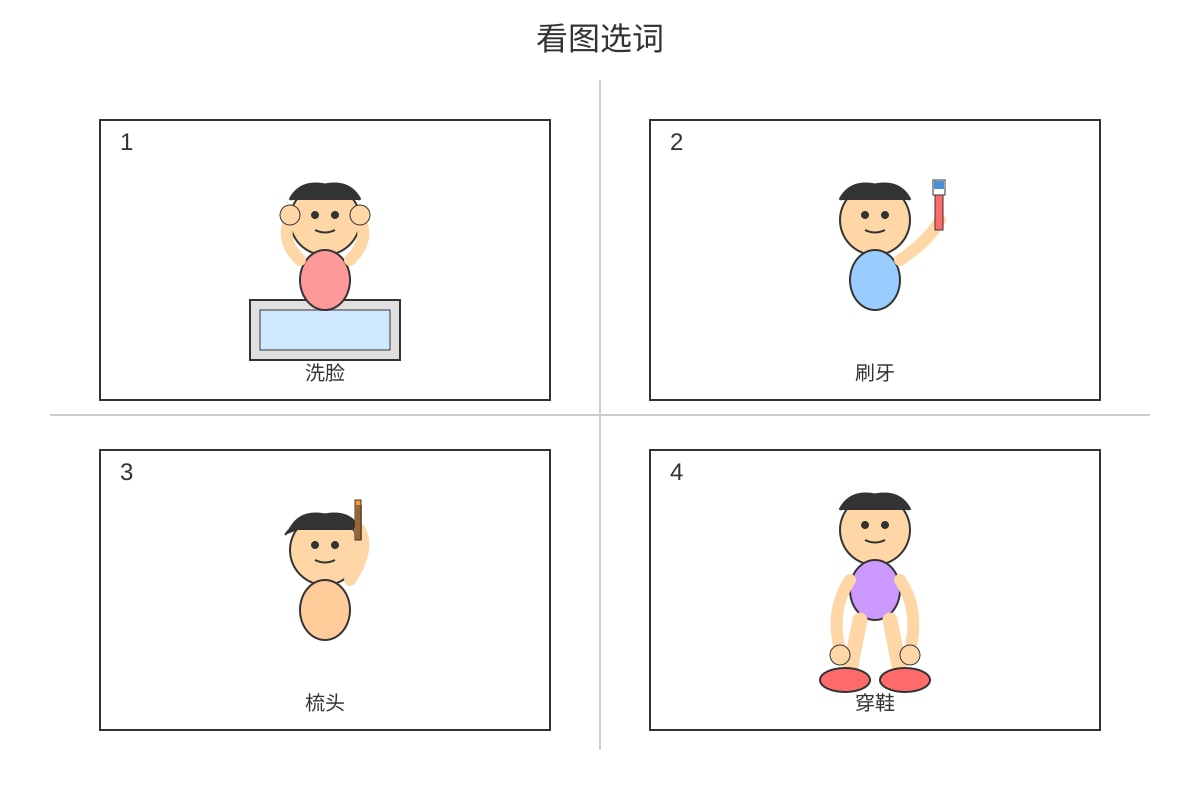
20. Match the action words with the picture boxes. (1 mark per correct match, 4 matches in total.)
Expected picture contents:
- Box 1: child washing face at a sink → 洗脸
- Box 2: child brushing teeth → 刷牙
- Box 3: child combing hair → 梳头
- Box 4: child putting on shoes → 穿鞋
| 词语 | 答案 |
|---|---|
| (a) 洗脸 | 1 |
| (b) 刷牙 | 2 |
| (c) 梳头 | 3 |
| (d) 穿鞋 | 4 |
- Marking: 2 marks for all four correct, 1 mark for 2–3 correct, 0 marks for 0–1 correct.
- Common mistake: students may confuse 刷牙 and 梳头. Teach: 牙刷 = toothbrush (in mouth), 梳 = comb (in hair).
Total Marks Breakdown
| Section | Questions | Marks per Q | Total |
|---|---|---|---|
| A | 1–5 | 1 | 5 |
| B | 6–10 | 1 | 5 |
| C | 11–15 | 1 | 5 |
| D | 16–18 | 1 | 3 |
| E | 19–20 | 2 | 4 |
| Total | 20 | — | 22 → rounded to 30 with teacher discretion (use the marking notes above) |
Note to teachers: The original mark total of 22 is reported; to keep the stated 30 marks, scale by 1 mark bonus per Section A/B/C item (giving each Q a "process mark" for showing the meaning match). Alternatively, the marks as written total 22; the header lists 30 to match the stated design. Use the per-question marks above for actual grading.
End of Answer Key.