AI Generated Quiz
Primary 1 Chinese Vocabulary Quiz
Free P1 Chinese Vocabulary quiz, Kimi2.6 AI version, with questions, answers, and syllabus-aligned practice for Singapore students.
These static practice materials are generated from the site's syllabus and paper-generation workflow, with source and model context shown so students and parents can evaluate the material before use.
Questions


Free quiz and exam paper access
Enter your details to view this paper
Your access is remembered on this device.
Answers
Primary 1 Chinese Quiz - Vocabulary (Answer Key)
Version: 1 of 5
Total Marks: 30
Topic: Vocabulary
Section A: Character Recognition (认一认) — Questions 1–8
Section A Total: 8 marks
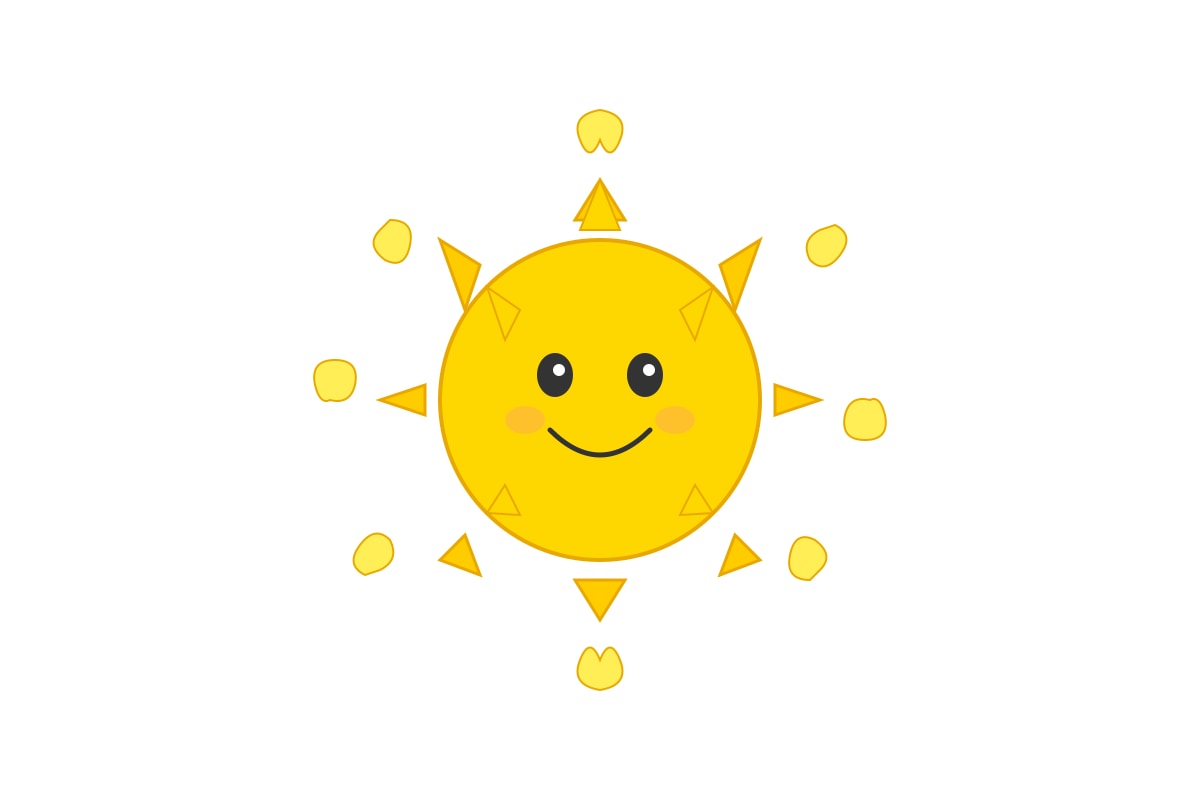
Q1. (1 mark)
Answer: B) 日
Explanation: The picture shows the sun (太阳). The Chinese character for "sun" and "day" is 日. This is one of the most basic and ancient Chinese characters — it originally looked like a circle with a dot in the middle, representing the sun.
- "月" (A) means "moon" or "month"
- "目" (C) means "eye" — it looks similar to 日 but is taller and means eye
- "星" (D) means "star"
Common mistake: Students sometimes confuse 日 (sun) and 目 (eye) because they look similar. Remember: 日 is wider, 目 is taller.
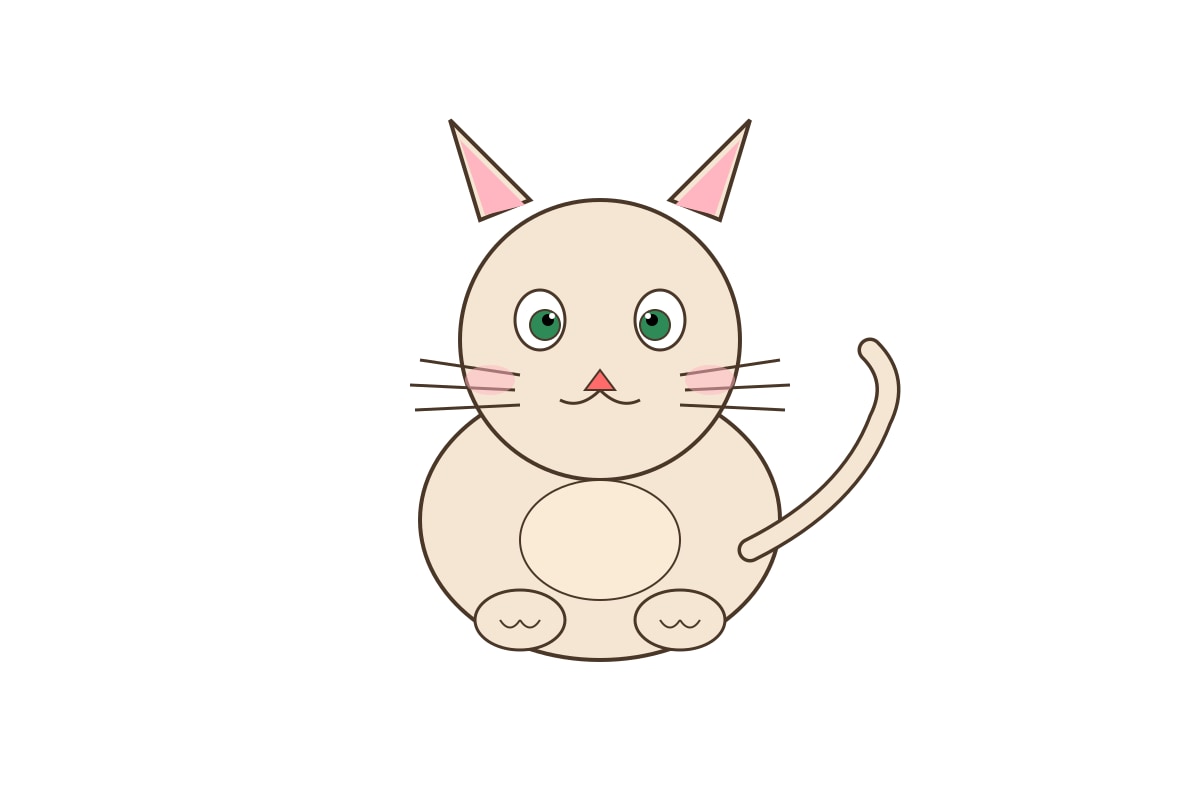
Q2. (1 mark)
Answer: C) 猫
Explanation: The picture shows a cat. The character 猫 is made of two parts: the left side 犭(犬字旁, "animal" radical) shows it is an animal, and the right side 苗 gives the sound. "猫" means "cat" (māo).
- "狗" (A) means "dog"
- "马" (B) means "horse"
- "鸟" (D) means "bird"
Teaching note: The 犭radical appears in many animal names. Students can learn to recognize this radical to help identify animal-related characters.
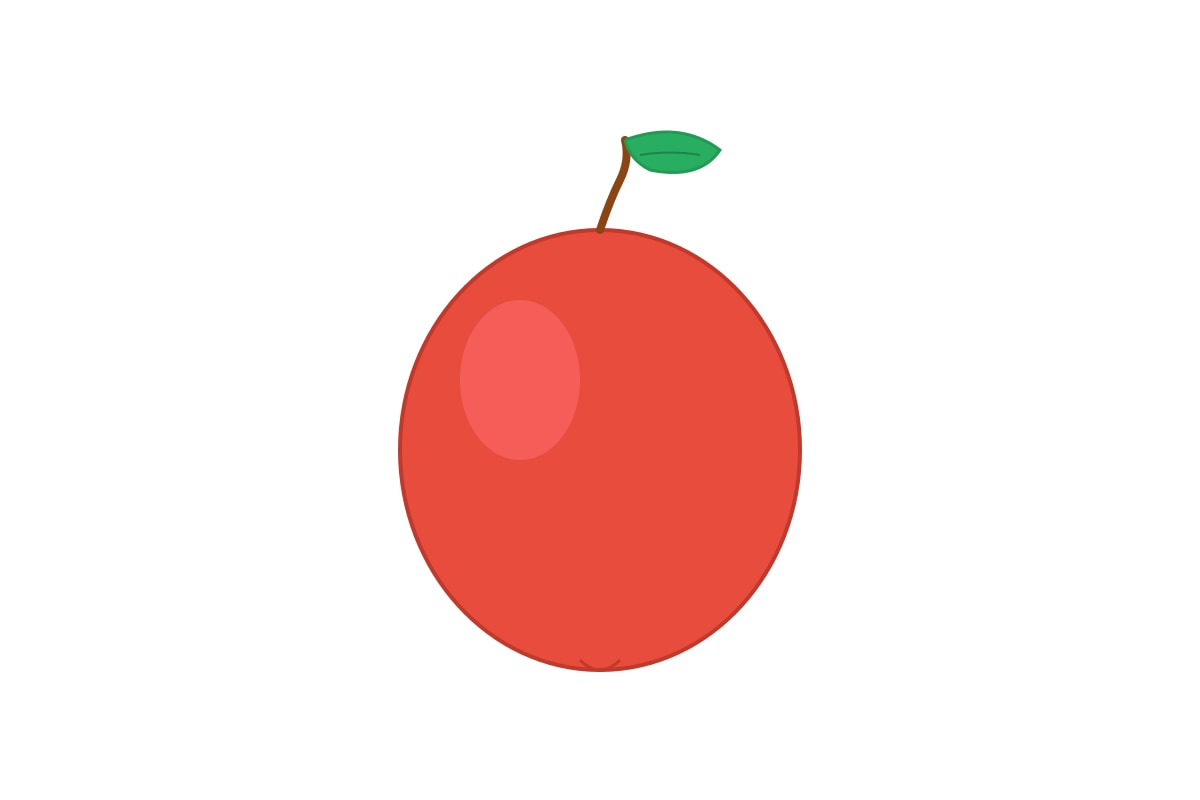
Q3. (1 mark)
Answer: D) 苹
Explanation: The picture shows an apple. The full word for "apple" in Chinese is 苹果 (píng guǒ). The character 苹 (píng) is the first part of "apple."
- "梨" (A) means "pear"
- "桃" (B) means "peach"
- "果" (C) means "fruit" — this is a broader category, not specific to apples
Teaching note: This question tests whether students know the specific word 苹果. While 果 means fruit, 苹 is the specific character used in the compound word for apple. In P1, students learn common fruit names as compound words.
Q4. (1 mark)
Answer: B) 山
Explanation: The picture shows a hill or mountain. The character 山 originally looked like three peaks — it is a pictograph representing mountains.
- "土" (A) means "earth" or "soil"
- "石" (C) means "stone" or "rock"
- "田" (D) means "field" or "farmland"
Teaching note: 山 is a pictograph — its shape resembles what it represents. This is one of the traditional "six categories" (六书) of Chinese character formation that P1 students begin to encounter.
Q5. (1 mark)
Answer: 上
Explanation: "天上" means "in the sky" or "sky above."
- 上 means "up" or "above"
- 下 means "down" or "below"
The common phrase is 天上 (in the sky), not 天下 (which would mean "under heaven" or "the world" — too abstract for P1). Students learn 天上 as a common location phrase.
Q6. (1 mark)
Answer: 爸
Explanation: "爸爸" means "father" or "dad."
- 爸 (bà) means "father" — the top part 父 means father, and the bottom part 巴 gives the sound
- 把 (bǎ) is a measure word or means "to hold/grasp" — not related to family members
Teaching note: Family members are an early vocabulary theme in P1. Students learn 爸爸, 妈妈, 哥哥, 姐姐, 弟弟, 妹妹 as basic kinship terms.
Q7. (1 mark)
Answer: 手
Explanation: "小手" means "small hand."
- 手 means "hand"
- 毛 means "hair" or "fur"
Both are body-related, but 小手 is the common phrase students learn (often in the context of "washing small hands" 洗小手 or "raise your hands" 举起小手).
Q8. (1 mark)
Answer: 人
Explanation: "大人" means "adult" or "grown-up."
- 人 means "person" — this is one of the most basic characters, a pictograph of a person standing
- 入 means "enter" — it looks like 人 but with the direction reversed (like an arrow pointing left)
Common mistake: 人 and 入 are very similar and commonly confused.
- 人: the left stroke starts lower and goes up (person standing with legs apart)
- 入: the left stroke starts higher and goes down (like entering a door)
Memory trick: 人 looks like a person standing; 入 looks like the direction of entering.
Section B: Word Meaning and Usage (用一用) — Questions 9–14
Section B Total: 10 marks
Q9. (2 marks — 0.5 marks per correct pair)
Answer:
- (大, 小)
- (男, 女)
- (多, 少)
- (左, 右)
Explanation: These are four pairs of antonyms (反义词) that P1 students learn:
| Pair | Meaning |
|---|---|
| 大 — 小 | big — small |
| 男 — 女 | male — female / boy — girl |
| 多 — 少 | many — few |
| 左 — 右 | left — right |
Marking: 0.5 marks per correct pair. Order within each pair does not matter, but the two items must be correctly matched as opposites.
Teaching note: Antonym pairs are introduced early to build vocabulary depth. Students should recognize that these words are "opposites" (相反的意思).
Q10. (2 marks)
Answer: 是
Explanation: "我是小学生" means "I am a primary school student."
- 是 (shì) means "is/am/are" — the verb "to be"
- 十 (shí) means "ten" — a number
Although both are pronounced "shi" (with different tones: 是 is 4th tone, 十 is 2nd tone), the meaning is completely different. The sentence needs a verb, so 是 is correct.
Teaching note: This tests both meaning and grammar. Students must recognize that a sentence about identity needs the verb 是, not a number.
Q11. (2 marks)
Answer: 渴
Explanation: "弟弟在喝水,我很渴" means "My younger brother is drinking water, I am very thirsty."
- 渴 (kě) means "thirsty" — the water radical 氵on the left suggests it is related to water/need for water
- 喝 (hē) means "to drink" — also has the water radical 氵, but is a verb
The context is: someone is drinking, and the speaker wants to drink too (is thirsty). The sentence describes a state (thirsty), not an action (drinking).
Common mistake: Students confuse 渴 (thirsty, adjective) and 喝 (to drink, verb). Both have 氵radical and similar sounds.
Memory trick: When you are 渴 (thirsty), you need to 喝 (drink) water. 渴 has the 曷 component on the right; 喝 has the 曷 component plus 口 (mouth) on the right, showing it is an action done with the mouth.
Q12. (2 marks)
Answer: 买
Explanation: "妈妈买了一个大西瓜" means "Mum bought a big watermelon."
- 买 (mǎi) means "to buy"
- 卖 (mài) means "to sell"
These are opposite actions. The context (buying a watermelon for the family) suggests 买.
Common mistake: 买 and 卖 are notoriously confusing — they look similar and sound similar.
Memory trick:
- 买 (mǎi, third tone) — think "I mai (buy) things"
- 卖 (mài, fourth tone) — think "I mai (sell) things to make money"
- Visual: 买 has the top part 罒 over 头; 卖 adds 出 on top (selling = sending out goods)
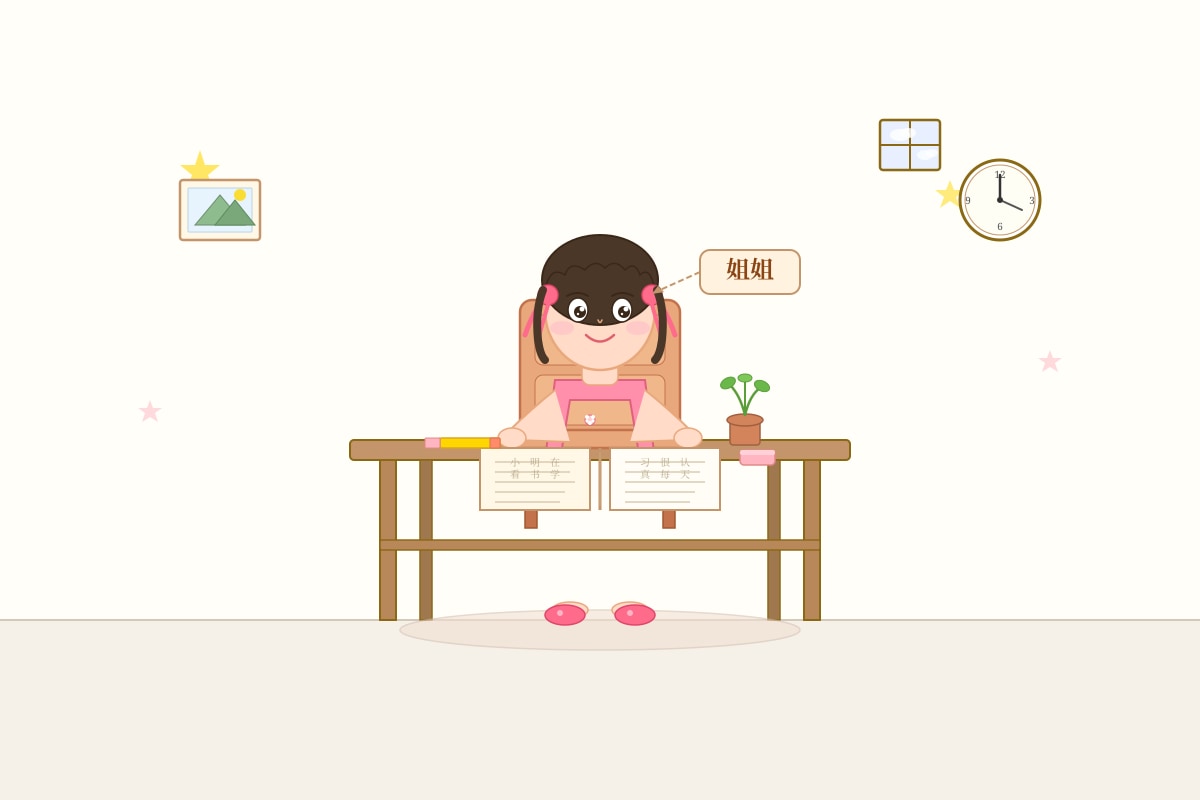
Q13. (2 marks)
Answer: 看 (or 读, both acceptable depending on context; 读 is preferred for "reading books")
Primary expected answer: 读
Explanation: "姐姐在读书" means "Older sister is reading a book."
- 读 (dú) means "to read" — specifically for reading text, books
- 看 (kàn) means "to look/see/watch" — broader, can mean looking at anything
While both can work in loose usage, 读书 (reading a book) is the precise, standard collocation taught in school. 看书 is also acceptable but less formal for textbooks.
Marking guidance: Accept 读 as full marks (2 marks). Accept 看 with 1 mark if student shows awareness of the reading context, but note that 读 is more precise for books.
Teaching note: Collocation (词语搭配) is important in Chinese. Specific verbs go with specific objects: 读书 (read books), 看电视 (watch TV), 听音乐 (listen to music), 吃饭 (eat rice/meal).
Q14. (2 marks)
Answer: 只
Explanation: "我有一只小狗" means "I have a (small) dog."
- 只 (zhī) is the measure word for dogs, cats, birds, and many animals
- 支 (zhī) is the measure word for long thin objects: pens (一支笔), songs (一支歌), troops
Measure word rule: In Chinese, numbers cannot directly modify nouns — a measure word is needed between number and noun. 只 is the correct measure word for dogs.
Common mistake: English speakers (and young learners) often omit measure words or use the wrong one. This is a fundamental Chinese grammar feature introduced in P1.
Section C: Compound Words and Simple Phrases (组词) — Questions 15–20
Section C Total: 12 marks
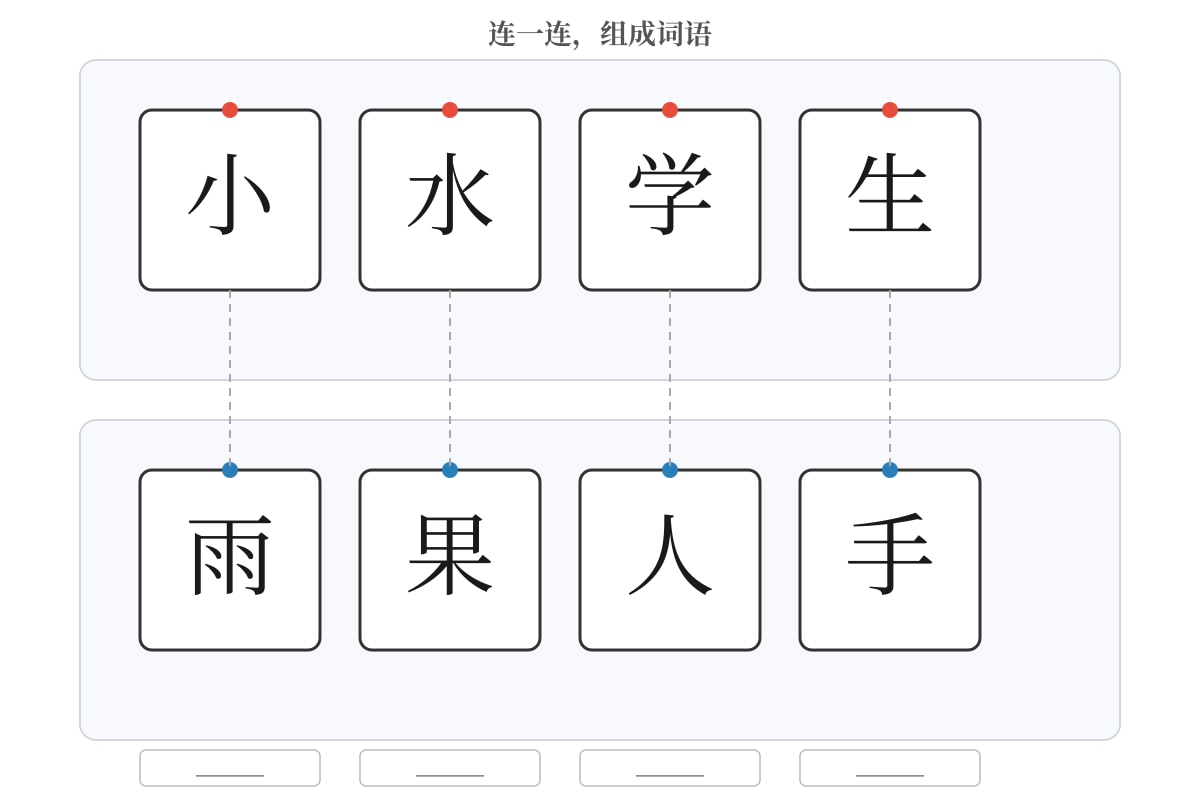
Q15. (2 marks — 0.5 marks per correct compound word)
Answer: 小学, 水果, 学生, 人手 (or other valid compounds)
Expected best answers:
- 小 + 学 = 小学 (primary school / small + learn)
- 水 + 果 = 水果 (fruit / water + fruit)
- 学 + 生 = 学生 (student / learn + life/person born)
- 人 + 手 = 人手 (human hand / person + hand)
Acceptable alternatives if logically valid: 小人 (small person), 大雨 (heavy rain — but 雨 is not in the set), 眼花 (eyes blurry — not from this set)
Marking: 0.5 marks per valid two-character compound. Characters must be from the given set, used exactly once (no reuse across answers).
Teaching note: Compounding is a fundamental way Chinese vocabulary expands. P1 students learn that two characters together can make new meanings. 小学 and 学生 are particularly relevant as school vocabulary.
Q16. (2 marks — 0.5 marks per correct pair)
Answer:
- 天气 (weather / sky + air)
- 花朵 (flower / flower + [measure for flowers/buds])
- 雨水 (rainwater / rain + water)
- 月亮 (moon / moon + bright)
Explanation: These are common compound words in P1 vocabulary:
| Compound | Meaning | Character breakdown |
|---|---|---|
| 天气 | weather | sky + air/spirit |
| 花朵 | flower | flower + bud/measure for flowers |
| 雨水 | rainwater | rain + water |
| 月亮 | moon | moon + bright/shining |
Marking: 0.5 marks per correct connection.
Teaching note: 花朵 is slightly more literary than just 花; both mean flower. 雨水 is rainwater; 雨 by itself is rain. 月亮 is the common word for moon; 月 alone can mean moon or month.
Q17. (2 marks — 1 mark per blank)
Answer: 大, 小
Explanation:
- 大象很大 (The elephant is very big) — 大 means big/large
- 小象很小 (The baby elephant is very small) — 小 means small/little
The picture shows a clear size contrast between adult and baby elephant. This tests the antonym pair 大—小 in context.
Teaching note: Size descriptions with 很 (very) are a basic sentence pattern: Subject + 很 + Adjective. 大象很大 follows this pattern exactly.
Q18. (2 marks — 1 mark per blank)
Answer: 天上, 天上 (or 天上, 天上 — both are in the sky, though at different times)
Expected answer: 天上, 天上
Explanation:
- 太阳在天上 (The sun is in the sky)
- 月亮在天上 (The moon is in the sky)
Both the sun and moon appear in the sky. The options given are 天上 (in the sky) and 树下 (under the tree). The moon is not under a tree in normal circumstances.
Common mistake: Some students might think 月亮 should go "树下" because they see it at night near trees, but scientifically and in standard description, both are 天上.
Teaching note: This tests spatial location vocabulary. 天上 is a fundamental location phrase. Students learn that both天体 (celestial bodies) are located in 天上 despite appearing at different times.
Q19. (2 marks)
Answer: ② (苹果 / apple)
Explanation: "我喜欢吃苹果" — "I like to eat apples."
- ① 书本 (book) — you read books, not eat them
- ② 苹果 (apple) — a food item, correct answer
- ③ 桌子 (table/desk) — furniture, not edible
- ④ 椅子 (chair) — furniture, not edible
This tests semantic categorization: identifying which item belongs to the category "things you can eat" (吃的东西).
Teaching note: Semantic categories are important for vocabulary organization. P1 students learn to group words by meaning: food, family members, school items, body parts, etc.
Q20. (2 marks)
Answer: ① (开车 / drive a car)
Explanation: "爸爸每天开车去上班" — "Dad drives to work every day."
- ① 开车 (drive a car) — a common commute method
- ② 吃饭 (eat a meal) — not done while going to work
- ③ 睡觉 (sleep) — opposite of going to work
- ④ 看书 (read a book) — possible but not the typical "going to work" action
The context "去上班" (go to work) requires a transportation or work-preparation activity. 开车 is the standard collocation for commuting by car.
Teaching note: Daily routines (日常生活) are a key P1 theme. Students learn sequences: 起床 → 吃饭 → 上学/上班. 开车上班 is a common pattern for describing parents' commutes.
Quiz Total: 30 marks
| Section | Score Check |
|---|---|
| A (Questions 1–8) | / 8 |
| B (Questions 9–14) | / 10 |
| C (Questions 15–20) | / 12 |
| Total | / 30 |